

Imagine the thrill of the baseline rally, the excitement in every sprint, and the pure joy of learning a sport that embodies power, precision, and passion. Tennis offers kids more than just a game; it delivers a journey packed with energy, challenges, and unforgettable memories. For parents and coaches diving into the fascinating world of youth tennis, igniting that initial spark of love for the game is both an art and a science. The right approach to getting started, combined with a treasure trove of fun, creates players who come back to the court not because they have to, but because they want to.
In 2025, tennis is not just evolving on professional courts—it’s booming in backyards, schools, and local clubs around the globe. From the youngest beginners holding oversized Wilson and Babolat racquets to rising stars aiming to emulate legends wielding Head, Prince, and Yonex racquets, youth tennis is a vital piece of the sport’s ecosystem. Brands like Nike, Adidas, Asics, Lotto, and Dunlop are fueling this surge by delivering gear that blends comfort, durability, and flair, tailored just for tiny hands and energetic feet.
Yet, the true secret lies beyond equipment. It’s in crafting experiences that transform drills into games, ways to hold a racquet into moments of pure exhilaration, and basic strokes into expressions of character and resilience. Whether it’s setting up a mini-match with soft red balls on a 36ft court or sneaking in footwork drills disguised as chase games, blending learning with fun is the key to lifelong tennis passion.
As stories from champions past and present ripple through the tennis community, initiatives like Harper for Kids remind us that tennis is also a platform for character development. It’s about teaching young players the invaluable lessons of effort, self-belief, and redefining success beyond wins and losses.
This guide dives into everything you need to welcome kids to tennis with open arms, open courts, and open hearts—showing you how to kickstart their tennis adventure while keeping the joy alive every serve, volley, and rally of the way.
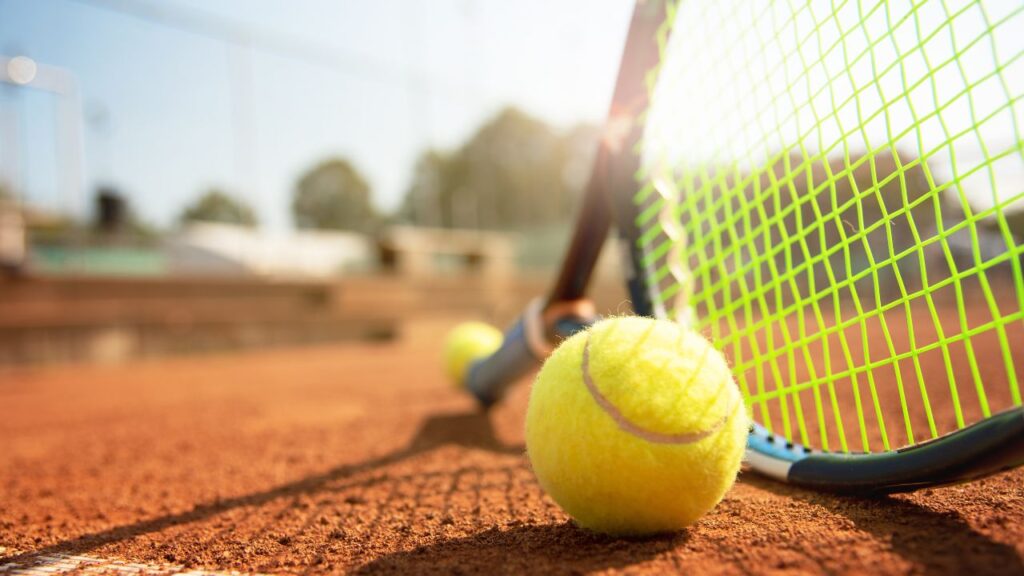
Choosing the Right Tennis Equipment for Kids: The Foundation of Fun and Skill Development
Stepping onto a tennis court for the first time can be intimidating—especially for children. But with the right gear tailored to their size, age, and experience, that first encounter quickly transforms from hesitation into confidence. Thanks to the innovation from brands like Wilson, Babolat, and Head, parents and coaches now have access to junior racquets that perfectly balance control and power, keeping kids excited and eager to improve.
Junior tennis balls, designed to bounce lower and slower, come in color-coded categories. For ages 4-8, red balls are a soft, low-compression option that reduce intimidation and build hand-eye coordination. Orange and green balls slowly elevate the difficulty level as kids grow and hone their skills, ensuring progress feels natural rather than forced. This progressive ball system is backed by leading equipment companies and programs worldwide, embedding skill-building in fun and achievable goals.
Footwear is another pivotal element. Companies like Nike, Adidas, Asics, and Lotto have developed tennis shoes specifically for kids’ unique foot structures and growing bodies. These shoes deliver essential support, traction, and durability on various court surfaces, preventing injuries while promoting confidence during quick directional changes and explosive sprints.
To prepare young players for both learning and competition, here’s a quick equipment checklist to keep the tennis journey on track:
- Junior Racquet: Sized according to child’s height (ranging from 19 to 26 inches) – Wilson and Babolat offer some of the most user-friendly models.
- Tennis Balls: Use low compression red balls (ages 4-8) progressing to orange and green balls for older kids.
- Tennis Shoes: Opt for brands like Nike or Adidas with specially designed kids’ models to avoid foot injuries.
- Comfortable Athletic Wear: Lightweight and breathable gear ensures kids stay cool and unhindered during play.
- Protective Gear: Hats and sunscreen are essential for outdoor sessions under the sun. Plus, wristbands can help absorb sweat.
Proper equipment ultimately delivers more than just physical readiness; it ignites enthusiasm. When a child grips a Prince racquet that feels just right, or sees that they can actually hit the ball with a Dunlop ball designed just for mini players, the wow-factor ignites their passion. Those positive early experiences are the first building blocks of a potential lifelong love for tennis.
| Equipment Type | Recommended Brands | Age Group | Key Feature |
|---|---|---|---|
| Junior Racquets | Wilson, Babolat, Head, Prince, Yonex | 4-14 years | Lightweight, appropriately sized, balanced power/control |
| Low Compression Tennis Balls | Dunlop, Wilson | 4-10 years | Lower bounce, slower speed, easier to hit |
| Tennis Shoes | Nike, Adidas, Asics, Lotto | 4-14 years | Supportive, traction-specific for tennis courts |
| Apparel & Accessories | Nike, Adidas, Lotto | All ages | Breathable, sweat-wicking, sun protection |
Engaging Tennis Games for Kids: Turning Practice Into Play
If there’s one secret to helping kids fall in love with tennis, it’s making every session more game than drill. The beauty of tennis is that you don’t need a full court or high-end gear to craft exciting, skill-building challenges. With a couple of tennis balls, some cones, and boundless creativity, you can create fun games that sharpen skills while keeping spirits high – a winning formula for beginner players of all ages.
For younger players especially, blending basic tennis strokes into lively games cultivates agility, coordination and confidence without the pressure of competition. Taking advantage of smaller courts—like a 36ft court used in many junior programs—allows kids to experience matches built just for their size and skill level, fostering a sense of accomplishment and inclusion.
Here are some engaging games to sprinkle into youth tennis sessions:
- Red Ball Rally: Using soft red balls on a shortened court, players work on consistent ball contact and basic volleying in a fun and safe environment.
- Target Practice: Set up cones or hoops as targets for players to aim for, improving ball control and precision.
- King of the Court: Players rotate in quick matches, keeping excitement high while practicing point play and movement.
- Footwork Fun: Leapfogs, ladder drills, or quick step challenges disguised as races develop agility and court coverage.
- Tennis Tic-Tac-Toe: Players earn spots in a tic-tac-toe grid by winning points, merging strategic thinking with tennis fundamentals.
Far from repetitive routines, these games mimic real match pressures but with a sprinkle of laugh-out-loud fun. By transforming traditional tennis drills into playful contests, kids are more motivated to return, improving skills without the feeling of obligation or fatigue.
| Game | Skills Developed | Equipment Needed | Ideal Age |
|---|---|---|---|
| Red Ball Rally | Consistency, Hand-eye Coordination | Low compression red balls, half court | 4-8 years |
| Target Practice | Precision, Focus | Cones or hoops, standard balls | 6-12 years |
| King of the Court | Match play, Decision Making | Mini court, various balls | 8-14 years |
| Footwork Fun | Agility, Speed | Agility ladder, cones | All ages |
| Tennis Tic-Tac-Toe | Strategy, Shot Variety | Small court, cones | 8-12 years |
Mastering Basic Tennis Techniques for Kids: Grip, Strokes, and Footwork Made Simple
Learning to wield a racquet and move with purpose is the first step toward unleashing the wild joy of tennis. But mastering even the fundamentals like grip, stroke technique, and footwork can feel overwhelming without clear guidance. Simplifying these concepts and rooting them in fun helps kids build confidence and develop essential skills that pay dividends on every court, every match.
The classic forehand and backhand strokes form the backbone of any player’s arsenal and deserve dedicated attention early on. Emphasizing grip types—such as the Eastern or Continental grip—for different shots gives children clear tools to experiment with their swing effectively. Encouraging kids to explore varied grips also improves adaptability as they face different ball trajectories and court conditions.
Footwork, often overlooked by beginners, is actually critical. A player who can position themselves with speed and balance stands a far better chance of hitting clean shots and maintaining flow during rallies. Simple drills like side shuffles, quick sprints, and change of direction exercises develop these essential motor skills, priming kids for success while preventing injuries.
Essential techniques to prioritize while keeping kids engaged:
- Grip Variety: Teaching easy-to-learn grips such as Eastern forehand or continental grip helps young players control their shots.
- Stroke Foundations: Introducing the basics of forehand, backhand, and volley strokes with slow-motion practice.
- Footwork Drills: Fun exercises including ladder drills, cone weaving, and shadow stepping develop agility.
- Rally Practice: Light rallies focusing on control, consistency, and anticipation keep practice lively and purposeful.
- Positive Reinforcement: Celebrating progress encourages kids to keep pushing forward despite early challenges.
Alongside these basics, brands like Wilson, Dunlop, and Head offer junior racquets specially engineered to compliment these skill building steps. The right racquet weight and grip size adapted to the child’s hand is crucial for muscle memory and injury prevention.
For those interested in diving deeper into stroke mechanics and fitness preparation, resources like mastering forehand techniques and improving tennis fitness exercises provide top-tier guidance to elevate young players’ games.
| Technique | Focus Area | Development Method | Benefit |
|---|---|---|---|
| Grip | Control, Shot Variety | Eastern, Continental grips demo and drills | Consistent stroke production |
| Forehand/Backhand | Power, Accuracy | Slow-motion swings, shadow stroking | Effective baseline play |
| Footwork | Agility, Positioning | Ladder drills, cone weaving | Better court coverage and shot setup |
| Rallying | Control, Anticipation | Light ball exchanges with partners/coaches | Enhanced consistency and fun |
| Positive Feedback | Confidence, Motivation | Celebration of milestones | Long-term tennis engagement |
Building Character and Confidence Through Tennis: Lessons Inspired by Harper for Kids
Tennis is more than the physical game of hitting balls across a net. Its true essence lies in the lessons it teaches on patience, resilience, self-discipline, and redefining what success really means. The inspiring journey of former WTA player Peanut Louie Harper and her organization, Harper for Kids, embodies this ethos by linking tennis to character development in young players.
Harper, who rose to world No. 19 and collected multiple career titles, transitioned from pro tennis to a mission helping youth see success beyond just wins and losses. Partnering with the philosophy of UCLA basketball coach John Wooden and his famous ‘Pyramid of Success,’ Harper for Kids brings strong, positive role models into schools, enriching children’s understanding of effort, grit, and personal growth.
In a world where pressure and expectations can overwhelm young athletes, Harper’s approach refocuses attention on “doing your best,” a powerful mindset that fosters peace of mind and happiness. The nonprofit’s collaboration with top WTA players and legends via school assemblies and virtual Zoom events introduces kids to inspiring stories, helping them relate and aspire in a supportive setting.
Key takeaways from the Harper for Kids philosophy for parents and coaches:
- Positive Definition of Success: Encourage kids to find peace in the effort they put, not just the scoreboard.
- Role Models Matter: Introduce children to athletes who demonstrate character, resilience, and kindness.
- Growth Mindset: Teach young players to view challenges and failures as opportunities to learn and improve.
- Community and Support: Build a nurturing environment where kids feel accepted and motivated.
- Parent Participation: Engage families in reinforcing character lessons on and off the court.
Through the challenging early stages of tennis, this character-building framework helps kids develop not only into skilled athletes but also empowered individuals ready to take on life’s bigger rallies. Parents and coaches seeking to align physical training with mental and emotional development will find Harper for Kids an invaluable guide in 2025’s dynamic youth tennis landscape.
| Character Lesson | Application on Court | Benefit to Kids | Real-life Example |
|---|---|---|---|
| Effort Over Outcome | Focus on trying hard in rallies | Reduced performance anxiety | Peanut Louie Harper’s “best effort” mantra |
| Role Models | Learning from athlete stories | Inspiration and hope | WTA players sharing stories on Zoom |
| Growth Mindset | Viewing mistakes as lessons | Improved resilience | Adapting to tournament shocks like tennisguide.net chronicles here |
| Community Support | Encouragement from peers and coaches | Strong social bonds | Junior programs fostering team spirit |
| Parental Involvement | Sharing values consistently | Holistic development | Parents applying Harper for Kids principles at home |
Creating Long-Term Engagement in Tennis: Fitness, Strategy, and Recovery Tips for Young Players
For kids to stick with tennis beyond the fun beginner years, building physical fitness, mastering basic strategy, and learning how to recover properly are vital pieces of the puzzle. Children’s bodies and minds respond best to training that is diverse, balanced, and suited to their developmental stage – a priority echoed by coaches, parents, and sports scientists alike.
Fitness tips for junior players concentrate on improving agility, endurance, and strength with exercises that don’t feel like chores. Think playful sprints, dynamic stretching routines, and games designed around movement called for in real matches. For tailored physical prep, blend activities like ladder drills, shuttle runs, and balance work into regular practice to make sure kids build speed and control.
Equally important is introducing strategic thinking early on. Teaching kids how to construct points, recognize opponents’ weaknesses, and manage their energy on the court gives them a competitive edge—and it’s also a boost to their confidence as they feel in control of the match flow.
Recovery and injury prevention complete the cycle. Junior tennis players benefit hugely from simple routines focused on proper warm-ups, hydration, stretching, and rest to avoid burnout or stops in progress due to pain or strain. Incorporating knowledge from resources such as preventing tennis injuries and tennis recovery strategies ensures young athletes maintain health and enthusiasm for the sport.
Key pillars for fostering long-term tennis engagement in kids include:
- Dynamic Fitness Routines: Engaging exercises that develop speed, balance, and coordination without feeling like punishment.
- Simple Match Strategies: Teaching kids when to attack, defend, and conserve energy in points.
- Consistent Warm-ups: Preparing muscles and mind before hitting the courts to cut down injury risks.
- Recovery Techniques: Ensuring proper cooldowns, hydration, and rest to keep players fresh and fueled.
- Encouraging a Positive Mindset: Keeping motivation and joy at the heart of the tennis journey.
With the right blend of physical preparation, tactical awareness, and holistic care, kids naturally develop the stamina and mental toughness needed to thrive in tennis. Coaches can find excellent guidance in tennis warm-up guides and winning match strategies to tailor programs fitting young players’ evolving needs.
| Focus Area | Training Method | Key Benefit | Recommended Resources |
|---|---|---|---|
| Fitness | Agility drills, shuttle runs, dynamic stretching | Enhanced court speed and endurance | Improve Tennis Fitness Exercises |
| Strategy | Point construction, opponent analysis | Better game control and confidence | Winning Match Strategy |
| Warm-ups | Dynamic stretches, light ball drills | Reduced injury risk | Tennis Warm-Up Guide |
| Recovery | Hydration, stretching, rest | Maintained health and motivation | Tennis Recovery & Master Rest |
| Mindset | Positive feedback, goal setting | Long-term engagement and resilience | Ongoing parental and coach support |
Frequently Asked Questions about Tennis for Kids
- What is the best age for kids to start playing tennis?
Children can start learning basic tennis skills as early as age 4, especially with age-appropriate equipment like low compression balls and smaller racquets, making the game accessible and fun.
- How can I keep my child motivated to practice tennis?
Turning drills into games, celebrating every milestone, and exposing kids to inspiring role models, like those featured in Harper for Kids programs, help sustain enthusiasm and commitment.
- What equipment brands are best for junior tennis players?
Top brands include Wilson, Babolat, Head, Prince, Yonex for racquets and balls, as well as Nike, Adidas, Asics, Lotto, and Dunlop for shoes and apparel, combining quality and comfort tailored for children.
- How important is fitness and recovery for young tennis players?
Vital. Developing agility and endurance via fun fitness routines improves performance and prevents injuries. Recovery practices like proper warm-ups and hydration keep kids healthy and eager to play.
- Where can I find reliable resources to improve my child’s tennis game?
For cutting-edge tips and training strategies, TennisGuide.net offers comprehensive guides from beginner equipment advice to winning match strategies and fitness workouts.