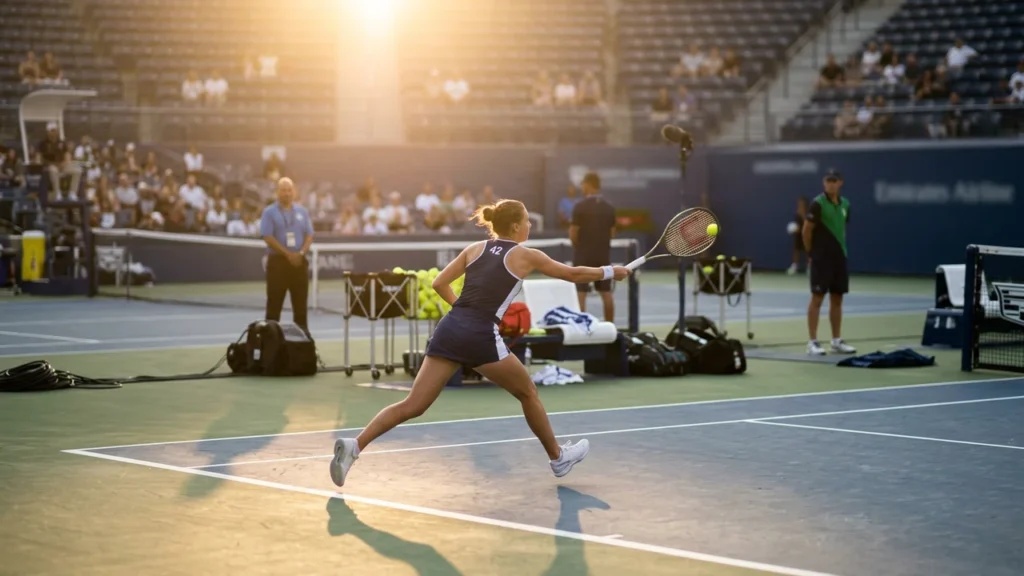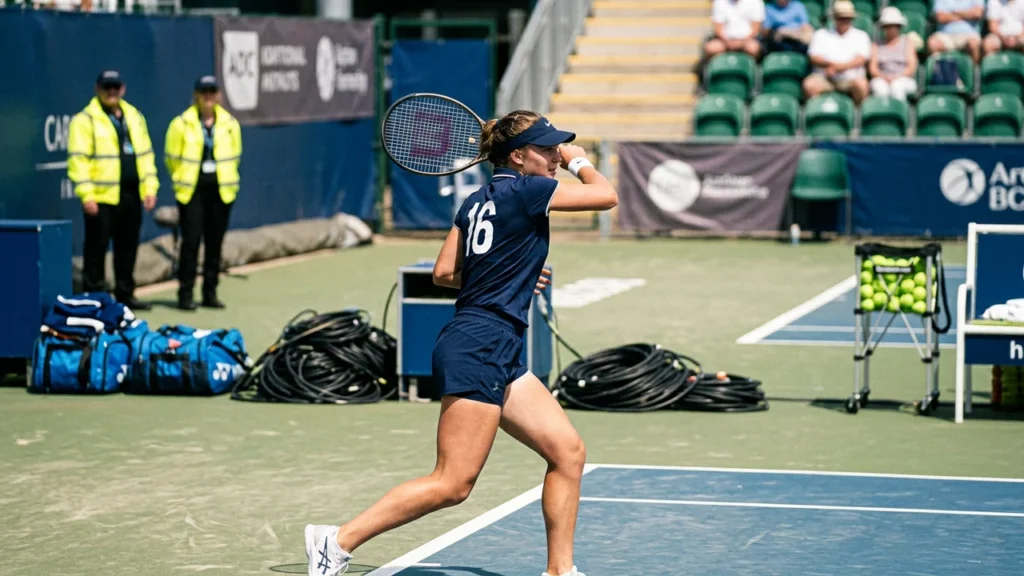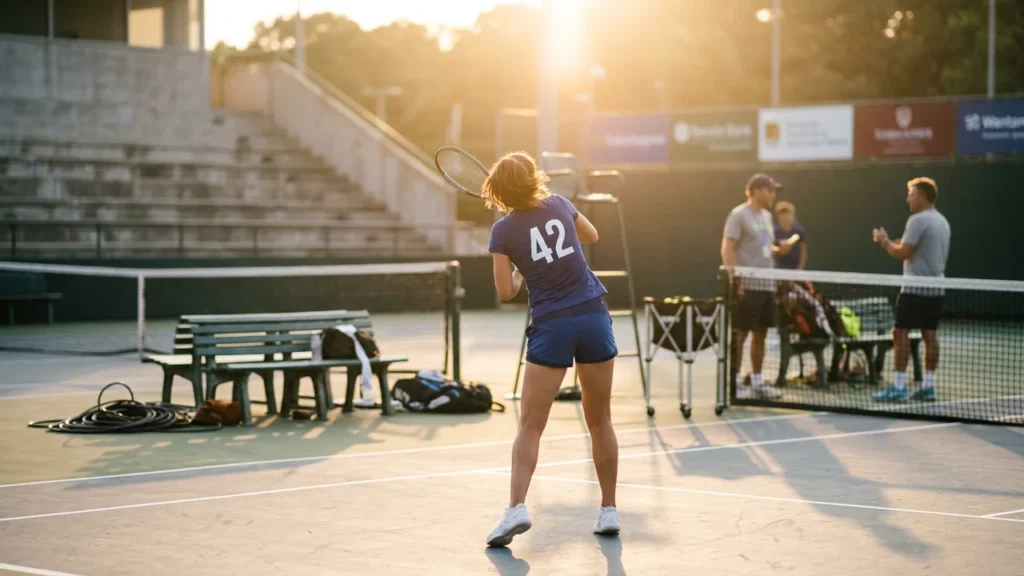
Dominic Thiem, the Austrian tennis sensation and 2020 US Open champion, faced a crushing blow as he was knocked out in the first round of his home tournament, sending shockwaves through the tennis community and igniting discussions about his future in the sport. The Generali Open, held on familiar Austrian soil and watched by an enthusiastic home crowd, was expected to be a rallying point for the former world number 3. Instead, it marked another challenging chapter in his ongoing battle to regain form after a series of injury setbacks and ranking slumps. The disappointment for Thiem is not just about one match; it symbolizes the fierce and unyielding nature of professional tennis, where legends are tested by both physical limits and the relentless competition that defines the sports landscape. This tournament, rich in tradition and passion, was supposed to be a platform for resurgence. Yet, the early exit prompts a deeper look into the complexities of elite tennis, where glimmers of past greatness must fight against the harsh realities of the present.

Dominic Thiem’s Challenging Journey Through the Austrian Tournament
Dominic Thiem entered the Generali Open carrying the weight of expectations from a nation that once hailed him as the “Prince of Clay” and the heir apparent after the era of the Big Four. The Austrian tournament, a highlight in the national sports calendar, serves as a vibrant showcase of homegrown talent and international competition. Despite recent struggles, many fans hoped to witness a spark of the thrilling tennis style Thiem once displayed.
After a smooth start with a bye in the first round due to Richard Gasquet’s withdrawal, Thiem showcased some promising performances defeating Alexander Shevchenko and Sebastian Ofner in straight and three-set matches respectively. These victories hinted at a resurgence and rekindled hope that he might replicate his earlier career form before the electrifying Kitzbühel final run that same month. However, his journey abruptly ended in the quarterfinals against German player Yannick Hanfmann.
The three-set loss (6-4, 3-6, 6-4) was a crushing blow not only to Thiem but also to the home crowd who had filled the stands with anticipation. This end to the Austrian tournament mirrored a broader trend of difficulties for Thiem, emphasizing how even the most talented and once dominant athletes face unpredictable swings in their careers. It also underscored the brutal level of competition in modern tennis, where rising stars continually challenge the established names.
- A difficult comeback from wrist injury in 2021 severely impacted his playing rhythm and confidence.
- Dropping out of ATP top 300 rankings reflected the ongoing struggle to reclaim previous standing.
- Notable recent victories at the Swiss Open semifinals and initial rounds of the Generali Open highlighted moments of resilience.
- High expectations at the Austrian home tournament amplified the emotional stakes.
| Tournament | Result | Opponent | Scores |
|---|---|---|---|
| Swiss Open | Semi-finals | Various | — |
| Generali Open Round of 32 | Win | Alexander Shevchenko | 6-4, 6-2 |
| Generali Open Round of 16 | Win | Sebastian Ofner | 6-2, 3-6, 6-3 |
| Generali Open Quarterfinal | Loss | Yannick Hanfmann | 6-4, 3-6, 6-4 |
Thiem’s experience in the Generali Open reflects common challenges even elite players face when attempting a comeback: inconsistency, physical limitations, and the psychological hurdle of regaining trust in their game. Players returning from wrist injuries, in particular, often battle the delicate balance between power and control, directly impacting their forehand effectiveness—Thiem’s signature shot. For anyone interested in tennis techniques and recovery strategies, resources such as Winning Singles Tennis Strategies provide essential insights into adapting and overcoming physical setbacks.
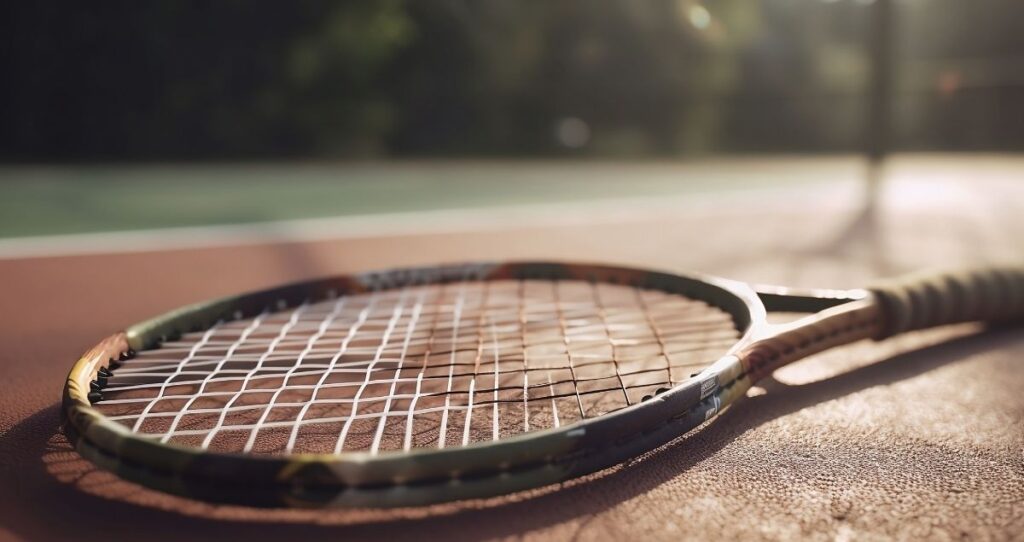
The Unyielding Spirit of Tennis Players: Thiem’s Mental and Physical Battles
The world of professional tennis demands more than skill; it requires resilience, mental fortitude, and the capacity to confront setbacks head-on. Dominic Thiem’s career trajectory, especially since 2021, highlights how an athlete’s journey is fraught with both physical trials and the psychological weight of expectations. After winning the US Open in 2020, his wrist injury the following year was an imposing hurdle. The injury sidelined him for months and, upon return, disrupted his form and confidence, leading to a significant decline in rankings and performance.
In 2023, Thiem began to show glimpses of a comeback, notably reaching the finals in Kitzbühel and delivering an encouraging performance at the US Open by defeating a top-30 player. Yet, the challenges persisted in 2025, an ever-evolving timeline that reflects the ongoing battle between perseverance and physical limitation.
- Mental hurdles: Overcoming doubts and regaining confidence post-injury is a multifaceted challenge.
- Physical reintegration: Wrist injuries affect stroke mechanics and stamina, crucial for sustaining tournament play.
- External pressure from fans and media: Home tournaments intensify scrutiny, amplifying the burden on players.
- Increased competition level: The emergence of young talent constantly reshapes the playing field.
Thiem himself has spoken candidly about the interplay between mental strength and physical ability during his return phases. He emphasized how each success, even minor, fuels trust in his body to perform precise shots, particularly the forehand that once dominated clay courts. This connection is essential for players recovering from injuries, especially in a high-intensity sport like tennis where every point can pivot matches.
For followers of sports psychology and athletic rehabilitation, understanding these dimensions is crucial. The recent trends also show how players incorporate mental training and adaptive techniques to regain a competitive edge. Whether it’s through guided mental conditioning or equipment tailored to support physical vulnerabilities — see current advances in racquet technology — players today have multifaceted tools aiding their return to form.
Beyond the physical rhythms, the story of Thiem is a vivid illustration of tennis as an enduring test of human spirit. His journey in his home tournament this year, culminating in a tough first-round knockout, does not diminish the legacy of a player who has faced some of tennis’s brightest stars at their best.
How the Intensity of Tennis Competition Shapes Player Careers: A Close-up on Austrian Tournaments
Austrian tennis tournaments like the Generali Open stand as pinnacles where national pride and international competition intersect. For players like Thiem, the pressure intensifies playing in front of local fans whose expectations are sky-high. The atmosphere in these home tournaments is different, charged with emotional energy that can either propel a player forward or amplify their struggle. In 2025, the sport’s competitive landscape has become more fierce than ever.
The Generali Open, known for its electric environment in Austria, throws into sharp relief the challenges even elite players face. First-round exits, like Thiem’s with a defeat by a determined opponent, reflect the unforgiving nature of the event’s draw and match tension. This dynamic shapes careers as players must constantly adapt to highs and lows. For Austrian players specifically, whose careers live and breathe through national tournaments, the stakes are doubly high.
- Home crowd support can serve as a boost or an overwhelming pressure point.
- Emergence of international talents continually raises the bar at every round.
- Tournament format and surfaces test player versatility and adaptability.
- Ranking points and earnings hinge significantly on navigating through rounds successfully.
| Tournament Aspect | Impact on Players | Examples |
|---|---|---|
| Home crowd atmosphere | Increased motivation but also amplified pressure | Thiem’s matches saw packed venues, intensifying stakes |
| Surface type (hard/ clay) | Influences playing style effectiveness | Generali Open on hard court; Kitzbühel on clay, where Thiem excelled |
| Ranking implications | Win or early exit affects ATP rankings and confidence | Thiem’s drop from top 300 impacted by early losses |
For anyone interested in how tournament dynamics affect player performance and career trajectories, the interplay of these elements paints a vivid portrait of sports competitiveness. It also highlights the importance of detailed preparation, from fitness to game strategy. Aspiring players can explore valuable resources like winning singles tennis strategies to build foundational skills aiming for long-term success.
The Impact of Injuries on Career Longevity in Professional Tennis
Professional tennis is a grueling sport that pushes the human body to its limits. Injuries, particularly wrist injuries as seen in Thiem’s case, can dramatically alter a player’s trajectory. The wrist is a pivotal joint in producing spin, power, and control—essential elements in modern tennis. When compromised, it demands extensive rehabilitation and often a change in playing style to adapt to physical limitations.
Thiem’s struggle following his wrist injury highlights several implications for career longevity:
- Reduced power and consistency: A sensitive wrist affects shot precision and the ability to sustain long rallies.
- Psychological impact: Fear of re-injury can affect shot selection and aggressiveness.
- Extended recovery periods: Time away from competition leads to ranking drops and loss of match fitness.
- Need for equipment adaptation: Modifications in racquet grip size and string tension can help mitigate strain.
This reality means players must embrace both physical therapy and technical innovation to extend competitive careers. Advances in equipment technology play a supportive role here, with brands constantly adapting tennis racquets to optimize player comfort and power delivery. For a guide to current racquet innovations that can benefit injury-stricken players, see the mid-season racquet brands review.
Understanding the toll injuries take is crucial for fans and players alike when analyzing recent matches and predicting performance trajectories. It also provides perspective on how athletes like Thiem confront their travels through the physical and emotional landscapes of professional tennis competition.
Looking Ahead: The Future Outlook for Dominic Thiem and Austrian Tennis
The narrative surrounding Dominic Thiem’s career in 2025 is a compelling blend of past glories and uncertain futures. His knock-out in the first round of the Austrian tournament sparks debate about the path he must take to reclaim his position among the tennis elite. For the Austrian fan base, the hope remains strong that “The Prince of Clay” can shock the tennis world with a return to form, inspired by the passionate support from home crowds and his own indomitable spirit.
The broader Austrian tennis scene also stands at an exciting crossroads, with emerging young players eager to seize the spotlight. Thiem’s journey symbolizes the cycle of tennis careers—a mix of victories, setbacks, and rebirths. How Austria nurtures these players and builds on its tennis heritage will shape the tournament circuits and international sports competitions in years to come.
- Investments in youth training programs promise a pipeline of talent.
- Focus on injury prevention and recovery to sustain top-level competitive longevity.
- Promotion of mental health resources to help athletes cope with pressure.
- Leveraging fan engagement in home tournaments as a motivational tool for players.
For tennis enthusiasts and aspiring players, accessing comprehensive guides that cover everything from strategy to equipment is essential. For example, exploring brands and gear at Tennis Racquet Brands Mid Season Review empowers players to make informed choices tailored to their playing style and physical needs.
As the tennis world watches, Thiem’s story remains a vivid testament to the relentless spirit required in this exhilarating sport. It also serves as a powerful reminder that in tennis, the battle is as much against oneself as it is against opponents, unfolding dramatically on courts where dreams and realities collide.
Frequently Asked Questions about Dominic Thiem and the Austrian Tennis Tournament
- Q: Why was Dominic Thiem knocked out in the first round of his home tournament?
A: Thiem’s early exit was influenced by ongoing struggles with form and recovery from a wrist injury, highlighting the fierce competition and physical demands of professional tennis.
- Q: How do injuries affect tennis players like Thiem?
A: Injuries can impair power, technique, and confidence, often requiring long recovery and adaptation periods to return to competitive form.
- Q: What makes Austrian home tournaments particularly challenging?
A: The combination of intense home crowd pressure and strong international competition creates a highly demanding environment for players.
- Q: What can aspiring tennis players learn from Thiem’s journey?
A: His career underscores the importance of resilience, mental strength, and adapting strategies, key elements for success in tennis.
- Q: Where can players find resources to improve their game?
A: Sites like Tennis Beginners Guide offer practical advice on winning strategies and techniques.