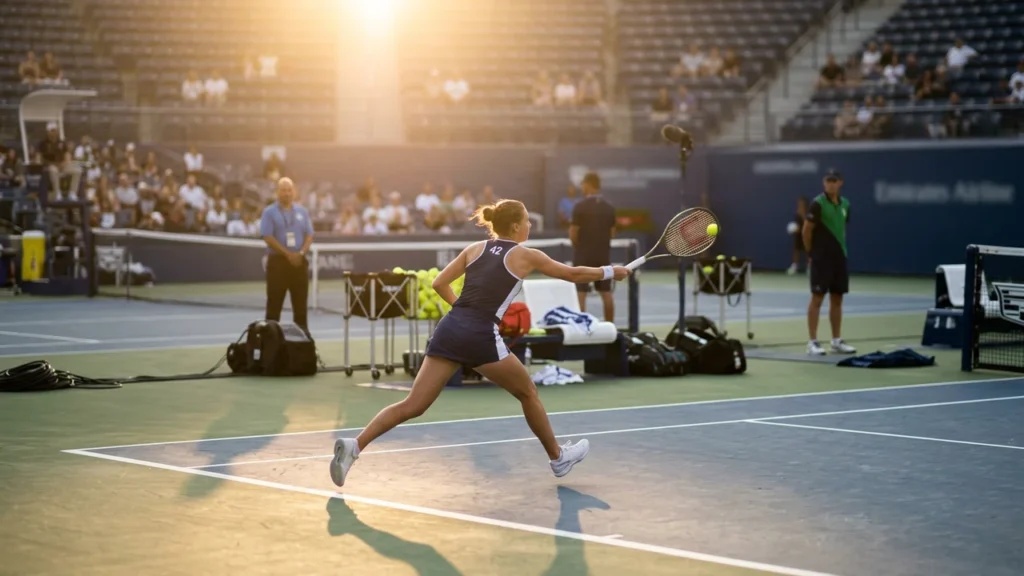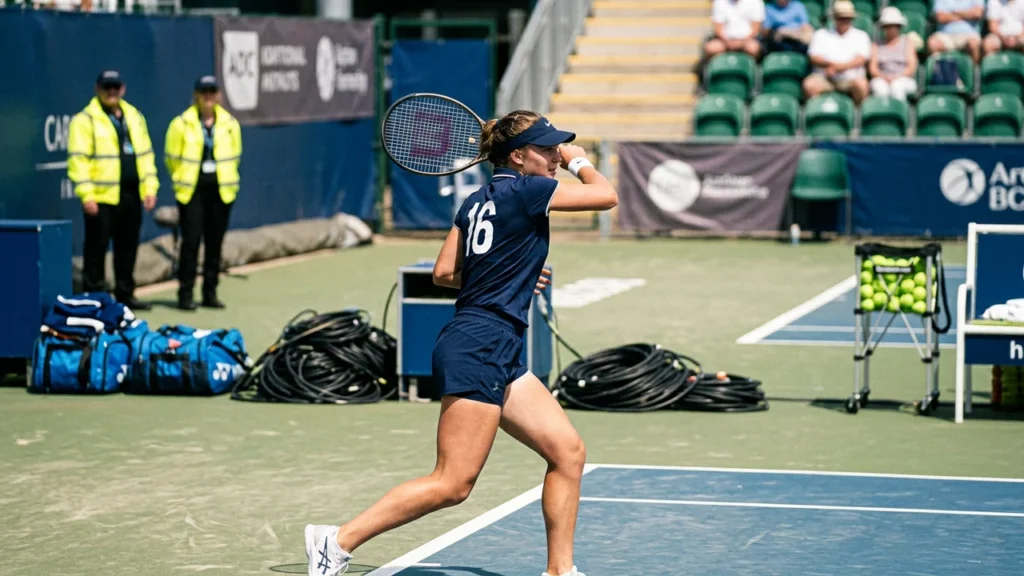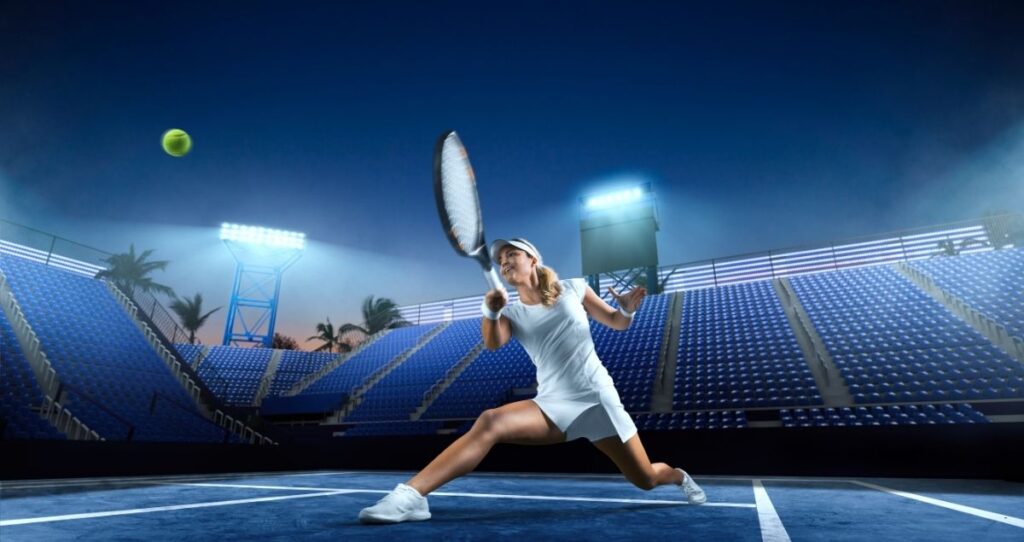
The intense moments of a tennis match often boil down to a handful of pivotal points where champions are truly separated from contenders. Tiebreaks represent these high-stakes battles—a concentrated frenzy of nerve, skill, and mental toughness. In the fiercely competitive landscape of the ATP Tour, understanding which top seeds master these pressure-packed scenarios is crucial not only for fans but aspiring players fascinated by the fine margins between victory and defeat.
Tiebreak win percentages among ATP top seeds highlight a fascinating intersection of athletic skill and psychological resilience. Legends like Novak Djokovic and Pete Sampras have solidified their reputations not solely on their overall win-loss records but on their clutch performances during tiebreaks. These micro-battles often illuminate a player’s competitiveness, revealing how effectively they harness power and precision, often wielding brands like Wilson or Babolat rackets that complement their signature plays.
Exploring this domain unveils the nuanced strategies and equipment choices—whether it’s Nike’s cutting-edge apparel providing freedom of movement or Adidas court shoes offering impeccable grip—that frame the modern game’s intensity. For tennis enthusiasts keen to elevate their own play, grasping these tiebreak dynamics is a gateway to mastering pressure and honing the mental game, as outlined in resources like tennisguide.net’s comprehensive Mental Toughness Circuit.
This article navigates through the top tiebreak performers past and present, dissecting their psychological edge, serve techniques crucial for clutch points, and how emerging stars like Carlos Alcaraz or Jannik Sinner compare to long-standing champions. It also highlights tactical evolutions in tiebreak scenarios and how elite players leverage gear from brands including Head, Yonex, and Prince to sharpen their edge—a crucial factor in modern tennis success.
Whether you’re a new fan soaking up tennis theory or a seasoned spectator hungry for nuanced tournament insights, unraveling the psychology and statistics behind tiebreak victories offers a richly textured view into why certain players thrive when it matters most.
Decoding Tiebreak Win Percentages Among ATP Top Seeds
In tennis, a tiebreak is a condensed war of every shot preceding the turning point, sweeping aside long rallies for quick-fire precision. The ATP’s top seeds often showcase not only physical prowess but a unique psychological grit evident in their tiebreak win percentages. The stakes are immense: a single mini-set can define outcomes, trigger momentum shifts, or shatter the resolve.
The top echelons of tennis are home to players who have transformed these moments into fortresses. Novak Djokovic stands out, boasting a staggering 66.3% tiebreak win rate over 504 tie-breakers—a testament to his inimitable mental strength and clutch gameplay. Meanwhile, John Isner owns the record for the most tiebreaks played and won, underlining the endurance and serve dominance characterizing his battles.
To appreciate why these numbers matter, consider how tiebreaks test not just shot-making but your ability to manage adrenaline, keep tactical clarity, and exploit serve advantages. Big servers like Andy Roddick and Pete Sampras have leveraged booming serves paired with sharp volley skills, often using Head or Prince rackets calibrated for maximum spin and pace to impose their will on the tiebreak mini-duels.
- Mental Composure: Players must maintain unwavering focus amid the oscillating crowd noise and pressure.
- Serve Dominance: A powerful and precise serve sets the tone early—brands like Wilson and Babolat offer rackets tailored to enhance this.
- Return Games: Effective reads on opponents’ serves often tip the scale.
- Consistent Shot Selection: Error minimization during these tight points is vital.
- Physical Conditioning: Endurance and agility give players an edge in long, tense matches.
| Player | Tiebreak Win% | Tiebreaks Played | Notable Strength |
|---|---|---|---|
| Novak Djokovic | 66.3% | 504 | Mental toughness, all-around agility |
| John Isner | 61.8% | 700+ | Power serve, endurance |
| Roger Federer | 65.4% | 713 | Elegant shot-making, flawless footwork |
| Pete Sampras | 62.8% | 522 | Big serve, attacking style |
| Andy Roddick | 62.1% | 488 | Powerful serve, aggressive forehand |
Mastering these elements requires a blend of technical skill and psychological resilience. Explorations into tennis scoring etiquette, as detailed by this guide, shed light on the mental frameworks of players during crucial scoring moments, including tiebreakers.
The Psychological Battleground: How Mental Strength Influences Tiebreak Outcomes
Tiebreaks stand as the ultimate courtroom where psychological savviness weighs heavily against technical ability. The pressure cooker environment swiftly magnifies any tentativeness or mental weakness. The elite players’ edge comes from a mastery of their inner game, transforming pressure into opportunity.
Novak Djokovic’s renowned mental toughness often propels him through these critical moments. His ability to remain calm and execute under immense tension distinguishes his play, which often evokes awe and even envy among contemporaries. Conversely, players like Carlos Alcaraz, the prodigious young star, have emerged with 61.1% win rate in tiebreaks, signaling a similar mental fortitude despite relative youth.
The mental battle is framed by preparation techniques that include visualization, routine, and breathing methods—elements amplified in modern training supported by brands like Adidas and Asics, providing players with comfort and stability during high-pressure matches.
- Rituals and Routines: Consistent actions between points to reset mentally.
- Visualization: Mental rehearsal of successful points to build confidence.
- Breathing Techniques: Control heart rate and maintain composure.
- Psychological Coaching: Use of mental trainers and sport psychologists.
- Emotional Regulation: Managing anxiety and focus.
Moreover, accessing comprehensive programs on tennis mental training from sources like tennisguide.net can elevate aspiring players’ capacity to develop composure akin to ATP legends in their own tiebreak confrontations.
| Technique | Description | Impact on Tiebreak Performance |
|---|---|---|
| Pre-Point Routine | Consistent series of actions before serving or receiving serve | Helps maintain rhythm and focus, reducing anxiety |
| Visualization | Imagining successful plays before they happen | Builds confidence and reduces hesitation |
| Controlled Breathing | Deep, rhythmic breathing during breaks | Calms nerves and stabilizes heart rate |
| Mental Reframing | Turning negative thoughts into motivation | Enhances resilience during pressure moments |
Players who master these psychological strategies cut through the tension of tiebreaks, turning what seems a coin toss into a calculated and controlled battle of wills. The next section delves into how serve techniques, powered by biomechanics and guided by brands like Yonex and Prince, anchor many players’ success in these moments.
Serve Strategies in Tiebreaks: The Weapon of Choice for Top ATP Seeds
The serve rapidly emerges as the most potent weapon during tiebreaks, wielded with strategic precision to seize quick points and unsettle opponents. The intersection of biomechanics and tactical acumen is critical, integrating finely tuned serve motions combining speed, spin, and placement.
Big servers like John Isner, known for his towering serves, demonstrate why a strong serve can be decisive. Accessory brands like Wilson and Nike have continually innovated to provide rackets and apparel that improve a player’s kinetic chain during serves—allowing faster swings and reduced injury risk.
Developing a killer serve in high-pressure moments demands attention to every biomechanical detail—from the coil of the shoulder to the snap of the wrist. The mechanics underpinning an effective serve have been explored extensively, revealing how players can increase first-serve percentages and ace rates right when tiebreak stakes skyrocket. Enthusiasts can explore detailed guides on serve biomechanics here: Killer Serve Bio-Mechanics.
- First Serve Precision: Prioritizing accuracy to avoid double faults.
- Serve Variety: Mixing flat, slice, and kick serves to disrupt timing.
- Speed vs. Placement Balance: Finding the sweet spot to pressure opponents.
- Visual Deception: Masking serve intentions to surprise the returner.
- Use of Technology: Modern rackets from Babolat and Head enhance power and control.
| Player | First Serve % in Tiebreaks | Average Serve Speed (mph) | Tiebreak Win % |
|---|---|---|---|
| John Isner | 68% | 128 | 61.8% |
| Roger Federer | 65% | 120 | 65.4% |
| Andy Roddick | 66% | 124 | 62.1% |
| Novak Djokovic | 62% | 114 | 66.3% |
| Pete Sampras | 64% | 122 | 62.8% |
For tennis players aspiring to improve their serving in pressure moments, insights from professional training programs like the Powerful Tennis Serve Tips can be transformational. Combined with tailored gear from industry leaders such as Yonex and Adidas, players can emulate the tactical serve mastery of ATP top seeds.
Emerging Stars and Their Rising Impact on Tiebreak Statistics
The landscape of ATP tiebreak mastery is not static; emerging players are rewriting the narrative with fresh skill sets and mental capabilities. Phenoms like Carlos Alcaraz and Jannik Sinner represent a new wave that combines raw talent with the tactical discipline forged through modern training and informed equipment choices from Asics and Lacoste.
Alcaraz holds a compelling 61.1% tiebreak win rate, showing remarkable poise for someone still climbing the ATP ranks. Sinner is almost neck-and-neck at 60.9%, further signaling a generational shift. Their consistency in pressure points often correlates with rigorous mental and physical training strategies shared in programs like Tennis Playing Levels Progression.
- Adaptive Playstyles: Flexibility to shift tactics mid-tiebreak is essential.
- Endurance Development: Conditioning to sustain physical and mental energy.
- Technological Integration: Using data analytics and wearables to refine strategies.
- Strategic Shot Placement: Targeting opponent weaknesses under pressure.
- Innovative Training Aids: Employing new racket models from Babolat and Wilson.
| Player | Tiebreak Record | Win Rate | Age |
|---|---|---|---|
| Carlos Alcaraz | 69-44 | 61.1% | 21 |
| Jannik Sinner | 81-52 | 60.9% | 22 |
| David Nalbandian | 60-40 | 60% | Retired |
| Guillermo Perez-Roldan | 72-44 | 62.1% | Retired |
Emerging stars bring new energy and styles, challenging the established hierarchy and pushing veterans to evolve. For young players and coaches seeking to harness these learnings, resources like Beginner Tennis Guide and Player Coaches Tour Calendar provide detailed pathways to professional growth.
Gear and Equipment: The Unsung Heroes of Tiebreak Success on ATP Tour
While raw skill and mental toughness dominate the spotlight, the role of tennis equipment in tiebreak victory cannot be overstated. Players rely on trusted brands to maximize their performance under duress. The synergy of apparel, footwear, and rackets influences movement, shot power, and injury prevention—all pivotal when every point counts.
For example, Nike and Adidas outfit many ATP stars, offering breathable, lightweight fabrics that enhance agility and comfort during extended tiebreak duels. On the racket front, Wilson and Babolat consistently push innovation, providing models that combine power and control perfectly suited to high-pressure points.
- Rackets: High-modulus graphite structures for optimized power and maneuverability.
- Shoes: Brands like Asics and Under Armour design soles that balance grip and swift court coverage.
- Apparel: Lightweight, moisture-wicking fabrics help manage fatigue and temperature.
- Customization: Personalized grip and string tension ensure maximum feel and control.
- Innovation Integration: Use of smart sensors for data tracking during training.
| Equipment Type | Preferred Brands | Performance Benefits |
|---|---|---|
| Rackets | Wilson, Babolat, Prince, Head | Enhanced power, spin, control in pressure moments |
| Shoes | Asics, Adidas, Under Armour | Superior grip, agility, injury prevention |
| Apparel | Nike, Lacoste, Adidas | Comfort, moisture management, flexibility |
| Accessories | Yonex, Prince | Customization and data-driven training insights |
For amateur players and seasoned pros alike, understanding the gear that underpins elite performance, particularly in the high-stakes environment of tiebreaks, brings a critical edge. Those keen to find training partners or enter tournaments can start with resources like Find Tennis Partners Near You and Amateur Tennis Tournaments.