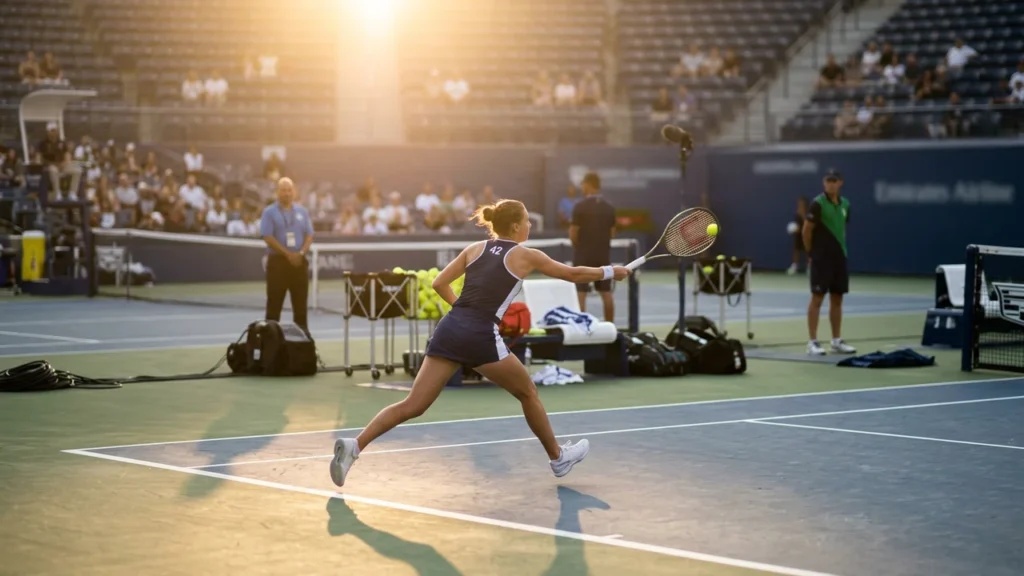
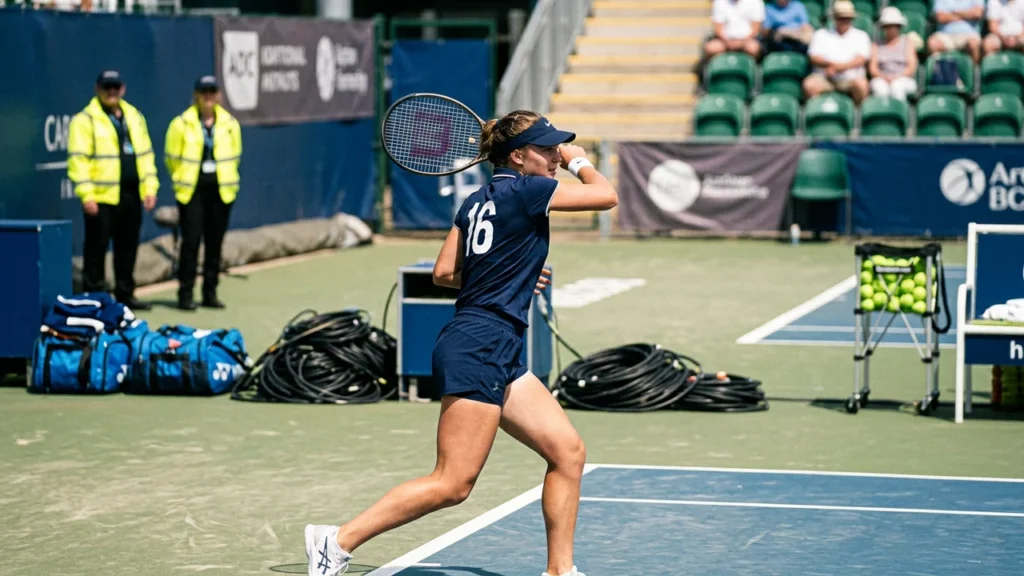
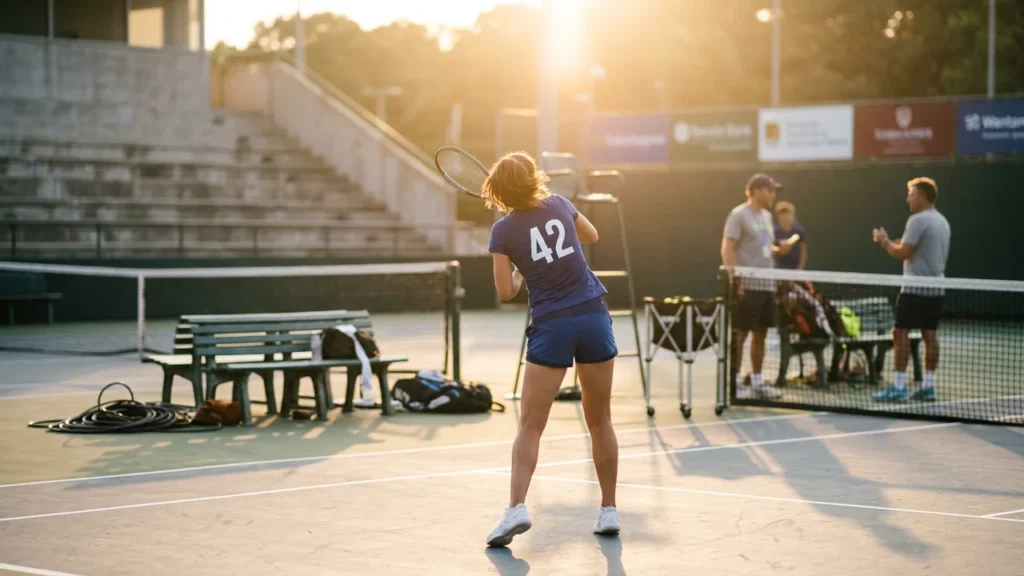
In the dynamic world of tennis, the choice of tennis balls can significantly tilt the balance between a thrilling rally and a frustrating match. With a market flooded by numerous brands and varieties, selecting the most durable tennis ball can feel as challenging as mastering a perfect serve. As performance and playability hinge greatly on the ball’s consistency and stamina, understanding which brands deliver the longest-lasting quality has become essential for players ranging from weekend enthusiasts to competitive pros. Throughout 2025, innovations and sustainable initiatives have reshaped the tennis ball landscape, pushing industry leaders like Wilson, Penn, and Dunlop to refine their offerings and challenge rivals such as Slazenger, Babolat, Head, Prince, Tecnifibre, Tretorn, and Gamma. This exploration delves into the textures, bounces, and endurance of these brands, shedding light on the materials, technology, and environmental considerations that decide a ball’s lifespan on courts worldwide.
Understanding the Longevity of Tennis Balls: Key Factors and Brand Innovations
Durability in tennis balls transcends mere wear and tear; it is a complex interplay of material composition, manufacturing process, and intended use conditions. The essence of tennis balls’ lifecycle pivots on three pivotal aspects: the felt covering, internal pressure, and the external environment.
Felt Quality and Construction: One of the subtle yet defining aspects is the quality of felt enveloping the ball. Brands like Wilson and Penn leverage premium woven felt materials that influence the ball’s ability to retain its fuzziness and tactical feel. For example, Wilson’s US Open balls feature a durable woven felt that doesn’t wear off quickly, ensuring a reliable grip for spin-centric plays.
Internal Pressure and Material Integrity: Pressurized balls, including those offered by Dunlop and Tecnifibre, possess an internal gas charge that contributes to their lively bounce and responsiveness. However, this pressurization also makes them vulnerable to pressure loss after opening, which typically leads to diminishing bounce characteristics after a few games. Conversely, pressureless balls, commonly used for practice sessions, retain their bounce due to their solid rubber core, granting them an extended lifespan but at the cost of feel and playability.
Environmental and Playing Conditions: The surface of play—be it hard court, clay, grass, or synthetic—and external climatic factors notably impact durability. For instance, hard courts are more abrasive, accelerating the wear of the felt and the structural integrity of the ball. This is why Penn’s Tour tennis balls with their exclusive LongPlay felt are engineered specifically for hard courts, promising 19% more surface visibility and enhanced durability. Meanwhile, Wilson’s Triniti balls are designed to endure colder temperatures and incorporate eco-friendly features which additionally prolong their useful life.

Durability Attributes and Innovations by Leading Brands
- Wilson US Open Tennis Balls: Optimal for all skill levels, offering consistent bounce and spin but noted for a higher price point and moderate lifespan typical of pressurized balls.
- Penn Championship Tennis Balls: Provide excellent playability and a slightly longer durability, a strong contender in price-to-quality ratio for various court types.
- Dunlop Tennis Balls: Known for their minimal fluffing and lasting consistency, ideal for beginners and recreational play across all surfaces.
- Penn Tour Balls: Engineered for hard courts, featuring a high-visibility felt that enhances gameplay without compromising endurance.
- Wilson Triniti Balls: A revolutionary eco-friendly option that offers prolonged bounce retention and is tailored for cold weather conditions.
| Brand | Type | Durability | Ideal Court | Approximate Lifespan (Games) |
|---|---|---|---|---|
| Wilson US Open | Pressurized | High | Clay, Carpet | 6-8 |
| Penn Championship | Pressurized | Moderate | All Courts | 5-7 |
| Dunlop | Pressurized | Good | All Courts | 6-8 |
| Penn Tour | Pressurized | Very High | Hard Court | 7-9 |
| Wilson Triniti | Pressurized | Extended | All Courts (Cold Weather Optimized) | 8-10 |
Choosing a ball involves balancing longevity with performance attributes like bounce consistency and spin potential. This matrix highlights that specialized balls like Wilson Triniti extend playability, particularly under challenging weather conditions, while Penn Tour withstands the rigors of hard court assaults with exceptional durability.
Pressurized Versus Pressureless Balls: Which Ensures Longer Life on the Court?
The dichotomy between pressurized and pressureless tennis balls has long been a topic of debate. While pressurized balls dominate professional play, their lifespan is truncated once the seal is broken. Pressureless balls, favored for practice and longevity, compromise on feel and responsiveness but excel in durability.
Pressurized Balls: The vivacity of pressurized balls, notably from brands like Wilson and Penn, results from their internal gas pressure, mimicking the bounce and speed expected in competitive matches. Their felt is engineered for optimal spin and comfort, as seen in the Dunlop balls endorsed by the ATP World Tour. Yet, exposure to atmospheric conditions and regular hits cause a gradual loss of internal pressure, enfeebling performance typically within 2 to 9 days depending on usage intensity.
Pressureless Balls: Produced mainly for practice and beginner use, these balls from Penn and Gamma feature a heavier, solid rubber core. This design weighs down their bounce dynamics but ensures a longer lifespan, often stretching beyond months under controlled use. Their resistance to pressure loss makes them a cost-effective option for training, allowing players to refine strokes with consistent ball behavior.
Comparative Advantages of Each Ball Type
- Training Efficiency: Pressureless balls are ideal for coaching sessions and beginners due to their prolonged durability.
- Match Preparedness: Pressurized balls are standard for tournaments, offering true-to-game playability and enhanced spin control.
- Cost Considerations: Pressureless balls offer savings over extended use but require an adaptation to feel; pressurized balls, while pricier, deliver superior match conditions.
| Ball Type | Longevity | Playability | Best Use Case | Price Range |
|---|---|---|---|---|
| Pressurized | Short (Few Days) | High (Spin and Bounce) | Competitive Matches | $$$ |
| Pressureless | Long (Weeks to Months) | Moderate (Heavier Bounce) | Practice and Beginners | $ |
Professional players seeking optimal performance gravitate towards pressurized balls, but for consistent training and extended use, the pressureless variety remains unmatched in durability. Understanding this balance allows players and coaches to tailor their choices to both skill development and match requirements. Interested readers seeking to enhance their tennis tactics and durability of their gear can explore insights on serve and return routines and grip durability and comfort.
Best Tennis Balls by Court Surface: Matching Ball Types and Brands to Playing Conditions
The choice of tennis ball is inextricably linked to the surface type, as each court presents unique challenges to the ball’s integrity and behavior. Selecting the right ball for grass, clay, hard, or synthetic courts is crucial to optimizing game style and ball longevity.
Clay Courts: Known for their softer and slower surfaces, regular duty balls are preferred here. Brands like Slazenger and Wilson offer balls with thinner felt that interact smoothly with the granular surface while minimizing wear. Their pliability also reduces ball abrasion, extending the play life during multi-set matches.
Hard Courts: Hard courts aggressively wear down tennis balls due to their unforgiving surface. Extra-duty balls from Penn and Dunlop exhibit thicker, more durable felt to resist abrasion and preserve responsiveness. The Penn Tour tennis balls excel here with their LongPlay felt, enhancing both durability and visibility under bright stadium lights.
Grass Courts: Natural grass courts demand stain-resistant and moisture-repellent balls. Brands such as Babolat and Tretorn craft balls with water-resistant coatings and premium felt to avoid sogginess and maintain consistent bounce during damp or dewy conditions. The reduced fuzz also helps preserve the court’s natural state.
Synthetic Courts: These versatile courts may blend hardness and softness, often requiring all-court balls from brands like Head and Prince. These balls balance durability with bounce to complement the hybrid nature of synthetic materials.

Summary List: Best Ball Choices by Surface
- Clay: Wilson US Open, Slazenger Elite, Babolat Team
- Hard: Penn Tour, Dunlop Extra Duty, Wilson Triniti
- Grass: Babolat Premium, Tretorn Micro X, Slazenger Wimbledon
- Synthetic: Head Championship, Prince Classic, Tecnifibre ATP
| Surface | Recommended Ball Type | Key Features | Top Brands |
|---|---|---|---|
| Clay | Regular Duty | Soft felt, less abrasive | Wilson, Slazenger, Babolat |
| Hard | Extra Duty | Thicker felt, high durability | Penn, Dunlop, Wilson |
| Grass | Water-resistant | Stain-resistant, firm | Babolat, Tretorn, Slazenger |
| Synthetic | All Court | Balanced wear and bounce | Head, Prince, Tecnifibre |
Choosing the appropriate tennis ball for a specific surface directly affects ball life and player strategy. The synchronization of ball type and court characteristics allows players to maintain aggressive yet controlled rallies while preserving the longevity of their equipment. This knowledge pairs well with mastering the fundamentals and advanced strokes found in resources like tennis techniques and tactics.
Economic and Environmental Impact on Tennis Ball Selection in 2025
In addition to performance, economic and environmental factors increasingly influence choices around tennis balls. The rising demand for sustainability in sports gear has pushed leading brands to innovate in packaging and materials without compromising durability and playability.
Economic Considerations: Affordability remains a top priority for many players. While premium brands like Wilson and Penn provide superior performance, their higher cost can be a barrier for frequent recreational players. Alternatives from Prince, Tretorn, and Gamma offer more budget-conscious options with diminishing returns seen mostly in shorter ball longevity and slightly reduced playability. For those on a tight schedule, pressureless balls from Penn provide long-term value for repetitive drills.
Environmental Innovations: Wilson’s Triniti line stands as a trailblazer, utilizing fully recyclable packaging and balls made with sustainable materials. This approach aligns with 2025’s global push for eco-friendly sports equipment. Each purchase contributes a portion of profit towards worldwide sustainability efforts, reflecting a commitment to responsible manufacturing.
Other brands, including Tecnifibre and Babolat, follow suit with emerging eco-friendly lines, experimenting with organic felt blends and minimal plastic use. These initiatives reflect a broader trend of integrating environmental consciousness with professional sports demands.
Factors to Evaluate When Considering Economics and Ecology
- Cost-performance balance aligned with playing frequency and skill level.
- Longevity of the ball reducing recurring expenses and waste.
- Brand’s commitment to sustainable manufacturing and packaging.
- Availability of eco-friendly ball lines compatible with competitive play.
| Brand | Eco-Friendly Features | Price Range | Durability | Performance Level |
|---|---|---|---|---|
| Wilson Triniti | 100% recyclable packaging, sustainable materials | Premium | Extended | Competitive and Training |
| Tecnifibre | Organic felt blends, reduced plastics in packaging | Mid to Premium | High | Advanced players |
| Babolat | Eco-conscious ball lines in development | Mid | Moderate | Recreational to Competitive |
| Penn | Standard packaging, exploring sustainable options | Budget to Mid | Moderate | All skill levels |
| Prince | Some recyclable packaging | Budget | Moderate | Beginner to Intermediate |
As players grow more conscious of their environmental footprint, the demand for sustainable tennis balls continues to rise, merging ethical considerations with sporting excellence. Choosing eco-friendly options dovetails nicely with eco-conscious tennis gear practices recommended in plastic-free tennis initiatives and broader environmental guides.
Expert Tips on Maximizing Tennis Ball Life and Performance
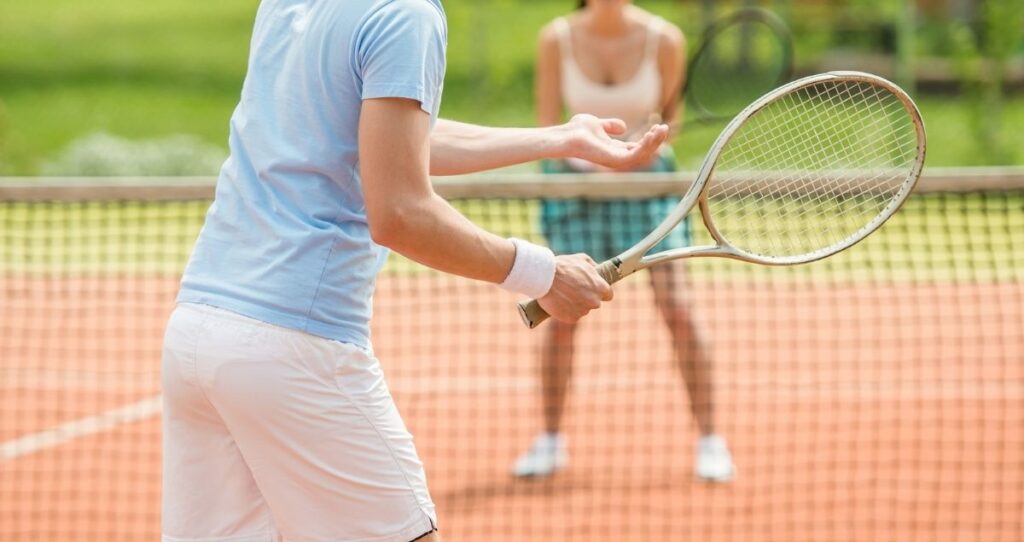
Extending the lifespan of tennis balls is crucial not only for economic reasons but also to maintain the rhythm and quality of play. Beyond choosing the right brand and type, strategic storage and handling can dramatically affect longevity.
Storage Recommendations: Keep balls in their sealed cans as long as possible to preserve internal pressure. Avoid exposing cans to extreme temperatures or sunlight, as heat accelerates pressure loss and felt degradation. Using airtight containers after opening can prolong freshness.
Usage Patterns: Rotating balls during practice sessions can even out wear, and pairing newer balls with slightly used ones avoids performance dips mid-game. Selecting balls based on court surfaces, as discussed earlier, lessens surface-induced damage, further extending usability.
Practical Maintenance: Regularly cleaning balls to remove dirt and moisture enhances felt quality and consistency in bounce. Players should also consider upgrading their racquets with appropriate string tension and grip combinations to match ball performance and reduce wear on equipment, thus influencing overall gameplay.
Checklist for Prolonged Ball Performance
- Store unopened balls in cool, dark environments.
- Use airtight containers once opened.
- Rotate between multiple cans during practice or match play.
- Match ball type to court surface to minimize wear.
- Maintain racquet equipment for balanced interaction with the ball.
| Maintenance Aspect | Action | Expected Benefit |
|---|---|---|
| Storage | Keep balls sealed and cool | Prolongs internal pressure |
| Rotation | Alternate ball use during sessions | Even wear and consistent play |
| Cleaning | Remove dirt/moisture regularly | Preserves felt quality |
| Equipment Matching | Use appropriate racquet strings and grips | Optimizes ball response and reduces ball damage |
Employing these simple yet effective strategies will help players maintain optimal ball performance longer, ultimately contributing to enhanced gameplay and game satisfaction. For players looking to refine their power and precision further, dedicated resources such as tennis exercises for strength and agility provide invaluable guidance.