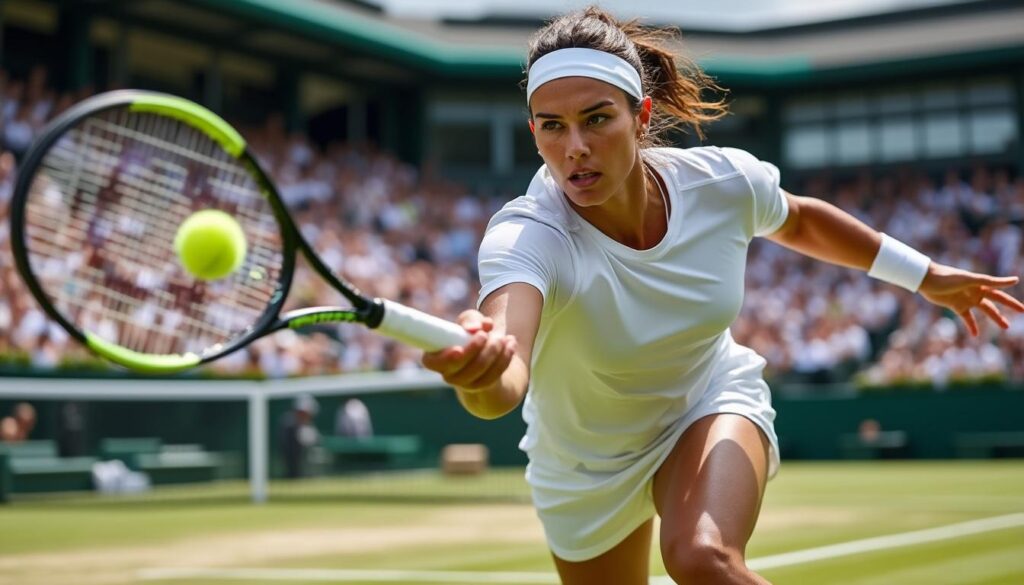
Reaction speed can make or break the momentum in any fast-paced sport, especially tennis. It’s the difference between seizing an explosive volley or scrambling helplessly behind the baseline. Training this elusive skill doesn’t require fancy machines—just a keen eye, a swift mind, and simple tools like cones and a dedicated partner. These elements combine to forge drills that ignite reflexes and sharpen responsiveness. In 2025, cutting-edge brands such as Nike, Under Armour, adidas, and SKLZ have all embraced this approach, providing gear and programs that enhance agility and reaction training.
Whether you’re a beginner seeking foundational speed or an enthusiast hungry to outpace your competition, mastering reaction drills with partners and cones pushes athleticism to new heights. Around the world, players adopt these highly adaptable methods, combining visual stimuli, cognitive challenges, and explosive movements in fluid sequences. This dynamic training not only builds technical prowess but also delivers that emotional adrenaline rush every player craves—transforming raw speed into game-winning precision.
From the rhythmic footwork taught through ladder drills to unpredictable cone patterns mimicking match conditions, the journey to sharpen reaction speed is a thrilling blend of brain and brawn. Let’s explore essential drills, performance metrics, and how to design smart routines that empower athletes to thrive in the heat of competition.
Understanding the Essentials of Reaction Speed in Partner and Cone Drills
Reaction speed transcends simple sprinting. It involves immediate recognition and rapid execution triggered by a stimulus—often visual or auditory—that demands a swift, precise response. This skill is a cornerstone for tennis players maneuvering unpredictable rallies or defending against sudden attacks. The magic happens at the intersection of neuromuscular coordination, visual processing, and split-second decision-making.
Neuromuscular coordination harmonizes muscular response with nerve signals, enabling smooth, explosive movements when reacting to a partner’s call or a moving cone pattern. For instance, a partner suddenly shouting “left” during a cone drill forces an instantaneous shift in balance and direction—a real test of this coordination.
Visual processing speeds up the interpretation of on-court situations. Engaging in drills where cones light up or where a partner switches directions unpredictably elevates the brain’s ability to read scenarios and prime the body accordingly. Technologies like BlazePod combine these elements, using lighted pods that flash in random sequences, compelling rapid, sharp reactions during training.
Decision-making under pressure shapes the athlete’s ability to act with precision and confidence. When a partner calls out commands out of rhythm or throws variable passes to cones laid in diverse patterns, athletes learn to read cues quickly and adapt instantly. This practice mirrors real match stress, training athletes to maintain composure while reacting with speed.
- Neuromuscular coordination: Improving muscle and nerve connection for swift movement.
- Visual processing: Enhancing the brain’s speed in interpreting stimuli.
- Decision-making speed: Training rapid, confident responses under pressure.
| Component | Role in Reaction Speed | How Cones and Partner Drills Help |
|---|---|---|
| Neuromuscular Coordination | Allows seamless movement following stimulation | Partner calls and sudden directional cones enhance muscle readiness |
| Visual Processing | Quick recognition of stimuli | Random cone patterns and light-up pods train visual acuity |
| Decision-Making | Immediate judgment and action | Unpredictable partner cues prompt fast, correct responses |
Top Reaction Speed Drills with Partners and Cones to Amplify Agility
Creating a training environment that mimics the chaotic pace and direction changes of tennis matches requires blending agility with reactive drills. Here are fundamental drills that athletes leverage to build lightning-fast reflexes:
Ladder and Cone Hybrid Drills
Combining ladders and cones challenges foot speed and directional reactions simultaneously. An example drill involves sprinting through a ladder pattern, then reacting to a partner’s call to sprint toward a specific cone. This elevates lower limb quickness while demanding fast cognitive shifts.
4-Cone Reaction Drill
Set four cones in a square or diamond formation. The partner calls out a cone number or color, and the athlete must sprint or shuffle quickly to that cone. This drill demands quick visual processing and explosive movement. It mimics the short bursts and lateral movement tennis demands, offering invaluable on-court translation.
Mirror Drill with Cones and Partner
One player leads unpredictable movement patterns around cones while the other mirrors, maintaining close proximity and quick reflexes. This drill sharpens anticipation and reactive balance, crucial for tennis players reacting to opponents’ body language and shots.
Color-Coded Cone Reaction
Using multi-colored cones corresponds with partner commands. For example, the partner shouts “red,” and the athlete accelerates towards the red cone after a quick initial stance. This method boosts cognitive recognition speed and physical reaction, nicely blending brain and body training.
- Ladder & Cone Hybrids: Boost footwork and cognitive switching.
- 4-Cone Reaction: Simulate sudden on-court directions.
- Mirror Movement: Enhance anticipation through mimicry.
- Color-Coded Drills: Accelerate cognitive and motor coordination.
| Drill | Focus Area | Equipment | Key Benefit |
|---|---|---|---|
| Ladder and Cone Hybrid | Foot speed + reaction | Agility ladder, cones, partner | Improves fast directional change with cognitive stimulus |
| 4-Cone Reaction | Explosive lateral movement | Four cones, partner instructions | Mimics court movements, sharpens spatial awareness |
| Mirror Drill | Anticipation and balance | Cones, partner | Develops reactive timing and mimicking skills |
| Color-Coded Cone Drill | Cognitive speed + agility | Colored cones, partner cues | Enhances brain-body synchronization |
Brands like Franklin Sports and Baden Sports offer versatile cones and equipment designed precisely for these drills, enabling quick set-up and durable training solutions. Incorporating products from Power Systems and Gopher Sport can also enhance the variety and intensity of reaction speed workouts.
Tracking and Measuring Reaction Speed Progress with Precision Techniques
Improvement cannot be sculpted without measuring current capability and monitoring growth. Several methods help athletes measure their reaction speed reliably:
- Stopwatch and Partner Drop Test: The classic test where a partner releases a ball from shoulder height, and the athlete catches it to measure the speed of the response.
- Reaction Light Systems: Devices such as BlazePod illuminate randomly, requiring the athlete to react by tapping or moving towards the light, measuring reaction time in milliseconds.
- Mobile Apps and Computer Tests: Digital platforms offer tests involving visual or auditory stimuli, recording reaction time and providing detailed progress analytics.
- Field Reaction Drills: Timed cone drills where the athlete must respond to unpredictable cues—e.g., whistles or partner commands—merging reaction speed with movement efficiency.
| Technique | Measure Type | Required Equipment | Pros | Cons |
|---|---|---|---|---|
| Stopwatch & Ball Drop | Simple reaction time | Stopwatch, partner, ball | Easy and accessible | Less precise, human error possible |
| Reaction Light Systems | Visual stimulus response | BlazePod or similar devices | Highly accurate, customizable drills | Higher cost |
| Mobile Apps | Visual and auditory reaction | Smartphone or tablet | Affordable, convenient, data tracking | Dependent on device sensitivity |
| Field Reaction Drills | Integrated reaction and movement | Cones, stopwatch, partner | Real-world application, holistic | Requires consistent conditions |
The reliability of these measurement tools allows athletes and coaches to assess performance trends and tailor drills accordingly. For those looking to improve tennis-specific footwork and reaction, references such as tennis footwork and agility ladder drills are invaluable for sharpening both reaction speed and sport-specific skill sets.
Designing Efficient Training Regimens to Integrate Partner and Cone Reaction Drills
Crafting a sustainable, targeted practice schedule catalyzes consistent growth in reaction speed. Consider these key strategies for integrating drills into your weekly routine:
- Set precise objectives such as enhancing initial court acceleration, lateral speed, or cognitive reaction under pressure.
- Alternate drill types throughout the week; for example, focus on ladder drills and sprint starts one day, then 4-cone reaction and mirror drills another.
- Warm-up thoroughly before each session with light jogging and dynamic stretches, supported by mobility exercises per tennis mobility and stretching guidelines.
- Progressively increase complexity and intensity to avoid plateauing, such as reducing reaction time allowed or increasing cone distances.
- Rest and recovery are just as vital; incorporate injury prevention protocols focusing on muscle balance and shoulder stability.
- Track performance meticulously using stopwatches, apps, or partner feedback to chart improvement.
Integrating brands like Pro Agility in your gear choices can enhance training comfort and effectiveness, offering footwear optimized for quick stops and bursts on the court. The famed tennis routines of players such as Serena Williams, which emphasize reaction training and core work, underscore the necessity of combining drills with strength and conditioning. Resources such as Serena Williams training routine provide inspiring frameworks blending agility and reaction speed components.
| Day | Focus | Example Drills | Rest / Notes |
|---|---|---|---|
| Monday | Foot speed and quick footwork | Ladder drills, sprint starts | Active rest light jogging |
| Wednesday | Reaction & decision making | 4-cone reaction, partner mimic drill | Stretch & mobility focus |
| Friday | Combination drills | Ladder & cones hybrid, mirror drill | Prevention exercises |
Maximizing Performance and Building Competitive Edge with Reaction Speed Training
Elite tennis players appreciate that reaction speed training is about more than raw speed—it’s the blend of agility, anticipation, and sustained mental focus when the heat is on. The intensity of competition pushes athletes to adapt swiftly to opponents’ strategies, making reaction drills with partners and cones indispensable.
Consider the recent success stories of players turning points at major tournaments. For example, detailed analysis of the match between Osaka and Collins highlighted how superior reaction speed and agility enabled key breakthroughs during critical rallies (Osaka Collins Match Analysis). Similarly, Aryna Sabalenka’s momentum at the WTA Finals owed much to relentless reaction and footwork training (Sabalenka Momentum WTA Finals).
Additionally, in-doubles dynamics thrive on rapid reaction and communication drills, intensifying the demand for synchronized movement and instantaneous decision skills (Doubles Drills on Movement and Communication). These situations demonstrate how reaction speed is the fulcrum of many tactical plays.
- Incorporating HIIT reaction drills improves endurance and transient explosiveness, critical during long rallies.
- Using specialized equipment like SKLZ reaction trainers or BlazePod enhances training variability and engagement.
- Studying elite routines offers insights into blending reaction training components with strength and focus.
- Cross-training with plyometrics and coordination drills builds the foundation for explosive strength and sustained agility.
Developing this skill is both art and science. By transforming the court into a dynamic reaction training arena with the right drills and partners, athletes sharpen their edge and create memorable, thrilling moments.