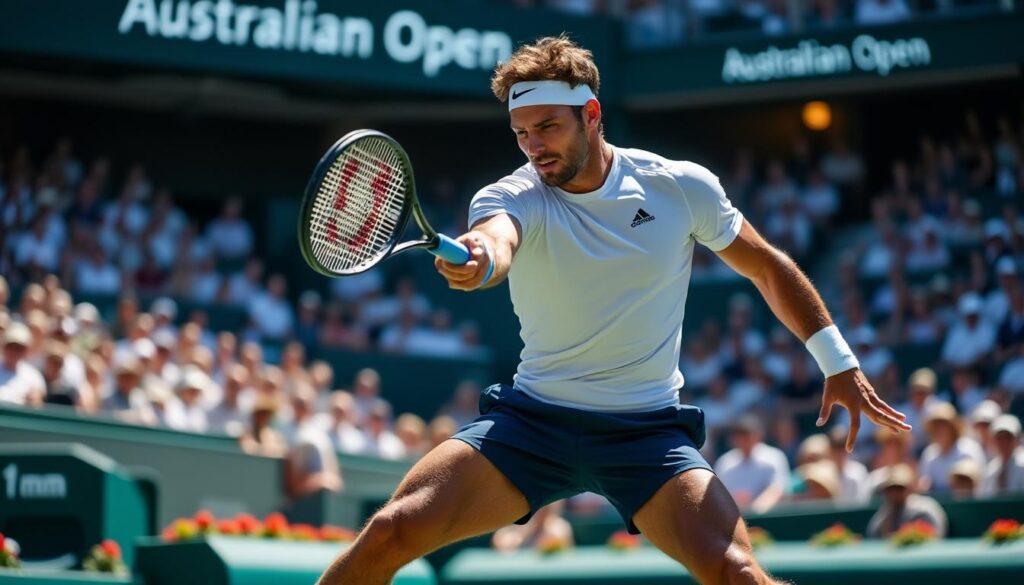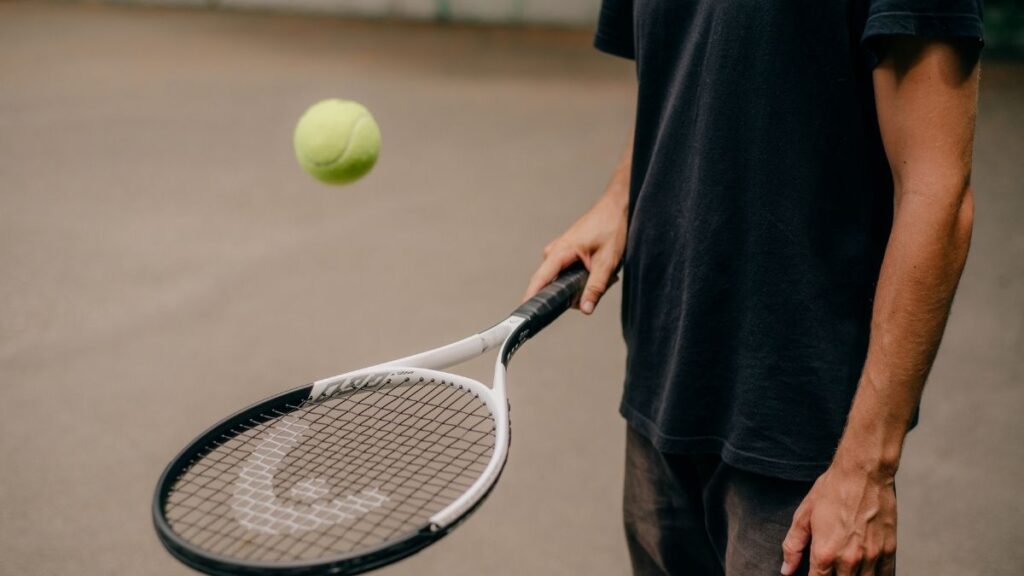
Choosing the right tennis racquet is an art and science combined—a strategic balance between swiftness and strength, control and comfort. For players who crave the nimbleness that only a lightweight racquet provides but fear sacrificing the explosive power behind their shots, the question becomes: how can one strike the perfect balance? In the high-octane world of tennis, where every millisecond and ounce counts, selecting a racquet that is both feather-light and power-packed becomes an essential game-changer. This guide explores the critical factors that empower players to wield a racquet capable of thrilling strokes and persistent endurance, without being bogged down.
Every stroke, from baseline rallies to net volleys, demands precision equipment. Yet beneath the buzz of manufacturers and the allure of star-endorsed gear, lies a fundamental truth—performance hinges on specifications tuned to the individual’s style, not on flashy marketing. As brands such as Babolat, Wilson, Head, and Yonex continue to innovate, understanding the core principles behind racquet weight, balance, string patterns, and head size is vital. Whether a beginner discovering their tennis passion or an experienced enthusiast refining their arsenal, this insight will navigate through myths and facts, delivering clarity on how to harness power without surrendering agility.
Through vivid examples, expert recommendations, and the latest gear trends, this article reveals how players can command the court with a racquet that complements body mechanics, playing style, and technique, all while reflecting the pulsating energy and drama that make tennis an unforgettable pursuit.
- Understanding the interplay between racquet weight and power delivery
- Key specifications and their impact on lightweight racquet performance
- Differentiating racquets for beginner, intermediate, and advanced players
- Recommended racquet models from top brands for a perfect power-weight balance
- Smart modifications to customize racquet feel without compromising strength
Understanding the Science Behind Lightweight Tennis Racquets and Power Retention
The quest to wield a lightweight tennis racquet without losing power pivots on the physical dynamics of racquet design. Power in tennis isn’t just about brute force; it’s about effective energy transfer, racquet control, and minimizing fatigue over extended play. When a racquet is too light, it often sacrifices stability at impact, making shots feel less solid and harder to direct with confidence.
Physics dictates that racquet weight contributes significantly to momentum, which is the product of mass and velocity. A heavier racquet, swung at the same speed as a lighter one, will naturally impart more force on the ball. However, heavier racquets can be sluggish, challenging players’ maneuverability and stamina, especially in rapid exchanges.
This delicate balance is why many players opt for medium-weight racquets, but innovations in materials and construction now offer players a chance to enjoy the best of both worlds: the agility of lightweight frames combined with power-enhancing technology.
Material Innovations That Enhance Power in Lightweight Racquets
In recent years, manufacturers such as Head have pioneered ultra-light nano carbon frames that reinforce stiffness without burdening the racquet with extra weight. This stiffness allows for greater energy return upon ball contact, translating to increased power. Similarly, Wilson’s Countervail technology absorbs vibration and enhances comfort, permitting players to swing confidently at higher speeds.
Brands like Babolat and Yonex integrate advanced graphite composites, blending high tensile strength fibers that optimize strength-to-weight ratio. These fibers reduce frame flex, improving shot accuracy and power. The Prince and Dunlop lines also offer racquets crafted with multi-material layers, enhancing responsiveness and durability.
Understanding these materials and how they impact racquet feel reveals why a well-engineered lightweight model can achieve performance levels once reserved for heavier racquets.
Key Specifications Linking Weight and Power
- Balance Point: Head-light racquets distribute more mass towards the handle, enhancing control and maneuverability without compromising the power generated from the racket head at impact.
- Frame Stiffness: Increased stiffness results in less frame flex, conserving more energy to propel the ball forward. Stiffer frames are associated with enhanced power but may transmit more shock to the arm.
- Head Size: Larger head sizes (100-110 square inches) increase the sweet spot, affording more forgiveness and power on off-center hits but can lessen control.
- String Pattern: Open patterns (16×19) allow more string movement, enhancing spin and power. Denser patterns increase durability and control but may reduce power slightly.
- Racquet Weight: Lightweight racquets range from 8 to 10.5 ounces. The goal is to strike a balance where the racquet feels light to maneuver but retains enough mass to create powerful shots.
| Specification | Impact on Lightweight Racquet Power | Examples of Enhanced Features |
|---|---|---|
| Weight (8-10.5oz) | Easier swing speed and acceleration | Modern graphite composites, carbon nanotubes |
| Balance (Head Light) | Improved control and maneuverability without heavy feel | 5-12 point head light designs |
| Stiffness (60-70 RA) | Better energy transfer, higher shot power | Ultra-stiff frames with vibration dampening tech |
| Head Size (100-110 sq. in.) | Larger sweet spot for power and forgiveness | Oversize head designs from Wilson, Babolat |
| String Pattern (16×19) | Spin generation and power boost | Open string patterns on Babolat Pure Aero, Head Graphene Touch |
Players eager to learn more about racquet specs and their role in play dynamics can explore comprehensive guides such as tennis racquet specs insights which decode how these factors intertwine to shape performance.
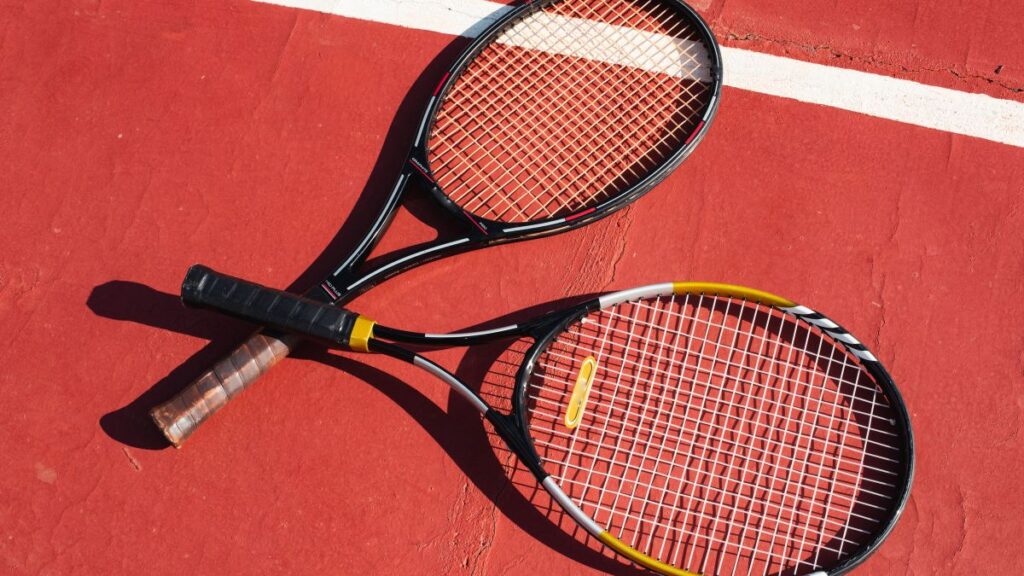
Differences Among Beginner, Intermediate, and Advanced Lightweight Racquets and Their Effect on Power
Picking a lightweight racquet often depends heavily on the player’s skill level. Beginners usually require a different balance of power and control compared to experienced players who demand precision and feel. The racquet’s specifications evolve accordingly.
Beginner Lightweight Racquets: Prioritizing Power and Forgiveness
For newcomers, lightweight racquets with larger head sizes and open string patterns are most forgiving. Oversize racquets between 107-110 square inches such as those offered by Slazenger and Tecnifibre provide an enlarged sweet spot, helping beginners generate power effortlessly even with shorter swings.
These racquets generally weigh around 8.5 to 9.5 ounces and boast head-heavy balances to add momentum behind shots. Although head-heavy can strain the arm over time, careful beginners gradually build strength while appreciating the power boost.
- Enhanced power with less effort for developing players
- Forgiving sweet spot to mitigate mishits
- Light enough to encourage full swings without fatigue
- Examples include Tecnifibre T-Fight 300 and Prince Warrior 100L
Intermediate Lightweight Racquets: Balanced Power and Control
Intermediate players demand racquets that blend power with improved control and feel. Medium weights from 9.5 to 10.5 ounces are designed with a slight head-light balance for better maneuverability. Brands like Wilson Blade, Head Graphene Touch Instinct MP, and Dunlop FX series offer such options, featuring mid-plus head sizes around 98-104 square inches.
These racquets empower players with respectable power levels while enhancing precision, supporting developing shot variety and consistency essential at this stage.
- Balanced weight promotes stamina and shot accuracy
- Mid-plus head size aligns sweet spot with proficient shotmaking
- Open to semi-dense string patterns enable varied spin and control
- Recommended choices: Wilson Blade SW104, Head Graphene Touch Instinct MP
Advanced Lightweight Racquets: Maximum Control with Sufficient Power
Top-tier players lean towards racquets weighing between 10.5 to 11.5 ounces with smaller head sizes (95-100 square inches) and rigid frames. The focus shifts heavily towards control, allowing skilled players to dictate ball placement and spin with precision.
Yonex EZONE DR 98, Babolat Pure Strike, and ProKennex Kinetic series represent models balancing weight distribution and stiffness for elite performance. The smaller head size grounds control, while the racquet’s overall weight preserves power generated through advanced technique.
- Heavier but balanced weight maximizes stability and shot feel
- Tight string patterns sharpen placement accuracy
- Optimized for fast swing players who generate their own power
- Examples: Yonex EZONE DR 98, Babolat Pure Strike 98
| Player Level | Weight Range | Head Size | Balance | Power vs Control |
|---|---|---|---|---|
| Beginner | 8.5 – 9.5 oz | 107 – 110 sq. in. | Head Heavy | High Power, Forgiving |
| Intermediate | 9.5 – 10.5 oz | 98 – 104 sq. in. | Slight Head Light | Balanced Power and Control |
| Advanced | 10.5 – 11.5 oz | 95 – 100 sq. in. | Head Light | Control Focused with Adequate Power |
Understanding the optimal racquet class for your skill level can accelerate progress—reliable advice and detailed overviews enhance player choices, as discussed in the comprehensive racquet selection guide.

Top Lightweight Tennis Racquets of 2025: Leading Models Offering Power without Extra Weight
Researching the perfect racquet can be overwhelming given the plethora of brands and models flooding the market. However, in 2025, several racquets stand out for their smart balance of lightweight design and power optimization, each lauded for unique characteristics in the power vs maneuverability trade-off.
Babolat Pure Aero: Spin and Power Specialist
The Babolat Pure Aero delivers exceptional spin capabilities with a 16×19 string pattern, 100 square inch head size, and a weight of approximately 300g (about 10.6 ounces). Its aerodynamic frame allows for quick racquet head speed without sacrificing stability, ideal for players who want heavy topspin and punch.
Built with the latest graphite composites and integrating the Cortex Pure Feel vibration dampening system, it significantly reduces arm shock. This racquet has become popular among aggressive baseline players and is often seen in top player bags.
Wilson Blade SW104: Precision Meets Power
Targeting intermediate to advanced players, the Wilson Blade SW104 offers a 104 square inch hitting surface with a 306g frame, balanced with slightly head-light specifications to maximize maneuverability. Its Control Foam technology inside the frame enhances precision and power control.
The Blade series has been a go-to for players seeking aggressive shotmaking coupled with deft control at the net and baseline.
Head Graphene Touch Instinct MP: Versatile Player’s Choice
Featuring a 100 square inch head and 300g weight, the Head Graphene Touch Instinct MP is a light racquet emphasizing smooth feel and solid power. It’s designed with Graphene Touch material for vibration absorption and shock mitigation, perfect for longevity and comfort during extended play.
This racquet suits players wanting a balance of spin, power, and comfort without fatigue.
| Model | Weight | Head Size | String Pattern | Key Feature |
|---|---|---|---|---|
| Babolat Pure Aero | 300g (10.6 oz) | 100 sq. in. | 16×19 | Spin-focused aerodynamic frame |
| Wilson Blade SW104 | 306g (10.8 oz) | 104 sq. in. | 18×20 | Control Foam technology |
| Head Graphene Touch Instinct MP | 300g (10.6 oz) | 100 sq. in. | 16×19 | Graphene Touch shock absorption |
| Yonex Ezone DR 98 | 310g (10.9 oz) | 98 sq. in. | 16×19 | Power and control hybrid |
| Prince Phantom 100X | 300g (10.6 oz) | 100 sq. in. | 16×18 | Flexible feel and response |
Players interested in discovering more recent model reviews and updates can visit in-depth resources such as ongoing racquet brand highlights for a wide perspective on performance trends.

Customizing Your Lightweight Racquet: Modifications to Enhance Power without Adding Excess Weight
Once a racquet is chosen, players often seek subtle tweaks to further tune power and feel without undermining the lightweight benefits. Several customization methods give fine control over this balance.
Using Lead Tape Strategically
Lead tape is a versatile addition that can be applied in small quantities in specific areas—the racquet head, throat, or handle—to subtly adjust swing weight and balance. Adding tape around the head increases power and stability but risks a heavier feeling, whereas taping the handle improves control and maneuverability.
The key is incremental application and testing to maintain a racquet weight close to the player’s comfort zone. Diligent players often experiment using swing weight scales or demo sessions, adjusting for different court surfaces or opponent styles.
Choosing Strings and String Tension for Power Optimization
String selection and tension tuning directly impact power delivery. Softer strings like multifilament or polyester blends provide more trampoline effect, enhancing shot depth and velocity. Lower tension increases string bed elasticity, further boosting power but possibly sacrificing control.
Brands like Tecnifibre and Volkl offer a range of strings engineered for dynamic playstyles. Players are advised to balance tension carefully—too loose may reduce accuracy, too tight can dampen power.
Grip Size and Swing Dynamics
An underrated factor, grip size affects racquet handling and stroke fluidity. A grip too large restricts wrist snap, reducing shot acceleration and spin potential, while a grip too small can increase injury risk and decrease control. Measuring hand size and testing multiple grips ensures confident swings that translate into powerful shots effortlessly.
- Apply lead tape in 1-gram increments, testing balance after each addition
- Experiment with string types from brands like Volkl or Tecnifibre for desired power-spin tradeoff
- Confirm optimal grip size for enhanced swing speed and injury prevention
- Consult professionals or utilize demo periods to assess modifications
For a comprehensive guide about equipment and racquet customization, interested readers can consult expert articles such as detailed racquet choice and customization.
Finding the equilibrium between lightweight ease and the power to command the court demands informed choices and often personal refinement. This pursuit echoes the intricate dance witnessed in elite tournaments, where every swing’s impact ripples through the drama and celebration of tennis. Players are encouraged to explore, test, and tailor their gear to radiate confidence and dynamic performance.