The ATP Vienna tournament running from October 21 to 26 has quickly garnered intense anticipation among tennis enthusiasts worldwide. As one of the final hardwood indoor events before the ATP Finals, Vienna represents a critical battleground where players sharpen their form and vie for valuable ranking points and substantial prize money. This year, the lineup boasts an impressive array of contenders, from seasoned veterans hungry to capitalize on their experience, to emerging talents eager to break through on the big stage. The intriguing mix of styles and strategies promises thrilling encounters, keeping fans glued to their screens or courtside seats.
Notably, Vienna’s atmosphere is electric, amplified by the enthusiastic local crowd and the unique setting at the Wiener Stadthalle. The hard-court surface favors aggressive play, quick reflexes, and tactical serves, rewarding those who can blend power with precision. Recent form trends, injury recoveries, and psychological momentum all contribute to shaping the betting markets and expert predictions as the tournament unfolds. With bookmakers like Bet365, Unibet, and William Hill offering competitive odds, bettors have ample opportunities to engage with the action.
In brief:
- ATP Vienna is a premier indoor hard-court event attracting top-ranked players and dark horses alike.
- Current form and momentum heavily influence odds, with some favorites balancing consistent performances and injury questions.
- Key betting markets encompass moneyline, set spreads, and totals, catering to different risk appetites.
- Player matchups exhibit a fascinating contrast of styles, from powerful baseline hitters to crafty net players.
- Major sportsbooks including Paddy Power, DraftKings, Betway, Ladbrokes, FanDuel, and Caesars Sportsbook provide trustworthy odds and betting options.
Analyzing Key Contenders and Their Form Heading into ATP Vienna
Understanding who might lift the trophy in Vienna demands a close study of player form and momentum. Several contenders have demonstrated remarkable resilience and quality tennis in recent weeks, setting the stage for a captivating showdown. Alexander Zverev typically looms large on indoor hard courts with his strong serve and aggressive baseline game, though his recent fitness setbacks have triggered questions about his readiness to conquer full tournaments once again. Conversely, Karen Khachanov has steadily climbed in form, blending powerful groundstrokes with refined tactical variety, which makes him a formidable opponent indoors.
Another prime competitor is Stefanos Tsitsipas, a player of immense talent whose adaptability is increasingly a hallmark of his game. After his spirited battles documented in Shanghai with Andrey Rublev, where serve dominance proved pivotal (source), Tsitsipas arrives in Vienna with a social momentum boost. His recent focus on serve consistency drills (source) suggests an intent to dominate service games to shorten points indoors, where margins are tight. Other players like Jannik Sinner, comfortably in the top ranks, bring an aggressive all-court game enriched by two titles earlier this season renowned for tenacity and technical brilliance.
Predicting the ultimate winner also means recognizing the value of underdogs or lesser-known players thriving on indoor conditions. Their ability to improvise and exploit opponent weaknesses on the fast courts is often underrated. The dynamic nature of Vienna’s draw necessitates a watchful eye on matchups that could unravel through sudden upsets or inspired performances.
| Player | Recent Form (Last 10 Matches) | Indoor Hard Court Win % | Key Strength | Potential Challenge |
|---|---|---|---|---|
| Alexander Zverev | 7-3 | 65% | Powerful serve and forehand | Physical fitness |
| Karen Khachanov | 6-4 | 60% | Varied tactics and baseline power | Consistency |
| Stefanos Tsitsipas | 8-2 | 58% | Serve improvement and all-court play | Mental toughness |
| Jannik Sinner | 9-1 | 62% | Speed and shot variety | Pressure moments |
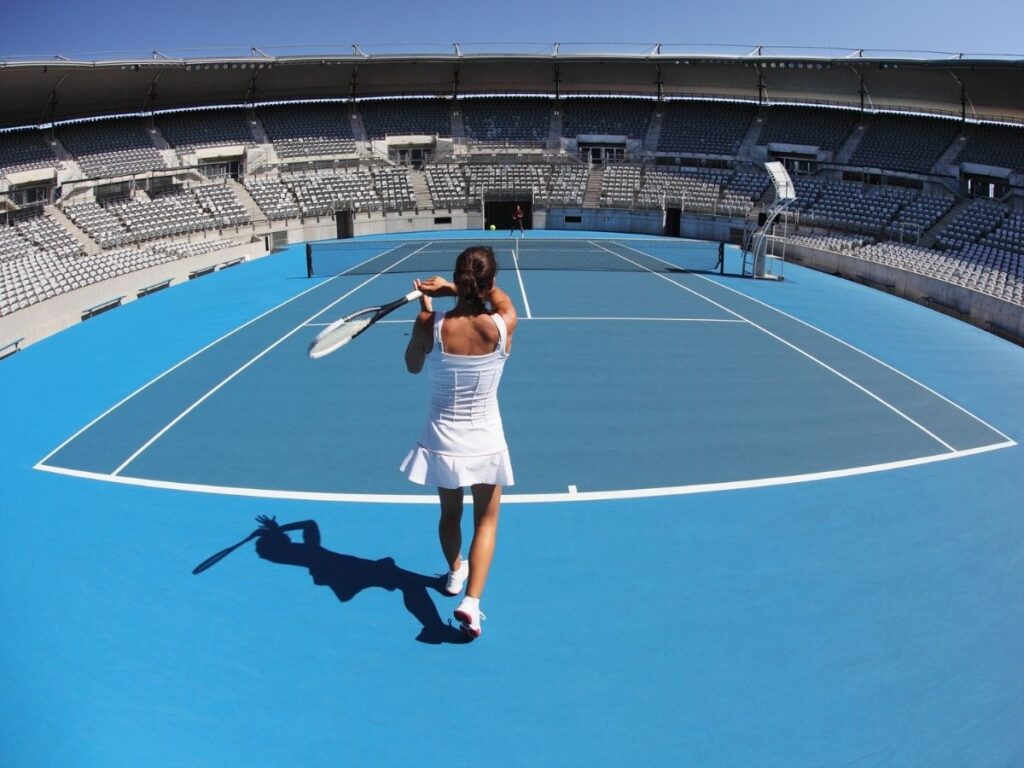
Decoding Tennis Betting Odds for ATP Vienna: What Bettors Need to Know
Betting on ATP Vienna extends beyond picking match winners to a variety of exciting and strategic wagers. The most straightforward is the moneyline bet, where the objective is simply to predict the outright victor of a match. Odds such as -190 for favorites and +160 for underdogs reflect bookmaker confidence levels. These odds indicate that bettors must stake $190 to win $100 on a favorite, or a $100 bet can earn $160 on an underdog.
For those looking to add an extra layer of engagement, set spread betting offers a thrilling challenge. Here, a game or set handicap is applied, compelling favorites to secure a victory margin exceeding the spread (commonly 3.5 games). For example, Rafael Nadal might be a favorite to beat Stefanos Tsitsipas but bettors can wager on whether Nadal will win by four or more games, a riskier bet rewarded with better odds. Conversely, betting on the underdog to keep the match close without winning outright can offer a safer, albeit less lucrative, option.
Another fascinating wager type is on totals (over/under), where bettors predict the total number of games or sets played. If the market sets over/under at 21.5 games for a Muguruza vs Kvitova match, wagering on the ‘over’ suggests an expectation of prolonged rallies and likely multiple sets, while ‘under’ bets look for dominant straight-set performances. These markets provide a unique way to stay invested regardless of favorite losses.
Live betting has gained significant traction, enabling wagers as matches unfold. Odds fluctuate dynamically, reacting to real-time momentum shifts, making it a captivating option for players watching closely.
Futures bets are also very popular amongst tennis enthusiasts who like to speculate on tournament winners well in advance. Popular sportsbooks such as Paddy Power, DraftKings, and Betway provide extensive futures markets allowing bettors to back players like Novak Djokovic or rising stars to claim the Vienna title.
| Bet Type | Description | Example | Risk/Reward |
|---|---|---|---|
| Moneyline | Bet on outright winner of match | Bet $190 to win $100 on Zverev at -190 odds | Moderate risk, standard payout |
| Set Spread | Bet on margin of games won by favorite or keeping underdog close | Nadal -3.5 games at -110 odds | Higher risk, better odds |
| Totals Over/Under | Bet on total games/sets exceeding or falling short of set threshold | Over 21.5 games at -110 odds | Moderate risk, dynamic payout |
| Live Odds | Bet as matches unfold with changing odds | In-play bet on Tsitsipas winning next game | Variable risk/reward |
| Futures | Bet on tournament winner before event starts | Backing Khachanov to win Vienna tournament | Long-term stake, potentially high reward |
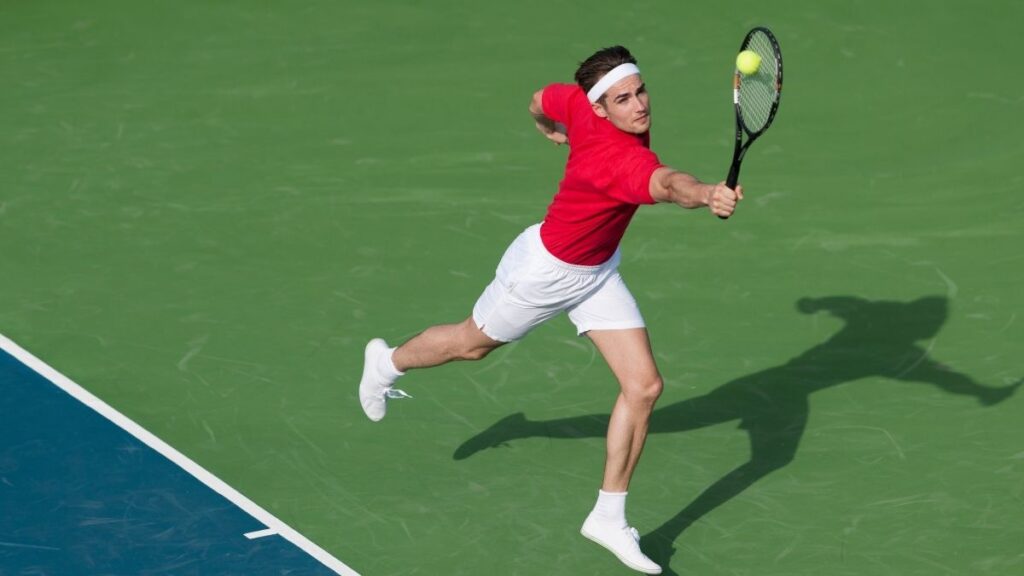
Surface and Conditions Impact: Hard Court Nuances at ATP Vienna
The Wiener Stadthalle’s indoor hard courts bring their own unique influence on matches. Fast, low-bouncing surfaces accentuate power serving and aggressive baseline play. Players thriving in Vienna have often leveraged quick reflexes and a sharp tactical edge to control points early. This setup is notably different from clay or grass courts where rallies extend longer, demanding varied shot construction and endurance.
Vienna’s hard court favors players who can ruthlessly execute serve strategies, often producing matches where service hold percentage is decisively high. This environment plays into the hands of those mastering serve consistency and powerful placement, as supported by recent serve drills highlighted by tennis experts (source). Players like Jannik Sinner and Karen Khachanov frequently build their games around dominating points with explosive serves and forehands indoors, a style conducive to quick victories and superior stamina management.
Temperature and humidity inside the venue also subtly affect ball speed and player endurance. Although conditions are controlled, the hustle of multiple matches can shift dynamics, rewarding athletes with optimized physical conditioning and recovery protocols. This context is essential for bettors examining form trends and fitness records, since even minor dips in energy can shift momentum drastically on hard courts.
- Fast surface rewards serve and aggressive playstyle.
- Lower bounce favors flatter shots and quicker points.
- Controlled indoor climate limits external variables but amplifies stamina importance.
- Players emphasizing serve precision hold advantage.
- Recovery and conditioning crucial due to tight match schedules.
| Surface Feature | Effect on Play | Player Type Favored | Example Players |
|---|---|---|---|
| Fast, Low Bounce | Encourages aggressive shotmaking, quick points | Power servers, aggressive baseliners | Khachanov, Sinner |
| Indoor Controlled Environment | Consistency in ball speed and less wind influence | Strategic, focused players | Tsitsipas, Zverev |
| Condensed Schedule | Emphasizes stamina and recovery | Physically resilient | Multiple contenders |
Historic Trends and Previous Champions Shaping Vienna’s Competitive Landscape
Vienna has a rich history of dramatic and high-quality tennis matches, with its trophies often going to resilient players able to harness indoor energy and deliver under pressure. Past champions reveal a tendency for veterans proficient in all-court strategy, combined with powerful service games, to dominate. Players like Marin Cilic and Dominic Thiem have shown that mental toughness and experience on these courts often outweigh pure power.
Reviewing recent years, the tournament has seen close-fought finals and surprise runs by dark horses who capitalized on momentum swings and crowd support. The importance of form at this late season event cannot be overstated; players fraying from exhaustion or injuries often falter, while those who enter with winning streaks frequently extend their success.
Statistically, Vienna’s title holders frequently maintain strong indoor records and physical conditioning, an essential factor in overcoming fatigue in back-to-back matches. This trend informs current betting odds and expert analysis. Betting platforms like FanDuel and Caesars Sportsbook reflect these factors in their published lines.
- Veteran players tend to excel due to experience and mental strength.
- Stamina and injury management critical for success.
- Surface specialization leads to strategic preparation.
- Dark horses capable of unpredictable upsets.
- Vienna serves as a key form indicator before the ATP Finals.
| Year | Champion | Victory Style | Indoor Win % That Year | ATP Rank at Victory |
|---|---|---|---|---|
| 2023 | Dominic Thiem | Powerful baseline dominance | 70% | 8 |
| 2022 | Marin Cilic | Consistent serve and volley | 68% | 14 |
| 2021 | Andreas Seppi | Tactical counter-punching | 63% | 35 |
Rising Serve Speeds and Tactical Evolutions: The Modern Face of ATP Vienna Tennis
One of the most notable modern trends impacting tournaments like ATP Vienna is the rapid evolution of serve speeds and the accompanying tactical adjustments. Players increasingly prioritize serve power and placement to gain early advantages in rallies. This shift is a direct response to the demanding indoor conditions and the need to shorten points efficiently. Studies into rising serve speeds on grass and hard courts demonstrate a climate of ever-increasing athleticism and precision (source).
Tactical evolutions also include smarter shot selection, improved return games, and enhanced second serve strategies. Players adept at blending raw power with carefully designed patterns are emerging as the top threats. The Vienna tournament is a stage where such evolutions manifest dramatically, with players like Karen Khachanov and Jannik Sinner illustrating the new breed of athletes who combine blistering serves with meticulous court coverage and aggressive baseline play.
The impact of these changes on betting and spectator experience is profound. Matches have become more unpredictable, margins for error tighter, and momentum swings faster, contributing to the overall drama and excitement. Betting markets adjust accordingly, offering a wider variety of prop bets including pace-related metrics, aces count, and first serve percentages, intensifying the engagement for fans and bettors alike.
- Serve speeds have increased, favoring powerful starters of points.
- Strategic second serves reduce double faults and improve point control.
- Players integrate fitness and tactics to cover courts effectively.
- Audience and bettors benefit from more dynamic, unpredictable play.
- Betting markets evolve to include diverse performance indicators and prop bets.
| Player | Average Serve Speed (km/h) | 1st Serve % | Aces per Match | Points Won on Serve % |
|---|---|---|---|---|
| Karen Khachanov | 210 | 63% | 8 | 78% |
| Jannik Sinner | 205 | 65% | 7 | 75% |
| Stefanos Tsitsipas | 200 | 67% | 6 | 76% |
| Alexander Zverev | 198 | 62% | 5 | 74% |
These highlight reels capture the explosive energy and evolving tactics that define the ATP Vienna tournament, showcasing key moments where momentum shifted in breathtaking fashion.
Instructional content focusing on serve techniques reveals how players at Vienna refine their weaponry to dominate indoor hard courts, underscoring the importance of tactical serve training in modern tennis.