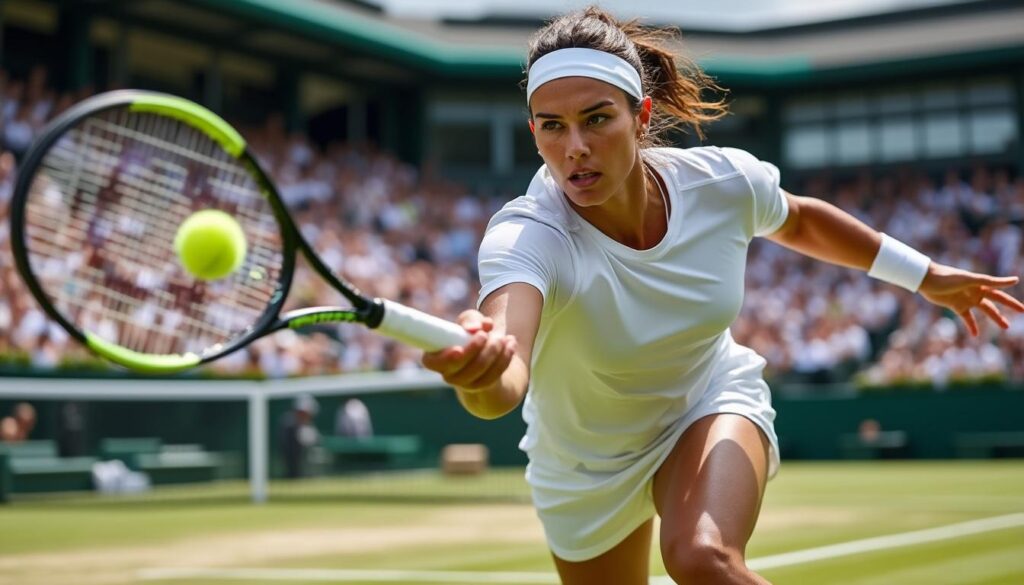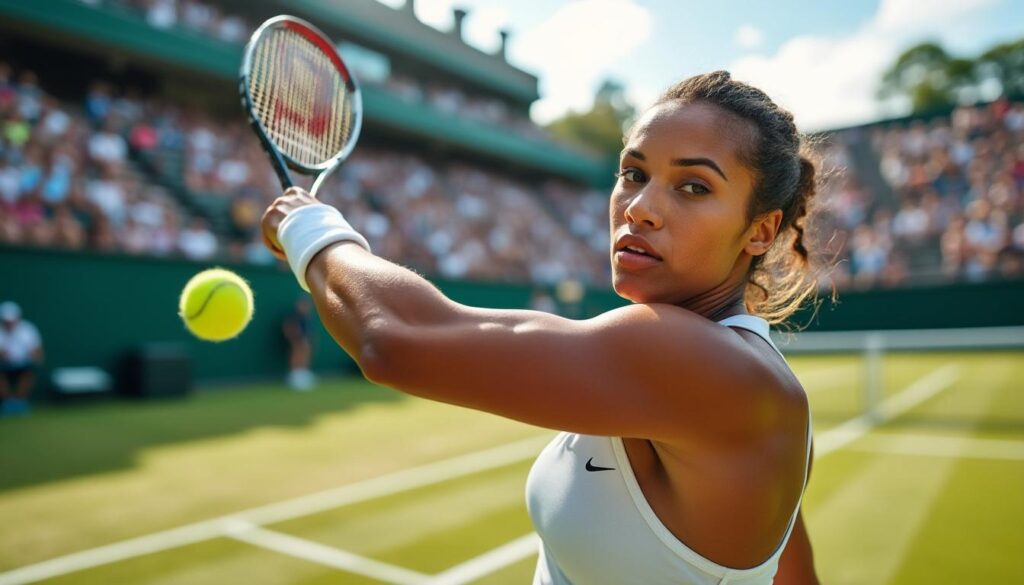
In the fiercely competitive and fast-evolving world of tennis, the explosive forehand is a weapon that can dismantle opponents with its sheer pace and deadly spin. Among the new generation of players dominating courts globally, Carlos Alcaraz stands out as a beacon of aggressive baseline play, prized particularly for his remarkable forehand acceleration. His capacity to combine raw power with magnetic precision has revolutionized forehand drills that aspiring players and seasoned competitors alike strive to emulate. As the 2025 season unfolds, harnessing the momentum of his inspired techniques offers a golden opportunity for players eager to inject powerful pace into their game.
Alcaraz’s forehand drills are more than isolated exercises; they are integrated practices that marry technical finesse with physical conditioning and sharp mental focus. With brands like Wilson, Babolat, and Nike supporting innovations in racquet technology and training apparel, today’s players have a wealth of resources to sculpt explosive forehands. From grip nuances to racquet head speed, from footwork to kinetic chain mastery, every element contributes to transforming potential into performance. This exploration ventures deep into the drills inspired by Alcaraz, unfolding layers of power generation, acceleration triggers, and movement strategies that anyone intrigued by tennis power will find invaluable.
Whether it’s a junior player dreaming of smashing forehands or a seasoned club player seeking to electrify their arsenal, the mechanics behind these drills reveal how a seemingly simple swing becomes a thunderous shot capable of tipping matches. These hands-on, intense training regimens unlock the secrets behind the torque, timing, and unyielding commitment that allow Alcaraz to claim supremacy on the ATP Tour with his forehand.
Prepare to delve into the nuances of forehand acceleration drills shaped by the Spanish prodigy’s own development, gaining not just physical explosiveness but mastering the mental cadence that converts power into winner after winner.
Key Takeaways:
- Understanding Alcaraz’s forehand mechanics helps players integrate power with precision, setting a new benchmark in stroke development.
- Acceleration drills emphasize body rotation, kinetic chain engagement, and grip techniques that boost racquet head speed crucial for explosive shots.
- Physical conditioning focused on agility, quick feet, and core strength underpins the technical measures to sustain powerful strokes through long matches.
- Mental visualization and strategic pacing drills enhance shot timing and decision-making under pressure on court.
- Modern tennis gear innovations from Yonex, Adidas, Head, and others complement biological training to maximize effective power delivery.
Unpacking the Biomechanics Behind Alcaraz’s Explosive Forehand Acceleration
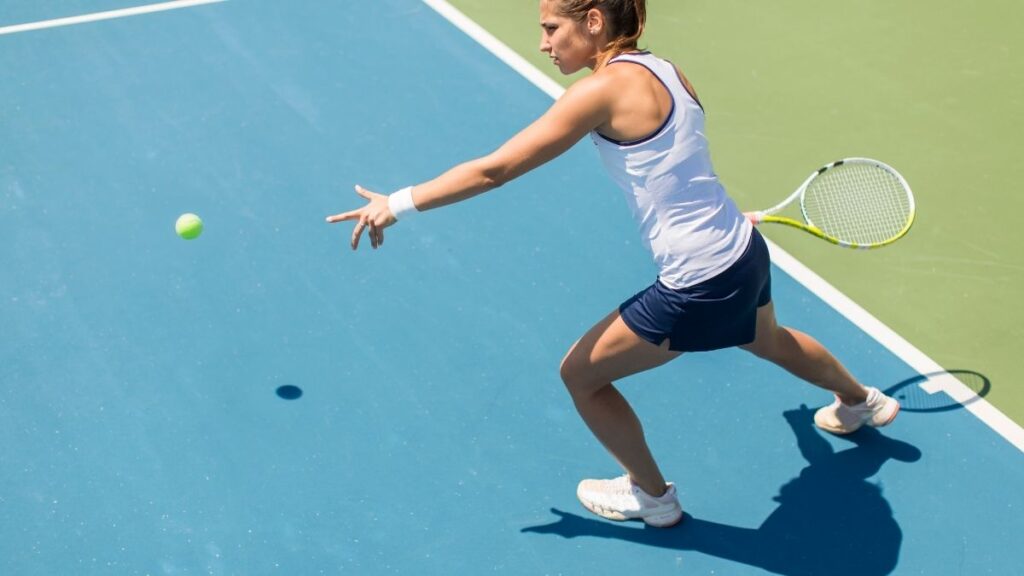
At the core of Carlos Alcaraz’s ferocious forehand lies a biomechanical symphony that is both art and science. The generation of explosive pace is not a matter of brute strength alone—it’s about harnessing a series of coordinated movements executed with near-perfect timing. This synergy between muscle, momentum, and momentum transference distinguishes his stroke from mere rapid swings to lethal weapons on the ATP circuit.
First, the kinetic chain activation begins with the lower body. Alcaraz’s drills foreground the importance of powerful leg drive—engaging the quadriceps, hamstrings, and calves to push off the ground. The explosiveness starts here, where energy is generated and transferred upwards. His signature full knee bend combined with a low center of gravity allows a coil-and-uncoil technique that serves as a loaded spring, ready to release force on contact.
The torso becomes the energy conduit. Alcaraz employs an extensive yet fluid rotation of the hips and shoulders, building torque. This twist is crucial; as hips rotate forward, there’s a sequential follow-through that multiplies racquet speed and power generation. Unlike players who rely on arm muscle alone, this focus on trunk power reduces the likelihood of injury while increasing reliability.
The arm and wrist action then deliver the final whip-like acceleration. Alcaraz’s grip is often described as relaxed yet effective, giving him the freedom to impart rapid racket head speed and heavy topspin simultaneously. The grip adjustments during preparation—often holding the throat of the racquet longer—help maximize upper body coil and uncoil velocity. Moreover, his seemingly casual wrist flick at impact contributes to an explosive closing speed that sends balls scorching across the court.
- Leg drive combined with a deep knee bend activates the energy reservoir for acceleration.
- Hip and shoulder rotation create essential torque for multiplane power output.
- Relaxed yet precise grip technique allows rapid racket head acceleration.
- Wrist snap adds critical finishing force and heavy topspin to stabilize shots.
- Integrated full-body coil-and-release movements reduce injury risk.
Tennis enthusiasts curious about mastering such biomechanics can also refer to detailed instructional resources from forehand technique masters, expanding their knowledge beyond typical power drills.
Brands like Wilson and Babolat have increasingly tailored their racquets to harness these kinetic principles, offering frame stiffness and weight distributions that optimize swing acceleration. Similarly, Adidas and Asics have pushed advances in footwear technology that enhances grip and explosive court movements critical for setting up perfect forehand strokes.
Precision Drills to Amplify Forehand Speed Inspired by Alcaraz’s Training Routine
Alcaraz’s forehand velocity is no accident; behind the scenes, it’s powered by structured drills designed to synchronize every aspect of his stroke. Incorporating such drills into training regimens can develop both explosive power and shot consistency, key to consistently fast and accurate forehands.
One foundational drill is the “Coil-Uncoil Power Drill” which emphasizes body rotation synchronized with foot placement. Players start in a semi-open stance, loading energy through deep knee flexion and twisting the torso as if winding a spring. The uncoil delivers racket acceleration timed just before ball impact. Repeated under controlled conditions, this drill develops muscle memory for the ideal sequencing of parts.
Another potent exercise is the “Grip Flip and Accelerate” drill that hones grip adjustments for speed. Alcaraz is known for holding the racket throat longer during the backswing, which “loads” the upper body muscles and allows an explosive snap. Practicing grip transitions while swinging helps players gain racquet speed naturally without overusing the wrist.
Footwork and split-step drills complement these racquet-focused exercises. Rapid lateral and forward sprints simulate court coverage demands, reinforcing where the power base initiates. Integrating short sprints and directional changes, as documented in split-step timing drills, primes the neuromuscular systems for efficiency during stroke preparation.
- Coil-Uncoil Power Drill emphasizes timing hip rotation with foot placement.
- Grip Flip and Accelerate Drill focuses on racket throat hold and explosive wrist snapping.
- Directional footwork drills bolster power generation and recovery speed.
- Split-step timing enhances anticipation and stroke readiness.
- Consistency drills improve muscle memory for accelerated forehand strokes.
Players looking for innovative ways to blend these drills can benefit from wearable tech insights offered by advanced tennis sensors which provide detailed swing tempo and acceleration analytics.
Building the Explosive Physical Foundation: Conditioning for Forehand Acceleration
Strength without conditioning is incomplete in modern professional tennis. Alcaraz’s physical training ecosystem integrates power, speed, and endurance to sustain the intensity required for repeated explosive forehands during gruelling matches. Replicating his conditioning approach helps players enhance not only forehand pace but overall court performance.
Key conditioning elements include:
- Lower body strength training: Focused exercises such as squats, lunges, and plyometric jumps develop the explosive leg drive crucial for initiating the forehand kinetic chain.
- Core stability and rotational power: Medicine ball rotational throws, planks with twists, and cable rotations reflect the dynamic twists of Alcaraz’s torso in his forehand motion.
- Agility and speed drills: Ladder drills, cone sprints, and zone-based movement exercises build rapid directional changes which align with his famous court coverage and poise to attack forehand opportunities.
- Endurance and recovery: High-intensity interval training (HIIT) maintains energy reserves for match-long performance.
Incorporating strength conditioning alongside technical training is a hallmark of Alcaraz’s regime, clearly echoed in the readiness displayed not only during his forehand strikes but also his relentless resilience on court. The synthesis of power and endurance set him apart from others relying on sheer strength or isolated technique.
The synergy of footwear technology with physical conditioning should not be overlooked. Brands like Asics and Under Armour provide footwear engineered for shock absorption and responsive traction, which contribute immensely as players explode into forehand stances and maintain balance.
For those seeking to deepen their physical training, resources illuminating ATP conditioning approaches and youth training programs can be found on reputable platforms, including youth tennis skill development and specific power training drills.

Mental Mastery and Tactical Acceleration Drills Reflecting Alcaraz’s Competitive Edge
Powerful forehands are only as effective as the mental acuity behind them. Alcaraz’s training is inseparable from a fiercely focused mindset, combining mental visualization with tactical shot execution to harness acceleration drills that reflect not just speed but strategic dominance.
Mental preparation drills include:
- Visualization of explosive forehand points: Players mentally rehearse forehand execution under pressure, imagining explosive wins to build confidence and reduce anxiety.
- Shot selection pacing drills: Timed drills improve decision-making speed and shot placement anticipation, mimicking the split-second choices made during live rallies.
- Pressure simulation exercises: Drills that emulate match-point or break-point intensity develop clutch performance, crucial for consistent forehand acceleration under match conditions.
- Focus-enhancing mindfulness routines: Breath control and short meditation sequences sharpens concentration during long tournaments.
This layered mental approach allows players not just to hit fast forehands but to execute them precisely when it counts, capitalizing on opponent weaknesses and court position. Alcaraz’s ability to vary acceleration in his forehand based on tactical needs is a major factor in his rise.
For detailed tactical analysis and mental training techniques, refer to resources on strategic baseline play and pressure drills used by top professionals, such as those covered in baseline pressure tactics and Alcaraz’s forehand patterns.
Integrating Cutting-Edge Equipment and Technology to Maximize Forehand Acceleration
Alongside technique, conditioning, and mental focus, leveraging the latest tennis equipment profoundly amplifies the effectiveness of forehand acceleration drills. Alcaraz benefits from the synergy between his training and equipment provided by elite brands like Wilson, Lacoste, Tecnifibre, and Yonex, which continuously pioneer lightweight, aerodynamic, and power-efficient gear.
Modern racket technology in 2025 is characterized by:
- Optimized string tension and patterns: Innovations maintain a blend of control and power, allowing players to strike with confidence and explosiveness.
- Graphene and carbon fiber composites: These materials reduce racket weight without sacrificing stiffness, permitting faster swing speeds as demonstrated in Alcaraz’s play.
- Grip enhancements: Moisture-wicking and shock-absorbent grip materials from brands such as tennis grip technology advancements improve feel and racket control during rapid acceleration.
- Performance tracking sensors: Embedded devices track racquet head speed, angle, and impact data, providing instant feedback for stroke refinement.
Footwear from Nike, Adidas, and Under Armour complements racket technology by offering superior traction, durability, and lightweight materials that enhance footwork speed essential for setting up forehands. These equipment integrations minimize energy loss and maximize mechanical efficiency.
Players wanting to align their gear with their training can explore the latest reviews on tennis rackets and sensor technology, such as those available on top racquets of autumn 2025 and tennis sensor stroke analysis, to make informed decisions matching their style and goals.