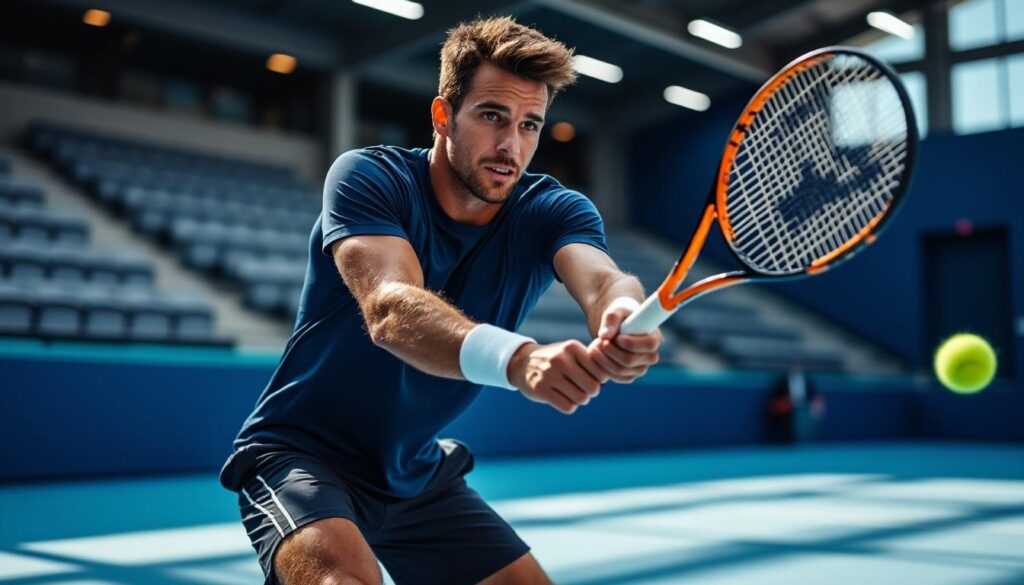
The 2025 indoor tennis season ignites a fresh wave of excitement, particularly in the realm of racket stringing innovations. As players impose new demands on their gear to conquer fast-paced indoor courts, stringing trends have evolved to balance power, control, and arm comfort like never before. The union between cutting-edge stringing techniques and next-generation racquet models introduces unmatched customization options, empowering athletes of all levels to sharpen every stroke. This season’s developments unveil a stunning blend of technology and tradition tailored to heighten spin potential and durability while safeguarding player health. From touring pros to weekend warriors, the variety of stringing combinations inspires performance breakthroughs and reshapes how gear elevates the game indoors.
In brief:
- Emerging string materials and hybrid setups redefine precision and power for indoor play.
- High-profile racquet-string combinations from brands like Babolat, Wilson, and Head set new performance benchmarks.
- Advanced stringing machines enhance tension accuracy and string durability, crucial for consistent indoor conditions.
- Customization options allow players to tweak stiffness, spin, and control according to individual playing styles.
- Growing awareness of arm-friendly string choices reflects an emphasis on injury prevention and comfort.
Top Racket-String Combinations Revolutionizing Indoor Tennis in 2025
The intricate science of pairing the ideal string with a specific racket is a critical yet often overlooked aspect that can dramatically influence on-court outcomes, especially within the demanding environment of indoor arenas. As the racket market continues expanding, some frames display remarkable string sensitivity while others accommodate a wider spectrum of options seamlessly. This section explores some of the standout 2025 combos that have captured performance and player preference alike.
Consider the Babolat Pure Aero matched with the iconic Babolat RPM Blast string. This pairing thrives on generating explosive topspin and raw power, a formula favored by aggressive players who can utilize its stiffness and fast racket head speed. The RPM Blast’s friction-enhancing poly design provides the spin-centric advantage indoors, where controlled balls with heavy rotation mean offensive players can dictate points unequivocally. While this combination is less suited for elbow-sensitive individuals, enthusiasts looking for an intense, spin-friendly setup find no better fit.
For those prioritizing control and comfort, the Wilson Blade paired with a hybrid blend of Luxilon Alu Power mains and Luxilon Element crosses offers a masterclass in balanced play. This sophisticated mix invites precision through the firm but forgiving Alu Power string, while the Element’s softness adds touch and power, reducing arm fatigue during prolonged indoor rallies. Luxilon’s premium-grade strings, though premium-priced, deliver durability and responsiveness essential for competitive indoor conditions.
The Head Gravity Pro combined with Head Lynx Tour strings represents an elegantly precise setup. The racquet’s 100-square-inch head size sustains a forgiving sweet spot, enhanced by the Lynx Tour’s responsiveness and spin capabilities—attributes vital for consistency on faster indoor court surfaces. Professional players such as Andrey Rublev have favored this combo, appreciating softer responses and effective power without compromising control.
Tecnifibre’s T-Fight 305 ISO joined by Tecnifibre Razor Code Soft strings illustrates a modern commitment to explosive power and spin, preferred amongst tour-level players yet adaptable to indoor club circles. The racquet’s heavy swingweight pairs with the slightly softer yet spin-efficient Razor Code Soft to enable potent groundstrokes with tactile ball feedback.
- Babolat Pure Aero + Babolat RPM Blast for aggressive topspin attack.
- Wilson Blade + Luxilon Alu Power/Element hybrid for control and arm comfort.
- Head Gravity Pro + Head Lynx Tour for precision and reliability.
- Tecnifibre T-Fight 305 ISO + Razor Code Soft for power-focused baseliners.
| Racquet | String(s) | Key Benefit | Ideal Player Type |
|---|---|---|---|
| Babolat Pure Aero | Babolat RPM Blast | Spin and power | Aggressive topspin players |
| Wilson Blade (v8/v9) | Luxilon Alu Power / Element Hybrid | Control with comfort | All-court players seeking balance |
| Head Gravity Pro | Head Lynx Tour | Precision and reactive power | Players favoring accuracy and feel |
| Tecnifibre T-Fight 305 ISO | Razor Code Soft | Explosive speed and spin | Baseline aggressors |
For string enthusiasts aiming to push their custom blends further, the Omakase program by Toroline offers a personalized hybrid solution, reflecting a growing trend toward bespoke stringing that accommodates unique player needs. This innovative avenue fosters distinct string profiles capable of fine-tuning tension, softness, and spin to a fine edge, essential for the exacting nature of indoor court play.
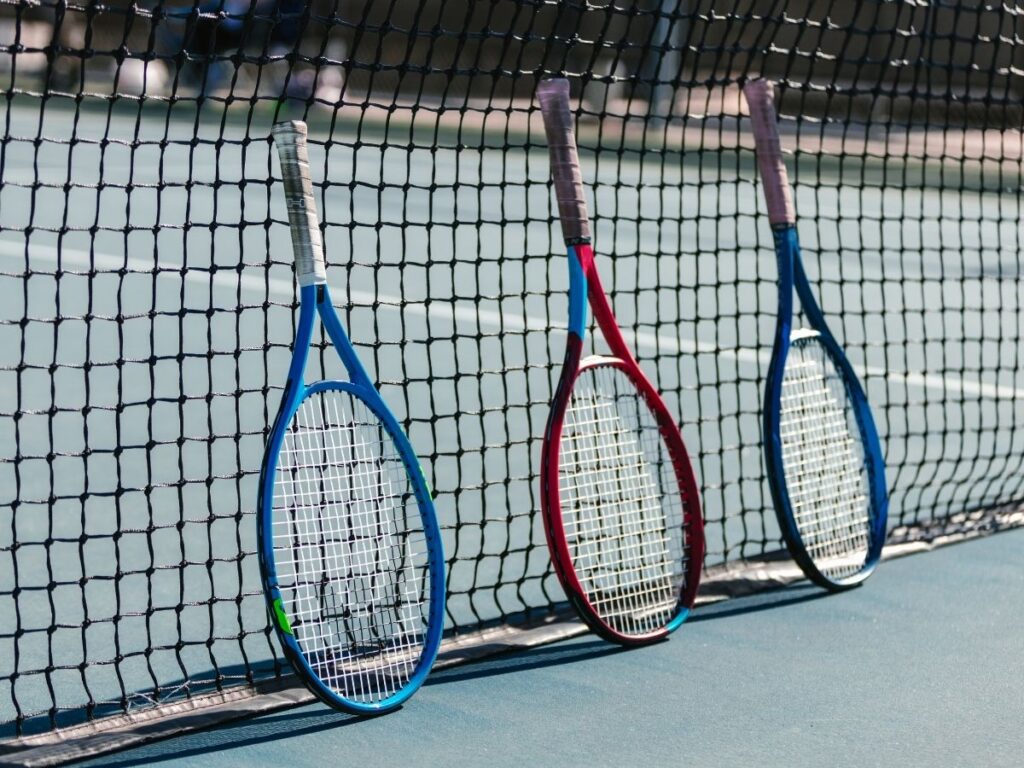
Advanced Stringing Machines and Their Role in Indoor Season Precision
Precision in tennis stringing is paramount for gaining an edge, especially indoors where environmental factors such as humidity and temperature can impact string tension and behavior dramatically. The advent of state-of-the-art stringing machines in 2025 has raised standards, blending technology with craftsmanship to optimize racket performance.
Modern stringing machines offer greater repeatability and accuracy in string tension settings. This is crucial for controlling shot consistency and feel, especially when rapid spin and delicate control dominate indoor match strategies. Machines from brands recognized in the industry, often featured in sources like tennis stringing machines reviews, incorporate automated clamps, tension calibration sensors, and multi-point grab mechanisms to prevent string clamp slippage—a common issue leading to tension loss during the stringing process.
Additionally, the capacity to customize string patterns has extended with these machines, enabling stringers and players to choose denser or more open patterns based on playing style and indoor surface speed. Denser patterns generally offer control and durability while open patterns can increase spin — a critical tactical aspect indoor surfaces accentuate. These innovations allow club stringers and professionals alike to expertly match tension and pattern for an individual’s game plan.
Moreover, the refined durability brought about by precise stringing extends the life of strings, keeping them responsive longer than before—an economical and performance boost. Pairing this with enhanced string materials ensures that the energy return and ball penetration remain high, key factors for today’s fast indoor game.
- Automated tension calibration improves accuracy and uniformity.
- Multi-point clamps reduce risks of tension loss during stringing.
- Expanded pattern customization aligns string setup with indoor court dynamics.
- Improved durability through precision stringing reduces string breakage.
- Better player feedback and responsiveness enhance match confidence.
| Feature | Benefit | Impact on Indoor Play |
|---|---|---|
| Automated Tension Control | Consistent string tension | Improved shot predictability and spin |
| Clamp Slippage Reduction | Maintains tension integrity | Long-lasting string performance |
| Custom String Patterns | Spin or control focused setups | Better adaptation to indoor surfaces |
| Durability Enhancement | Extended string lifespan | Reduced maintenance and cost |
Material Innovations Driving String Performance and Player Comfort
The year 2025 sees remarkable advances in string materials that redefine the delicate balance between power, comfort, and durability, especially critical in indoor matches where repetitive strokes demand both precision and injury prevention.
Polyester strings dominate due to their durability and spin-friendliness, yet innovations by brands like Solinco, Luxilon, and Ashaway have introduced softer polyesters with enhanced elasticity. These strings maintain control but reduce vibration-induced arm discomfort, a vital feature indoors where quick reactions require constant wrist and forearm engagement. For example, string composition guides emphasize how subtle changes in polymer blends can lower stiffness while maintaining tension stability.
Natural gut strings are still revered for comfort and unmatched feel, though less popular indoors due to moisture concerns. Hybrid stringing techniques combining natural gut in mains with polyester crosses are a go-to solution for players craving the best of both worlds — supreme touch with durable spin control. The spotlight on hybrids continues to grow as players seek personalized stringbeds to optimize indoor ball behavior.
The integration of flax fiber technology, particularly evident in Babolat’s Pure Drive NF2, offers a cutting-edge approach by embedding natural fibers to absorb vibrations and provide a softer feel without compromising power. This bio-material innovation reflects the broader trend in 2025 toward sustainable yet performance-oriented stringing solutions.
- Softer polyesters enhance comfort without losing control.
- Hybrid stringing maximizes durability and feel balance.
- Natural fibers like flax improve vibration absorption.
- Material science helps reduce the risk of arm injuries.
- String tension and gauge choices further fine-tune response for indoor play.
| Material Type | Key Benefit | Typical Player Preference |
|---|---|---|
| Polyester | High durability and spin potential | Spin-oriented aggressive players |
| Hybrid (Natural Gut & Polyester) | Comfort and control balance | All-court versatile players |
| Natural Gut | Supreme touch and feel | Comfort-focused and touch players |
| Flax Fiber Embedded | Vibration damping with power | Comfort-seeking power hitters |
These advances complement the ongoing shifts in stringing strategies, as highlighted by discussions surrounding the optimal topspin boosting strings. Indoor conditions demand quick adaptability; hence, players increasingly adjust string tensions mid-season to fine-tune performance according to match pace and personal feedback.
Customizing String Tension and Patterns for Peak Indoor Play
Optimal string tension and pattern customization underpin elite indoor tennis performance by allowing players to tailor racket response to their unique styles and court conditions.
Most indoor surfaces offer faster ball speeds and lower bounce compared to outdoor clay or hard courts, emphasizing the need for string setups that increase control without sacrificing power. The evolving trends in string tension show a growing inclination towards slightly lower tensions for added feel and spin, while some power hitters maintain tighter tensions to preserve shot precision. Understanding this balance is critical.
Stringing patterns also play an essential role. Denser patterns, such as 18×20, tighten control and extend string life — desirable for tactical players planning prolonged rallies indoors. Conversely, open patterns like 16×19 promote higher spin and greater comfort, appealing to aggressive players who rely on heavy topspin. Players frequently customize patterns by blending string types, providing a mix of stiffness in mains and softness in crosses to cater to their tactical needs.
Key considerations for customizing tension and patterns include:
- Player’s natural swing speed and aggression level.
- Dominant play style: baseline control vs. net aggression.
- Indoor court surface speed and ball bounce characteristics.
- Arm health and injury history impacting tension tolerance.
- Weather and facility climate affecting string reaction.
| String Tension Range (lbs) | Effect on Play | Recommended For |
|---|---|---|
| 50-55 | More power, less control | Intermediate/aggressive players seeking attack |
| 55-60 | Balanced control and power | All-court versatile players |
| 60-65 | Higher control and precision | Advanced tactical players |
Players wanting to refine their setups can consult resources like perfect racket tension guides or test different hybrid stringing options from premium brands such as Luxilon and Solinco, often highlighted in industry forums and stringing workshops.
How Professional Preferences and Marketplace Innovations Shape Indoor Stringing Trends
The interplay between professional player endorsements, emerging technologies, and consumer demands creates a dynamic atmosphere that continuously molds stringing trends for the indoor season. High-profile athletes influence the popularity of particular stringing combinations and tension preferences, which trickle down from elite professional circuits to recreational club play.
Daniil Medvedev’s and Iga Swiatek’s commitment to Tecnifibre T-Fight frames and strings demonstrates how aggressive, fast-paced baseline tactics require strings that provide quick snapback and resilience. Collaborative developments with brand engineers ensure racquets and strings are perfectly tuned for the speed, spin, and power demanded at the highest level indoors.
Meanwhile, Wilson’s Clash V3 series, embraced by weekend warriors for its comfort and control, pushes innovations in stringing technology that complement its flexible frame. This synergy between racquet and string advances not only enhances player performance but also influences the design of advanced gear such as grips and string dampers, which contribute to overall arm health and match readiness.
Marketplace innovation extends into string manufacturing where ecological consciousness merges with technology. Sustainable materials and processes gain traction without sacrificing performance, appealing to an eco-aware tennis community. This trend is visible across many top brands including Dunlop and Prince, with some introducing recyclable string lines.
- Pro endorsements drive demand for specialized string setups.
- Consumer preferences accelerate adoption of arm-friendly strings.
- Innovation in grips and dampers complements string advancements.
- Sustainability initiatives shape future string production.
- Indoor-specific gear adapts to evolving court surface speed and player demands.
| Player / Brand | Racquet & String Preference | Market Influence |
|---|---|---|
| Daniil Medvedev / Tecnifibre | T-Fight & Razor Code Soft | Boosts demand for power-speed hybrids |
| Iga Swiatek / Tecnifibre | T-Fight & Razor Code Soft | Influences aggressive baseline play style |
| Wilson (Clash V3) | Hybrid tension setups | Popular among recreational players for soft feel |
| Dunlop & Prince | Eco-conscious string lines | Promotes sustainability trend |
As the indoor tennis season intensifies, the symbiotic relationship between player choices, technological innovation, and market dynamics makes stringing trends a fascinating, ever-evolving game within the game. For dedicated tennis enthusiasts seeking to enhance their skills or gear, staying informed about these developments is crucial and rewarding.