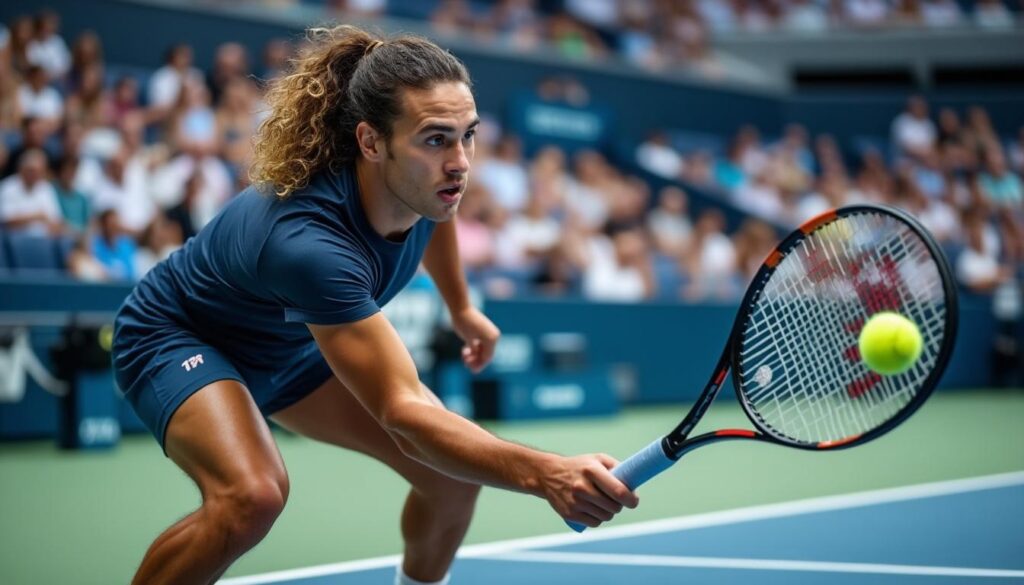
Hard courts demand a relentless mix of speed, power, and stamina—a cocktail that pushes tennis players to the brink. As the demanding season peaks on November 24, 2025, athletes are laser-focused on conditioning plans specifically sculpted to elevate endurance on these unforgiving surfaces. The intensity of hard courts lies not just in their physical toll but in the mental stamina needed to hold strong through relentless rallies and split-second directional shifts.
For players, preparing for this critical date means embracing training that mirrors the brutal pace and pivot-heavy movement of hard-court play. These conditioning plans are not generic workouts but highly tailored protocols developed to boost athletic endurance and court fitness while minimizing injury risk. Endurance workouts inspired by the latest sports conditioning research now integrate explosive agility drills with long-haul stamina strategies, blending anaerobic bursts with sustained aerobic effort. The goal: to power through tournament crunch time without faltering.
Key Highlights in Conditioning Plans for Hard-Court Endurance:
- Tailored exercises to simulate rapid changes and acceleration unique to hard courts.
- Integrative training combining strength, speed, and recovery protocols aligned with November 24 competitive demands.
- Emphasis on nutrition and hydration techniques proven to fuel sustained high-intensity exertion.
- Use of cutting-edge athletic wear and technology enhancing training effectiveness and injury prevention.
- Mental resilience training to complement physical conditioning during high-stakes indoor battle.
Sommaire
ToggleStrategic Conditioning Plans Tailored to the Hard-Court Tennis Calendar
November 24, 2025 pinpoints a crucial phase within the European indoor hard-court swing, often spotlighted by tournaments like the Moselle Open. These competitions unfold on fast courts where the ball’s speed and bounce require players to accelerate explosively and decelerate sharply across short distances. Conditioning plans sharpen endurance training by honing specific types of movement crucial for these conditions.
The core conditioning strategy evolves around replicating court-fit movements: short sprints that mimic explosive serve returns, lateral drills enforcing swift, side-to-side coverage, and dynamic stops and starts. Incorporating these into interval-style workouts heightens anaerobic capacity, while continuous aerobic sessions improve overall stamina.
Key workout components include:
- Explosive Power Building: Plyometric exercises like box jumps and bounding drills cultivate fast twitch muscle response needed for quick court bursts.
- Lateral Agility Development: Cone drills and slide control exercises refine footwork essential to maneuver slick, indoor court surfaces.
- Muscular Endurance Training: Resistance circuits and interval running build stamina to sustain peak performance during extended rallies.
Managing fatigue through technology-enhanced training—utilizing devices from Technogym to track output and recovery—has become a pivotal aspect of these plans. Additionally, equipment like resistance bands from Under Armour or Reebok supports injury prevention without sacrificing agility.
| Conditioning Focus | Example Drills | Training Equipment | Performance Benefits |
|---|---|---|---|
| Explosive Power | Short sprints, plyometrics, box jumps | Technogym plyometric boxes, resistance bands | Improves quick starts and shot preparation speed |
| Lateral Agility | Cone drills, side shuffles, slide control | Agility ladders, poles | Enhances court coverage and rapid directional changes |
| Muscular Endurance | Resistance circuits, interval running | Reebok kettlebells, Under Armour resistance bands | Boosts long rally resilience and reduces fatigue |
This regimented conditioning approach takes inspiration from expert tennis conditioning programs and integrates seamlessly with anatomical demands of hard courts, ensuring athletes withstand the grueling pace through November’s challenging matchups. Methods shared in indoor conditioning for tough tournaments offer invaluable insights on optimizing endurance for the fast-paced indoor season.
Mental and Physical Synergy: Building Resilience for Hard-Court Challenges
Court fitness extends far beyond muscles and sweat. The psychological intensity of November 24, 2025’s hard-court schedule demands tennis players train their minds just as rigorously as their bodies. Indoor venues emphasize the mental chess match: consistent lighting, echoing rallies, and an unforgiving atmosphere where the slightest lapse can shift momentum swiftly.
The mental endurance component works hand in hand with physical exertion through several proven methods. Controlled breathing exercises, known as breath ladders, help athletes maintain calm under pressure and reset between intense points. Cue-word strategies embed mantras such as “focus” or “attack” to re-center attention during tight moments. Visualization prepares players to anticipate fluctuating game scenarios mentally, strengthening their poise when facing extended rallies or tiebreak situations.
Collaborative efforts between sports psychologists and conditioning coaches have produced tailored plans weaving mental toughness into athletic conditioning. This synergy benefits competitors coping with back-to-back matches and short recovery windows. Brands like Lululemon are investing heavily in integrating mindfulness and wellness components to gear up players physically and mentally.
| Mental Technique | Description | Use Case |
|---|---|---|
| Breath Ladders | Sequential controlled breathing to lower anxiety | Pre-match warm-up and changeovers |
| Cue-Word Strategies | Motivational keywords to maintain focus | Game-critical moments |
| Visualization | Mental rehearsal of match scenarios | Preparation for momentum swings and pressure points |
Excelling on hard courts requires this perfect union of endurance training, tactical resilience, and psychological strength. Preparation resources including expert articles on match day nutrition and fueling strategies help players sustain this fine balance.
Technology and Equipment Revolutionizing Hard Court Conditioning
Leading-edge innovation propels tennis conditioning plans, especially on demanding hard courts where strain accumulates swiftly. Athletic equipment companies like Wilson, Adidas, and Asics have engineered gear specifically crafted for fast indoor surfaces. These include rackets designed for control and power balance, shoes prioritizing stability and grip, and breathable apparel aiding muscle recovery.
Technological integration in training facilities leverages devices from Technogym and recovery systems such as hyperice compression gear to optimize workout monitoring and post-training regeneration. Such advancements reduce injury risks and enhance training fidelity, crucial for maintaining peak form before major tournaments on November 24, 2025.
Additionally, smart wearables constantly track biometric data, supplying coaches with actionable analytics to fine-tune conditioning plans based on individual fatigue and performance patterns. Hydration remains a cornerstone, with scientifically formulated electrolytes from Gatorade ensuring players sustain energy turnover and avoid cramps during intense practice and matches.
| Equipment Type | Brands | Function | Benefits |
|---|---|---|---|
| Court Footwear | Adidas, Puma, Asics | Grip and ankle support for fast stops and turns | Reduced injury risk, enhanced movement efficiency |
| Strength & Conditioning Machines | Technogym | Targeted muscle training, real-time data tracking | Optimizes training precision and injury prevention |
| Recovery Devices | Hyperice, CryoLounge | Compression and cryotherapy treatments | Speeds muscle repair and reduces inflammation |
Incorporating technology-backed approaches alongside traditional court drills enriches training regimes, ensuring players are primed to dominate hard courts week after week, particularly in high-stakes events such as those previewed in the ATP Finals coverage.
Mastering Hybrid Strength and Endurance Training for Lasting Court Dominance
The key to conquering the physical hurdles of hard courts through November 24, 2025 lies in expertly blending strength training with endurance workouts—a hybrid approach that maximizes athletic output without sacrificing recovery. Hybrid training has gained traction as the ultimate conditioning method to develop muscular power while simultaneously building the cardiovascular capacity essential for the sport.
Scientific research from recent years overturned the myth that cardio undermines strength gains. Instead, by carefully scheduling workouts—separating resistance training and cardiovascular sessions by several hours or alternating them across days—athletes can reap the benefits of both worlds.
- Phosphagen system focus: Short bursts of explosive energy through sprints and plyometrics improve rapid court recovery and serve speed.
- Glycolytic system development: High-intensity interval training enhances anaerobic fitness for sustained rallies.
- Aerobic conditioning: Low-intensity steady-state exercises such as cycling or jogging accelerate recovery during match breaks.
The HIIT tennis conditioning programs adapted for hard courts present structured models that align perfectly with tournament tempo, integrating strength and court endurance seamlessly. These plans span multiple cycles, such as the expansive 36 Week Hybrid Strength Training Program Series, encompassing specialized phases focusing alternately on hypertrophy, endurance, and peak performance. Programs like the 8 Week Hybrid Strength and Endurance Training Plan offer layered progression with twice-daily sessions to steadily build aerobic base while maintaining formidable strength.
| Energy System | Training Focus | Typical Exercises | Competitive Benefit |
|---|---|---|---|
| Phosphagen | Explosive power bursts | Short sprints, plyometrics | Improved serve velocity and rapid court coverage |
| Glycolytic | Anaerobic endurance | 400m runs, shuttle sprints | Enhanced rally endurance and shot consistency |
| Aerobic | Recovery and stamina | Steady-state jogging, cycling | Faster recovery and sustained energy across matches |
These intelligent, hybrid training frameworks incorporate research-driven principles that reduce fatigue and maximize gains. Detailed information on personalized programming can be found in workout plans on tennis exercises for strength and agility and endurance integration.
How should tennis players structure endurance workouts for indoor hard courts?
Players should balance explosive, high-intensity interval drills with aerobic sessions that improve stamina. Combining plyometric sprints, lateral agility, and interval running helps mimic match demands.
What role does mental conditioning play for tough indoor tournaments?
Mental conditioning—including breath control, cue-word focus, and visualization—helps players maintain concentration and composure during compressed, high-pressure matches.
Are hybrid strength and cardio training programs effective for tennis endurance?
Yes. Properly scheduled hybrid programs that separate cardio and strength workouts enhance both muscular power and cardiovascular fitness without interference.
Which types of equipment are essential for hard-court conditioning?
Stable, grippy court shoes, resistance bands, and recovery devices like compression gear significantly contribute to injury prevention and training optimization.
How important is nutrition and hydration in endurance training for tennis?
Nutrition and hydration are critical. Timing carbohydrate intake and electrolytes helps maintain energy turnover and muscle responsiveness throughout matches and workouts.