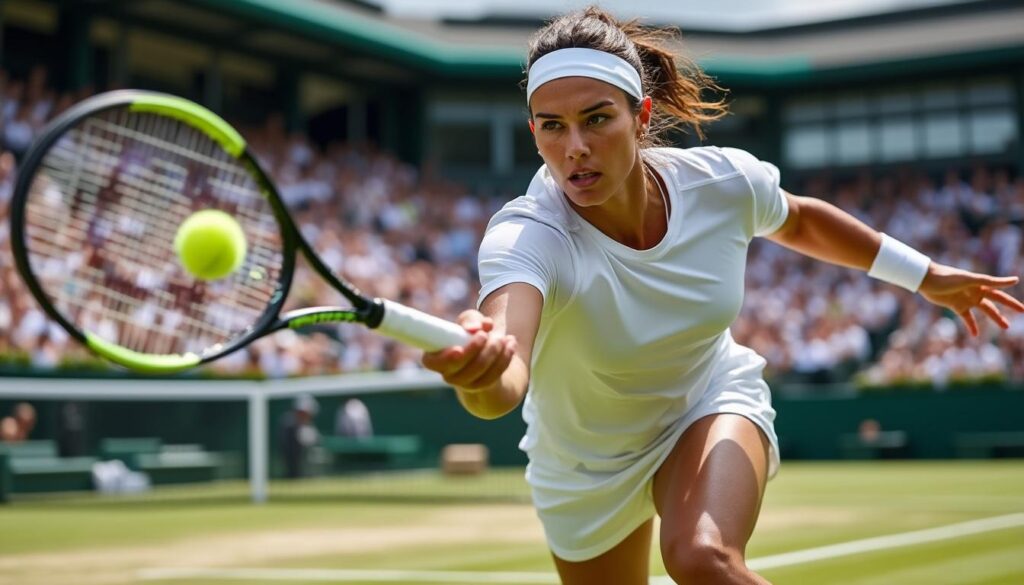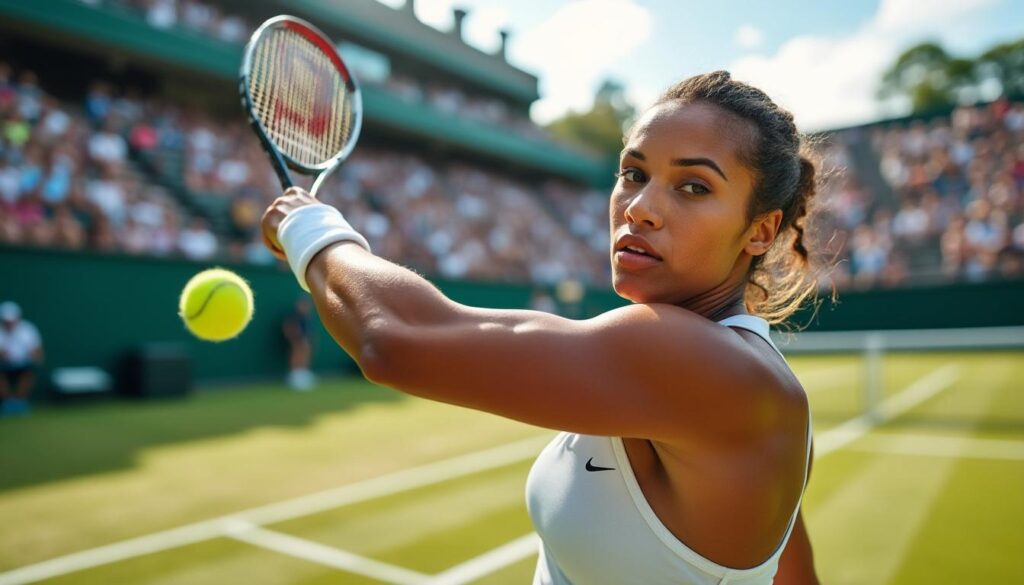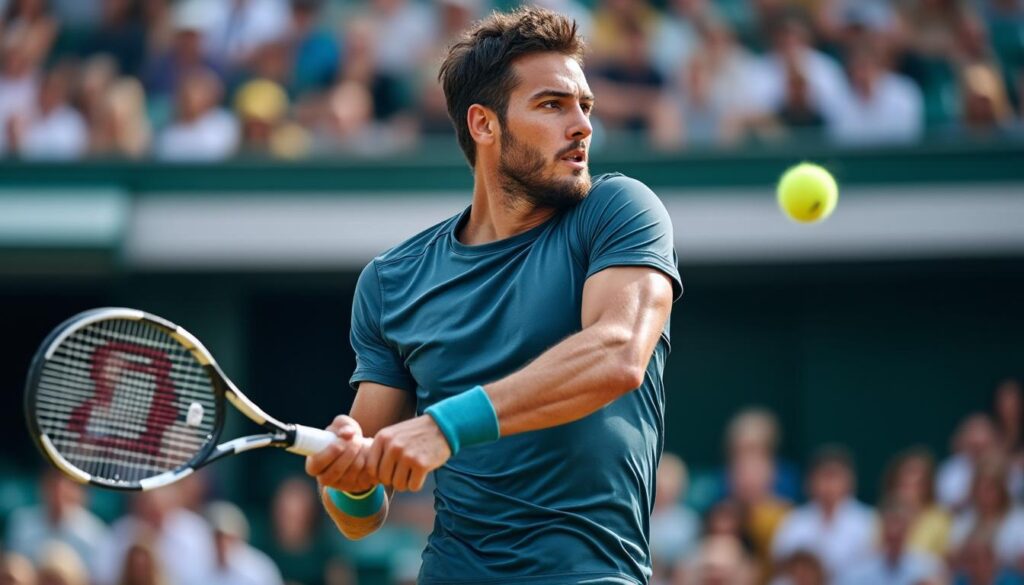
The tennis courts of Bologna once again became the crucible for elite competition in November 2025 as the world tuned in to witness the intense battles of the Davis Cup Final 8. Beyond the electrifying rallies and relentless competition, a deeper layer of strategic mastery emerged—particularly in the realm of the return of serve. Coaches and players painstakingly analyzed patterns established during these matches, creating tailored session plans dedicated to refining one of the most crucial aspects of professional tennis: the serve return.
Return of serve practice has always commanded a central position in tennis training, but the intricacies revealed during the Davis Cup’s high-pressure encounters brought a fresh imperative—how to efficiently dismantle aggressive serves and neutralize opponents’ initial shots before rally play truly begins. The November 2025 sessions revolve precisely around these themes, developing drills founded firmly on Final 8 patterns from Bologna, marrying the latest insights in match strategy with tried-and-tested tennis drills.
Whether aspiring players or seasoned professionals seek to fortify their return game, the carefully structured session plans inspired by Bologna’s decisive matches establish a roadmap for cultivating sharpened reflexes, improved anticipation, and tactical versatility. The ensuing analysis dives into the layers of return of serve training illuminated by the Davis Cup spectacle, unwrapping the nuances essential to mastering this pivotal element of tennis training.
Here, expert insights meet experiential lessons from the world’s biggest stages, laying a foundation for improved match outcomes through precise practice routines designed to enhance the return game under actual competitive conditions.
Analyzing Davis Cup Final 8 Patterns: Foundations for Effective Return of Serve Drills
The rigorous atmosphere of the 2025 Davis Cup Final 8 in Bologna highlighted distinct serve-return patterns that have become invaluable for tactical session planning. The teams competing at this apex level revealed tendencies—such as preferred serve placements, response strategies, and subsequent rally positioning—that coaches now decode to optimize training.
Breaking down these patterns unveils how top players adjust their return stance and footwork to anticipate the direction and spin of serves, providing a template for replicating match intensity in practice. For example, an overwhelming preference for wide serves in second serves among finalists led returners to emphasize lateral speed and dynamic split-step takes in drills, teaching players how to seize initiative even when dealing with aggressive placements.
This dissection informs a practical sequence of tennis drills as follows:
- Reading serve cues: Players focus on anticipating ball toss and server’s arm position to predict serve type.
- Reactive footwork: Quick split-step exercises paired with multi-directional recovery runs designed to mimic live return scenarios.
- Return directionality: Practicing returning short, deep, or angled serves with consistent precision to trigger offensive positions.
- Immediate follow-up shots: Encouraging a ‘serve plus one’ mentality, as described in serve plus one ATP strategies, where the returner prepares for aggressive court positioning after the return.
By embedding these insights into a coherent session plan, players are able to embed tactical awareness within muscle memory. The sessions mimic the match environment closely, emphasizing not only return accuracy but also the psychological readiness to counter high-pressure serves. The blend of analysis and practice strengthens players’ ability to dismantle opponents’ serves across different surfaces, notably the hard courts typical of Bologna’s Final 8 stage.
| Return Drill Component | Purpose | Match Relevance |
|---|---|---|
| Anticipation drills | Develop predictive cues recognition | Prepares players for opponent variability in serve |
| Split-step and explosive footwork | Enhance reaction times | Essential against fast, angled serves well-documented in Davis Cup matches |
| Precision return placement | Create offensive advantage | Enables tactical control shortly after return |
| Serve plus one follow-up exercises | Capacity to sustain pressure post-return | Reflects strategies used by finalists to seize points early |
These structures bridge theoretical understanding with real-world application, forming the backbone for the comprehensive session plan drawn from the 2025 Davis Cup Final 8 patterns.
Building Serve Practice into Tennis Training: Integrating Serve and Return for Competitive Edge
Mastering serve practice is not confined to delivering powerful serves; it also involves cultivating the ability to anticipate and outmaneuver the opponent’s return game. The Davis Cup Final 8 memories emphasize this interplay, urging coaches to design training that synergizes serve excellence with return resilience.
Serve practice drills from Bologna’s high-stakes matches focus on diverse delivery—mixing serve speeds, spins, and placements—to unsettle returners and create openings. A comprehensive session plan includes:
- Targeted serve zones: Teaching players to consistently hit zones that historically challenge returners in Davis Cup matches.
- Varied spin application: Combining flat, slice, and kick serves within practice to refine serve invisibility and bounce unpredictability, a tactic reflected in top serve accuracy analyses found in highest serve accuracy players.
- Speed manipulation: Incorporating serve speed control drills, enabling players to manage tempo and unsettle opposing rhythm.
- Serve and volley scenario training: Preparing players for aggressive court approach after the serve, echoing the strategy observed frequently in the Davis Cup’s Final 8.
The principle behind this methodology is to treat serving and returning as a unified forethought rather than isolated skills. Tennis training that fuses these elements nurtures a complete tactical mindset, ready to adapt to fluctuating match conditions. Suspended between precision and power, serve practice expands into drills that also consider mental preparation, stress management, and situational awareness.
| Serve Practice Drill | Objective | Match Strategy Link |
|---|---|---|
| Zone targeting drills | Enhance serve placement consistency | Disrupt known returner preferences |
| Spin variety practice | Create serve unpredictability | Reduce return accuracy as evidenced in professional tournaments |
| Speed control exercises | Manipulate rally tempo | Apply pressure by alternating serve speeds during points |
| Serve and volley simulation | Develop fast court transition skills | Replicate aggressive tactics from Davis Cup matches |
Successful integration of serve practice with return training ultimately equips players for comprehensive match strategy mastery, contributing to more dynamic and unpredictable gameplay that remains competitive across formats and surfaces.
Session Plan Design: Step-by-Step Approach to Return of Serve Success
Creating an effective session plan anchored on Davis Cup Final 8 patterns requires tactical sequencing, variety, and measurable objectives. The outlined plan focuses on incremental skill-building that guides players from fundamental mechanics to advanced competitive nuances.
Key phases of the session plan include:
- Warm-up and baseline positioning drills: Focusing on correct split-step execution and pre-serve anticipation.
- Replay simulation drills: Serving practices that replicate opponent serve types drawn from the Davis Cup data.
- Return shot placement practice: Targeting cross-court, down-the-line, and short return spots to foster decision-making agility.
- Pressure point scenarios: Simulated tie-break or deuce point exercises teaching players mental toughness and reactive precision, such as those recommended in the simulate tie break pressure guidelines.
- Cool down and analytical review: Video feedback sessions with emphasis on movement efficiency and serve reading accuracy.
By framing the session this way, coaches craft a comprehensive tennis training approach that balances physical conditioning, technical skill, and psychological readiness. The variability in drills ensures players develop versatility essential for navigating unpredictable serve patterns often encountered during high-stakes Davis Cup matches.
| Session Phase | Focus Area | Training Outcome |
|---|---|---|
| Warm-up | Footwork and anticipation | Enhance readiness and reduce reaction time |
| Serve simulation | Experience opponent serve types | Improve predictive accuracy |
| Placement practice | Return shot direction control | Encourage offensive start to rallies |
| Pressure drills | Mental strength under point pressure | Develop clutch performance ability |
| Cool down & analysis | Body recovery and tactical feedback | Refine mechanics and strategy execution |
With this sophisticated session plan, athletes achieve an elevated return of serve proficiency that converges technical skill with emotional resilience, critical during the Final 8 pressure cooker of the Davis Cup.
Incorporating Recovery and Conditioning into Return of Serve Preparation
High performance in return of serve necessitates robust physical conditioning and proper recovery protocols, aspects often overlooked in purely technical training. The grueling schedule of Davis Cup 2025’s Final 8 underscores the importance of maintaining peak fitness to maximize match strategy execution during serves and returns.
Key conditioning elements tailored for return of serve excellence include:
- Explosive leg strength development: Focusing on drills that increase split-step vigor and lateral movement speed.
- Core stability workouts: Enhancing balance and shot control during the dynamic motions of return strokes as detailed in shoulder stability circuit and core modules.
- Recovery routines: Incorporating flexibility and mobility sessions post-practice to maintain muscle suppleness and injury resistance.
- Nutrition and hydration plans: Ensuring players sustain optimal energy levels to react effectively during serve return points.
Physical preparation directly influences how a player absorbs the explosive nature of serving while executing quick, precise return strokes. Conditioning plans focused on hard courts like those used in Bologna, as discussed in conditioning plans hard courts, tailor exercises to the fast, low-bounce conditions—imperative for effective return responses.
| Conditioning Component | Purpose | Impact on Return of Serve |
|---|---|---|
| Leg plyometrics | Boost explosive lateral power | Enhance split-step efficiency |
| Core stability drills | Improve balance during shot preparation | Increase shot precision and reduce injury |
| Post-session recovery | Restore muscle flexibility and endurance | Maintain consistency across training days |
| Nutritional strategies | Support sustained energy delivery | Optimize mental and physical responsiveness |
Marrying physical preparedness with technical prowess ensures each return of serve practice session culminates in a holistic improvement—building resilience, refinement, and readiness for match demands seen at the highest competitive level.
Enhancing Match Strategy: Tactical Return Patterns Derived from Bologna’s Davis Cup Final 8
The tactical dimension of return of serve practice emerges as players transition theory and drills into live match play. The diverse serve patterns observed during Bologna’s Davis Cup Final 8 serve as a strategic resource, revealing how returners exploit weaknesses, pressure servers, and set up for point-winning shots.
Several tactical insights stand out for strategic training emphasis:
- Exploiting server’s second serve tendencies: Particularly targeting kick, wide, or body serves with aggressive positioning to turn defense into offense quickly.
- Adjusting split-step timing: Returning with split-step variations depending on serve speed and spin, improving reaction efficiency—concepts explored in return serve split step tutorials.
- Selective high-percentage returns: Training to prefer cross-court directions early in rallies to maximize court coverage and force opposing errors.
- Reading server habits and patterns: Utilizing video analysis, as done extensively by Davis Cup teams, to pre-empt serve types and adapt return posture dynamically.
Training for these patterns enhances the tactical acumen necessary to compete at the highest levels and builds confidence in players’ capacity to make split-second decisions under pressure. Session plans incorporating these tactical priorities transform return of serve from mere reaction into proactive point construction, a critical edge in elite tennis competition.
| Tactical Pattern | Training Focus | Match Impact |
|---|---|---|
| Targeting second serve vulnerabilities | Aggressive stance and positioning | Shorten rallies and seize control |
| Split-step timing optimization | Adaptive footwork responses | Enhance return consistency |
| Priority return directions | Shot placement strategy | Create offensive opportunities |
| Video-based serve pattern recognition | Pre-match tactical preparation | Reduce opponent’s unpredictability |
Incorporating these facets elevates the return tactical framework, reinforcing habits that have been battle-tested during the tension-filled points of the 2025 Davis Cup Final 8 in Bologna.
What is the most effective footwork technique for returning serve?
The split-step remains the cornerstone technique for effective return of serve, enhancing readiness and enabling quick directional changes in response to various serve types and placements.
How can players simulate Davis Cup match pressure in practice?
Players can adopt pressure point drills such as simulated tie-break scenarios, as recommended in simulate tie break pressure, to build mental resilience and improve performance during crucial moments.
Why is integrating serve and return practice beneficial?
Integrating serve and return drills cultivates a holistic understanding of rally dynamics, enabling players to anticipate opponents’ tactics and adapt strategies more fluidly during matches.
What conditioning exercises best support return of serve?
Leg plyometrics to boost explosive lateral movements, core stability workouts for balance, and recovery routines to maintain agility are crucial conditioning exercises vital for efficient return of serve preparation.
How has video analysis influenced tactical return of serve training?
Extensive video analysis of serve patterns allows players to recognize tendencies, optimize split-step timing, and select high-percentage return strategies, markedly enhancing competitive readiness.