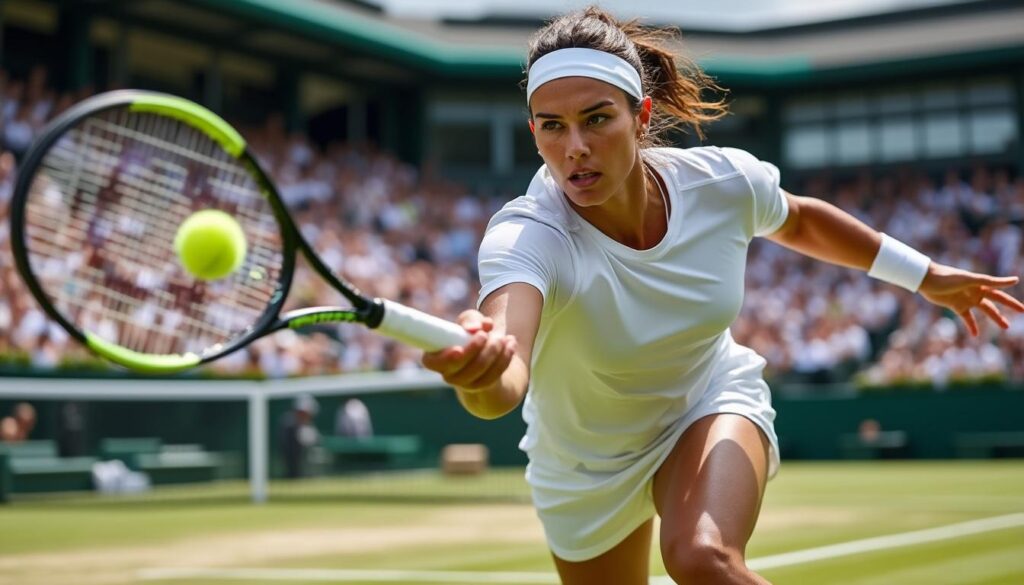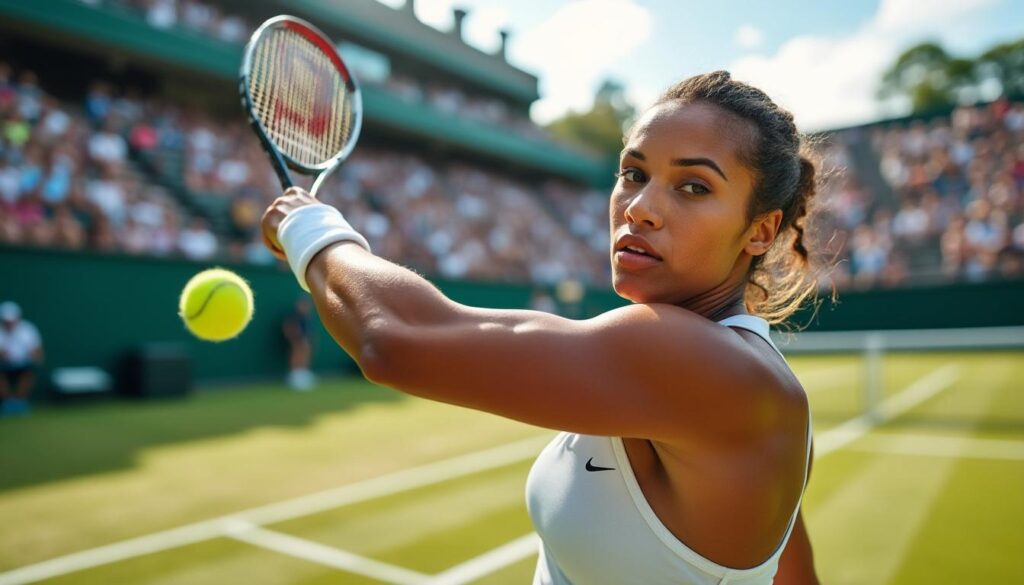
In the fiercely competitive world of tennis, preparation for match day can be the ultimate difference maker between triumph and disappointment. As key rounds approach in December 2025, both seasoned players and aspiring talents must sharpen not only their physical abilities but also their mental resilience to secure their positions in tournament history. The blend of performance optimization, refined pre-game routines, and strategic development paves the way for success under pressure. From mastering stress management to aligning nutritional guidance with physical conditioning, these match preparation tips are designed to propel players to their peak when it counts most on the court.
Professional tennis in late 2025 showcases an evolved arena where every detail matters: players’ heightened focus on mental clarity and tactical adaptability is as essential as their serve velocity and footwork precision. The stakes in key rounds are elevated, demanding not just physical prowess but also an unbeatable mental edge. Winning often hinges on a player’s ability to regulate emotions, optimize energy reserves, and execute well-practiced strategies with forensic precision. These complex requirements have given rise to holistic approaches in training and match day rituals that incorporate technology, psychology, and evidence-based nutrition.
Understanding and employing effective match preparation techniques can transform a player’s journey through high-pressure matches, culminating in elevated confidence and performance sustainability. Players must sculpt their routines around individualized needs while staying abreast of the latest developments in training science. By internalizing sound principles ranging from tactical session execution to interval-based workouts and tailored recovery processes, athletes equip themselves to seize the spotlight with clarity and vigor. As the competitive calendar marches toward its climax, maximizing each pre-match element lays the groundwork for seizing every crucial opportunity on the court.
En bref :
- Consistent pre-game routine enhances not only physical readiness but sharpens mental focus critical in key rounds.
- Integrating data-driven strategy development refines decision-making under pressure.
- Stress management protocols minimize anxiety, allowing players to channel energy more efficiently.
- Proper nutritional guidance and physical conditioning combined deliver sustained performance throughout match day.
- Real-time adaptations and tactical flexibility are fundamental in navigating high stakes with confidence.
Harnessing Mental Focus and Stress Management to Elevate Match Preparation
Elite tennis players understand that mental focus is the cornerstone of high-level performance. Especially during critical rounds, the ability to channel concentration despite external pressure separates champions from their competitors. In 2025, psychological training is no longer a side aspect but a fundamental element of match preparation that requires deliberate effort and precise techniques to master.
One powerful approach to achieving peak mental readiness involves structured visualization and cognitive rehearsal. Visualizing plays, outcomes, and tactical adjustments primes the mind for the complexity of live competition, reducing uncertainty and boosting confidence. This exercise fosters a “blueprint of success,” ensuring that when pressure mounts, the player’s mental rhythm remains focused and undisturbed. The development of this resilience is supported by tools such as mental toughness circuits and guided mindfulness sessions that promote clarity and emotional regulation.
Effective stress management routines are equally vital. Pre-match routines that include controlled breathing exercises and progressive muscle relaxation temper anxiety levels, allowing players to maintain composure as the match approaches. Such strategies are reinforced by listening to carefully curated music playlists to either energize or soothe depending on individual needs. Athletic trainers increasingly emphasize the integration of these tactics to complement traditional physical warm-ups and bolster overall preparedness.
Additionally, the synchronization between mental and physical preparation creates a state often described as “flow,” where players experience heightened awareness and effortless execution, even in the most intense situations. Developing control over one’s mindset before stepping onto the court ensures players enter key matches with a dominant psychological advantage. Harnessing consistent pre-match mental routines builds confidence, delivering greater performance reliability across varied competitive environments.
- Practice visualization of tactical scenarios several times in the days leading up to key matches.
- Incorporate mindfulness exercises daily to strengthen focus endurance.
- Develop a personalized stress management playlist for pre-match calming or energizing.
- Systematically evaluate pre-match mental readiness to adjust preparation routines.
| Technique | Purpose | Recommended Frequency |
|---|---|---|
| Visualization | Prepares mind for real-match scenarios | Daily, especially before competition days |
| Progressive Muscle Relaxation | Reduces anxiety and physical tension | Before matches and during rest periods |
| Mindfulness Meditation | Enhances attention control and reduces distractions | 3-5 times per week |
| Music Therapy | Modulates arousal and mood | Match day warm-ups and cooldowns |
For more in-depth methods on sustaining mental sharpness during competition, players can explore advanced mental focus techniques that are reshaping player preparation across the circuit. Developing mental fortitude not only improves decision-making but also aids in navigating unexpected match dynamics.

Optimising Physical Conditioning and Nutritional Guidance for Sustained Energy
Physical conditioning remains the bedrock of any successful tennis undertaking, especially during the demanding end-of-year tournaments. Players looking to maximize performance in the critical December rounds must focus on targeted conditioning regimes that blend strength, agility, endurance, and flexibility.
In 2025, customized training programs emphasize the integration of tennis-specific interval workouts with strength circuits. Such sessions improve cardiovascular resilience while simultaneously enhancing explosive power and stroke consistency. Utilizing modern training technologies, coaches closely monitor player workload to avoid burnout, ensuring peak readiness when matches demand it most.
Equally crucial is the role of meticulously tailored nutrition plans. Proper match-day fueling governs energy availability and recovery. Strategic carbohydrate timing before play primes muscular glycogen stores, while hydration protocols prevent fatigue and cramping – issues especially prevalent during intense play or varying environmental conditions. Studies confirm that players who adhere to optimized match day nutrition outperform those who neglect diet nuances.
Players benefit from guidelines on nutrient-rich meals, snacking schedules, and supplements customized to individual metabolism and tournament contexts. The synchronization of physical conditioning with nutritional strategies enables consistent output, reduces injury risks, and sharpens mental acuity on court. Further details on effective match-day fueling can be found in specialized resources about nutrition and refueling protocols.
- Incorporate tennis interval workouts aimed at improving recovery between points and matches.
- Schedule strength circuits focused on core and shoulder stability to support powerful strokes.
- Follow hydration routines involving electrolyte-balanced fluids before and during matches.
- Adopt carbohydrate-timed snacks 60-90 minutes before matches to ensure peak glycogen availability.
- Use recovery tools post-match to enhance muscular repair and reduce soreness.
| Component | Purpose | Timing |
|---|---|---|
| Carbohydrate Loading | Maximizes energy reserves | Day before and 1-2 hours prior |
| Hydration with Electrolytes | Maintains fluid balance and prevents cramps | Pre-match and every 15-20 mins during play |
| Protein Intake | Supports muscle recovery | Post-match and during training days |
| Stretching and Mobility Exercises | Enhances flexibility and injury prevention | Daily, with emphasis on warm-ups and cooldowns |
For those seeking to fine-tune their physical preparation further, consulting methods on tennis-specific conditioning offers comprehensive insight into balancing stamina and strength modification effectively.
Refining Pre-Game Routine and Tactical Strategy Development for Competitive Advantage
The moment leading up to the first serve defines the battlefield where preparation converts into performance. A refined pre-game routine encompassing physical warm-ups, mental cues, and tactical reflections provides players with the composure and clarity vital for excelling in key rounds.
Foremost is the emphasis on warm-ups tailored to exploit dynamic movements relevant to match tempo. Players marrying technical serve-and-volley drills with mobility stretches heighten neuromuscular readiness, minimizing injury risk while sharpening reflexes. Combining these with position-specific tactical sessions ensures mental engagement aligns harmoniously with physical activation.
Players are urged to internalize match strategies conditioned by scouting reports and opponent analysis, translating these insights into adaptable in-game decisions. The 2025 trend integrates real-time tactical adjustments informed by advanced data analytics, delivering a competitive edge via instant insights on opposition tendencies. This flexible, anticipatory planning enables players to maintain dominance or counterattack swiftly during momentum shifts.
- Establish a warm-up sequence encompassing cardio, mobility, and targeted shot drills.
- Revisit the winning match strategy including serve placement, return tactics, and positioning schemes.
- Engage in pre-match visualization of opponent patterns and possible tactical scenarios.
- Confirm and adjust equipment, such as strings tension, to complement intended playing style.
- Allocate time for last-minute recovery and mental relaxation before match commencement.
| Pre-Game Component | Function | Optimal Duration/Timing |
|---|---|---|
| Dynamic Warm-up | Heat muscles, activate nervous system | 15-20 minutes pre-match |
| Tactical Review | Refine match plan and adaptability | 30 minutes pre-match |
| Equipment Check | Ensure optimal racket and gear performance | 10 minutes pre-match |
| Mental Relaxation | Reduce anxiety, build confidence | 5-10 minutes pre-match |
Players looking for drills to complement pre-match routines can explore specialized serve and volley drills designed for indoor facilities, optimizing court positioning and shot precision ahead of decisive matchups.
Adapting to Environmental Variables and Utilizing Recovery Strategies in Tournament Play
Environmental conditions and recovery practices form the often overlooked pillars that substantially influence a player’s performance during high-stakes matches. Fluctuations in temperature, humidity, and venue specifics demand tailored adaptations that maintain a player’s efficacy and endurance throughout each round.
Players are advised to prepare for varying conditions by adopting hydration strategies, including electrolyte replacements, that combat cramping and fatigue often exacerbated in challenging climates. Equally, choosing appropriate apparel and accessories to regulate body temperature can make subtle but meaningful differences in comfort and performance.
Recovery protocols between matches, particularly in tournaments with accelerated schedules, are critical. Techniques encompassing active recovery, stretching, and the utilization of advanced tools such as compression garments and massage devices support muscular repair and reduce inflammation. Proper sleep hygiene and restorative practices further ensure that players can return to the court refreshed and ready to execute their optimal game plan.
- Monitor environmental conditions and adjust hydration accordingly.
- Utilize cooling vests or moisture-wicking apparel during warm-ups to manage temperature.
- Implement active recovery protocols post-match, including light cycling or swimming.
- Employ targeted stretching routines to maintain joint mobility and reduce stiffness.
- Prioritize quality sleep and consider relaxation aids for optimal rest.
| Recovery Strategy | Benefit | Recommended Application |
|---|---|---|
| Active Recovery | Reduces muscle soreness and speeds up healing | 20-30 minutes within hours after match |
| Compression Therapy | Improves blood flow, reduces inflammation | Post-match for 30-60 minutes |
| Hydration and Electrolyte Replacement | Prevents cramps and maintains endurance | Before, during, and after matches |
| Sleep Optimization | Enhances cognitive function and physical repair | 7-9 hours nightly during tournament |
Players interested in comprehensive recovery methods can consult the tennis recovery toolkit which aggregates best-practice advice and emerging modalities tailored specifically for athlete longevity within tournament contexts.
Building Consistency Through Matchday Rituals and Tactical Adaptability for Key Rounds
Consistency on the court is not an accidental feat but the product of disciplined matchday rituals and acute tactical adaptability. Players who impose a structured yet flexible approach to their routines buttress their performance resilience and optimize success into crucial tournament phases.
Adopting reliable rituals—including precise warm-up sequences, mental cue resets, and equipment checks—anchors players in their best form. These routine elements reduce variability in performance by stabilizing mental and physical readiness across fluctuating match conditions. Meanwhile, the capacity to adapt tactics mid-match by analyzing opponent behavior and court conditions underpins effective counter-play. This dynamic balance emphasizes not just preparation but also in-the-moment intelligence.
With the advancement of in-match data tracking, players now receive immediate feedback on serve efficiency, location tendencies, and shot placement, enabling smarter decision-making. This feedback loop enriches the tactical arsenal and aligns closely with pre-match planning, allowing seamless execution across pressure-filled key rounds.
- Establish and adhere to a consistent pre-match ritual to foster readiness and confidence.
- Develop mental markers to quickly re-center focus during game fluctuations.
- Utilize real-time performance data to adjust shot selection and positioning.
- Embrace tactical session reviews to anticipate opponent strategies effectively.
| Element | Role in Consistency | Frequency |
|---|---|---|
| Pre-Match Ritual | Stabilizes mental and physical states | Every match |
| Mid-Match Focus Reset | Maintains concentration and resilience | As needed during match |
| Data-Driven Tactical Adjustments | Enhances match responsiveness | Continuous throughout match |
| Tactical Session Review | Prepares for varied opponent behavior | Before key rounds |
For further insights on refining tactical adaptability and ensuring match-ready fitness, consider resources on fitness and strategy harmonization that bridge physical preparation with tactical execution.
How important is mental focus during match preparation?
Mental focus is crucial; it sharpens decision-making, controls emotional responses, and enhances overall performance, especially in key rounds. Structured routines like visualization and mindfulness improve this focus consistently.
What role does nutrition play in tennis match performance?
Proper nutrition fuels energy reserves and supports recovery, allowing players to maintain peak output throughout demanding matches. Timing carbohydrate intake and hydration are key factors in nutrition planning.
How can players adapt their strategies during a match?
Players can use real-time data and observations to adjust tactics on court, such as changing serve locations or exploiting opponent weaknesses, enhancing their chance to control and win key points.
Why is recovery important between tournament matches?
Recovery protocols reduce fatigue and injury risk, enabling players to sustain high levels of performance across multiple matches in a competitive schedule.
What are effective pre-match rituals to boost performance?
Consistent warm-up exercises, equipment checks, tactical review, and mental relaxation techniques align the body and mind, preparing players to perform confidently under pressure.