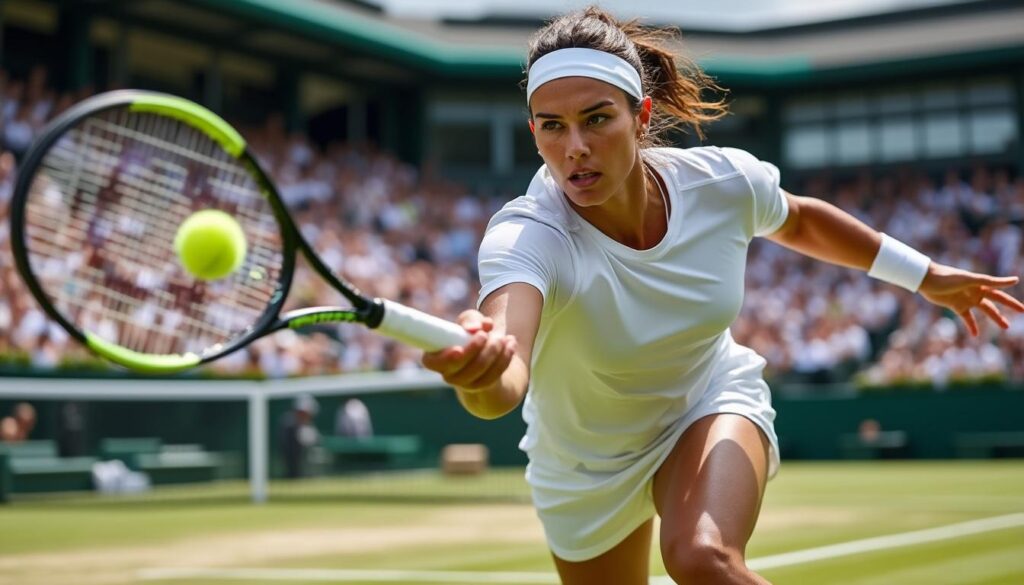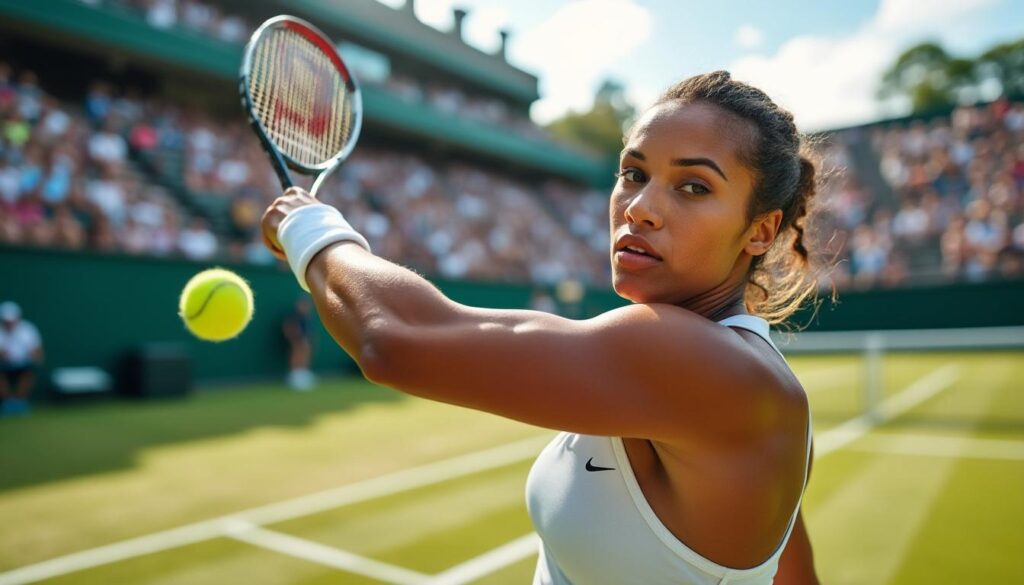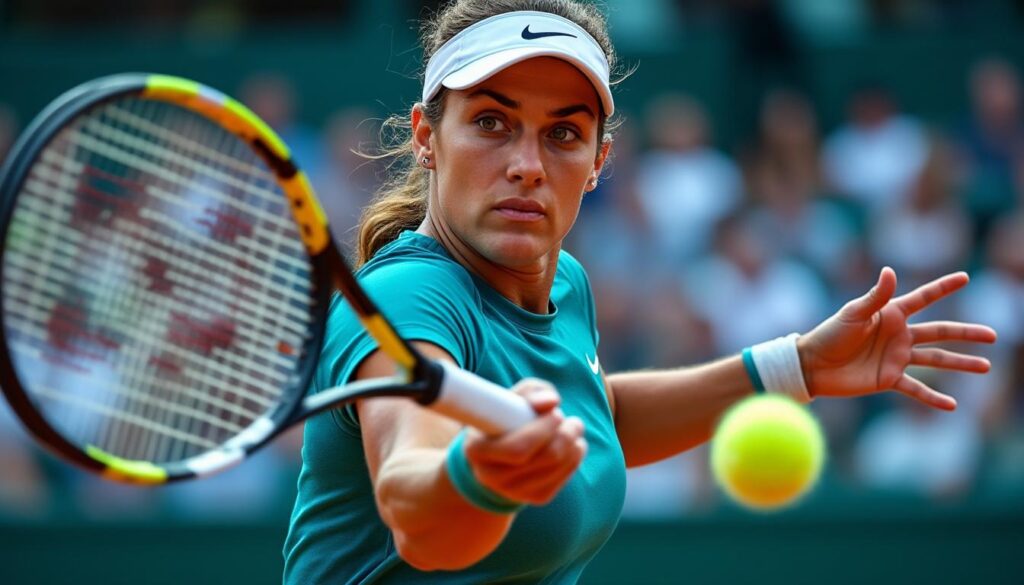
As the tennis world hurtles toward December 2025, players and coaches are sharpening their tools with a fierce focus on serve efficiency—a cornerstone of domination on the court. The serve isn’t just the opening shot; it’s a weapon that sets the tone and often dictates who controls the match. Elite servers know this all too well, combining raw power with surgical accuracy that can dismantle even the fiercest opponents. But behind every seemingly effortless ace lies a regimented routine of drills and techniques designed to boost serve consistency, precision, and speed in a way that withstands the pressure cooker of competition.
In the crucible of December’s off-season, when players push their limits in training camps and indoor facilities, mastering these serve efficiency drill methods can make the difference between fading out early and starting the next season with a roar. These drills balance power with precision, mental focus with physical conditioning, and repetition with smart technique. They don’t just improve your tennis serve; they transform it into a weapon of tactical terror that keeps rivals guessing.
- Develop muscle memory through shadow serving and target drills to ensure mechanical efficiency without the distraction of ball contact.
- Use serve-and-freeze techniques to analyze balance and follow-through—critical for maintaining a consistent motion.
- Isolate and perfect the ball toss because a flawless toss is the foundation for both power and accuracy.
- Incorporate serve-to-target games that simulate match pressure and promote precision under fire.
- Enhance explosive power and endurance through biomechanical and fitness-focused training routines.
Mastering Serve Efficiency: Secrets Behind Elite Server Techniques
Tennis serves are often the most feared stroke in the game, and for good reason. When an elite server steps onto the court, they carry with them a blend of science, art, and experience forged through countless repetitions of efficiency drills. At its core, serve efficiency is about the seamless fusion of power and precision—a high-octane ballet choreographed to throw opponents off balance from the first ball.
One hidden gem in elite training is the use of medicine ball and resistance exercises to build explosive shoulder and core strength. These exercises don’t just bulk up; they train the muscles to fire in perfect timing, amplifying racquet head speed without sacrificing control. Players like Carlos Alcaraz and Daniil Medvedev have showcased the results of such regimens with blistering serves that slice through courts at over 130 miles per hour, yet still place consistently inside tight service boxes.
Shadow serving—where players rehearse the serve motion without a ball—is another drill favored by elite coaches, ensuring that mechanics like shoulder rotation, toss height, and follow-through become second nature. Visualizing targets during this drill prepares the serve trajectory before the ball ever leaves the hand. It also integrates mental rehearsal, reinforcing neural pathways that bind movement precision to serve placement.
This background work feeds directly into high-pressure scenarios, helping players nail crucial serves when the crowd is roaring and the stakes sky-high. Detailed mechanical awareness built through these drills not only boosts accuracy but safeguards against injury, ensuring longevity in a demanding sport.
More on refining serve mechanics and mechanical efficiency can be found in killer serve biomechanics resources, providing in-depth breakdowns of racquet angle, kinetic chain coordination, and ideal toss trajectories. These resources reveal how subtle tweaks can lead to massive improvements in serve consistency.
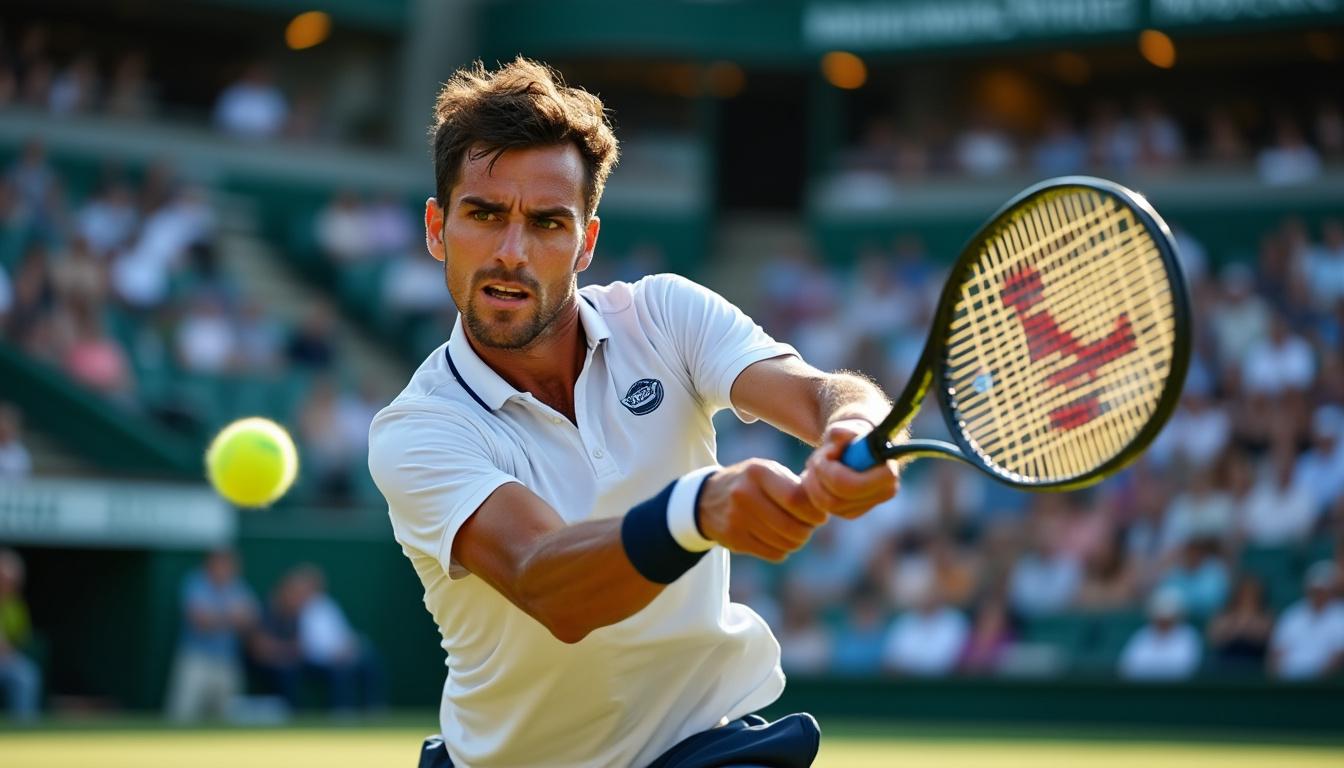
Precision Under Pressure: Drills to Build Serve Accuracy and Consistency
Speed alone won’t secure the point; without accuracy, even the fastest serves become wasted opportunities. Elite players implement an arsenal of serve improvement drills that prioritize pinpoint placement alongside power, transforming their serves into tactical tools rather than mere weapons.
A standout technique is the Serve-to-Targets Game, where players set up cones or marked zones in the service box—Deuce wide, Ad T, and body serves—and aim to hit defined targets multiple times in a row. This drill converts training into a competitive challenge, building not only muscle memory but also the mental toughness to execute under match stress. Tracking scores or setting personal goals transforms it from a routine into a game of pressure simulation, crucial for the nerve-wracking moments of ‘match point.’
Another indispensable drill isolates the ball toss, often the unseen culprit behind inconsistent serves. By tossing repeatedly and marking the ideal landing zone with chalk, players develop an instinctive feel for the toss—a tiny but mighty factor in both serve timing and accuracy. Most elite right-handed servers aim for a toss landing slightly in front and to the right near eye level, enabling the ideal hitting sweet spot.
Serve + Freeze drills push players to hold their follow-through post-serve, providing immediate feedback on balance, weight transfer, and racket alignment. Coaches use this moment to spot faults that can cause inconsistency, such as hip rotation failures or premature weight shifts, correcting errors before they become ingrained habits.
Combine these focal points with progressive variations—flat serves, slice, and kick serves—to develop a versatile arsenal that keeps opponents guessing and maximizes both power and precision. For an expanded view on player serve strategies, visit this exploration of serve-plus-one ATP patterns.
Developing Explosive Power and Speed Through Serve-Focused Training
At the heart of serve efficiency lies explosive power—the raw fuel propelling the ball past opponents before they can react. Elite servers craft this explosive ability through rigorous, serve-specific conditioning emphasizing rotational strength and fast-twitch muscle recruitment.
Core strength training using medicine balls, cable rotations, and plyometrics enhances the kinetic chain’s fluidity from legs to torso to racquet. For example, medicine ball overhead throws mimic the serve’s racquet acceleration phase, training muscles to deliver bursts of force with precision timing. When combined with strength and core conditioning programs like those described in offseason conditioning for power, players cultivate the stamina to sustain serve velocity across grueling matches.
Pre-season serve speed programs have evolved to incorporate biomechanical analysis and customized resistance training. These incorporate racquet head speed drills, weighted swings, and interval training to enhance neuromuscular efficiency without compromising form. The impact is evident in modern tournaments where serve speeds have skyrocketed, reshaping baseline-to-serve dynamics.
Dynamic serve drills simulating match intensity, such as reacting immediately to randomized target calls, condition the nervous system to execute under pressure, blending power and mental precision. This cognitive component is essential; raw power without control is a gamble that seasoned champions avoid.
Interested players might explore dedicated serve speed training resources for detailed protocols combining strength, speed, and precision to elevate serving performance to elite levels.
Integrating Mental Conditioning for Serve Consistency and Confidence
Tennis thrives as much on mental fortitude as on physical prowess, and nowhere is this truer than in serving. The pressure to deliver under duress requires nerves of steel cultivated through mental conditioning routines tailored specifically for serve consistency.
Mental drills focus on decision-making, maintaining calm focus, and simulating match pressure—all crucial elements to reliable serving. Techniques include visualization, tempo regulation, and controlled breathing to steady muscle tension and promote repeatable serve mechanics. This approach complements physical drills by forging trust in the body’s ability to replicate flawless motion, even on the biggest points.
A notable mental exercise is the Serve-Return Rhythm Drill, where the server practices a rhythmic tempo while a partner gently catches the ball, emphasizing relaxed fluidity over brute force. The analogy to music—finding the right tempo rather than rushing—can be transformative for players struggling with timing or serving anxiety.
Psychological resilience is often cited among the traits separating champions from contenders, and serve-focused mental training protocols, such as those shared in mental training for consistency, help athletes maintain clutch accuracy in tense moments. This mental edge harmonizes with physical skill, producing a serve that’s as consistent as it is devastating.
Incorporating mental and physical serve training results in a holistic approach that prepares players for the relentless demands of professional tennis, particularly in the pivotal season finale months around December.
Comprehensive Serve Efficiency Training: Balancing Power, Accuracy, and Consistency
True mastery of serve efficiency arises from a symphony of elements—a multi-faceted training regimen that balances power, accuracy, consistency, and endurance. Below is a breakdown of the key training components observed in elite serve development, offering players a blueprint to elevate their serve in December 2025 and beyond:
| Training Component | Primary Focus | Example Drills | Expected Outcome |
|---|---|---|---|
| Core & Explosive Power | Rotational strength, fast-twitch muscle activation | Medicine ball throws, cable woodchoppers, plyometrics | Increased serve speed and power endurance |
| Technique & Placement | Consistency, target accuracy | Shadow serving, serve-to-target games, toss isolation | Consistent ball placement, reduced double faults |
| Mental Conditioning | Pressure handling, decision-making | Serve-return rhythm drills, visualization, breathing techniques | Confidence under pressure, improved serve reliability |
| Endurance & Athleticism | Serve speed sustainability, recovery | Interval sprints, dynamic stretching, cross-training | Maintain serve velocity late in matches |
Incorporating these elements into daily serve training—especially during pre-season blocks highlighted in preseason training programs—empowers players to build serve efficiency that withstands the toughest competition.
From the subtleties of the toss to the explosive power in the kinetic chain, from mental toughness to physical endurance, every detail counts. Whether the goal is to outpace an opponent or precisely place a tricky kick serve, serve efficiency drills in December 2025 continue to evolve—making the serve an art form and a lethal weapon on the modern tennis battlefield.
What is the most important factor for improving serve consistency?
Consistent ball toss and balanced body mechanics are fundamental for achieving repeatable and reliable serves.
How can shadow serving drills help elite servers?
Shadow serving helps build muscle memory and refine the serve motion without distractions, ensuring mechanics are precise before adding ball contact.
Why is mental conditioning crucial for serve efficiency?
Mental conditioning helps players manage pressure, maintain focus, and execute their serve technique confidently during high-stakes moments.
Can endurance training affect serve speed?
Yes, endurance training supports the ability to maintain serve power and quick recovery throughout long matches, preventing drop-off in serve velocity.
How do serve-to-target games improve match performance?
They simulate match pressure and enhance precision by challenging players to hit specific service zones consistently under competitive conditions.