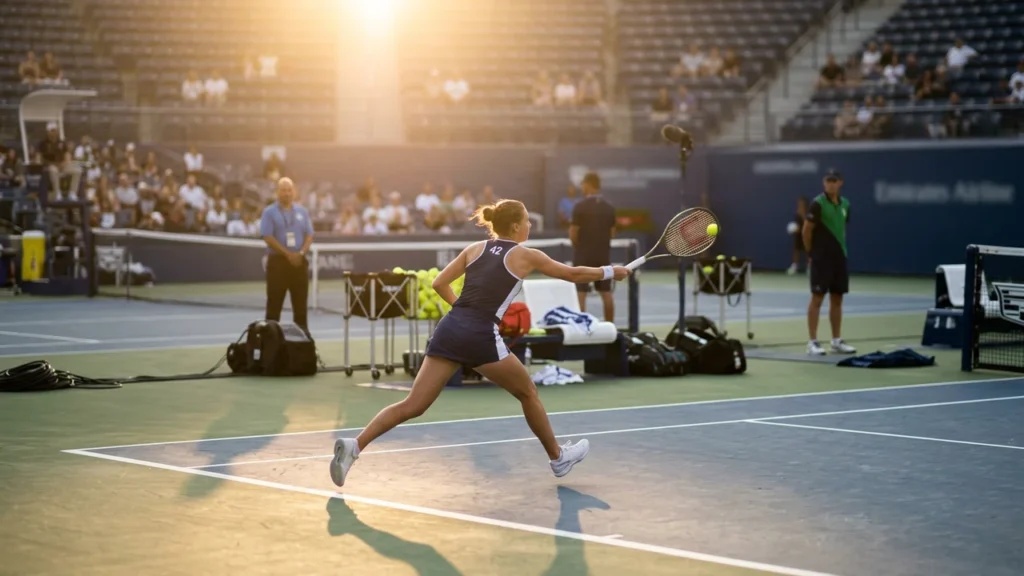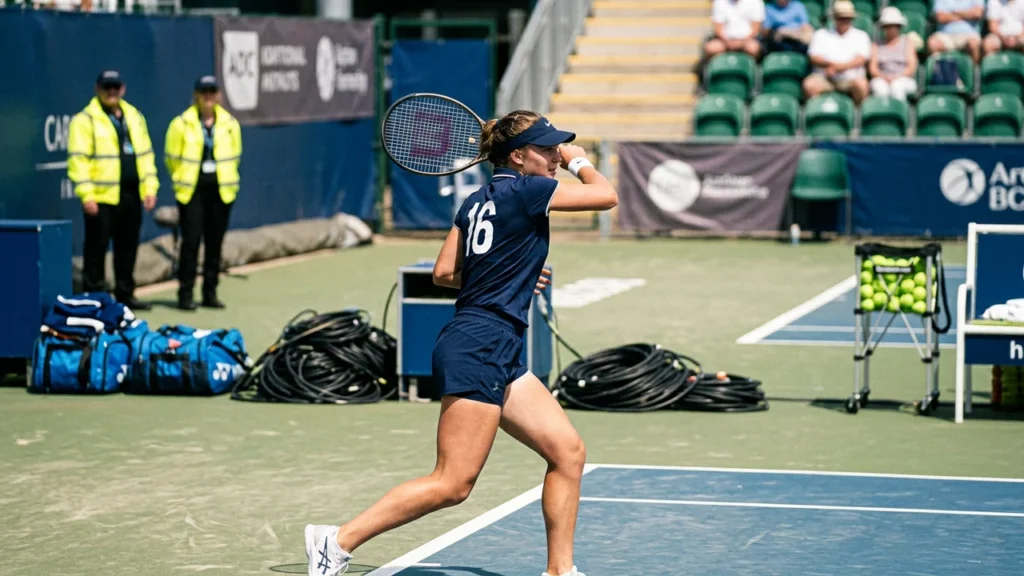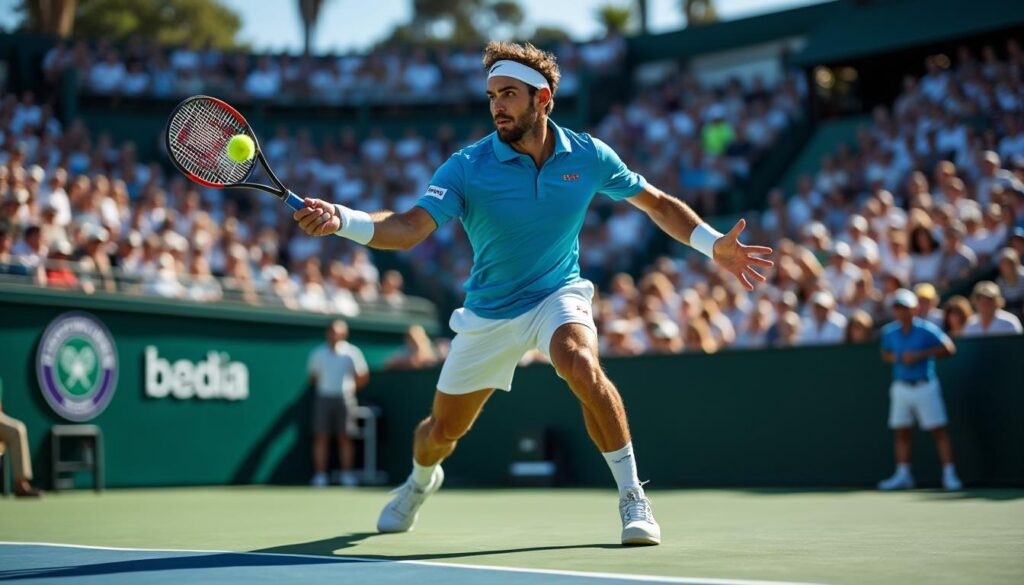
The 2026 Australian Open men’s draw is unfolding into a narrative rife with unforeseen twists and stirring surprises, captivating tennis fans worldwide. This year’s competition in Melbourne is anything but predictable, as unexpected performances from both seasoned players and emerging talents are dramatically reshaping the landscape. The traditional balance of power is being challenged, injecting the tournament with an exhilarating blend of unpredictability and fierce determination. While top seeds navigate treacherous paths marked by relentless upsets, breakthrough athletes seize these moments to elevate their status on tennis’s grandest stage. From the buzz surrounding early-round shocks to the undeniable pressure of navigating Melbourne’s unforgiving hard courts, this edition promises a spectacle of strategic battles and emotional highs.
The men’s draw, typically a playground for established names, has become fertile ground for new stories of resilience and audacity. The shifts caused by these unexpected outcomes are rewriting the potential paths for favorites and underdogs alike. For those following the tournament closely, the evolving draw provides fresh angles to analyze and endless drama to savor. Intriguingly, such unpredictability speaks volumes about the depth of talent currently competing and the sheer competitive spirit that defines this period in tennis history. It is a powerful reminder that, in Melbourne, no player’s destiny is guaranteed, and every match is a potential turning point.
Fans eager to dissect these thrilling developments can dive deeper into related insights through resources like the Australian Open key storylines or explore the nuances behind recent tournament upsets that set the stage for this Sydney showdown. The complexity and excitement of this evolving narrative prove why tennis remains an electrifying sport, impossible to ignore or predict.
Key points to keep in mind amid the Melbourne upheaval:
- Unexpected performances are redefining expectations in the elite men’s draw.
- Early upsets have opened the door to fresh breakthroughs for lesser-known players.
- The intense competition and tactical challenges in Melbourne test both physical endurance and mental grit.
- Veterans face rising threats from hungry emerging talents who refuse to stay in the shadows.
- Every match holds the potential to dramatically shift the tournament’s trajectory.
Early Upsets and Breakthroughs Shaping the Men’s Draw in Melbourne
The first rounds at Melbourne Park have already delivered a dazzling array of surprises that challenge the conventional wisdom surrounding the men’s draw. Fans and analysts expected dominant performances from the top seeds, but the reality has been punctuated by stunning upsets that showcase the raw unpredictability of tennis competition. These early shocks often carry a significance beyond the immediate scoreboard – they unsettle the status quo, force tactical adaptations, and demand psychological resilience from both victors and vanquished.
Take, for instance, the dramatic exit of a top 10 player who succumbed to a relentless qualifier clutching nothing but grit and a fearless approach. This unexpected result not only shook the high ranks but also created pathways for other competitors to exploit previously blocked routes. Stories like these highlight the essential truth about tennis: talent and preparation converge, but mental edge during pressure moments often tips the scales.
Similarly, some lesser-known athletes used these early rounds to announce their arrival with commanding performances that blend aggression, precision, and stamina. Their breakthroughs are celebrated as fresh chapters in tennis lore — representing a vibrant infusion of ambition and creativity into the men’s draw. Such performances echo the kind of momentum shifts that have historically left fans breathless, as detailed in the Vienna 2025 upset picks, illustrating how visionary underdogs can redefine tournaments.
Crucially, these dynamics represent more than just results; they reflect the evolving demands of modern tennis. Melbourne’s hard courts favor players who not only deliver power but also showcase adaptability and cerebral gameplay. The challenges posed by unexpected early exits compel remaining contenders to recalibrate their strategies, adding complexity and intensity to every subsequent round.
The ripple effect of these events feeds a narrative growing richer with each match, proving that the 2026 Australian Open men’s draw is a compelling theater where no script is fixed, and every player must fight for their story.
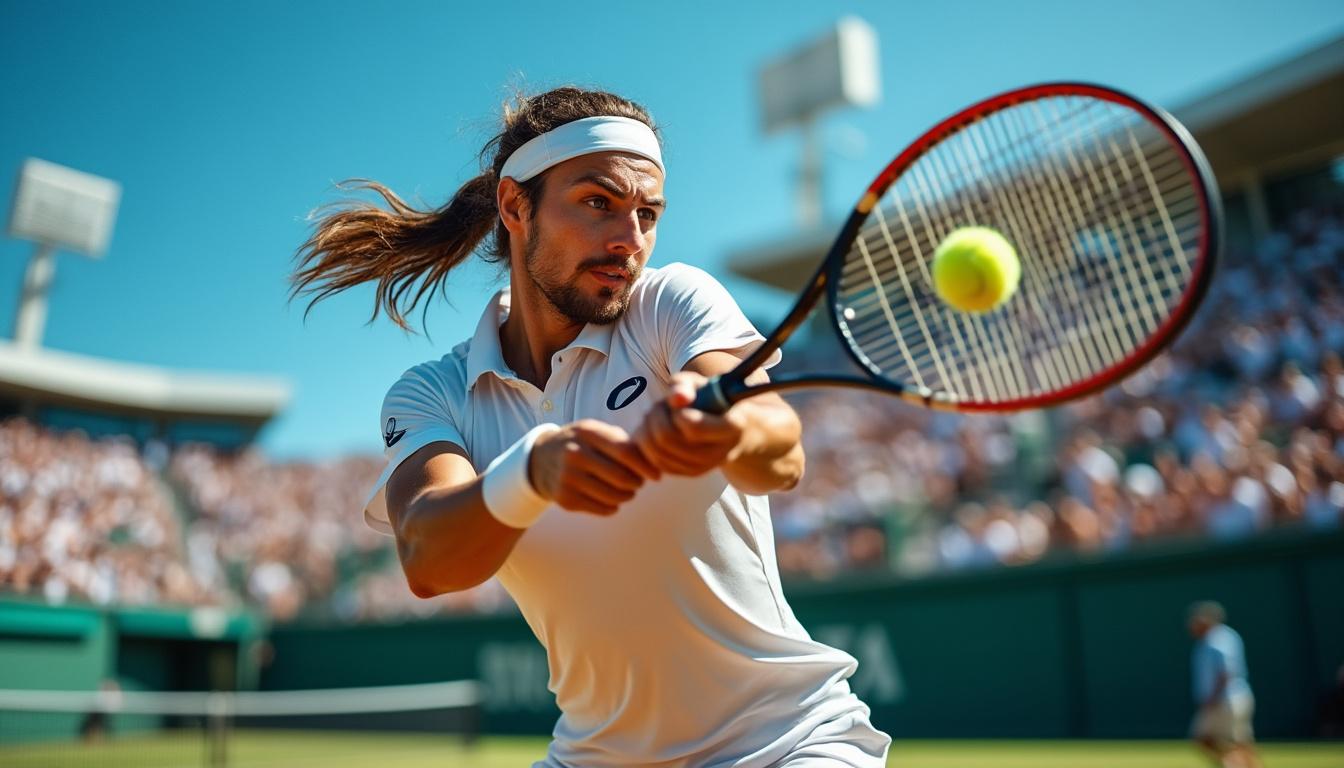
The Rise of Emerging Talents Disrupting Established Hierarchies in Melbourne
The essence of competition was palpably transformed this season by a wave of emerging talents who confront and often topple established icons. These rising stars infuse the men’s draw with fresh energy, strategic unpredictability, and an unyielding hunger for glory. Their ascension signals a shifting tide that redefines legacy and promise alike in the high-stakes crucible of Melbourne.
Unlike in previous years, where newcomers were greeted with cautious optimism, this year’s crop brings with them a palpable audacity that directly challenges veterans’ authority. Their performances shine a spotlight on the deepening talent pool enriching tennis globally. These players combine a modern understanding of physical conditioning with refined technical weapons—a combination fueling thrilling contest and narrative intrigue.
Numerous examples pepper the tournament storyline, such as a teenage phenom who battled through qualifying rounds to dispatch former champions, or a savvy young veteran who mastered Melbourne’s unique court conditions to extend his winning streak. These players exemplify the seamless integration of raw talent, strategic nous, and emotional toughness needed to reshape traditional tennis hierarchies.
Such breakthroughs also inspire broader reflections on the evolution of tennis training and competitive mindset. Modern athletes leverage state-of-the-art sports science and analytics to refine every facet of their game—from serve consistency to explosive baseline rallies. Their emerging dominance speaks volumes about the ever-increasing demands of professional tennis and the relentless pursuit of excellence required to thrive in venues like Melbourne Park.
Readers interested in the pulse of tennis innovation and rising stars can explore comprehensive profiles and tournament previews at Emerging Talents October or track how these breakthroughs compare historically and statistically across the tour.
Core factors boosting rising players in the men’s draw:
- Enhanced physical conditioning enabling sustained intensity over long matches.
- Adaptive tactical networks mastering various court surfaces and opponent styles.
- Mental fortitude and composure to seize moments under pressure.
- Technical refinement around serve placement, backhand precision, and footwork agility.
- Strategic coaching innovations blending technology and experience.
Strategic Challenges Facing Favorites Amid a Turbulent Men’s Draw
For the established stars of the ATP, the Melbourne environment in 2026 poses fierce strategic challenges that demand more than technical prowess. The unexpected performances and reshaped draw put a spotlight on mental acuity, adaptability, and preparation. Veterans face the dual pressures of defending ranking points and navigating unpredictable opponent dynamics.
Historically, the Australian Open has been a proving ground for champions who can combine physical peak with sharp strategic execution. This year is no different, except the path has become jagged with the presence of potential giant-killers and a tournament landscape that refuses to be static. Players like Novak Djokovic or Carlos Alcaraz, typically favorites, now confront fresher threats emerging from unexpected quarters, meaning the usual tactical scripts must be revised on the fly.
Key to surviving and thriving in this climate is rapid adaptation to the nuances of Melbourne’s courts—speed variations, ball bounce, and crowd dynamics. The capacity to adjust one’s game plan mid-match or between rounds can separate victors from fallen stars. Looking at previous tournaments’ breakdowns offers powerful insights; sources such as the ATP Basel 2023 preview detail how shifts in court conditions and tactical resets contribute to outcomes.
Beyond tactics, mental resilience remains paramount. The pressure cooker atmosphere of a Grand Slam semi-final or final magnifies every missed opportunity or inspired shot. The players’ ability to manage stress and channel adrenaline directly influences results, underscoring tennis’s status not only as a physical contest but a psychological battle.
Such challenges reinforce that winning at Melbourne Park requires comprehensive mastery: physical, technical, psychological, and tactical. The evolving men’s draw in 2026 vividly illustrates this multi-dimensional battlefield.
How Unpredictable Results Fuel Excitement and Fan Engagement at the Australian Open
One of the richest rewards of the unforeseen upsets and breakthroughs in Melbourne is the amplified excitement shared by fans globally. The unpredictability serves as a magnetic force that turns casual observers into lifelong devotees. Dramatic shifts in the draw rekindle the ancient spirit of competition—a meaningful saga of challenge, resolve, and the quest for greatness.
Each unexpected result rewrites the narrative, creating fresh storylines that broadcasters, journalists, and tennis communities passionately analyze and debate. This engagement transforms the tournament from a static sequence of matches into a dynamic festival of human drama. Crucially, these moments are accessible to newcomers eager to understand what makes tennis uniquely thrilling, avoiding jargon and instead offering visceral depictions of passion and grit.
This surge in interest is mirrored across digital platforms, where live updates, streaming options, and social media discussions flourish. Fans are drawn not only to marquee matchups but to the underdog triumphs and fiercely contested battles that challenge predictions. Helping players and fans alike navigate this explosion in tennis discourse are trusted sources like streaming tips for major tournaments and detailed tournament coverage including Australian Open previews.
In total, this feedback loop of competitions and conversations cements tennis’s role as a sport brimming with drama, strategy, and the raw human will that defines elite performance.
Statistical Trends and Predictive Insights from Melbourne’s Men’s Draw Shake-Up
Analyzing the statistical undercurrents behind the unexpected performances reshaping the 2026 men’s draw provides a fascinating lens on tennis’s evolving meta-game. Patterns emerge revealing how physical endurance, service efficiency, and error minimization correlate strongly with breakthrough wins and consistent success.
For instance, players possessing high first-serve percentages combined with aggressive return games have enjoyed marked advantages on Melbourne’s typically fast hard courts. Furthermore, data indicates that mental resilience, gauged by break-point conversion rates and tiebreak record, plays a decisive role during tightly contested matches. These metrics, tracked over the past seasons, offer predictive power that experts increasingly use to identify potential dark-horse candidates.
| Performance Metric | Typical Elite Range | Impact on Melbourne Matches |
|---|---|---|
| First Serve % | 65-75% | Crucial for setting points early and dictating play tempo |
| Break Point Conversion | 40-50% | Determines ability to capitalize on pressure moments |
| Aggressive Return Points Won | 30-40% | Balances offense and defense; key in upsets |
| Unforced Errors Per Match | Below 20 | Control of errors correlates with sustained rallies |
| Average Rally Length | 4-6 shots | Reflects endurance and strategic patience |
Predictive trends also reflect the influence of emerging player styles that blend power with finesse—forcing established stars to recalibrate. Monitoring these data points throughout the tournament advances understanding of the evolving challenges and opportunities shaping the men’s draw in Melbourne. For deeper statistical analysis, enthusiasts can refer to coverage such as the Moselle Open emerging talent reports and comprehensive match analytics.
This quantitative perspective underscores that beneath the drama lies a complex calculus of skill, strategy, and psychological fortitude — the key ingredients sealing victory or defeat in Melbourne’s grueling contest.
What factors contribute most to unexpected upsets in the men’s draw at the Australian Open?
Unexpected upsets often stem from a combination of physical preparedness, tactical adaptability, and mental resilience under pressure. Additionally, external conditions such as court speed and player fatigue play significant roles.
Which emerging players have had the biggest impact on the 2026 Melbourne men’s draw?
Several young athletes, including a breakout teenage qualifier and a savvy 22-year-old, have redefined expectations this year, combining aggressive baseline play with strategic composure, marking their rise as major contenders.
How do unexpected performances affect the tournament experience for fans?
Surprising results inject drama and emotional highs into the tournament, enhancing fan engagement and expanding the sport’s appeal by showcasing tennis as a dynamic, unpredictable competition.
What strategic adjustments do top players make in response to unexpected challenges in Melbourne?
Top players often adjust by refining tactics—altering serve patterns, increasing defensive play, or accelerating point pace—and focusing heavily on mental preparation to handle pressure and maintain focus during pivotal moments.
Where can fans follow detailed updates and analyses during the Australian Open?
Comprehensive updates and expert insights can be found at various platforms including resources such as Australian Open previews and streaming tips for major tournaments, offering timely information and in-depth coverage.