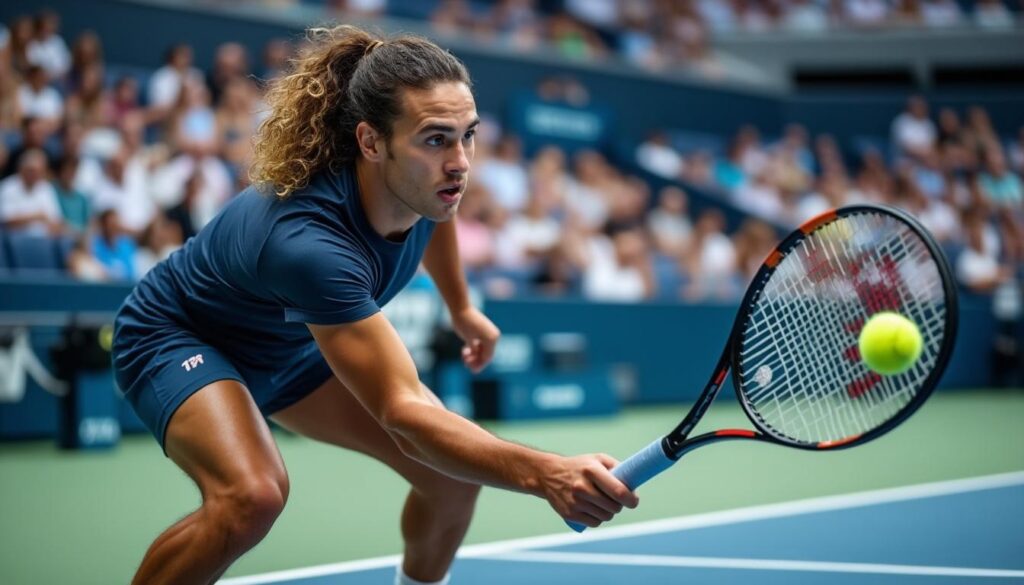
Ever feel like you’re hitting a wall on the court? Mastering recovery is the secret weapon of every tennis enthusiast. Discover how the pros rest and rebuild. From sleep to nutrition, and smart strategies, optimise your tennis recovery and boost your performance. Let’s delve into the science-backed methods that help you bounce back faster and stronger.
Sommaire
ToggleUnderstanding the need for recovery in tennis
Recovery in tennis plays a crucial role in maintaining optimal performance and avoiding burnout. Muscles need time to repair after intense play, reducing the risk of injuries and enhancing long-term performance. Essential recovery components include:
- Hydration
- Stretching
- Proper nutrition
- Quality sleep
- Massage therapy
- Rest days
For effective injury prevention in tennis, integrating these elements into daily routines can significantly impact a player’s health and stamina.
The science behind muscle recovery
Muscle recovery in tennis relies on the body’s ability to repair and rebuild after exertion. During intense matches, muscles incur microtears, requiring rest and nutrients for healing. Scientific studies show protein synthesis and glycogen replenishment are crucial. Adequate hydration aids in flushing toxins. Understanding muscle fatigue helps tailor recovery protocols. Restorative practices, such as stretching and massage, enhance circulation and reduce soreness. Addressing the effects of tennis-related injuries ensures comprehensive recovery. Emphasising evidence-based approaches optimises performance and longevity in the sport.
Common misconceptions about rest and recovery
Misunderstandings about rest and recovery often hinder performance. Many believe rest equates to inactivity, but proper recovery involves more. Consider these misconceptions:
- Rest days mean complete inactivity.
- Stretching alone suffices for recovery.
- Sleep isn’t crucial for muscle repair.
Strategies for effective tennis recovery
Effective recovery in tennis involves a combination of strategic techniques that promote healing and muscle restoration. Implementing these strategies can significantly enhance your performance on the court.
- Incorporate dynamic stretching post-match
- Utilise foam rolling for muscle relief
- Engage in low-intensity swimming sessions
- Prioritise adequate hydration levels
- Adopt a balanced diet rich in protein
- Schedule regular massage therapy sessions
Active recovery techniques
Active recovery plays a vital role in tennis recovery, enhancing circulation and reducing muscle soreness. Engage in light activities like yoga or swimming to maintain mobility. Gentle stretching and foam rolling help release tension and improve flexibility. These techniques support muscular repair without undue strain. Prioritising active recovery aids in preventing injury and ensures optimal performance on the court.
Importance of sleep and nutrition
Adequate sleep and balanced nutrition play a crucial role in tennis recovery. They aid muscle repair and energy replenishment. Proper rest and diet ensure optimal performance.
- Prioritise 7-9 hours of sleep nightly
- Include proteins for muscle repair
- Consume carbohydrates for energy
- Stay hydrated consistently
- Incorporate healthy fats
- Utilise supplements wisely
Creating a personalised recovery plan
To create a personalised recovery plan, evaluate your physical demands and recovery needs. Consider factors like age, fitness level, and match intensity. Customise your plan with a mix of active recovery, nutrition, and rest. Consistency remains crucial, so adapt strategies to fit your schedule and maximise tennis recovery benefits.
Assessing individual recovery needs
Identifiez vos besoins de récupération en évaluant la fatigue musculaire et les signes de surentraînement. Utilisez des applications de suivi pour surveiller votre fréquence cardiaque et votre variabilité. Consultez un physiothérapeute pour un programme adapté à vos exigences spécifiques et optimisez vos performances tennistiques.
Integrating recovery into a busy schedule
Incorporating recovery into a hectic schedule demands strategic planning. Prioritise short, effective sessions like foam rolling and dynamic stretching during breaks. Utilise technology, such as wearable devices, to monitor progress and ensure optimal rest periods.
Tools and technology for tennis recovery
Wearable technology offers precise insights into recovery metrics, enabling players to track heart rate variability and sleep quality. Innovations such as compression garments enhance blood circulation and reduce muscle soreness. Foam rollers and massage guns aid in muscle relaxation, promoting quicker recovery. Cold therapy devices decrease inflammation, while apps provide tailored recovery plans. Embracing these technologies can significantly improve tennis recovery efficiency and performance.
Wearable technology for monitoring recovery
Wearable technology, like fitness trackers, provides invaluable data on heart rate variability and sleep patterns, aiding tennis players in optimising recovery. These devices offer real-time feedback, enabling athletes to tailor their rest periods and identify when muscles need more recuperation. By leveraging this technology, players can make informed decisions, ensuring optimal performance and reduced injury risk.
Innovations in recovery equipment
Innovations in tennis recovery equipment continue to evolve, offering players enhanced ways to recuperate. Compression garments improve circulation, aiding muscle recovery. Foam rollers, with their textured surfaces, target muscle tension and increase flexibility. Cryotherapy chambers, though costly, provide rapid inflammation reduction. These advancements not only cater to professional athletes but also benefit those with demanding schedules, allowing them to integrate efficient recovery into daily life. Embracing these tools can significantly boost performance and well-being.
Professional tips for optimising recovery
Professional tennis players emphasise tailored recovery plans, prioritising quality sleep and balanced nutrition. Incorporate yoga for flexibility and mental resilience. Regularly review progress and adjust techniques. When enhancing your backhand, focus on muscle recovery to maintain peak performance.
Insights from professional tennis players
Professional tennis players emphasise the significance of recovery as crucial for maintaining peak performance. They advocate techniques such as ice baths and dynamic stretching exercises for muscle relaxation. Additionally, focusing on mental recovery through meditation and visualisation proves beneficial. Incorporating advanced serving skills can reduce strain and enhance efficiency, further aiding recovery.
Evidence-based practices for better recovery
| Practice | Scientific Benefit |
|---|---|
| Cold Therapy | Reduces inflammation and muscle soreness |
| Compression Garments | Improves blood circulation and decreases recovery time |
| Hydration | Maintains muscle function and prevents cramps |
| Foam Rolling | Enhances flexibility and reduces muscle stiffness |
Incorporating evidence-based practices can significantly enhance tennis recovery. Cold therapy and compression garments offer clear benefits for muscle repair. Adequate hydration remains crucial for optimal muscle function. Foam rolling supports flexibility, crucial for performance improvement.
Common Questions
What role does nutrition play in tennis recovery?
Nutrition fuels muscle repair and replenishes energy stores. Consuming proteins and carbohydrates post-match aids recovery. Hydration remains essential for optimal performance.
How can wearable technology enhance recovery?
Wearable technology tracks sleep patterns and physical exertion. It provides insights into recovery needs, helping tailor strategies. Accurate data ensures informed decisions for recovery adjustments.
Why is sleep crucial for tennis recovery?
Sleep facilitates muscle repair and cognitive function. It enhances performance and reduces injury risk. Consistent sleep patterns improve overall recovery efficacy.
What is active recovery, and why is it beneficial?
Active recovery involves low-intensity exercises. It promotes blood circulation and reduces muscle stiffness. Activities like swimming or yoga aid in efficient recovery.
How do professional tennis players approach recovery?
Professionals prioritise rest and structured recovery plans. They employ evidence-based practices and utilise advanced recovery tools. Their approach focuses on consistency and precision.