

Tennis thrives in its diversity. The rush of a perfectly executed serve-and-volley on silky grass courts contrasts sharply with the grind of clay-court baseline battles that test endurance, spin, and patience. As 2025 reshapes the global tennis stage, mastering the art of switching surfaces—especially moving from clay to grass—has never been more essential. This transformation isn’t just about changing footwear or grip; it demands a fundamental shift in footwork, positioning, and timing. The surface beneath your feet changes the entire rhythm and pulse of the game, pressuring players to rethink, recalibrate, and reimagine their court mobility.
From the muddy slow-motion of clay tournaments scattered throughout Europe to the manicured, lightning-fast grass courts of Wimbledon’s hallowed grounds, this transition is the ultimate test of agility and tactical brilliance. Players, aspiring pros, and coaches alike know that those who fail to adapt quickly face an uphill battle. This article demolishes the myths, delves deep into proven footwork adjustments, and outlines strategies that harness the potential of your Nike, Adidas, or Asics shoes on grass after months on red clay. Whether you’re wielding a Wilson or a Babolat, shifting your footwork is about staying competitive and dominant regardless of surface. Let’s unlock how to glide, pivot, and explode into action with the precision demanded when the ground beneath you shifts from clay’s forgiving cushion to grass’s slick canvas.
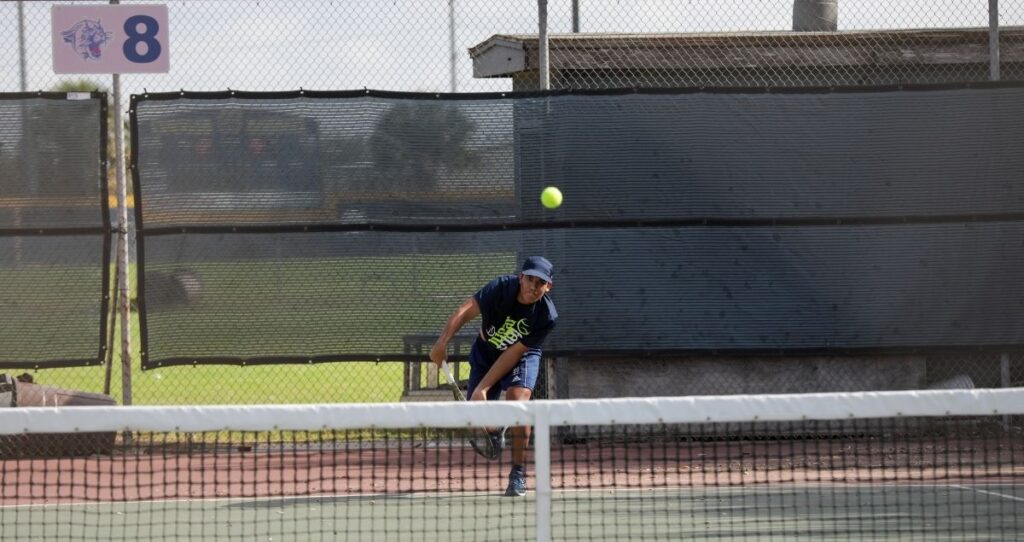
Understanding Court Surface Differences: Clay vs. Grass and the Footwork Implications
The very essence of tennis movement is dictated by the surface underfoot. Clay courts slow down ball speed, boost higher bounces, and invite longer rallies that feel like tactical chess matches. Grass courts, in stark contrast, create a slippery environment with low, skidding bounces demanding sharper reflexes and explosive reaction times. Transitioning between these surfaces reshapes the fundamental footwork needed to maintain balance and control.
On clay, the hallmark is controlled sliding. Players often plant their foot firmly but with a slight slide to absorb the loose top layer, conserving momentum while staying ready to explode in any direction. Sliding allows controlled extension of steps, especially when retrieving wide balls or retreating after forward forays. Famous clay courters, including Rafael Nadal, demonstrate masterclass sliding mechanics—maintaining composure on a slide to fire pinpoint shots immediately after the movement.
Grass courts, however, punish any uncontrolled sliding. The slickness of grass court surfaces means sliding often leads to loss of footing or a compromised shot position. Precision and sharpness dominate. Movement here is characterized by short, explosive steps, with players keeping their center of gravity low and controlled. Muscles engage rapidly to adjust balance after every punchy step, while foot placement is impeccably timed to avoid slipping and optimize stroke readiness.
Key Footwork Differences Between Clay and Grass
- Sliding vs. No Sliding: Clay allows, even requires, controlled sliding; grass demands strict avoidance.
- Step Length: Clay supports extended, slower steps that facilitate momentum carry; grass prefers compact, explosive foot strikes.
- Balance Focus: On clay, players lean into steps allowing momentum; on grass, balance is rigid and centered to prevent slipping.
- Ball Timing: Clay’s higher bounce offers extra time and demands precision foot positioning; grass’s low bounce requires quicker setup and quicker stroke execution.
Without grasping these distinctions, trying to coast through a surface change can be disastrous. Harnessing these insights forms the bedrock for training sessions geared toward footwork mastery during transitions.
| Aspect | Clay Court | Grass Court |
|---|---|---|
| Surface Texture | Loose, soft, top layer allows sliding | Slick, smooth, requires grip control |
| Typical Ball Bounce | High and slow bounce with spin | Low, fast, skidding bounce |
| Footwork Style | Sliding and longer strides | Short, explosive, non-sliding steps |
| Balance Strategy | Lean into movement, momentum-friendly | Center balanced, quick muscle activation |
Training with this knowledge helps players recalibrate their muscle memory, empowering them to switch from the steady grind of clay to the lightning exchanges on grass with confidence.
Techniques to Transition Footwork from Clay to Grass Courts Successfully
Mastering footwork adaptation between clay and grass delayed by errors or hesitations often proves costly in competitive tennis. The physical demands are different, requiring players to adjust their muscle engagement, reactive timings, and movement patterns. Below are actionable techniques proven effective for smooth transition.
1. Emphasize Shorter, Sharper Steps on Grass
On clay, long strides and sliding are integral. Moving to grass sacrifices this because of the risk of slipping. Training should focus on developing compact, explosive foot strikes to maintain balance. Players should practice quick step drills emphasizing:
- Rapid foot placement just before ball contact
- Short-crooked strides instead of full leg extensions
- Engaging core and ankle stability for controlled bursts of speed
2. Incorporate Plyometric Agility Drills
Plyometrics strengthen the explosive power essential on grass courts, building the fast-twitch muscle fibers critical for quick pivoting and sudden direction changes. Exercises such as lateral bounds, tuck jumps, and box jumps train responsiveness crucial for short, forceful steps allowed by firm grass surfaces.
3. Perform Targeted Balance Training
Balance is king on grass. Enhancing proprioception through balance boards, one-legged squats, and dynamic yoga sequences sharpens neuromuscular coordination. Players learn to keep a low center of gravity and resist the slippery nature of grass.
4. Adapt Footwear and Equipment
Using the right shoes can optimize footing and prevent injury. Brands like Adidas, New Balance, and Mizuno offer specialized grass court shoes with enhanced traction patterns tailored for slippery surfaces. Transitioning players should invest in these footwear technologies as part of surface adaptation.
5. Drill Specific Clay-to-Grass Footwork Routines
Routine practice that replicates grass court conditions, combining short sprints, step stops, and quick recoveries, ingrains the footwork needed for success. Coaches often deploy agility exercises that focus on explosive movements mimicking grass court rallies.
| Technique | Purpose | Example Exercise |
|---|---|---|
| Short, Sharp Steps | Avoid slipping, maintain agility on grass | Quick-fire ladder drills with two-foot bounds |
| Plyometric Training | Build explosive movement strength | Lateral bounds paired with tuck jumps |
| Balance Work | Enhance stability on slick surface | Single-leg balance holds on balance board |
| Equipment Adjustment | Improve traction and safety | Grass court specific tennis shoes from K-Swiss |
Footwork adaptation experts recommend combining these techniques 3-4 times per week to build the automatic behaviors essential to thrive on grass courts. Beyond physical training, mental adjustment to react faster and trust the feet is equally vital.
Strategic Court Positioning and Movement Patterns for Seamless Surface Switching
The adjustment from clay to grass courts is not just physical; it demands a strategic overhaul. Positioning yourself a few steps deeper behind the baseline on grass provides more prep time against the skidding ball, unlike the forward baseline stance often seen on clay. Adapting your footwork to complement these tactical decisions ensures the footwork supports right positioning and stroke execution.
Why Positioning Drives Footwork on Grass
Grass courts’ faster pace compresses reaction windows. Staying deeper ensures a greater margin for timing the low-bouncing ball. However, it also demands rapid footwork to close distance when attacking the net. Players must fluidly switch from defensive deep baseline steps to aggressive explosive movements forward with precise foot placement.
Movement Patterns to Master for Clay to Grass Transition
- Recovery Steps: Immediate, controlled backward steps post-shot to reset for the next low, fast ball.
- Explosive Forward Movement: Quick charges to the net with short crossover steps facilitating fast volley execution.
- Lateral Shuffles: Sharp side-to-side foot pivots with minimal raised foot time to maintain court coverage without slipping.
- Split Step Timing: Executing the split step just before the opponent strikes ensures readiness for unpredictable bounces.
Strategic footwork drills simulate these patterns, merging technical foot placement with tactical awareness. Mastering this blend provides a dynamic edge. Players proficient in these movements often seize control early in points, turning opponents’ errors into winning opportunities.
| Movement | Clay Courts | Grass Courts |
|---|---|---|
| Baseline Positioning | Near baseline with forward lean | Deeper behind baseline to mitigate low bounce |
| Footwork Type | Sliding and longer strides | Short, explosive steps with balance focus |
| Net Approach | Measured, less frequent | Frequent, aggressive volleys |
| Recovery Steps | Swift slide backward | Compact and immediate backward steps |
Learning these movement nuances forms the tactical backbone of switching surfaces without losing momentum or control in matches.
Equipment and Footwear Choices That Maximize Footwork Efficiency on Varied Surfaces
Footwork adaptation is deeply intertwined with equipment choices. As players shift from clay’s forgiving, loose ground to the firm, slippery expanse of grass courts, selecting the right gear can accelerate the transition and reduce injury risks.
Choosing the Right Footwear for Surface Success
Performance brands including Asics, Head, and New Balance have developed specialized tennis shoes tailored to the nuances of different court surfaces. For clay, shoes typically offer a durable, herringbone tread pattern that encourages sliding while providing grip. On grass, shoes offer enhanced traction with spike-like or nubbed soles to prevent slips and ensure secure footing.
Key features players should prioritize include:
- Traction Pattern: Allows stability while preventing over-slide or stumble
- Weight and Flexibility: Lighter shoes enhance quick steps; stiff soles protect foot integrity
- Cushioning Technology: Absorbs impact for unpredictable movements
- Durability: Grass can tear softer outsoles; clay’s abrasiveness demands hard-wearing materials
Racket Stringing and Grip Adjustments for Surface Impact
The switch in surfaces also influences racket handling and ball control, affecting how footwork complements striking mechanics. Slower clay play benefits from string tension favoring enhanced spin, while grass court play requires string setups that emphasize speed and control for low-trajectory balls.
Brands like Wilson, Babolat, and Head have engineered rackets and string materials that let players fine-tune their shots to match the demands of grass or clay with precision. Consulting knowledgeable vendors at tennis shops about surface-specific racket adjustments ensures an equipment edge.
| Equipment Category | Clay Courts | Grass Courts |
|---|---|---|
| Footwear Brand Examples | Asics, Mizuno, Adidas (herringbone sole) | K-Swiss, Nike, Under Armour (spiked/nubbed sole) |
| String Tension | Lower tension for increased spin | Medium to high tension for control |
| Grip Setup | Moderate grip favoring topspin strokes | Firmer grip for flat, fast strokes |
| Durability Priorities | High abrasion resistance | Traction and slip prevention |
The intimate relationship between footwork and equipment means players benefit from a setup geared toward their evolving surface demands, reducing injury while sharpening court efficiency.
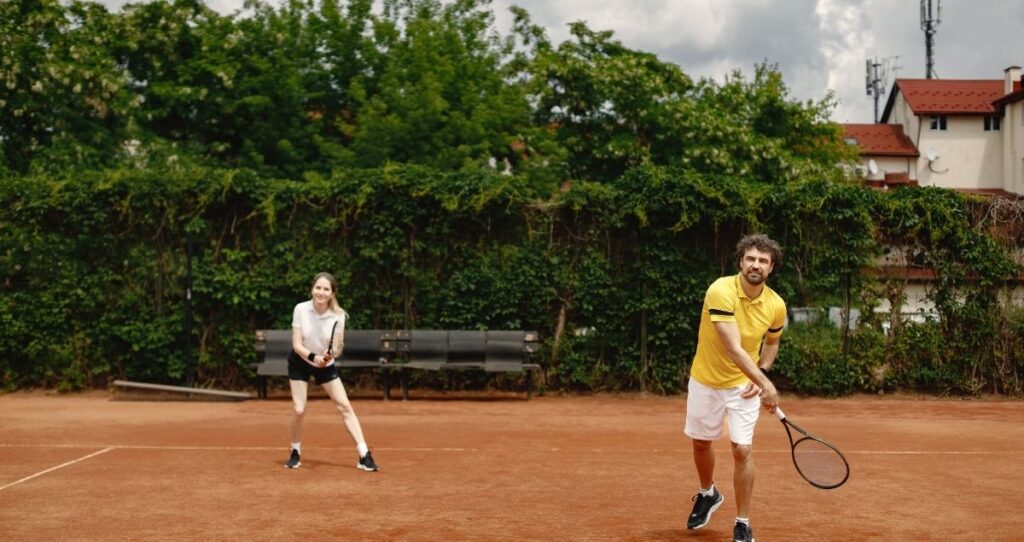
How to Incorporate Court Surface Adaptation Into Your Training Regimen Effectively
Mere understanding of surface dynamics will only get players halfway to mastery. Systematic training that targets footwork, positioning, and mindset transformation is essential for smooth transitions from clay to grass.
5 Essential Components for Court Surface Adaptation Training
- Footwork Drills Focused on Speed and Balance: Employ lateral quick-feet drills, ladder sequences, and split-step timing workouts to enhance agility.
- Surface-Specific Movement Simulation: Practicing sliding on clay and explosive stopping on grass simulators develops muscle memory for each surface.
- Tactical Play Adjustments: Train to read the opponent and court surface by mixing rallies, adapting your shot selection accordingly—learn more about reading opponents’ game.
- Physical Conditioning for Surface Demands: Strengthen muscles vital for explosive grass court moves while maintaining endurance needed on clay courts with exercises found at tennis physical training.
- Mental Flexibility and Confidence Building: Visualize success, practice patience on clay, and embrace aggression on grass to balance mindset shifts compatible with footwork changes.
Expert tennis trainers recommend integrating these elements with regular review and adjustment. Players should consider seeking coaching expertise to tailor training plans, particularly focusing on transition groundwork. Access to facilities offering multiple surfaces speeds up adaptation through exposure.
| Training Component | Focus Area | Recommended Resources |
|---|---|---|
| Footwork Drills | Agility, speed, balance | Tennis footwork drills guide |
| Surface Movement | Muscle memory for different courts | Clay and grass court practice courts |
| Tactics Adaptation | Strategic shot selection | Tennis techniques and tactics |
| Physical Conditioning | Strength and mobility | Strength and agility exercises |
| Mental Training | Focus and confidence | Mental preparation drills and visualization |
Consistency in addressing these pillars develops a player’s all-surface readiness, eliminating common pitfalls outlined in common tennis mistakes made during transitions.
FAQ: Essential Answers on Footwork Adaptation for Clay to Grass Transitions
- Q: How long does it typically take to adapt footwork from clay to grass?
- A: Adaptation varies; most players require 4 to 8 weeks of focused footwork and tactical training, though elite pros may accomplish it faster through daily practice and expert coaching.
- Q: Can I use the same tennis shoes when switching between clay and grass?
- A: It’s best to use surface-specific shoes. Clay court shoes have herringbone soles for sliding, while grass court shoes feature specialized traction patterns or spikes for grip on slick grass.
- Q: Are there drills that help improve quick footwork on grass after playing on clay?
- A: Yes, plyometric drills such as lateral bounds, ladder drills, and balance exercises prepare muscular responsiveness essential for grass court agility.
- Q: How does racket string tension affect playing on different surfaces?
- A: Looser string tension on clay enhances topspin, helping control the higher bounce; tighter strings on grass offer more control for flat, low shots.
- Q: Does equipment adaptation impact injury prevention during surface transitions?
- A: Absolutely. Wearing proper shoes and using correctly tuned rackets can reduce slipperiness and fatigue, minimizing common injuries related to footing errors.