
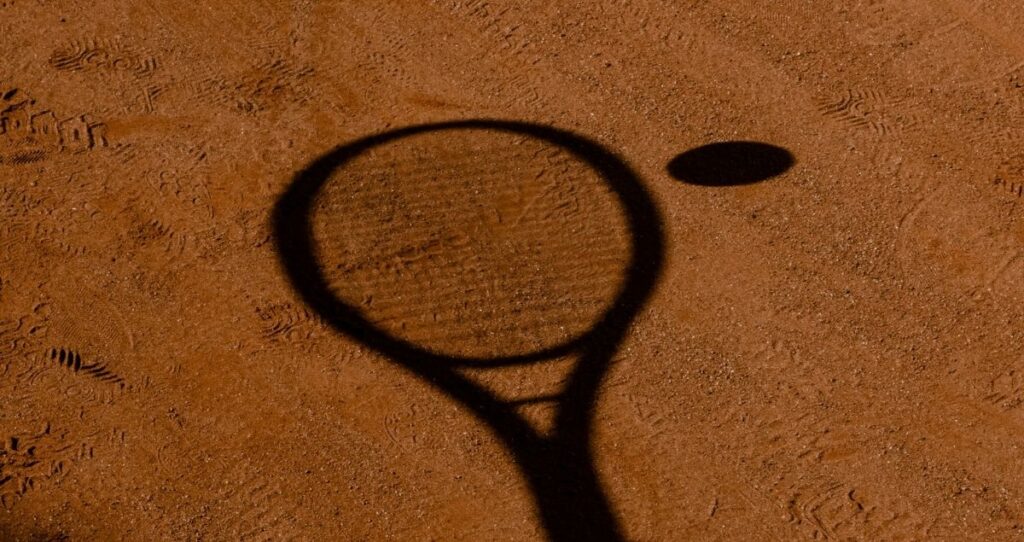
Shadow tennis isn’t just a quirky off-court drill—it’s a powerful secret weapon every tennis player should wield. Imagine gliding across the court, swinging your Wilson or Babolat racquet with precision and power, all without a ball in sight. This silent practice hones technique, sharpens footwork, and primes the mind for the battles ahead. From beginners clutching their first Prince racquet to seasoned pros outfitted in Nike and Adidas gear, shadow tennis bridges the gap between physical skill and mental mastery. It’s training you can do anywhere—at home, on a subway, even in your office hallway—turning dead time into tennis gold. As the 2025 season races forward, players of every age and level lean on shadow tennis not just as supplementary exercise, but as a vital cornerstone of competitive preparation. Brands like Head and Yonex are even promoting shadow training alongside traditional gear, acknowledging its rising importance in a fast-evolving sport.
The essence of shadow tennis lies in visualization—the ability to “see” shots, match situations, and tactical plays in the mind’s eye, syncing body and brain before the real ball flies. This technique fundamentally rewires how players approach practice and competition. Visualization masters can anticipate opponents’ moves, react instantly, and maintain an unshakeable competitive mindset. Moreover, such training complements physical conditioning, helping players build muscle memory without the wear and tear of constant ball contact. Tennis Warehouse and Under Armour fans alike recognize this blend of mental and physical work as game-changing.
Whether refining serves or perfecting footwork on various surfaces like hard courts or clay, shadow tennis offers a pathway to elevated performance that’s accessible and effective. This article delves deep into that journey—from beginner basics, through advanced tactical simulations, to the psychological edge shadow tennis grants. It unveils the specific drills, routines, and mindset shifts that unlock this hidden dimension of tennis mastery. Prepare to step beyond traditional practice and enter a world where the ball isn’t necessary to win—and where champions are forged by forehands swung in the invisible air of relentless visualization.
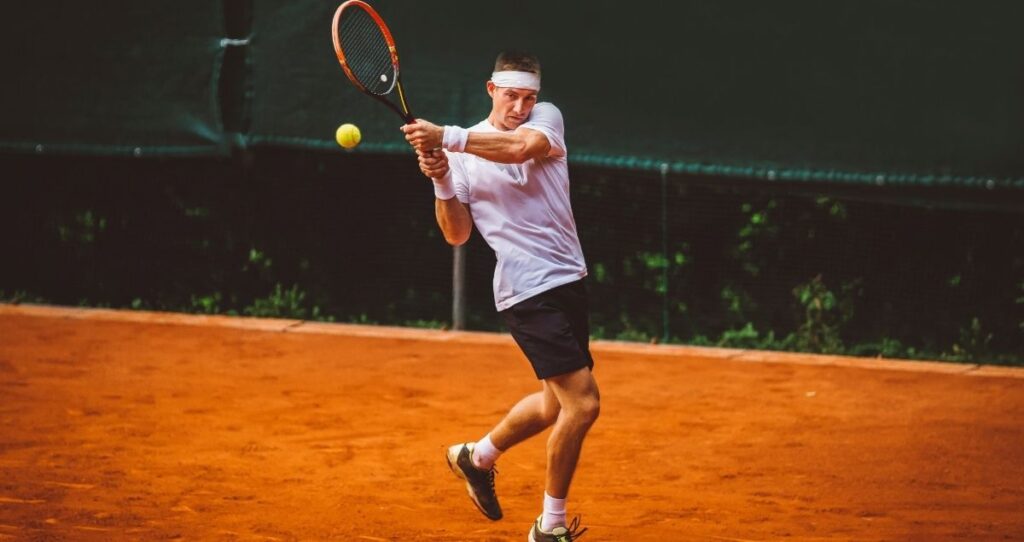
Mastering Shadow Tennis Fundamentals: Developing Technique Without a Ball
Practicing tennis strokes without a ball—known as shadow tennis—marries physical precision with mental imagery, accelerating learning on every level. Beginners often struggle with ingraining the right motions for forehands, backhands, and footwork. Shadow tennis simplifies this by focusing on repetition, muscle memory, and form without the distraction of a bouncing ball. Larry Hodges, a respected tennis coach, famously endorses performing a hundred forehand and backhand strokes, plus side-to-side footwork drills daily, to build smooth, repeatable movements.
At the core of shadow tennis technique is understanding the three essential stroke phases: backswing, forward swing, and recovery to ready position. Unlike a back-and-forth pendulum, the stroke follows a triangular motion—dropping into a balanced ready stance between shots. This subtle biomechanical detail ensures players maintain rhythm and prepare to react. Mastering these phases through shadow drills can help players avoid common errors that become deeply embedded under pressure.
Here’s a practical shadow tennis routine perfect for foundational training:
- 100 Forehand Drives: Emphasize smooth, full-motion swings with a relaxed grip on your preferred racquet brand like Wilson or Prince.
- 100 Backhand Drives: Alternate between one-handed and two-handed backhands to develop versatility.
- 100 Side-to-Side Footwork Steps: Simulate court coverage by stepping laterally while switching between forehand and backhand strokes.
For those exploring how to integrate shadow tennis into broader training, expert advice stresses pairing this practice with guidance from experienced coaches. That way, flawed arm paths or grip errors don’t solidify into habits. For beginning athletes, brands like Babolat and Yonex offer racquets designed for comfort and support during early skill development phases, making shadow swings feel natural and effective.
| Stroke Phase | Description | Common Mistakes | Shadow Tennis Benefit |
|---|---|---|---|
| Backswing | Preparing the racquet behind the body with controlled motion | Over-rotating or tension limiting fluidity | Builds muscle memory for smooth motion |
| Forward Swing | Bringing racquet forward to strike imagined ball with precision | Rushing swing or early follow-through | Ensures crisp, balanced contact simulation |
| Recovery to Ready | Returning quickly to a balanced, neutral stance | Cutting follow-through short or failing to reset | Improves rhythm and court readiness |
Shadow tennis’s power lies in its simplicity and portability. Even without real-time ball feedback, this method accelerates the path from novice to skilled player by training the body to find right positions instinctively. More on mastering court positioning in tandem with shadow practice is available at TennisGuide.net.
Essential Gear and Setup for Shadow Tennis
Dedicated gear helps maximize the benefits of shadow tennis. Lightweight and ergonomic racquets from premium brands such as Wilson, Head, or Prince provide the ideal balance for fluid motion. Apparel from Nike, Adidas, and Under Armour ensures comfort during extended shadow training sessions. Even without a ball, proper athletic footwear tailored for tennis court surfaces—hard, clay, or grass—is critical to replicating real-match court feel and minimizing injury risk.
Manufacturers like Tennis Warehouse curate complete kits including weighted racquets and resistance bands that enhance shadow drills by adding load to mimic ball impact forces without wear on the joints. Utilizing these tools in your practice routines boosts strength and builds explosive footwork tailored to different playing surfaces as detailed at TennisGuide.net.
Boosting Footwork and Agility Through Shadow Tennis Movements
Footwork defines the difference between good and great tennis. Shadow tennis training hones not just strokes but dynamic court coverage—priming legs, hips, and balance for intense rallies. Players using brands like Yonex and Babolat to execute swift lateral and forward steps experience the critical edge needed to reach otherwise unreachable shots.
Integrating footwork into shadow practice involves mimicking in-game situations. Here’s a typical sequence to develop agility and anticipation:
- Start at center court in a ready position.
- Step quickly to a wide forehand corner, swinging through the shadow shot.
- Recover swiftly to the center, then step out to the backhand side.
- Repeat, adding random directional changes to enhance reflexive responsiveness.
- Practice split steps and recovery strides, simulating incoming balls from various angles.
Scientific studies highlight that combining shadow tennis footwork drills with physical training improves both cardiovascular endurance and neuromuscular coordination. Under Armour and Adidas apparel designed for high-performance movement supports these drills with enhanced breathability and mobility features.
| Footwork Element | Purpose | Shadow Tennis Drill Example | Benefit |
|---|---|---|---|
| Lateral Movement | Cover wide angles quickly | Side-to-side steps with stroke swings | Improves reach and balance |
| Split Step | Prepare for opponent’s stroke | Jump and land softly before shadow swing | Enhances reaction time |
| Forward/Backward Steps | Adjust to ball depth | Step in for short ball, backward for defense | Builds court coverage versatility |
Talented players such as those powered by Nike and Babolat often attribute their on-court speed to rigorous shadow drills that train every fiber of their movement mechanics. Further instruction on how to enhance your competitive mindset through shadow tennis can be found at TennisGuide.net.
Mental Edge: Visualizing Each Rally and Opponent
The true magic behind shadow tennis is its mental training power. Like elite boxers shadowboxing to sharpen reflexes and strategy, tennis players envision entire rallies and opponent tendencies during shadow sessions. This method deepens tactical insight and reaction ability without fatigue or injury.
Visualizing realistic matches improves focus, builds confidence, and solidifies decision-making habits—pivotal for players eyeing amateur tennis tournaments or professional stages. Tools developed by Tennis Warehouse and featured in brands such as Wilson and Yonex gear emphasize mental training as an inseparable part of physical development.
Try these visualization techniques during shadow tennis practice:
- Imagine the opponent’s positioning: Predict shots based on likely court coverage.
- Mimic opponent’s shot variety: Switch between forehand drives, backhand slices, and drop shots.
- Play out entire points: Visualize serve returns, rally exchanges, and winning shots.
- Adjust tactics mid-rally: React to imagined opponent strategies in real-time shadow play.
These exercises foster an unshakable competitive mindset and resilience critical for handling pressure moments. For players sharpening these mental tools, TennisGuide.net offers deeper dives into concentration and focus improvement.
Advanced Shadow Tennis: Simulating Match Scenarios with Precision and Agility
Once fundamental techniques and footwork become second nature, shadow tennis opens the door to advanced practice realms—simulating realistic rallies and unpredictable shots against imaginary opponents. This stage, vital for aspiring pros and high-level competitors, demands mental creativity and physical adaptability. Here, players emulate randomized ball placement, deception, and tactical shot selection—all without a single ball.
Top players endorsed by Adidas and Head incorporate shadow tennis in daily routines to refine strategies before entering competitive events. Embracing this practice sharpens quick decision-making and unconventional shot crafting, such as sudden drops or aggressive net charges. Shadow tennis drills also allow players to rehearse receives of different serve types, positioning themselves to counter difficult serves while visualizing plausible opponent tactics.
Here’s a list of advanced shadow tennis drills to elevate match readiness:
- Simulate unpredictable shot patterns: alternate wide angles and short balls at varying speeds.
- Practice serve returns with imagined ball spins and placements.
- Visualize endurance rallies, switching from defensive to offensive stances fluidly.
- Integrate tactical adjustments, like switching from baseline play to net rush at will.
- Imitate specific opponent styles following match analysis.
| Drill Name | Focus Area | Benefit | Example |
|---|---|---|---|
| Random Rally Simulation | Shot variety and unpredictability | Enhances agility and mental flexibility | Envision opponent’s shots placed all court corners |
| Serve Return Practice | Read and counter serves | Sharpens anticipation and foot placement | Imagine slice serve wide to forehand side |
| Net Charge Transitions | Offensive strategy | Boosts confidence in net play | Shadow practice aggressive net approaches |
Players aiming to master these complex drills benefit from accompanying video tutorials and expert commentary, including programs hosted by Tennis Warehouse coaches. Additionally, resources on analyzing game tactics offer complementary knowledge accessible at TennisGuide.net.
Common Mistakes and How to Avoid Them in Shadow Tennis Practice
Even experienced tennis players training with top-tier brands like Head, Wilson, and Babolat sometimes fall into pitfalls when practicing shadow tennis. The most frequent mistakes include:
- Neglecting recovery position: Failing to return to a balanced stance disrupts rhythm and reduces court readiness.
- Overextending strokes: Swinging too hard without control leads to injury and incorrect muscle memory.
- Ignoring footwork precision: Small lapses in step timing or balance translate into slower court coverage during games.
- Skipping mental visualization: Treating shadow swings as mechanical motions rather than tactical rehearsals wastes the drill’s full potential.
Effective training counters these mistakes by adhering to focused drills, ensuring quality over quantity, and integrating mental strategies throughout shadow sessions. Following expert-curated programs and equipment from leading suppliers, including Nike gear for mobility and Tennis Warehouse’s tailored training kits, supports consistent progress.
Shadow Tennis as a Catalyst for Overall Tennis Development
Shadow tennis transcends its role as a solo drill to become a comprehensive training method that shapes a player’s physical, technical, and psychological attributes. The ripple effects extend beyond independent practice into tournament preparation, injury prevention, and confidence building. Equipping oneself with quality racquets and apparel from trusted brands such as Wilson, Babolat, Prince, and Yonex lays the foundation while dedicated shadow drills construct the superstructure of competitive readiness.
Moreover, shadow tennis is an excellent tool for maintaining form during injury recovery or off-season breaks. It keeps muscles engaged without the jarring impacts of ball strikes, allowing athletes to return in peak condition. Guidance on effective goal setting, physical conditioning, and mental focus—found in the comprehensive training resources at TennisGuide.net—complements shadow tennis to provide a balanced development path.
| Development Area | Shadow Tennis Impact | Supplementary Resources |
|---|---|---|
| Physical Conditioning | Builds endurance, agility, and muscle memory | Tennis Physical Training |
| Technical Skill | Enhances stroke mechanics without fatigue | Mastering Tennis Strokes |
| Mental Focus | Sharpens visualization and tactical thinking | Tennis Visualization Techniques |
In growing tennis communities, from youth herds to amateur tennis tournaments, shadow tennis acts as a common thread weaving skill enhancement and passion. Its accessibility, combined with cutting-edge gear from brands like Adidas and Under Armour, makes it indispensable in modern training regimens. Dive deeper into competitive mindset tips and tennis self-assessment methods at TennisGuide.net to maximize shadow tennis benefits.
Frequently Asked Questions About Shadow Tennis
- What is shadow tennis and why is it important?
Shadow tennis is the practice of performing tennis strokes and footwork without an actual ball. It enhances technique, agility, and mental visualization—all crucial for competitive success. - Can shadow tennis replace on-court practice?
While shadow tennis improves many aspects of the game, it complements rather than replaces ball-hitting practice, especially for timing and reaction. - How often should players practice shadow tennis?
Regular, focused shadow sessions—ranging from 15 to 30 minutes daily—are effective for building muscle memory and tactical awareness. - Is specialized equipment needed for shadow tennis?
Standard racquets and proper footwear suffice, but weighted racquets and resistance bands can enhance training impact. - Where can beginners learn proper shadow tennis technique?
Trusted resources and coaching, including tutorials on TennisGuide.net, offer structured guidance for beginners and beyond.