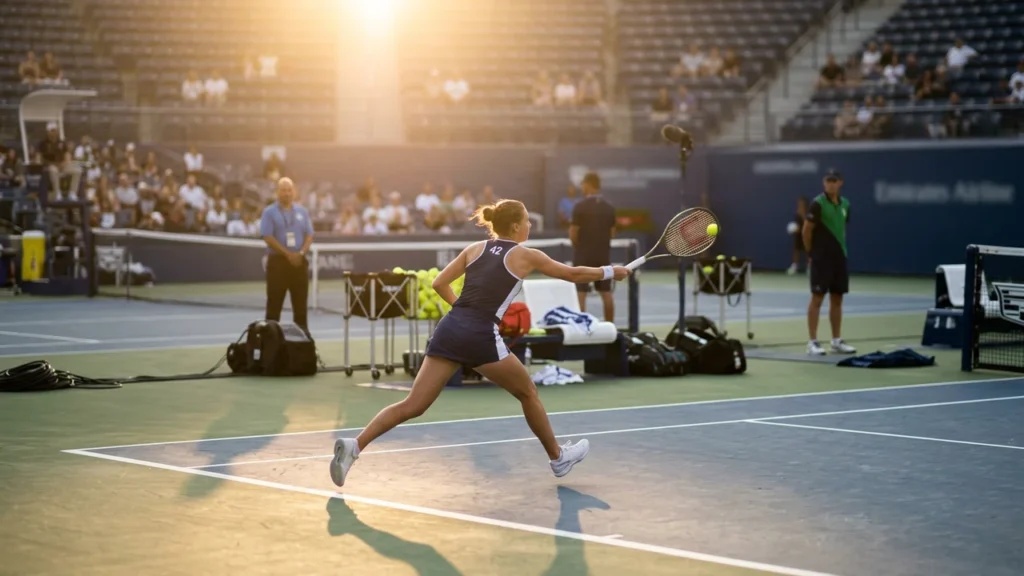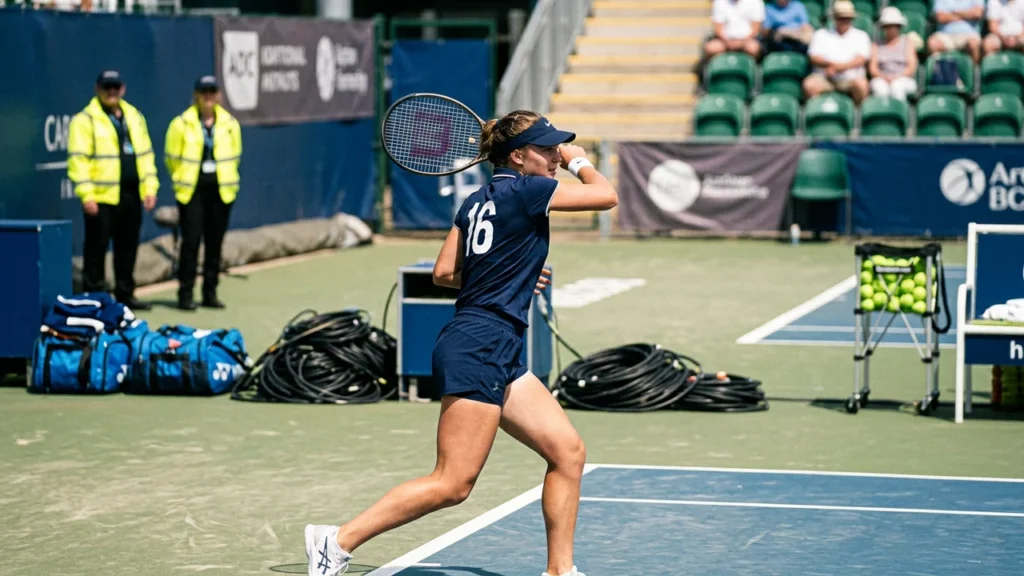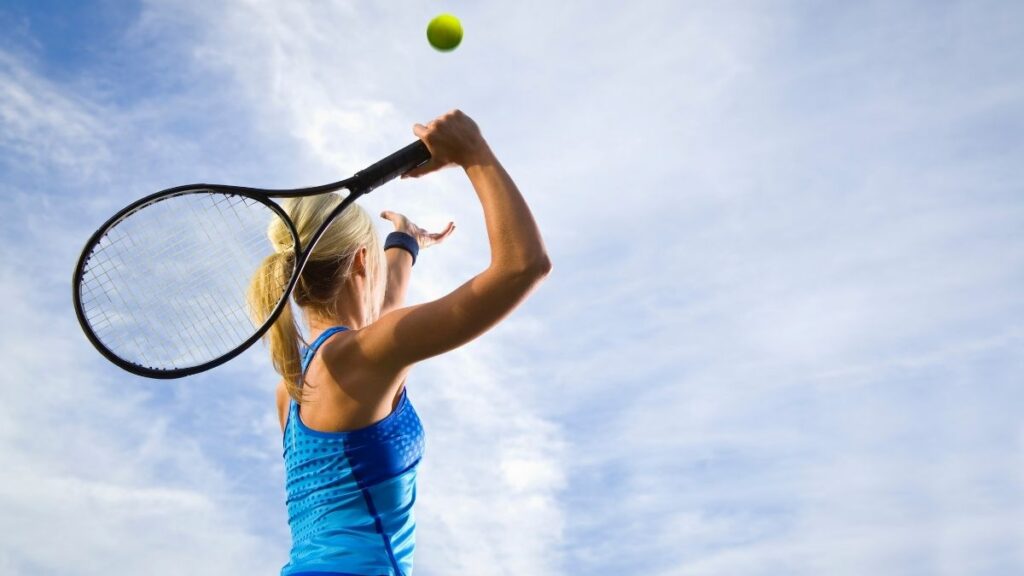
Tennis remains a sport where the thrill of a beautifully executed serve can change the trajectory of a match within moments. Imagine the roar of the crowd as a top ATP player fires a lightning-quick serve, not just to score an ace, but as a masterstroke to set up an even more devastating follow-up shot. This “Serve Plus One” strategy isn’t just a fleeting tactic—it’s the secret weapon leveraged by the world’s elite to dominate points from the get-go. From Rafael Nadal’s tactical body serves to Novak Djokovic’s pinpoint placement spoiling opponents’ returns, the Serve Plus One defines control and aggression in modern tennis. As of 2025, with equipment brand leaders like Nike, Wilson, and Babolat supporting these athletes, the game’s evolution continues at a rapid pace, with players sharpening their ability not just to serve, but to sequence their next move with precision.
While novice players often focus solely on serving power or spin, the top ten ATP players treat the serve and their first shot after the serve as a unified weapon. This holistic approach opens myriad pathways to outmaneuver opponents right from the first stroke, creating a psychological advantage that tightens grips and churns adrenaline on both sides of the net. Beyond sheer strength lies the artistry of placement, anticipation, and footwork. Brands like Head and Yonex outfit these athletes with rackets fine-tuned for the optimal blend of power and control crucial for these tactical plays.
Understanding the Serve Plus One brings a new dimension to tennis enthusiasts eager to elevate their game. Whether it’s dissecting the success patterns of dominant servers or mastering footwork and positioning to capitalize immediately after the serve, this article explores how the ATP top ten players wield this strategy to carve out victories. Additionally, discovering insights into the emotional and psychological benefits offers a comprehensive picture of why this approach remains pivotal. Embrace this strategic perspective and watch how the synergy between the serve and the follow-up shot transforms match dynamics.
Mastering Serve Placement and Recovery for Serve Plus One Success
The serve is traditionally the opening volley of every tennis point, but its function extends far beyond initiating play. For elite ATP players, the serve is the first brushstroke on a meticulously crafted tactical canvas. Recognizing the serve as a prelude to the next shot, these athletes focus not only on ball speed but on strategic placement to limit return options and create openings. The three core directions of a serve—Open, Body, and T—function as tactical levers that dictate the opponent’s response and the trajectory of the point.
Key serve directions used by ATP top ten players:
- Open Serve: Typically aimed wide from either side, this serve pulls the opponent off the court, opening up angles for an immediate forehand attack.
- Body Serve: Directed at the opponent’s torso to cause discomfort and force awkward returns, often leading them into defensive positions.
- T Serve: Fired down the center’s T-line limits the opponent’s ability to angle their return, setting up aggressive responses.
These serves are not tossed into the box haphazardly but are delivered with surgical precision. This requires immense practice focusing on the service box’s geometry and possible landing angles, skills honed through countless hours with technologies such as ball machines and analysis tools. Leading players often incorporate routines inspired by experts’ recommendations found in resources like warm-up methods to escalate serve performance. The use of carbon fiber rackets from brands like Prince and Asics further empowers these players, enabling consistent ball placement that creates even the slightest opening for the next strike.
Recovery after the serve is equally crucial. Unlike regular baseline footwork, recovery patterns post-serve demand quick repositioning ready to capitalize on or counter the opponent’s return. This positioning often sets the stage for the “Plus One” shot to hit with maximum impact. Training drills focusing on foot speed and reaction—such as high-intensity interval training (HIIT) tailored for reaction time—are prevalent among top players as described in this HIIT reaction speed training guide. Footwork improvements enable faster transitions from serve stance to an aggressive forward or lateral position anticipating the return.
Below is a table summarizing the serve directions, their tactical aim, and corresponding recovery focus:
| Serve Direction | Objective | Typical Recovery Focus | Example ATP Player |
|---|---|---|---|
| Open Serve | Pull opponent wide & create forehand gap | Move laterally to center to attack forehand | Roger Federer (classic wide serves) |
| Body Serve | Unbalance opponent & restrict return angles | Prepare for short or defensive return | Rafael Nadal (body serves with heavy topspin) |
| T Serve | Remove opponent’s angles & attack down the line | React quickly to low angled returns | Novak Djokovic (precise T serves with quick recovery) |
The synergy of these elements is further amplified by tight mental focus and emotional control that top pros cultivate by engaging in exercises described in mental toughness circuit routines. Serving with a clear plan eliminates uncertainty, boosting confidence before the ball is even struck—turning serve plus one into a mental and tactical fortress.
Strategic Patterns of Serve Plus One: Exploiting Opponent Weaknesses
At its essence, the Serve Plus One strategy seeks to combine the serve with the next shot to monopolize each point’s initiative. Rather than viewing the serve as a standalone weapon, top ATP players integrate it with a predetermined “plus one” follow-up that targets the opponent’s weak spots and court positioning.
These patterns depend heavily on the direction of the serve, which dictates the most advantageous target area for the forehand attack or volley. For example, an open serve from the deuce side to the opponent’s backhand corner can be immediately followed by a forehand hit right into the vacated space on the opposite side of the court. This simple but potent pattern forces defenders to run sideways, often outpacing their ability to react.
Common Serve Plus One tactical patterns include:
- Open Serve + Gap Attack: Serve wide using a slice or kick, then step in rapidly to strike a forehand into the vacated court space, capitalizing on the opponent’s displacement.
- Body or T Serve + Weak Side Pressure: Use serves directed at the opponent’s body or straight down the T to constrain their angle options, preparing to hit the return against their non-dominant side.
- Wrong Foot Pattern: Allow the opponent to recover briefly, luring them into a predictable return direction, then hit out of rhythm with an unexpected crosscourt or down-the-line counter shot.
Mastering these patterns requires exceptional physical conditioning, smart racquet selection, and detailed tactical study. Players sponsored by New Balance or Under Armour often praise the gear’s support in withstanding punishing physical demands while allowing precise shot execution. Meanwhile, technology upgrades from Wilson and Babolat in racket string tension and ball spin measurement play subtle yet vital roles in controlling the ball’s trajectory for these patterns.
The psychological pressure applied by these Serve Plus One sequences is immense. Opponents thrown out of position early often experience frustration and decreased confidence, resulting in unforced errors or weak returns. Detailed analysis of tournament player tendencies shows many top players using these tactics consistently to tilt momentum in their favor from the outset.
Below is a table outlining serve directions, plus one tactics, and their strategic benefits:
| Serve Direction | Plus One Action | Strategic Benefit | Example Player Usage |
|---|---|---|---|
| Open Serve | Attack gap crosscourt forehand | Create exploitable space, force lateral movement | Stefanos Tsitsipas (aggressive forehand dominance) |
| Body Serve | Pressure opponent’s weak side return | Limit angles & induce weak returns | Alexander Zverev (body serve precision) |
| T Serve | Attack down the line or mix-up returns | Surprise opponent & maintain point control | Daniil Medvedev (strategic T serve placement) |
To deepen understanding of these patterns and their implementation, new players should explore resources like serve and return combo routines and court positioning drills detailed here. Practicing these sequences builds muscle memory and strategic vision to outperform opponents match after match.
Psychological Edge and Emotional Control in Serve Plus One Execution
While physical skill forms the base of Serve Plus One tactics, the psychological component decides who fully exploits this approach in pressure tournaments. Leading ATP players invest considerable energy into mental training to ensure execution under intense match conditions. The sense of control derived from having a clear serve plus next shot plan provides a remarkable emotional security that translates directly into performance.
Confidence in serve placement and knowing precisely where the follow-up shot will land reduces hesitation. Emotional turmoil on the court often results not from physical fatigue but from uncertainty and lack of preparation. A stable routine that blends serve execution with an immediate forehand attack or volley sharpens focus and silences self-doubt. Established routines—sometimes involving mindfulness exercises or visualization—mirror those outlined in shadow tennis visualization techniques.
Key psychological advantages of Serve Plus One include:
- Enhanced focus: Defined point plans prevent distractions by channeling every muscle and thought into a unified objective.
- Reduced anxiety: Clear tactical options soften the pressure of unpredictable returns.
- Heightened anticipation: Expecting specific modes of opponent return fosters quicker, sharper reactions.
- Boosted confidence: Familiarity with sequences breeds self-assurance, essential for elite competition levels.
- Emotional resilience: Calmness under duress upholds peak performance, particularly in tie-breaks or match points.
Sports psychology research reinforces these benefits, pointing out that players who combine physical drills with mental routines outperform those who focus solely on mechanics. The integration of this mindset approach separates the very best from the good. Emotional control often makes the difference in tight games and long rallies.
Top players like Novak Djokovic have openly praised the role of psychological preparation alongside physical training. Suitably, apparel brands such as Adidas and Under Armour invest significantly in gear that blends comfort with technology to ensure players maintain optimal physiological and mental states on the court.
Integrating Modern Technology and Equipment in Serve Plus One Training
The 2025 ATP circuit increasingly demonstrates how technological advances elevate the Serve Plus One’s effectiveness. Precision court sensors, ball tracking systems, and advanced video analysis allow players and coaches to dissect minute details about serve placement and follow-up shot outcomes. This data-driven approach fine-tunes every nuance of the pattern, revealing tendencies in opponents’ responses and informing strategic adjustments.
Modern brands like Wilson, Babolat, Prince, and Yonex continually collaborate with players to engineer rackets optimized for specific spin, power, and control blends crucial in this tactical phase. Players often customize string tension and frame stiffness to enhance the serve’s effectiveness combined with a dominant forehand, as per latest racket brand updates.
Additionally, wearables track players’ biometrics during practice to optimize recovery and prevent injuries, keeping Serve Plus One efficiency at peak levels alongside consistent footwork drills and reaction training. In court conditions, further support comes from apparel innovations by Nike and New Balance, designed to maintain agility and comfort during rapid serve-recovery actions.
Technological tools enhancing Serve Plus One include:
- Electronic line judging systems: For perfect serve validation and confident aggressive play.
- Ball tracking sensors: Measure spin rates and speed to optimize ball placement.
- Video analysis platforms: Break down serve-&-follow-up shot efficacy with strategic insights.
- Wearable performance monitors: Track fatigue and biomechanics to tailor individualized training.
| Technology | Purpose | Impact on Serve Plus One | Brands/Systems |
|---|---|---|---|
| Electronic Line Judging | Serve accuracy verification | Boosts confidence in aggressive serving | Hawk-Eye, FoxTenn |
| Ball Spin & Speed Tracking | Optimize serve quality and follow-up shot setup | Enhances serve placement precision | Babolat POP, Wilson Blade Tech |
| Video Analysis Software | Detailed tactical and biomechanical feedback | Improves serve + one shot patterns | Dartfish, Hudl Technique |
| Wearable Monitors | Monitor physical condition and fatigue | Aids injury prevention and sustained performance | Garmin, Catapult Sports |
Players can explore how technological insights translate to performance by following exclusive tournaments such as the Seoul Indoor Series, where data utilization in Serve Plus One tactics powers highlight-reel plays.
Training Drills and Practice Applications for Serve Plus One Mastery
Successful Serve Plus One strategies aren’t accidental; they are the product of rigorous, deliberate practice that coordinates serve mechanics, placement precision, and immediate shot execution. Recognizing this, top ATP players incorporate specialized drills blending technical, physical, and tactical components to replicate match intensity and reinforce serve-follow-up patterns.
Effective drills emphasize several critical aspects simultaneously:
- Serve accuracy under pressure: Repeatedly practicing achieving varied serve directions (open, body, T) with target zones, often enhanced by shadow and visualization techniques described in shadow tennis guides.
- Quick foot recovery: Transition drills moving from serve to ready position follow-up, incorporating lateral speed and balance adjustments.
- Forehand explosiveness: Practice hitting forehands immediately after the serve, focusing on placement and power to exploit opponent weaknesses.
- Return anticipation: Drills simulating realistic return scenarios to read serves and adapt follow-up shots accordingly.
For example, players often set a target practice routine using ball machines calibrated to randomize return placement, compelling service-plus-one players to adapt and strike appropriately. Racket and apparel brands like Head and Adidas supply specialized equipment for these high-demand training sessions, ensuring optimal grip, comfort, and power transfer.
Below is a sample weekly Serve Plus One drill routine:
| Day | Drill Focus | Details | Key Benefit |
|---|---|---|---|
| Monday | Serve Placement Accuracy | Practice open, body & T serves to target zones | Improved placement & shot setup |
| Wednesday | Serve-Follow-Up Transition | Footwork drills immediately after serving | Faster recovery & positioning |
| Friday | Forehand Plus One Execution | Forehand drills attacking opponent weak spots post serve | Increased point control |
| Weekend | Match-Simulation Drills | Serve plus one combined tactical play practice | Improved decision-making under pressure |
In addition, players should incorporate conditioning routines like those detailed here for shoulder stability to maintain serve quality over long matches. These integrated approaches create a comprehensive skill set essential for Serve Plus One mastery.