
Endurance is the lifeblood of any athlete, tested most vividly in the grueling expanse of marathon matches and running events. These intense, prolonged contests push competitors to their physical and mental limits, revealing lessons that transcend sport and inspire improvement in fitness and life mindset alike. Marathon matches, like the legendary encounters that stretch athletes to the brink, embody the concept of stamina building through discipline, resilience, and strategy. The synergy of training, recovery, mental toughness, and community support forms the foundation for success on the court and on the running path, knitting together lessons applicable across endurance disciplines.
Tennis, particularly during exhaustive five-set battles, offers a unique perspective on sustaining performance amidst physical fatigue and psychological pressure. Similarly, marathon running demands a finely tuned blend of physiological conditioning and mental fortitude to cover 26.2 miles with optimal efficiency and resolve. In 2025, advances in sportswear from Nike, Adidas, Asics, New Balance, Under Armour, Brooks, and Saucony, complemented by cutting-edge monitoring tools like Garmin, Polar, and performance tracking platforms such as Strava, help athletes measure, analyze, and enhance their endurance training like never before. Through a detailed examination of these marathon matches and running regimens, this analysis elucidates core lessons in endurance training for competitors eager to push beyond their limits.
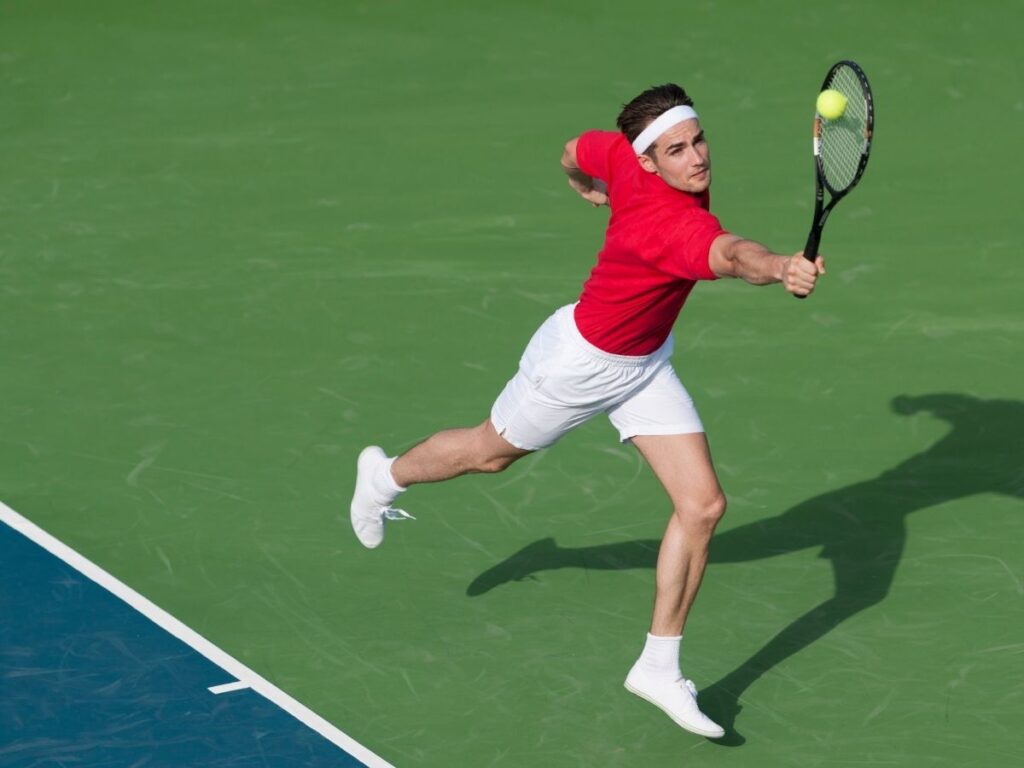
Understanding Endurance: The Physical and Mental Backbone of Marathon Matches
Endurance is often mistaken for sheer physical stamina, but its true nature extends deeply into mental resilience—a trait as crucial in tennis marathons as it is during long-distance running. Endurance training for marathon matches incorporates diverse physiological and psychological components working in tandem to sustain peak performance over extended durations.
The Physical Conditioning Essentials
The foundation of endurance lies in conditioning the cardiovascular and muscular systems to perform efficiently under persistent stress. Elite marathon runners and top tennis players employ regimented training plans that incorporate long slow distance runs, interval training, tempo sessions, and strength conditioning to build aerobic capacity and muscular endurance. Brands like Asics and Brooks provide footwear engineered specifically for the durability and cushioning needed over repeated miles or taxing court rallies.
In tennis, endurance drills go beyond running, encompassing agility drills, footwork optimization, and reaction speed enhancement exercises. These improve movement efficiency and delay the onset of fatigue during marathon matches – an approach elaborated in Endurance Conditioning Drills. Dedicated strength training, often supported by equipment from Under Armour or Saucony, helps maintain core stability and muscular endurance crucial for sustained shot execution.
- Cardiovascular training: Long runs and HIIT sessions improve oxygen delivery and recovery times.
- Muscular endurance: Weight training and bodyweight exercises build stamina in key muscle groups.
- Flexibility and mobility: Dynamic stretching and yoga prevent injury and maintain range of motion.
The Mental Edge in Long-Duration Competitions
Endurance training also delves into mental toughness — the ability to sustain focus, manage discomfort, and keep motivation high when fatigue clouds judgment. Marathon matches and races often enter “the zone” where athletes transcend usual limitations. Visualization techniques, meditation, and strategic mental pacing are integral, drawing from studies such as those featured on Mental Focus Mid-Match.
Strategies include:
- Reframing discomfort as temporary and purposeful rather than punitive.
- Setting incremental goals to maintain motivation over the long haul.
- Using self-talk to sustain confidence during critical points.
Employing smart wearables such as Garmin watches or Polar monitors enables real-time biofeedback, fostering awareness of physiological states and aiding mental regulation during intense phases. The combination of monitoring and mindfulness sharpens athletes’ capacity to endure physical and mental strains, essential in marathon matches and distance running alike.
| Training Component | Purpose | Example in Tennis and Running |
|---|---|---|
| Cardiovascular Endurance | Enhance oxygen transport and recovery | Long-distance running, continuous rally drills |
| Muscular Endurance | Maintain strength over prolonged exertion | Core stabilization exercises, strength circuits |
| Mental Toughness | Preserve focus and motivation | Visualization, positive self-talk during play |

How Delayed Gratification Shapes Marathon Training and Match Endurance
At the heart of marathon training is the discipline of delayed gratification—accepting short-term discomfort today for the promise of lasting achievement tomorrow. This principle, echoed by top athletes preparing for demanding match series or marathons, resonates outside sport as well, reflecting broader life philosophies.
Training regimes often involve pushing through discomfort during workouts, increasingly rehearsing the body and mind to tolerate discomfort without retreat. This mental conditioning aligns well with the demands of marathon matches, where players endure grueling rallies and psychological pressure repeatedly throughout a contest.
In practical terms, delayed gratification manifests as:
- Enduring tough training sessions to build foundational fitness for future competition.
- Resisting the urge to quit during in-match slumps or pain.
- Maintaining a consistent nutrition and recovery protocol, even when immediate results aren’t visible.
This approach can be compared to the progressive buildup in marathon training plans, which gradually increase mileage and intensity over weeks and months. The psychological resilience cultivated amplifies performance during intense scenarios on the tennis court or running route.
Brands like Nike and New Balance contribute to this journey by crafting high-performance gear designed for longevity and support during such demanding efforts. Walking this path harmonizes physical endurance with psychological stamina essential for pushing through barriers both in sport and life — a theme elaborated on in conditioning grand slam sets.
For tennis players, this might mean practicing shadow tennis to visualize success and build mental resilience, as explored in Shadow Tennis Visualizing Success. Adopting this mindset converts physical and mental strain into a tool for greater achievement rather than a deterrent.
Navigating Rest and Recovery: Strategic Pauses in Endurance Training
No endurance athlete can overlook the critical importance of rest. Marathon matches or running events don’t just test physical stamina; they demand strategic energy management, where knowing when to rest is as vital as pushing hard.
The Science Behind Rest in Endurance
Recovery allows physiological systems to repair, rebuild, and adapt to the stresses of training. Without adequate rest, overtraining syndrome can set in, weakening immune responses and increasing injury risk. For athletes training in 2025, balancing rigorous exercises with recovery tactics is a science informed by ongoing research and advanced wearable technology.
Tools like Garmin and Polar monitors help athletes identify indicators of fatigue or stress, guiding optimal rest periods. The benefits of strategic rest include:
- Reduced risk of burnout and injury.
- Improved muscle repair and strength gain.
- Enhanced mental clarity and motivation.
Within tennis, recovery can involve low-intensity recovery runs, cross-training activities such as swimming or cycling, and restorative practices such as foam rolling and massage. These tactics contribute to sustained high-level performance across marathon matches, as detailed in Mental Toughness Circuit insights.
| Rest Strategy | Benefit | Application |
|---|---|---|
| Active Recovery | Maintains blood flow and aids muscle repair | Walking, slow jogging post intense sessions |
| Sleep Optimization | Critical for hormonal balance and muscle repair | Consistent sleep schedule adapted for training load |
| Cross-Training | Reduces injury risk while maintaining fitness | Swimming, cycling, yoga |
The Role of Structured Routine and Discipline in Building Endurance Capacity
A structured training plan is the cornerstone of enduring marathon matches and long-distance races. This disciplined framework is what separates consistent performers from those who burn out early or stall in progress. Elite trainers emphasize routine to cultivate physical adaptations and mental steadiness.
Implementing a clear routine enables athletes to systematically target various fitness components—strength, speed, endurance, recovery—without losing balance. The daily habit builds not just fitness, but psychological anchoring, stabilizing the effort required through highs and lows.
- Planning weekly mileage with specific recovery days.
- Scheduling interval training and tempo sessions for cardiovascular and muscular efficiency.
- Incorporating strength training and flexibility work to enhance durability.
- Tracking progress and adapting plans using Garmin or Polar devices paired with Strava analytics.
Regular routines also help protect athletes’ immune function by avoiding excessive stress and fatigue — a lesson especially vital in today’s health-conscious world. Combining structured training with lifestyle optimization means athletes can face marathon matches ready and confident, a principle mirrored in the tennis world’s focus on endurance conditioning as discussed in Improve Tennis Fitness Exercises.
Community, Support Networks, and Their Impact on Endurance Performance
Endurance training can be an isolating challenge, but connecting with others provides both motivation and accountability. Almost universally, runners and tennis players who train within groups or communities exhibit higher completion rates and improved performance during marathon matches or long runs.
The scientific community acknowledges the psychology behind social support: sharing the burden of training helps buffer stress, increase enjoyment, and foster mental resilience. This is especially vital during prolonged efforts where mental fatigue threatens persistence.
- Training partners stimulate competitive spirit and consistency.
- Communities exchange advice on gear, such as durable tennis shoes from New Balance or Adidas and optimal training apparel brands.
- Platforms like Strava create virtual connectivity, enabling challenge participation and performance comparison worldwide.
Despite challenges posed by social distancing, digital innovations keep communities vibrant. Interactive platforms enhance camaraderie and support, allowing athletes to share insights on recovery, nutrition, and psychological strategies. These elements are crucial in endurance training and bear striking parallels to the camaraderie evident among tennis players during Grand Slam campaigns, detailed in Gauff Swiatek Montreal Duel.
Beyond motivation, community ties also offer educational benefits, guiding athletes to adopt technologies like Garmin or Polar for monitoring, or encouraging the use of innovative gear from Saucony and Under Armour that can shave seconds and ease fatigue during marathon matches or runs.