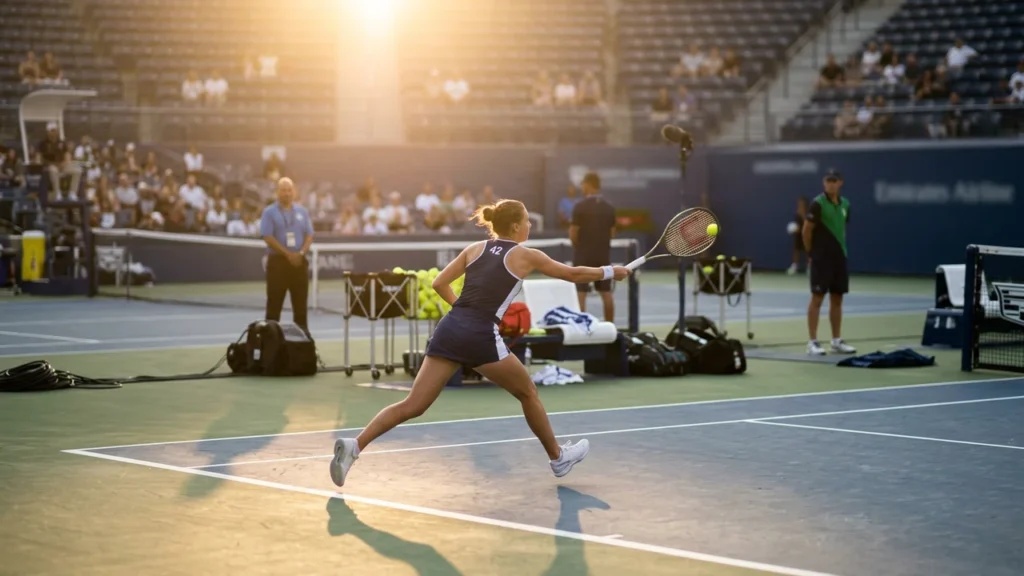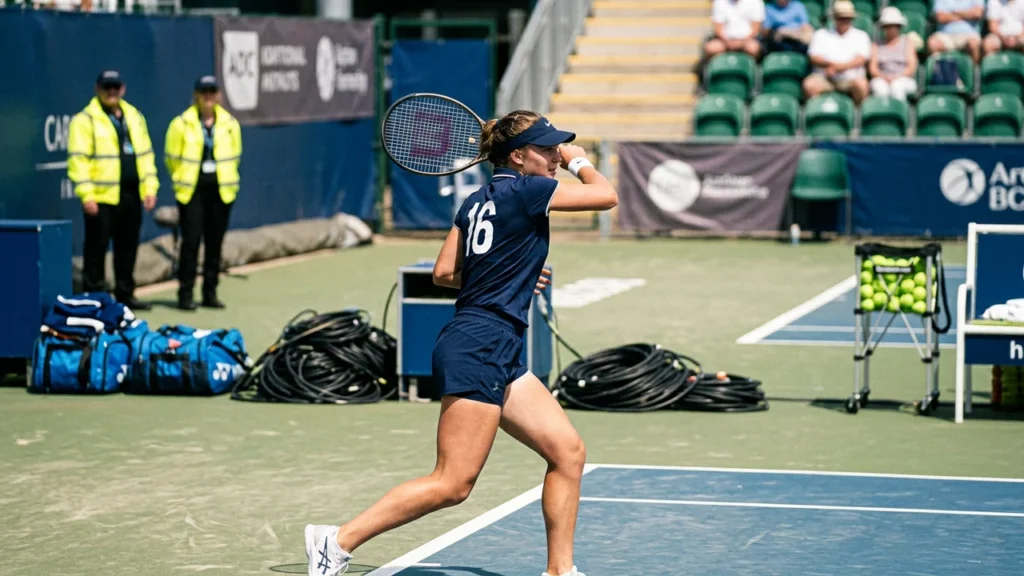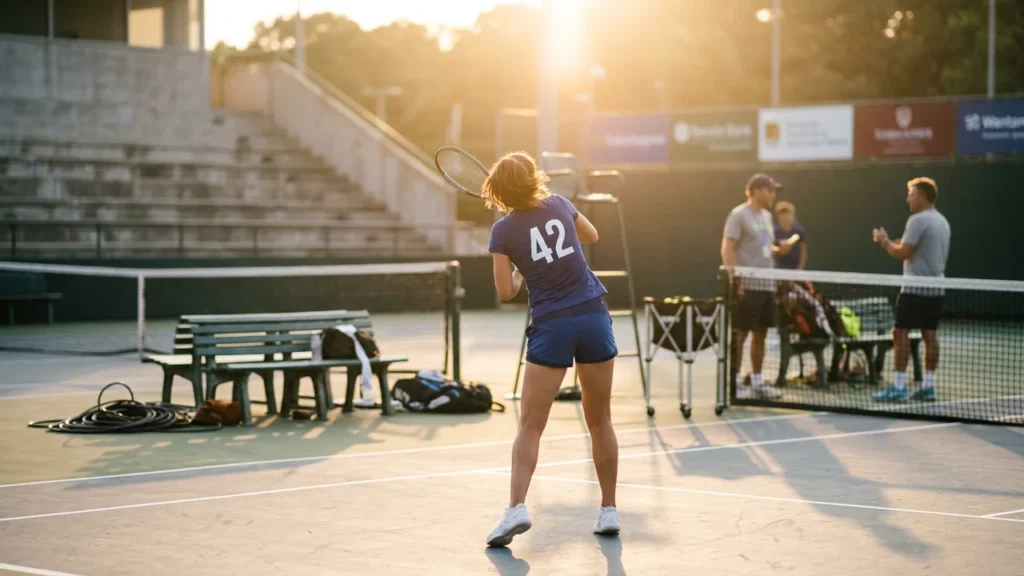
Grand Slam tournaments are the ultimate test of a tennis player’s physical and mental endurance. With matches often stretching beyond four hours and encompassing countless grueling sets, sustaining peak performance through every rally, every game, and every point demands more than talent alone. Conditioning routines tailored specifically to withstand the demands of marathon matches have become a cornerstone for athletes aiming to etch their names into tennis history. From the blistering emulation of Novak Djokovic’s resilience against Rafael Nadal’s legendary stamina to the ever-evolving science behind recovery and energy management, the modern tennis challenger needs a multifaceted approach to conditioning. These regimens not only sculpt the body for strength and agility but also infuse the mental tenacity required to maintain laser-sharp focus as fatigue sets in. Under Armour, Nike, Adidas, and other leading sports brands provide gear engineered for these epic encounters, but it’s the behind-the-scenes physical preparation that ultimately makes the difference between victory and defeat. Understanding the anatomy of a Grand Slam set and equipping oneself with routines that combine endurance, strength, speed, and recovery is vital for any player committed to mastering the prolonged intensity of these prestigious competitions.
Building Endurance to Outlast Opponents in Long Grand Slam Sets
Endurance is the bedrock upon which all sustained tennis performance stands. Grand Slam matches push athletes into a realm where every muscle fiber is tested, every breath counts, and energy conservation becomes a strategic art. The cardiovascular demands of tennis are profound, resembling the intensity of half-court basketball, as players alternate between explosive bursts and strategic rests.
Top players often integrate high-intensity interval training (HIIT) tailored to tennis-specific movements. For example, routines inspired by HIIT tennis conditioning drills focus on replicating the fast-paced sprinting and rapid directional changes typical of long rallies. This not only increases heart and lung capacity but also replicates the metabolic stress experienced during match play, which is crucial for conditioning the body to recover quickly between points.
Experts recommend incorporating the following endurance-building strategies:
- Multiple interval sessions per week combining sprints, shuttle runs, and agility drills to mimic real court movement.
- Long slow distance runs or cycling sessions to build baseline aerobic capacity, supporting recovery within sets.
- Functional circuit training integrating tennis-specific exercises like lateral lunges and explosive medicine ball slams.
- Breath control and oxygen utilization practices to improve efficiency during extended play.
Equally important is the ability to maintain sharp footwork on different surfaces throughout long matches. Transitioning seamlessly between clay, grass, and hard courts demands not only technical skill but also muscular endurance and tendon resilience, aspects increasingly emphasized by conditioning coaches working with brands like Wilson and Head. For players seeking detailed advice on footwork and surface adaptations, resources such as this guide provide vital insights.
| Endurance Training Method | Purpose | Frequency | Sample Activity |
|---|---|---|---|
| HIIT Tennis Conditioning | Replicate match intensity bursts | 2-3 times per week | Shuttle sprints with recovery jogs |
| Slow Distance Training | Build aerobic engine for recovery | 1-2 times per week | 30-60 minutes steady-state running or cycling |
| Functional Circuit Workouts | Enhance muscular endurance and movement efficiency | 2 times per week | Lunges, medicine ball slams, footwork drills |
| Breath Control Drills | Improve oxygen utilization and recovery | Daily practice | Controlled breathing during stretching or yoga |
Strength Training: The Foundation of Power and Injury Prevention
Long Grand Slam sets are not only a test of stamina but also a contest of power and resilience. Strength training builds the muscle durability needed to withstand repeated explosive movements, powerful strokes, and sudden changes in direction without succumbing to injury. Conditioning coaches such as Jez Green, who trains elite athletes like Andy Murray, stress that modern tennis players must evolve into “complete athletes,” integrating work that protects the body while enhancing performance.
Key areas for strength conditioning include the upper body, core, and legs—each critical for different components of tennis performance. For example, strong forearms and wrists, developed through wrist curls and alternating dumbbell bench presses, increase shot stability and racket speed. The legs, of course, are the engine, powering quick recovery to the ball and explosive lunges. Core strength governs balance and rotational power vital for groundstrokes and serves. Incorporating equipment from trusted brands such as Babolat, Wilson, and Head into training routines enables precise tactile feedback, enhancing the functional crossover of gym work to on-court execution.
Recommended strength exercises to incorporate multiple times weekly include:
- Wrist and Forearm Curls: essential for grip endurance and shot control.
- Alternating Dumbbell Bench Press: builds chest, shoulders, and tricep power.
- Clock Lunges: a versatile drill for leg strength and multi-directional agility.
- Medicine Ball Slams: fortify core and explosive upper body strength critical for serves and volleys.
Choosing appropriate weights that permit completion without sacrificing form is vital. This measured approach ensures building power without risking strains, an especially important factor in the compressed tournament schedules of Grand Slams. For detailed strength and conditioning guidelines, including injury prevention, shoulder stability circuits and other programs are invaluable resources.
| Exercise | Target Area | Repetitions | Benefits |
|---|---|---|---|
| Wrist and Forearm Curls | Wrist, Forearm | 10 each direction | Improves racket grip and shot control |
| Alternating Dumbbell Bench Press | Chest, Shoulders, Triceps | 20 alternating reps | Enhances upper body power for stronger hits |
| Clock Lunges | Legs, Glutes, Balance | 12 lunges each side | Boosts leg strength and directional agility |
| Medicine Ball Slams | Core, Upper Body | 15 reps | Develops explosive power needed for serves and volleys |
Speed and Agility Workouts: Mastering Quick Court Movement for Extended Matches
Speed and agility are the defining attributes that convert raw strength and endurance into sharp match-winning advantages. The quick reflexive movements demanded during Grand Slam encounters require athletes to move with precision and speed, almost anticipating their opponents’ shots before they land. Enhanced footwork not only makes covering the court more energy-efficient but also reduces the risk of injury while allowing for faster recovery within points.
Drills focusing on accelerations, decelerations, and lateral movement patterns are essential. Ladder drills and cone-based agility exercises are staples in this training, designed to hone fast-feet and improve neuromuscular coordination. Incorporating plyometric exercises, such as box jumps and lateral bounds, complements these by developing the explosive muscle power necessary to sustain the frequency and intensity of movements demanded by long sets. These activities work synergistically to keep players fluid and dynamic, vital as fatigue attempts to slow rhythm as matches drag on.
Some effective speed and agility drills include:
- Agility Ladder Drills: enhance foot speed and coordination, vital for sudden directional changes.
- Cone Drills: simulate game-realistic movement patterns, improving controlled speed and balance.
- Plyometric Drills: boost explosive power for quicker takeoffs and dynamic court coverage.
- Shadow Tennis: a unique visualization and footwork exercise that syncs cognitive and physical agility.
For players exploring these areas, consulting resources like footwork and agility ladder drills can provide structured guidance. Proper footwear, from brands like Asics, New Balance, and Lululemon, also plays an indispensable role, maintaining traction and support for these rapid movements. A detailed review of top performance shoes can be found here.
| Drill Type | Focus Area | Purpose | Recommended Sets |
|---|---|---|---|
| Agility Ladder Drills | Foot speed, Coordination | Improve rapid step patterns | 3-5 sets per session |
| Cone Drills | Lateral movement, Balance | Enhance directional changes | 4-6 runs per drill |
| Plyometric Drills | Explosive power | Increase jump and sprint speed | 3-4 sets of 10-15 reps |
| Shadow Tennis | Mental and physical agility | Synchronize movement with shot visualization | 5-10 minutes daily |
Nutrition and Recovery: Fueling the Marathon Match
Long Grand Slam sets demand exceptional on-court energy management and systematic off-court recovery protocols. The interplay of nutrition and recovery shapes a player’s ability to sustain performance, avoid injuries, and execute at high levels deep into the match.
Batting fatigue away starts with sustained energy. Players prioritize carbohydrate-rich meals pre-match for glycogen stores, balanced with lean proteins and essential fats to build muscle and reduce inflammation. During matches, nutrition strategies involve electrolyte-rich hydration and quick-absorbing snacks like bananas, often favored by champions, to maintain blood sugar levels. Adidas and Nike continuously innovate products to aid hydration and nutrition, crafting sports drinks and recovery snacks tailored to tennis athletes.
Equally critical is the structured recovery routine encompassing:
- Post-Match Foam Rolling: releases muscle tightness and accelerates healing, as detailed in resources like post-match foam roller techniques.
- Quality Sleep and Hydration: optimal rest is non-negotiable in replenishing energy systems and repairing tissue. Scientific data supports that 7-9 hours of sleep coupled with strategic hydration enhances mental and physical recovery alike.
- Mental Relaxation Techniques: meditation and breathing exercises to manage stress and maintain focus during extended matches.
- Cold Therapy and Compression Gear: brands such as Reebok and Under Armour develop compression clothing that aids recovery by reducing inflammation and muscle soreness.
| Recovery Strategy | Function | Typical Duration | Recommended Frequency |
|---|---|---|---|
| Foam Rolling | Muscle release and flexibility | 15-20 minutes | After each match and training session |
| Sleep | Physical and mental restoration | 7-9 hours | Daily |
| Hydration | Maintains electrolyte balance | Throughout match and day | Continuous |
| Mental Relaxation | Focus and stress management | 10-15 minutes | Daily |
Integrating Smart Technology and Analytics into Conditioning Programs
2025 has ushered in a new era of sports science where athletes harness technology to optimize every facet of conditioning. Tennis players increasingly rely on analytics gadgets, wearable tech, and sophisticated training platforms to fine-tune their preparation for long Grand Slam sets.
Wearables measure heart rate variability, movement efficiency, shot accuracy, and fatigue levels, allowing coaches to customize training loads smartly and prevent overtraining. Brands like Babolat and Head not only innovate in racket technology but also integrate sensor systems that provide real-time feedback on string tension, shot speed, and spin, informing training adjustments for precision and endurance.
Key technological tools revolutionizing conditioning include:
- Smart Training Analytics: Platforms that analyze physical output, recovery, and progress metrics to guide training intensity, as detailed at tennis training analytics.
- Ball Machines with Speed and Spin Controls: These machines simulate realistic match shots, perfect for practicing under fatigue conditions (ball machine drills).
- Mental Training Software: Enhance serve accuracy and focus through visualization and reaction time programs.
- Biofeedback Devices: Monitor stress and recovery to tailor rest days vs. training intensity.
The future of Grand Slam conditioning involves a fusion of traditional physical training and cutting-edge smart solutions. Players wearing gear from Nike, Adidas, and Lululemon increasingly benefit from these advanced approaches designed to sustain them through exhausting sets and fierce competition.