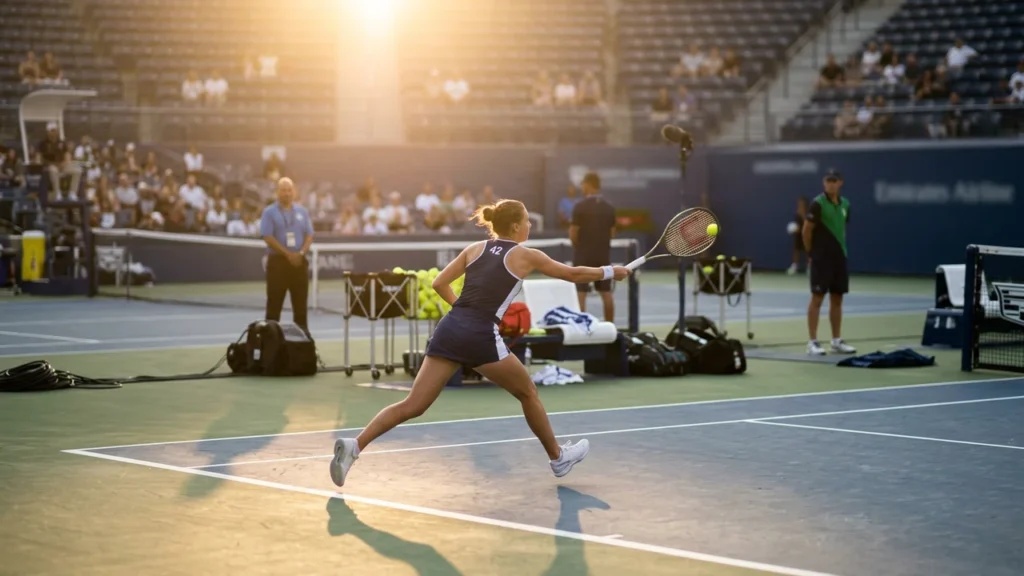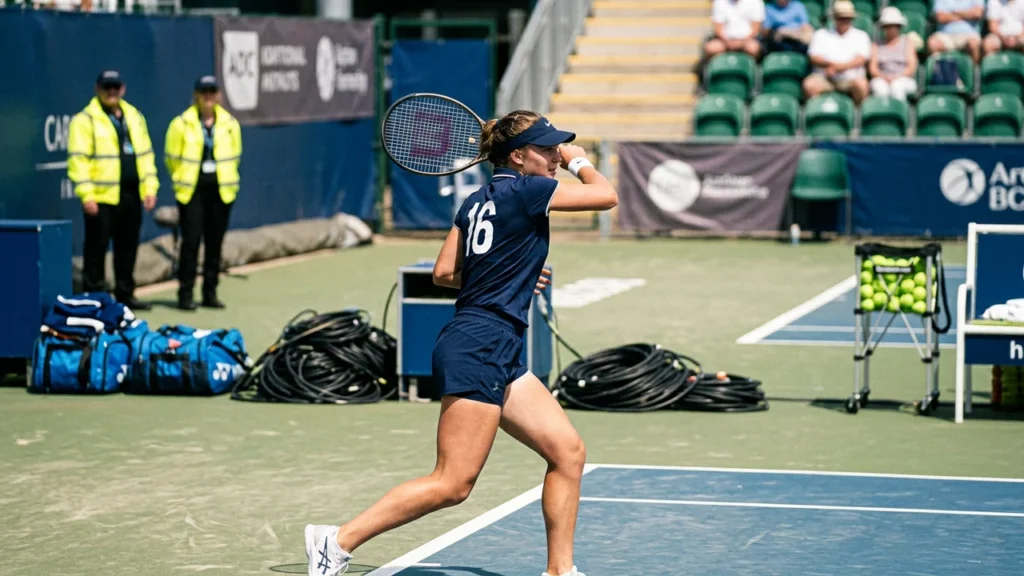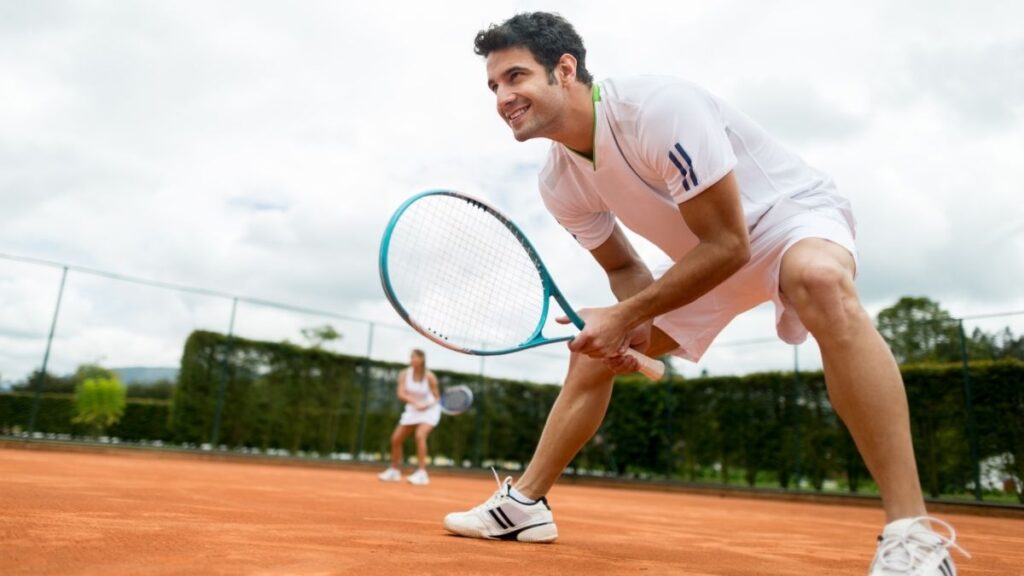
The 2025 European Open is set to usher in a thrilling new chapter in men’s professional tennis as it relocates to Brussels, marking a milestone for the prestigious ATP 250 indoor hard court tournament. This change not only brings fresh excitement but also a chance to experience high-stakes tennis within one of Europe’s vibrant capitals. With top international stars ready to compete, fan-favorite brands like Nike, Adidas, and Wilson sponsoring players, and a setting that blends tradition with innovation, the tournament promises an unmissable spectacle for tennis enthusiasts and newcomers alike.
Enthusiasts will witness stunning rallies on indoor hard courts, superb athleticism, and the brilliantly strategic play styles this surface demands, all within the world-class ING Arena, formerly Paleis 12 at Brussels Expo. The European Open’s move to Brussels ensures a renewed atmosphere of intensity and entertainment, solidifying its status on the ATP calendar.
Moreover, this edition will reveal how players adapt to the nuances of indoor hard court tennis, emphasizing power, precision, and agility. The event will captivate fans through every set, rally, and match point, energized by partnerships with luxury brands like Rolex and Emirates, and backed by leading racket manufacturers such as Head, Babolat, Lacoste, and Yonex.
- Relocation of the European Open to Brussels and its impact.
- Key player participation and emerging talents on indoor hard courts.
- Influence of surface and venue on playing styles and outcomes.
- Role of major brands and sponsors in shaping tournament prestige.
- Perspectives on the tournament’s place within the 2025 ATP Tour landscape.
The 2025 European Open: A New Era Begins in Brussels
The transition of the European Open from Antwerp to Brussels represents a strategic evolution for the tournament, celebrating its 10th edition with a fresh identity and expanded potential. The move to the ING Arena, a renowned venue equipped with cutting-edge facilities, provides players and fans with unmatched comfort and excitement.
This relocation offers several advantages:
- Larger Capacity: ING Arena accommodates a greater audience, heightening the energy and crowd engagement during matches.
- Central Location: Situated in Belgium’s capital, the arena benefits from excellent transport links and hospitality services, increasing accessibility for international visitors.
- Improved Facilities: State-of-the-art courts and player amenities enhance performance conditions and spectator experience alike.
The change also refreshes the tournament’s image, aligning it with Brussels’ cosmopolitan vibe. Since its debut in 2016, the European Open has progressively risen in prominence, previously known for exciting battles hosted indoors on hard courts. Its history includes memorable wins by stars such as Felix Auger-Aliassime and Alexander Bublik, reflecting a competitive draw that blends established champions with eager challengers.
The indoor hard court setting demands quick reflexes, powerful serves, and precise shot-making, placing a premium on players’ physical and mental resilience. The shorter reaction times compared to clay or grass courts make this surface particularly thrilling for spectators and challenging for players, who must adjust strategies accordingly.
| Edition | City | Venue | Surface | Winner (Last 3 Editions) |
|---|---|---|---|---|
| 2022 | Antwerp | Sportpaleis | Indoor Hard Court | Felix Auger-Aliassime |
| 2023 | Antwerp | Sportpaleis | Indoor Hard Court | Alexander Bublik |
| 2024 | Antwerp | Sportpaleis | Indoor Hard Court | Felix Auger-Aliassime |
The shift to Brussels symbolically and practically positions the European Open as a must-watch event heading into the final stretch of the ATP season, attracting players managing their indoor event schedules carefully. This variety of tactical and physical adjustments makes it one of the most dynamic ATP 250 tournaments.
Mastering the Indoor Hard Court: Tactical and Technical Dimensions at the European Open
The indoor hard court environment of the European Open demands mastery over powerful serves, precise baseline strokes, and strategic net play. Unlike outdoor surfaces affected by weather, the consistency of indoor conditions magnifies the importance of shot execution and player adaptability.
Key Tactical Approaches
- Aggressive Serving: The fast indoor surface favors players with strong, well-placed serves, enabling easy points and setting up aggressive groundstrokes.
- Baseline Dominance: Players often rely on clean, flat groundstrokes to dictate rallies, rewarding those with exceptional timing and footwork.
- Quick Net Play: Transitioning rapidly from baseline to net can catch opponents off guard, especially in close matches.
- Effective Return of Serve: Given the advantage servers have indoors, proficient receivers hold the key to shifting momentum.
- Mental Resilience: The pressure of tight indoor conditions heightens the psychological demands on competitors.
These strategies manifest differently depending on player profiles. For instance, players sponsored by Head and Yonex often leverage technologically advanced rackets tailored for speed and control, enhancing their ability to execute quick rallies. Brands like Wilson and Babolat also play a crucial role by innovating strings and gear that optimize spin and durability, vital against the fast pace of indoor conditions.
Understanding the surface’s influence leads to greater appreciation for how legends adapt their game. For example, Rafael Nadal’s indoor comebacks illustrate the blend of tactical patience and offense necessary to conquer such events — an insight detailed in this analysis of indoor event strategies.
| Aspect | Indoor Hard Court Effect | Player Advantage |
|---|---|---|
| Serve Speed | Faster ball speed, minimal wind interference | Powerful servers with precision placement |
| Rally Length | Typically shorter rallies due to fast pace | Aggressive baseline players |
| Footwork | Quicker direction changes required | Players with agility and explosive movement |
These elements underscore why the European Open is a highlight for those fascinated by tennis’s technical and dynamic dimensions. Observers can analyze how emerging stars and veterans alike tailor their game, highlighting the continuous innovation in tennis tactics and equipment favored at indoor events.
Player Lineup and Rising Talents at the 2025 European Open
The 2025 participants include a compelling mix of tennis’s elite and emerging contenders, setting the stage for thrilling encounters. Notable entrants such as Felix Auger-Aliassime, who doubles as a past champion, and Frances Tiafoe bring explosive athleticism and crowd charisma, while younger players eager to make breakthroughs add intensity to every match.
This constellation of talent drives the unpredictability of the European Open. Factors contributing to this vibrant field include:
- Strategic Season Placement: Being an October indoor event, players specifically prepare for it as part of their late-season push.
- Ranking Opportunities: ATP 250 points serve as vital stepping stones toward top-tier tournaments like the Canadian Masters or Paris Masters.
- Surface Suitability: Players skilled on indoor hard courts view this as an advantageous arena to gather momentum.
- Rivalry and Redemption: Past finalists and new challengers fuel compelling storylines that energize fans.
For tennis followers, these factors combine to provide gripping narratives both on and off the court. Nike and Adidas-sponsored athletes, with their flagship apparel and footwear engineered for optimal performance under indoor conditions, typically gleam under the arena lights, blending style with substance.
| Player | Nationality | Strength | 2025 Form Insight |
|---|---|---|---|
| Felix Auger-Aliassime | Canada | Aggressive baseline play, strong serve | Consistent indoor performer with two European Open titles |
| Frances Tiafoe | USA | Powerful groundstrokes, fast footwork | Rising star known for thrilling comebacks and crowd engagement |
| Emerging Talent X | Country Y | Technical finesse, adaptability | Breakthrough performances on indoor circuits |
The inclusion of new faces each year adds fresh energy while maintaining the tournament’s competitive integrity. Sponsors such as Lacoste and Babolat play a subtle but significant role by outfitting these athletes with gear that enhances performance under intense indoor conditions.
Impact of Sponsorships and Brand Partnerships on the European Open’s Prestige
An often underestimated factor shaping the European Open’s success is the influential role of global brands that align themselves with this vibrant tournament. The presence of giants like Nike, Adidas, and Rolex not only enhances the tournament’s professional ambiance but also underlines tennis’s unique intersection of sport, style, and luxury.
These brands contribute in multiple ways:
- Player Sponsorship: Providing gear, apparel, and psychological confidence through cutting-edge technology and design.
- Event Hospitality: Offering exclusive experiences in VIP lounges and corporate suites that attract business leaders and influencers.
- Broadcast and Digital Presence: Elevating the tournament’s profile globally via live-streaming, social media partnerships, and polished marketing campaigns.
The tournament’s move to Brussels has expanded opportunities for sponsors to engage with a broader European audience. For instance, partnerships with Peugeot and Emirates underpin hospitality and logistics, ensuring seamless experiences for players, staff, and fans alike.
| Brand | Role in Tournament | Impact |
|---|---|---|
| Nike | Player apparel and footwear sponsor | Enhances player performance and style |
| Rolex | Official timekeeper and luxury sponsor | Boosts event prestige and atmosphere |
| Peugeot | Logistics and transportation partnership | Ensures smooth player transfers and hospitality |
| Emirates | Official airline partner | Facilitates global player travel and fan outreach |
With such extensive support and brand investment, the European Open enhances its competitiveness and global profile, demonstrating why it remains a highlight on the ATP Tour. Understanding these dynamics provides insight into how modern tennis tournaments balance sport with commercial success.
Positioning the European Open 2025 Within the ATP Tour and Indoor Tennis Season
The European Open’s scheduling in mid-October places it strategically as a key fixture in the indoor season, fitting neatly among other notable events such as the Toronto Masters and the Seoul Indoor Series. This timing makes it crucial for players aiming to gather points and momentum as the ATP season closes.
Key elements defining its importance include:
- ATP 250 Status: The tournament awards important 250 ranking points, helping players climb or solidify their ATP rankings ahead of season-ending championships.
- Adaptation to Indoor Play: It offers players invaluable experience on controlled hard courts, critical preparation for larger scale indoor events.
- Fan and Media Attention: The event garners substantial coverage in European media outlets and among tennis fans worldwide.
- Relation to Other Tournaments: Positioned between continents and levels, it fills a niche that balances competitive intensity with player scheduling priorities.
Besides rivalries intensified on these surfaces, the European Open also offers a vibrant social and cultural experience for visitors to Brussels. Its proximity to other ATP events creates ecosystem synergy, contributing to viewers’ engagement throughout the indoor hard court season. Tennis aficionados can follow this and other tournaments, including the Grand Slams, via comprehensive online platforms like TennisGuide live streaming.
| Tournament | Date | Surface | Significance |
|---|---|---|---|
| European Open | October 13-19 | Indoor Hard Court | ATP 250; late-season momentum builder |
| Toronto Masters | August | Outdoor Hard Court | ATP Masters 1000; major ranking points |
| Seoul Indoor Series | February | Indoor Hard Court | Important lead-up to indoor season |
Understanding where the European Open fits into the broader tennis calendar enhances appreciation for player strategies and the cumulative challenges of a demanding professional sport. Each event, with its surface nuances and timing, demands unique preparation—a testament to tennis’s diversity and appeal.