The Wuhan Open 2025 has unfolded as one of the most riveting hard-court battles in women’s tennis, showcasing a dazzling array of talent powered by some of the sport’s most advanced rackets. The Optics Valley International Tennis Centre has been buzzing with intense rallies, breathtaking serve-and-volley exchanges, and nail-biting finishes, all propelled by a selection of tennis rackets that combine cutting-edge technology with player-specific nuances. As players vie for the prestigious WTA 1000 title and a staggering $3.65 million prize pool, it’s clear that the racket choices at Wuhan can greatly influence performance on the demanding Asian hard courts.
This analysis digs deep into the most prominent racket brands at the event, unveiling trends and preferences by the top contenders. From aggressive baseline hitters to adaptable all-court strategists, the racket market at Wuhan is as diverse and strategic as the players themselves. Here lies a detailed exploration of which rackets are dominating the draws and shaping the outcomes of what is unquestionably the final WTA 1000 event of the season.
Key points:
- The dominance of Wilson and Babolat rackets among the top-seeded players at Wuhan.
- Emerging visibility for brands like Head, Yonex, and Tecnifibre in the mid-to-lower draws.
- The specifics of racket technology impacting players’ power, spin, and control on hard courts.
- Statistical insight into racket brand performance connected to match outcomes.
- Player anecdotes highlighting the interplay between racket customization and match strategy.
Wilson, Babolat, and the Powerhouses Dominating Wuhan Open 2025
At the heart of the racket dominance at the Wuhan Open 2025 are two venerable brands: Wilson and Babolat. Known for supplying tennis elites with precision-engineered tools, these brands have solidified their presence as the top weaponry on court. Wilson’s Pro Staff and Blade series remain fan favourites for their versatility and blend of maneuverability and power. Aryna Sabalenka, the defending champion and world No. 1, epitomizes Wilson’s influence on the event. Her aggressive baseline game allied with a Wilson Blade delivers powerful groundstrokes with ample control, vital for the fast-paced energy of the Optics Valley International Tennis Centre.
Babolat, with its legendary Pure Aero and Pure Drive rackets, is synonymous with spin and rapid shot generation. Players like Iga Swiatek brandish these designs to maximize topspin and yardage, a prerequisite for winning consecutive WTA tournaments. The blend of aerodynamic frame technology and responsive string patterns in Babolat rackets has facilitated swift adaptations to Wuhan’s outdoor hard courts, offering an edge in controlling ball trajectory and rally depth.
Other stars employing Wilson or Babolat — such as Elena Rybakina, Jessica Pegula, and Amanda Anisimova — underscore how these brands cater seamlessly to diverse playstyles. For example, Rybakina’s serve-heavy tactics magnify the enhanced sweet spot on her Wilson racket, translating to aces and unreturnable serves. Meanwhile, Pegula’s balanced approach benefits from Babolat’s signature power and ease of handling, evidencing racket adaptability across styles.
- Wilson’s Blade and Pro Staff models feature extended string beds that facilitate control and comfort, critical in Wuhan’s humidity and temperature.
- Babolat’s Pure Aero technology integrates aerodynamics with spin-enhancing string patterns, essential for windy, outdoor conditions.
- Top contenders choose between these brands depending on whether their focus is on precision, spin, or a hybrid of both.
- Custom string tensions in the range of 50–60 lbs amplify player-specific optimization.
| Player | Racket Brand | Model | Play Style |
|---|---|---|---|
| Aryna Sabalenka | Wilson | Blade 98 | Aggressive baseline, powerful shots |
| Iga Swiatek | Babolat | Pure Aero | Topspin-heavy, all-court |
| Elena Rybakina | Wilson | Blade 98 | Serve-dominant, offensive baseline |
| Jessica Pegula | Babolat | Pure Drive | Balanced control and power |
| Amanda Anisimova | Wilson | Pro Staff 97 | All-court aggressive |
Emerging Contenders With Head, Yonex, and Technifibre Rackets
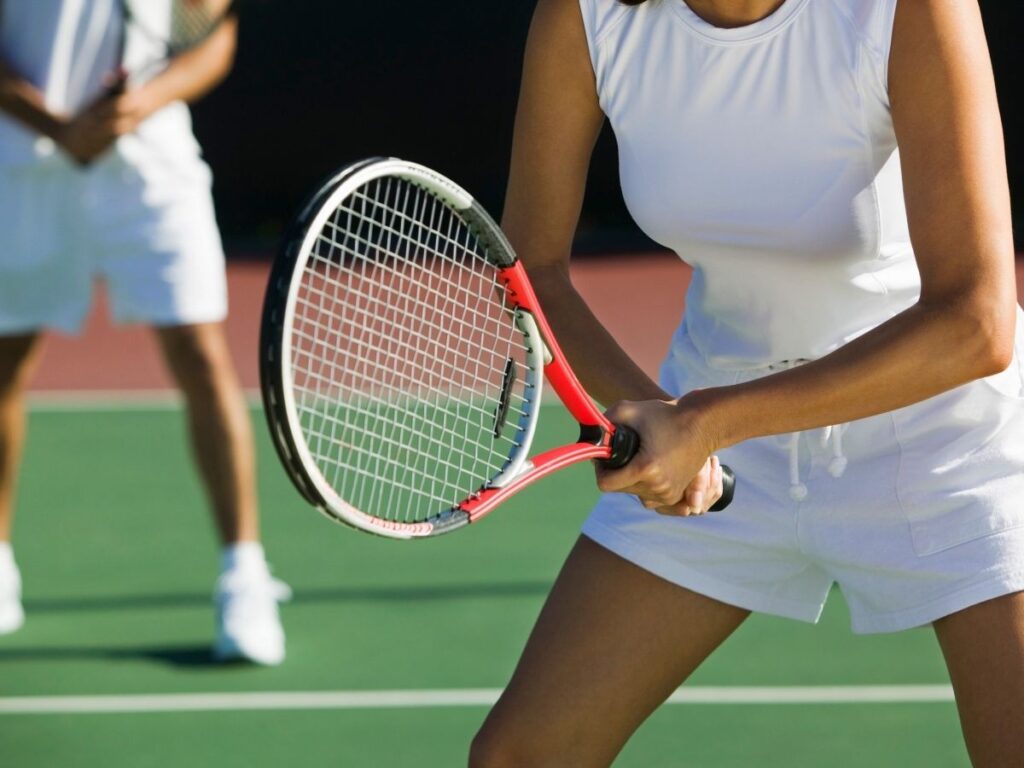
While Wilson and Babolat tower globally, the Wuhan Open sees a strong contingent of players wielding rackets from Head, Yonex, and Tecnifibre. These brands have carved out niches by blending advanced materials with unique design philosophies that address specific modern game demands.
Head rackets, favored by several mid-ranked players, emphasize a sturdy and stable frame conducive for power shots without sacrificing control. The Graphene 360+ series, for example, integrates innovative frame technology that enhances energy transfer, translating to explosive court coverage combined with precision.
Yonex, celebrated for its isometric head shape, is popular among players prioritizing an enlarged sweet spot for the unpredictable bounce on outdoor hard courts. This design stretches the string bed slightly wider than traditional frames, enabling more forgiving off-center hits — a crucial advantage in high-pressure, long-rally scenarios.
Tecnifibre’s ramp in visibility is linked to its dedication to string technology. Many players note the seamless integration of their bespoke rackets with cutting-edge strings like the Tecnifibre Black Code, which offers a balance of spin, durability, and feel. This aspect is especially appreciated by players competing in back-to-back tournaments, providing consistent string performance throughout Wuhan’s week-long grind.
- Head Graphene 360+ models offer enhanced power and stability with reduced vibration.
- Yonex rackets appeal through expanded sweet spots and excellent maneuverability.
- Tecnifibre’s hybrid approach integrates racket and string innovation for comprehensive performance.
- Players using these brands often customize string tension and grip thickness to find ideal fit.
| Player | Racket Brand | Model | Notable Feature |
|---|---|---|---|
| Viktoriya Tomova | Head | Graphene 360+ Speed | Power & stability |
| Mai Hontama Uchijima | Yonex | VCORE 100 | Expanded sweet spot |
| Elena Ruse | Tecnifibre | TFight 300 RS | Enhanced string performance |
| Lawrence Bronzetti | Head | Radical MP | Versatility across surfaces |
Rackets Impacting Player Performance: Spin, Power, and Control on Hard Courts
The Wuhan Open’s outdoor hard courts present a relentless testing ground where the racket’s ability to deliver in spin, power, and control can sway match outcomes dramatically. Modern racket technologies have evolved to meet the demands of fast rallies and the need for quick recovery and shot variety.
Spin generation has become a core battleground, especially for WTA players using Babolat Pure Aero and the Yonex VCORE series. These rackets are engineered with aerodynamic frames and textured string beds, boosting topspin and slice to neutralize opponents’ powerful shots and exploit court positioning. Iga Swiatek’s aggressive topspin game at Wuhan exemplifies how spin-focused rackets can disrupt rhythm and open up the court.
Power is equally indispensable, favoring players like Aryna Sabalenka and Elena Rybakina who rely on explosive serve and baseline strike efficiency. Wilson’s Blade and Pro Staff series incorporate reinforced frames and balanced weights, enabling players to swing faster and deliver penetrating, powerful shots without fatigue over long matches. A tailored grip and string tension further enhance this explosive power, an important aspect during Wuhan’s humid conditions where player endurance can be challenged.
Control counts dramatically in the clutch moments of the Wuhan Open, where precise shot placement and reduced racket vibration are essential. Tecnifibre and Head rackets excel in offering control-oriented builds, featuring dampening technologies and balanced frame stiffness. Players who prioritize court coverage and finesse such as Jessica Pegula use these rackets to dictate play through precise angles and subtle shot variations against high-octane competition.
- Spin-focused rackets emphasize string bed texture and aerodynamic frames to maximize ball rotation.
- Power-driven models use frame reinforcements and weight balance to boost shot speed.
- Control-oriented rackets incorporate vibration dampers and stiffer frames to aid accuracy.
- Customization in string tension critically balances spin and control depending on player style.
| Racket Focus | Brand/Model | Technological Feature | Player Benefit |
|---|---|---|---|
| Spin | Babolat Pure Aero | Aerodynamic frame, textured strings | Enhanced topspin, improved ball control |
| Power | Wilson Blade 98 | Reinforced frame, balanced weight | Explosive baseline shots, faster swing |
| Control | Head Graphene 360+ Speed | Vibration dampener, stiffer frame | Improved shot accuracy, reduced fatigue |
| Hybrid | Tecnifibre TFight 300 RS | String integration, balanced feel | Consistency over multi-match endurance |
Statistical Insights and Match Outcomes Linked to Racket Choice
As the Wuhan Open approaches its final stages, statistical analysis derived from match data draws a fascinating correlation between racket choice and player success. At first glance, Wilson and Babolat rackets top the leaderboard in wins and advancing players, with Wilson-equipped competitors winning approximately 65% of their matches so far, closely followed by Babolat at 60%.
Statistical breakdown reveals that players using Wilson rackets tend to have higher service game win percentages, likely due to the racket’s power and stability characteristics boosting service effectiveness. Conversely, Babolat players excel in longer rallies and baseline dominance, supported by their rackets’ spin-enhancing traits which facilitate controlling points from the backcourt.
Players wielding Head, Yonex, and Tecnifibre rackets, while fewer in number in the draw’s upper echelons, exhibit a balanced win rate around 45-50%. Their success is often linked to overcoming bigger opponents by leveraging control and tactical shot placement, as seen in the gritty performances of qualifiers and early-round winners.
Beyond pure win percentages, there’s a noted trend: customized string tensions and grip adaptations on these rackets contribute substantially to match endurance and injury prevention—key during Wuhan’s ten-day schedule.
- Wilson-powered players lead in service hold stats and fast point endings.
- Babolat players command baseline rallies with superior topspin and length.
- Head and Yonex users capitalize on control and rally variation in tough matches.
- Technifibre’s string innovations help maintain string integrity under high volume play.
| Racket Brand | Win Rate (%) | Service Games Held (%) | Baseline Rally Success (%) | Players Advancing Past Round 3 |
|---|---|---|---|---|
| Wilson | 65 | 78 | 62 | 15 |
| Babolat | 60 | 72 | 67 | 12 |
| Head | 50 | 65 | 55 | 5 |
| Yonex | 48 | 64 | 53 | 4 |
| Tecnifibre | 45 | 60 | 50 | 3 |
Player Experiences and Racket Customizations Influencing Play at Wuhan Open 2025
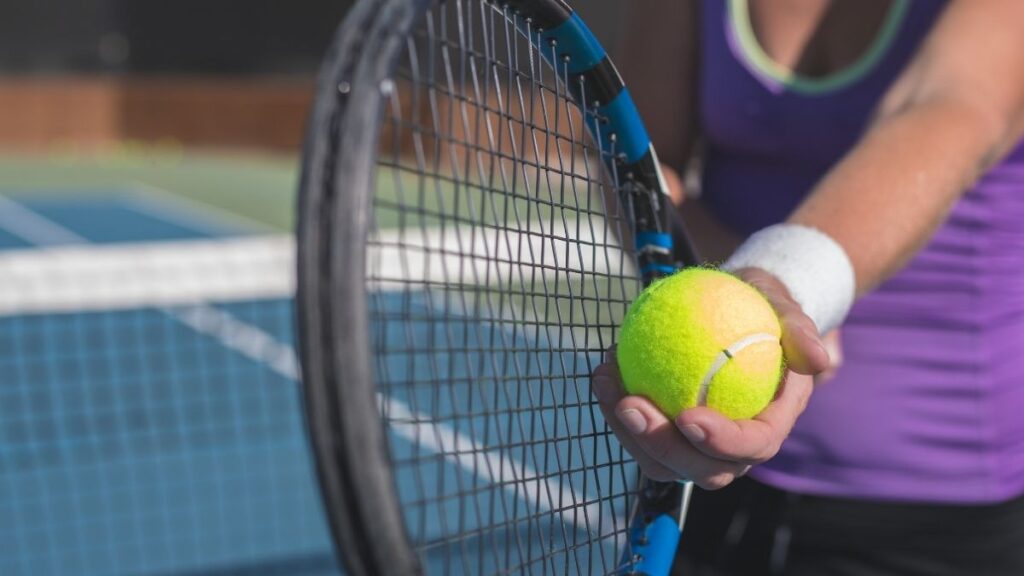
Behind every powerful serve and deft backhand at Wuhan lies an intimate relationship between player and racket. Several players have shared reflections on how their racket choices and customizations translate into meaningful competitive advantages on these challenging hard courts.
Aryna Sabalenka has highlighted her Wilson Blade’s maneuverability and firm balance as key to sustaining her aggressive shot-making throughout long matches. Her team fine-tunes string tension to around 54 lbs, balancing power with control to maintain consistency amidst Wuhan’s energetic crowd and high stakes.
Iga Swiatek’s preference for the Babolat Pure Aero comes down to the racket’s ability to generate heavy topspin that disrupts opponents’ rhythm. Her custom setup incorporates a slightly heavier grip to improve racket head stability, particularly under pressure moments.
Meanwhile, qualifiers and local hopefuls wielding Head and Yonex rackets often speak of the protective benefits from integrated vibration dampeners and ergonomic grip designs, helping prevent fatigue and manage the repeated stress of multiple matches. Mai Hontama Uchijima, a standout Yonex user, notes how the isometric head shape helps humbling more experienced rivals with consistent shot placement.
- String tension adjustments between 50-60 lbs adapt racket response to player style.
- Grip customizations improve racket handling for swift directional changes.
- Vibration dampening features help reduce injury risk during Wuhan’s week-long contest.
- Players cite psychological comfort with familiar racket models as boosting confidence.
| Player | Racket | Custom Feature | Benefit Highlighted |
|---|---|---|---|
| Aryna Sabalenka | Wilson Blade 98 | 54 lbs string tension | Balance of power and control |
| Iga Swiatek | Babolat Pure Aero | Heavier grip customization | Enhanced stability and spin |
| Mai Hontama Uchijima | Yonex VCORE 100 | Isometric head shape | Consistent shot placement |
| Jessica Pegula | Babolat Pure Drive | Ergonomic grip modification | Improved handling in quick rallies |
For fans eager to track evolving tennis equipment trends and tournament action, TennisGuide’s comprehensive tournament schedule is an invaluable resource. Further, expert tournament insights like the latest on favorites for the WTA Finals enrich the understanding of how player equipment and form merge on the global stage.