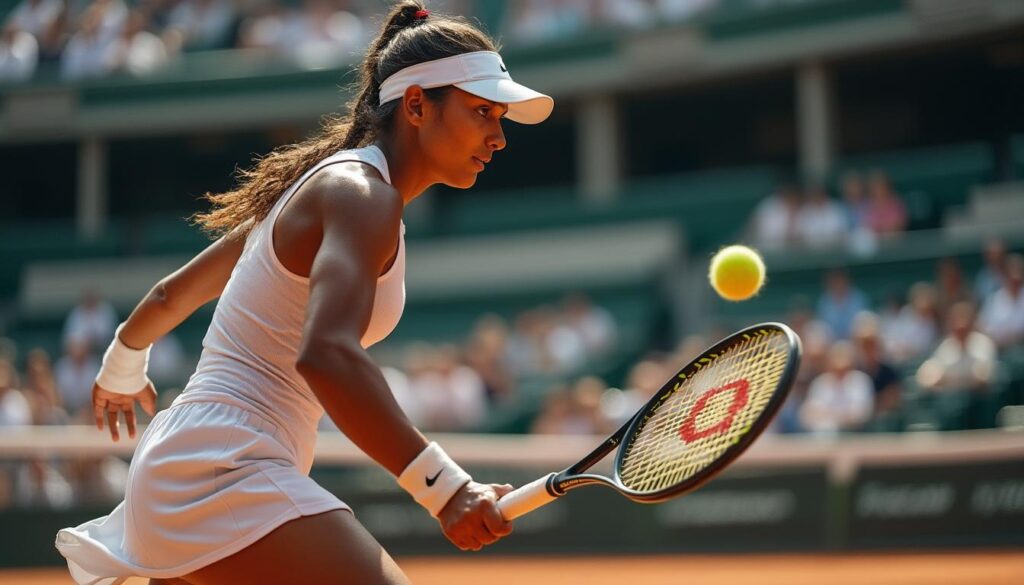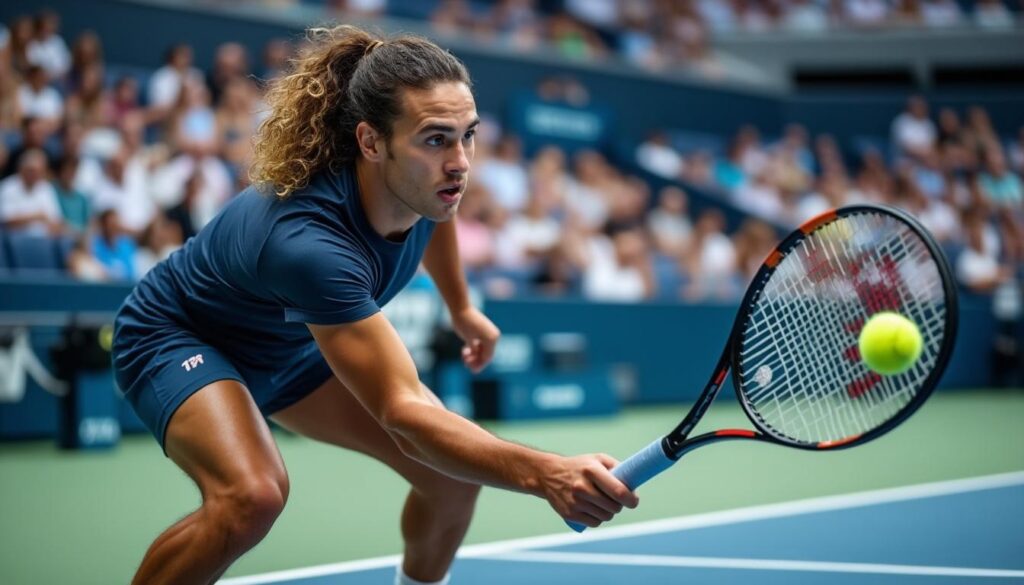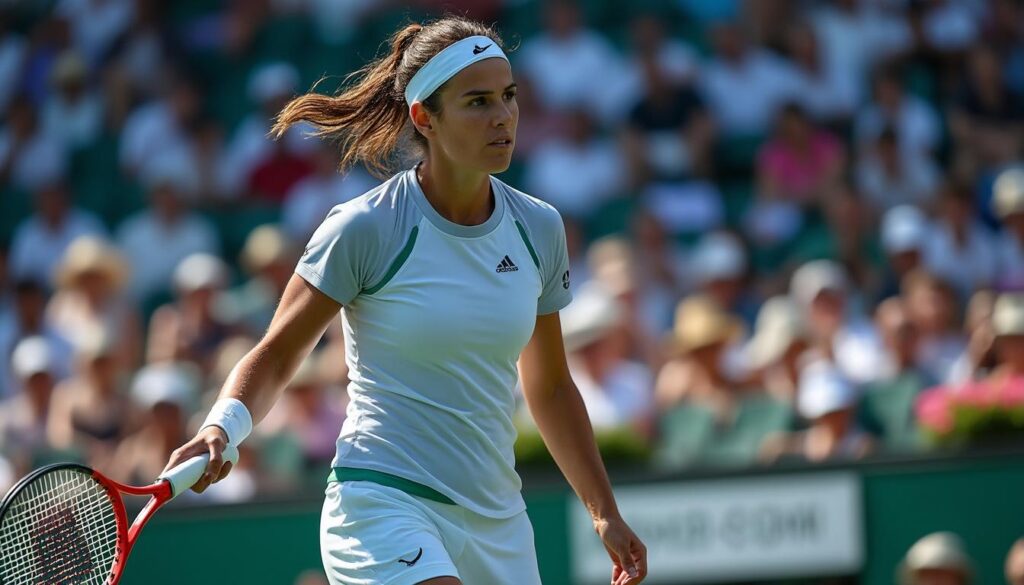
As the Paris Masters looms large on the calendar, the intensity on the tennis courts ratchets up notably. Players worldwide recognize the key to conquering this prestigious indoor hard-court event is not just skill or tactics but a finely tuned physical conditioning regime. The relentless rallies, explosive directional changes, and high-velocity serves demand endurance, speed, and supreme agility. Athletes, from seasoned pros to upcoming contenders, engage in specifically designed on-court conditioning drills to sustain peak performance throughout grueling matches that define the ATP season.
Understanding how top athletes maintain and elevate their physical readiness ahead of such a major tournament sheds light on the evolving science and art of tennis training. These conditioning workouts are crafted to mirror the high-stress, high-speed dynamics found on court, combining basketball-like agility exercises with tennis-specific movements. From quick bursts down the lines to rapid transitions in the baseline battle, each drill serves a purpose—the perfect blend of fitness and skill development.
While equipment brands such as Nike, Adidas, and Wilson fuel these preparations with innovative gear, the emphasis remains on rigorous practice combining stamina, footwork, and shot precision. With the rise of training methods focusing on in-play conditioning, players no longer separate fitness from technique. Instead, drills now integrate these elements, reflecting the demanding nature of elite tennis where fatigue management becomes as crucial as stroke mechanics.
Anticipating the Paris Masters, players are pushing the envelope on conditioning strategies, including drills that enhance explosive speed, fast recovery, and mental toughness under exhaustion. These exercises not only prepare muscle groups but also sharpen players’ ability to execute precise shots under stress—a hallmark of champions.
Such a focused conditioning approach echoes recent trends where athletes combine endurance intervals, reaction speed workouts, and skill drills seamlessly. For fans and budding tennis enthusiasts, dissecting these training routines offers a fascinating window into the dedication fueling some of the sport’s most electrifying matches.
Key Points at a Glance:
- Top players prioritize conditioning drills blending endurance, agility, and tennis-specific skills.
- Effective drills simulate match scenarios, ensuring skills are practiced under fatigue.
- Drills integrate rapid transitional movements, incorporating curvilinear sprinting akin to basketball conditioning routines.
- Brands like Head, Babolat, Under Armour, and Lacoste contribute technologically advanced apparel and equipment optimizing performance.
- These workouts condition both body and mind for last-set battles and high-pressure moments on indoor courts.
How Specific On-Court Drills Enhance Conditioning for the Paris Masters
Tennis conditioning integrates multifaceted physical and technical components. Ahead of the Paris Masters, players focus on increasingly complex drills that simulate the tournament’s demands while targeting endurance, speed, and shot precision. These drills transcend typical fitness routines by embedding ball handling and match-like scenarios, essential for maintaining competitive sharpness during extended rallies and quick counterattacks.
One standout conditioning method revolves around transition drills, which replicate the stop-start and direction-changing nature of modern tennis. A key example involves a 2-on-2 or 3-on-3 court sequence where offensive players must rapidly switch to defense and vice versa, with passes simulating fast break opportunities. This exercise promotes cardiovascular conditioning and agility while stressing quick strategic thinking under fatigue—skills vital on the rapid Paris indoor surface.
Another core drill involves incorporating rapid sprints timed with shooting or returning sequences, borrowing principles from basketball conditioning techniques. For instance, curvilinear sprinting drills mimic the angled runs and sharp cuts that players execute during points—far from simple linear sprints. The shooter might sprint to a corner for a quick forehand winner, immediately recover, and reposition based on the coach’s cue, boosting anaerobic capacity and muscular endurance.
Integrating these drills ensures players build the capacity to sustain explosive bursts without losing stroke quality or tactical awareness. The complexity is increased by adding different stroke types—mid-range volleys, three-point style deep baseline shots, and quick 1-2 dribbles simulating footwork patterns—to enhance players’ adaptability during actual matches. Brands like Yonex and Asics are known to supply shoes optimized for such rapid multidirectional movements, helping reduce injury risk during intense sessions.
List of the most effective conditioning focus areas included in drills:
- Endurance: Sustained heart-rate elevation through continuous movement drills.
- Speed and agility: Quick recovery to neutral positioning after explosive plays.
- Sport-specific coordination: Combining dribbling-like footwork with ball striking.
- Mental resilience: Executing fast decisions while pushing physical limits.
- Recovery timing: Practicing effective breathing and controlled motion to reset.
| Drill Type | Main Focus | Expected Outcome |
|---|---|---|
| 2-on-2 Transition Drill | Explosive defense-offense switches | Improved cardiovascular endurance and reaction speed |
| Curvilinear Sprint Drill | Agility and directional speed | Enhanced movement efficiency under fatigue |
| Full-Court Shooting Sprint | Shot execution while fatigued | Consistency in scoring during late match stages |
| Rapid Passing and Layup Drill | Coordination and stamina | Seamless integration of fitness and skills |
| Speed Change Drills | Acceleration with speed modulation | Better sudden pace changes disrupting opponent rhythm |
Integrating Skill Development with Conditioning in Pre-Tournament Workouts
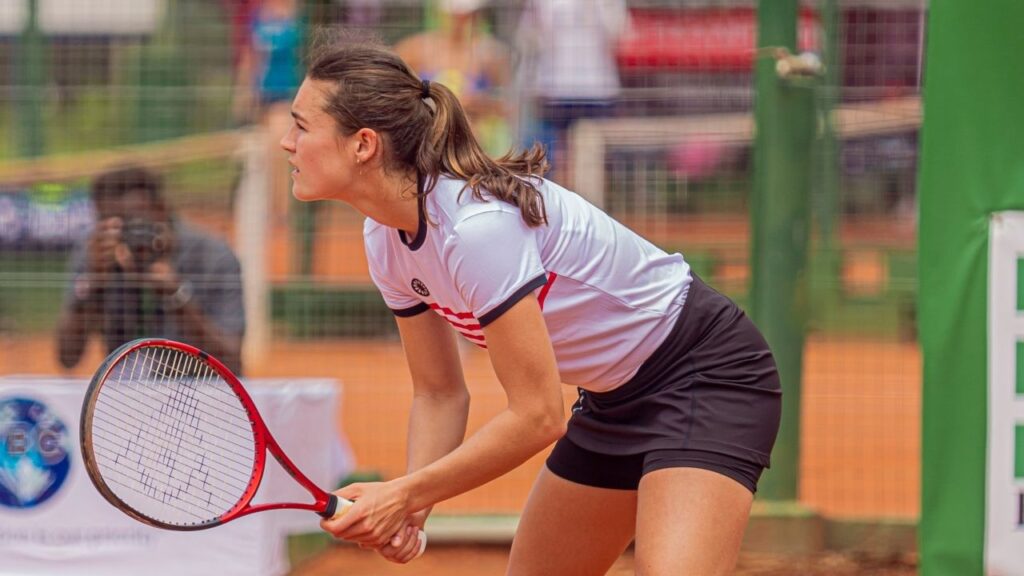
Modern tennis training transcends isolated fitness drills by integrating skill development and conditioning for a seamless on-court experience. Sports scientists and coaches emphasize drills that require players to execute precise shots under the strain of simulated match fatigue, ensuring technical execution does not falter when endurance is tested.
An effective approach involves progressive drills with passing and shooting elements reminiscent of basketball drills. For example, a 3-man fast break drill adapted for tennis focuses on continuous movement, efficient passing accuracy, and quick positional adjustments without dribbling, simulating rapid transition plays. The limitation on dribbles forces improved timing and anticipation, perfect for replicating the momentum swings observed during crucial match points.
Physical conditioning merges with cognitive training in drills that simulate real game speed, like the 55-second dribbling challenge. Here, players maintain a high tempo while performing complex footwork variations, improving muscular endurance and mental focus simultaneously. Employing this in pre-tournament routines, particularly ahead of indoor events like the Paris Masters, equips athletes to handle diverse pace changes and shot selection pressures.
The cross-pollination of training techniques also benefits recovery and injury prevention strategies. Brands such as New Balance and Under Armour offer cutting-edge apparel technology designed to support muscle function and thermoregulation, crucial during intensive conditioning blocks. Practitioners refer to this holistic methodology in numerous instructional guides that stress the importance of injury prevention techniques.
Key elements embedding skill with conditioning drills:
- Ball control exercises under physical strain.
- Timing passes and shots during dynamic plays.
- Fatigue management through integrated endurance routines.
- Adapting basketball-like agility patterns to tennis footwork.
- Focus on quick recovery between explosive effort phases.
| Drill | Skill Focus | Conditioning Benefit |
|---|---|---|
| 3-Man Fast Break Drill | Passing precision without dribbling | Cardiovascular stamina and quick recovery |
| 55-Second Dribble Challenge | Complex footwork under pace | Muscular endurance and concentration |
| Follow the Leader Passing | Rebounding fundamentals | Explosive power and coordination |
| Speed Change Drill | Acceleration and deceleration | Improved pace variation control |
These videos showcase elite players incorporating comprehensive conditioning routines in the crucial weeks leading to the Paris Masters, illustrating the drills in real-time execution and drills emphasizing agility and endurance.
Popular Conditioning Trends Shaping Player Readiness at Paris Masters
The 2025 season has underscored transformative trends in tennis conditioning, particularly for demanding indoor tournaments like the Paris Masters. Players increasingly embrace drills honed from other sports such as basketball, where rapid transitions, curvilinear sprinting, and split-second decision-making define gameplay. This cross-training approach has revolutionized conditioning, ensuring athletes maintain maximal explosiveness regardless of surrounding pressure.
Particularly notable is the move away from generic cardio runs or static fitness tests toward drills that merge conditioning with skill performance. The complex 4-man fatigue drill exemplifies this. By alternating shooters and passers rapidly with continuous sprints and shooting after fatigue sets in, players simulate late-match scenarios where sharp shooting under exhaustion can dictate outcomes.
Biomechanics research finds that the Paris Masters’ faster courts demand more than baseline stamina; court speed controversies have pushed players to adopt conditioning regimens emphasizing acceleration and deceleration in quick bursts. Consequently, equipment innovation from brands like Head and Babolat complements these routines by providing rackets and shoes tailored to support sudden power shifts without compromising control.
Nutrition also plays an integral role during this period. Match-day fueling strategies focusing on carbohydrate timing—as detailed in specialized guides—increase endurance and delay fatigue onset. Recovery techniques post-training and competition, such as ice baths and compression gear, are increasingly integrated into players’ regimens to sustain peak readiness over consecutive matches.
Emerging conditioning trends to note:
- Integration of multi-sport agility drills enhancing explosive tennis movements.
- Fatigue-specific shooting and stroke rehabilitations.
- Use of technology and apparel for better muscle support and thermoregulation.
- Advanced recovery protocols post-intensive training sessions.
- Maintaining mental sharpness through quick decision-making drills under exhaustion.
| Trend | Description | Impact on Player Performance |
|---|---|---|
| Cross-Training Agility Routines | Basketball-inspired conditioning methods | Faster directional changes and reduced injury risk |
| Fatigue Shooting Drills | Shot execution after sprints | Improved clutch performance in final sets |
| Advanced Apparel Tech | Clothing with muscle support & cooling features | Enhanced endurance and recovery |
| Nutrition & Recovery Science | Precision fueling and post-exercise recovery | Extended sustaining power during tournaments |
| Cognitive Fatigue Training | Decision-making at simulated exhaustion | Better match tactics under pressure |
The Crucial Role of Conditioning in Injury Prevention and Longevity
As the rigor of the ATP Tour intensifies, injury prevention becomes paramount, particularly when players push hard during seasonal peaks like the Paris Masters. Effective conditioning is the cornerstone that enables athletes to endure the physical toll while minimizing common injuries.
Repetitive stress from quick starts, stops, lateral lunges, and high-impact landings opens risks to muscles, tendons, and joints, especially in the lower body. Conditioning drills combining speed, coordination, and careful load management not only build strength but also ensure joint stability and muscle balance essential for injury avoidance.
Comprehensive programs incorporate movements that strengthen the core and hips, vital for efficient weight transfer and shock absorption during play. Drills such as the injury-prevention routines practiced at major tournaments highlight controlled plyometric exercises and dynamic stretching that increase players’ resilience.
Equipment choices also intertwine with conditioning for longevity. Brands like Nike and Lacoste provide lightweight, supportive footwear that reduces undue strain on lower limbs. Similarly, racket technologies from Wilson and Babolat assist in optimizing swing mechanics, reducing wrist and elbow stress.
Injury prevention is also grounded in careful scheduling and use of recovery modalities. Players collaborating with physiotherapists employ monitoring systems to adjust training intensity to avoid overtraining. The balance of load and rest ensures that conditioning advances physical capabilities without crossing into harmful territory.
Elements critical to injury-preventive conditioning:
- Incorporation of dynamic warm-ups and cool-downs with flexibility drills.
- Strengthening exercises targeting hip, core, and leg muscles.
- Use of footwear designed for optimal shock absorption and stability.
- Regular assessments and modifications based on player response.
- Integration of recovery protocols including massage, compression, and hydration.
| Injury Prevention Focus | Exercise Examples | Benefits |
|---|---|---|
| Dynamic Stretching | Leg swings, arm circles, high knees | Improved joint mobility and muscle elasticity |
| Core Stabilization | Planks, Russian twists, hip bridges | Better posture and load distribution |
| Lower Limb Strength | Lunges, squats, calf raises | Enhanced shock absorption and balance |
| Proper Footwear | Brands like Nike, Asics, New Balance shoes | Reduced impact stress and injury risk |
| Recovery Integration | Compression gear, ice baths, hydration | Faster muscle repair and sustained performance |
Optimizing Tournament Readiness Through Conditioning and Recovery
Building physical conditioning is only one facet of tournament prep; optimal performance hinges on intelligent recovery strategies. With the Paris Masters situated so strategically in the season, players are at a crucial juncture balancing peak conditioning with adequate recuperation.
One widely endorsed tactic involves layering conditioning drills with calculated rest intervals focusing on muscular nervous system recovery, a practice borrowed from training philosophies shared by basketball conditioning coaches. This approach maximizes effort quality during workouts, ensuring players train explosively without risking burnout.
Equally vital are post-session recovery modalities designed to accelerate muscle repair and replenish energy stores. Nutrition plays a pivotal role, where timing carbohydrate intake around training and match play sustains glycogen levels, as detailed in expert sources on match day fueling techniques. Proper hydration and anti-inflammatory protocols further facilitate readiness for consecutive high-intensity sessions.
Players also employ mental conditioning through visualization and controlled breathing techniques during recovery periods to maintain focus and reduce pre-match anxiety. All these strategies together forge a comprehensive preparation blueprint covering all aspects of high-stakes tournament competition.
Pre-tournament conditioning and recovery essentials:
- Scheduled high-intensity interval training focused on quality over quantity.
- Strategic carbohydrate loading and hydration scheduling.
- Use of ice baths and compression technology post-training.
- Mental conditioning techniques integrated during active recovery.
- Regular performance monitoring to adapt training loads responsively.
| Aspect | Key Strategies | Impact |
|---|---|---|
| Conditioning Quality | Interval drills, short rest cycles | Enhanced explosive power and stamina |
| Nutrition | Carb timing, hydration | Optimized energy and decreased fatigue |
| Recovery Methods | Ice baths, compression sleeves | Accelerated muscle regeneration |
| Mental Conditioning | Visualization, breathing exercises | Improved focus and stress control |
| Load Monitoring | Wearables and coach feedback | Prevention of overtraining |