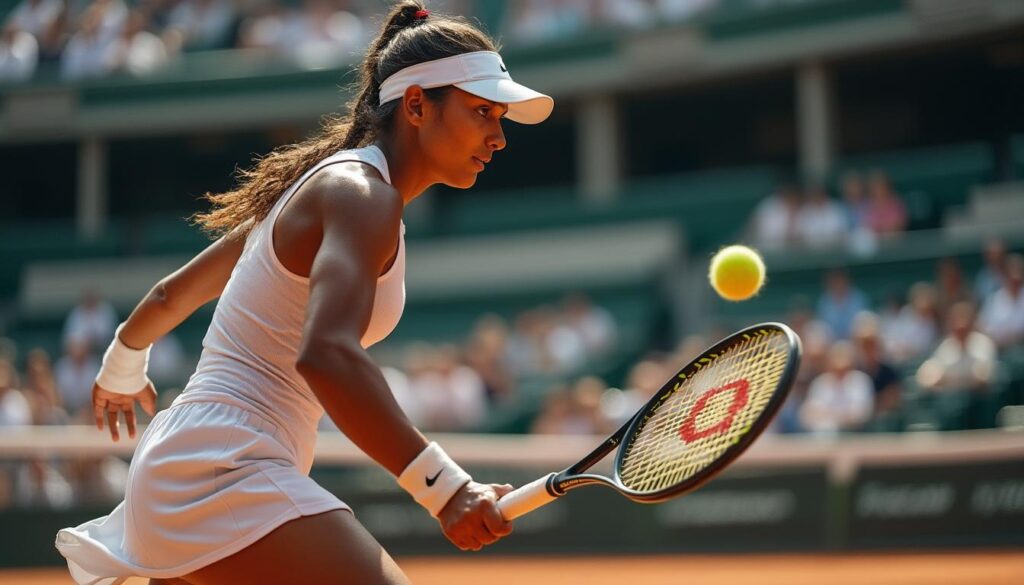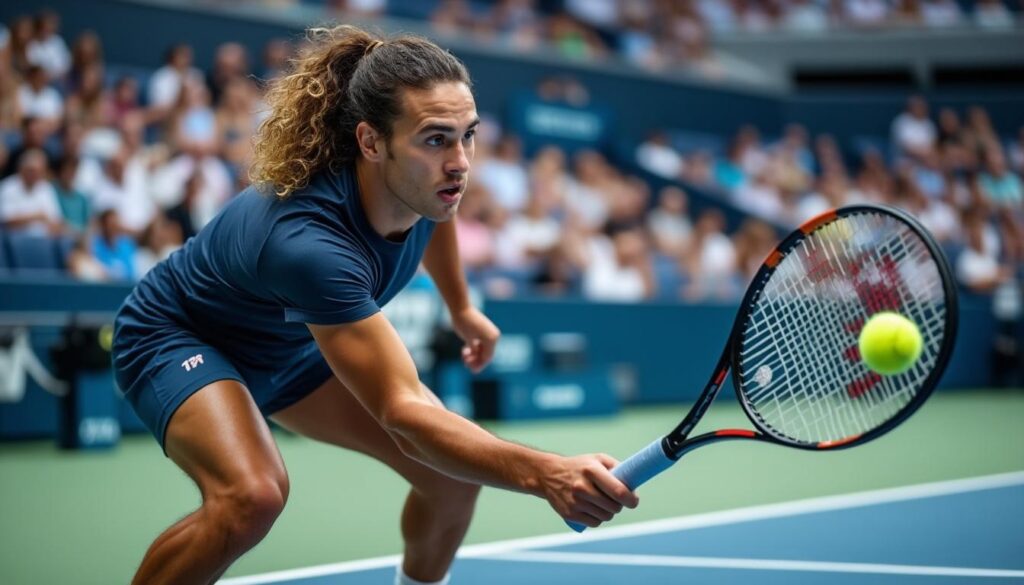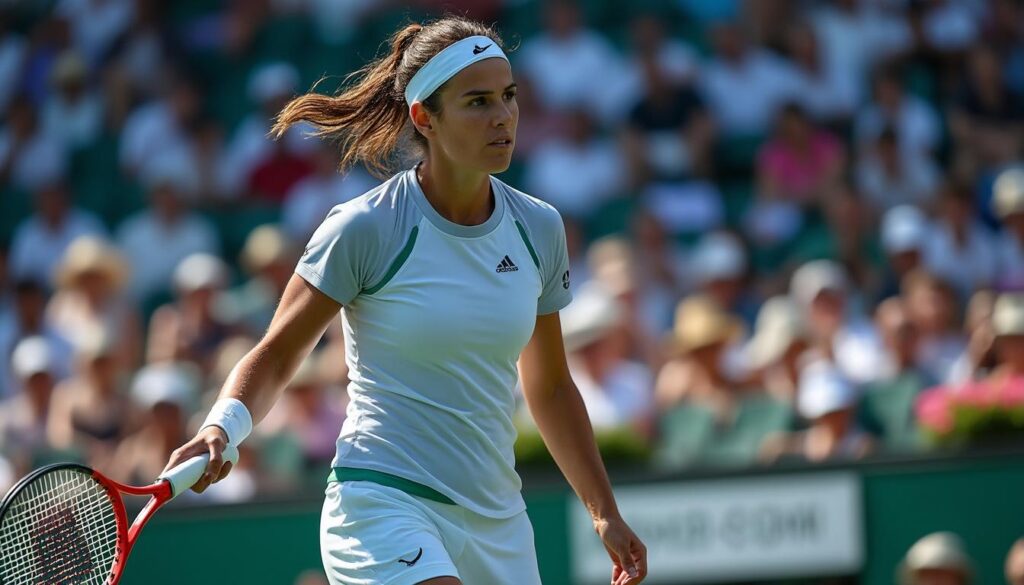
The tension between ice baths and active recovery forms a central narrative in professional athlete circles as the 2025 tennis season unfolds. As the rigors of intense match play, grueling training sessions, and back-to-back tournaments dominate professional schedules, optimal recovery protocols have never been more critical. From the slick courts of the Vienna Open to the clay battles in Paris, athletes and coaches continually debate the most effective ways to replenish bodies and minds. Ice baths, steeped in tradition and entrenched in sports rehabilitation lore, promise rapid relief from fatigue and inflammation. On the other hand, active recovery—those light, deliberate movements and low-intensity workouts—champions a different approach, advocating continued motion and blood flow to awaken muscles and accelerate healing. What actually happens behind the scenes? Exploring how pros navigate between cold plunges and active recovery reveals not just preferences but strategic, evidence-based choices tailored to performance goals.
In this context, the scrutiny is rigorous. With ColdTherapyGear and ProRecoveryTools advancing, more athletes than ever incorporate tech and science-tested methods into their routines. But beyond product hype and anecdotal success, clear protocols emerge grounded in physiology, timing, and context. Whether it’s a straight-set smash in Tokyo or a stretched three-setter in New York, the question persists: for that all-important physical reset, does the ice bath’s numbing power triumph, or does the gentle rhythm of active recovery restore better? The answer lies not in absolutes but in a nuanced playbook that tennis players from emerging talents to seasoned champions follow to sustain elite performance day after day.
Key points:
- Ice baths offer acute relief by constricting blood vessels, reducing inflammation, and improving mood with rapid endorphin release.
- Active recovery encourages muscular blood flow and metabolic clearance, supporting sustained training adaptations and long-term resilience.
- Timing matters: ice baths post-lifting may blunt muscle growth, while ideal for quick tournament turnaround and managing delayed onset muscle soreness (DOMS).
- Professional athletes combine both: selecting recovery modes based on goals, event timing, and personal physiological responses.
- Safety protocols around ice baths are essential to prevent cold shock, especially for those with cardiovascular concerns.
Science-Backed Perspectives on Ice Bath Recovery in Competitive Tennis
Ice baths, or cold-water immersion, remain a cornerstone of recovery in the tennis world, where the physical toll demands rapid rejuvenation. These plunges typically involve immersing the body in water held between 50°F to 59°F (10°C to 15°C) for 5 to 15 minutes. The science outlines a two-phase physiological response: a sympathetic nervous system activation upon immersion, followed by vasoconstriction that limits blood flow to working muscles. This ischemic-like state aims to reduce swelling and flush out metabolic byproducts accrued during intense play or training.
While anecdotal accounts from top-level tennis players echo improved recovery sensations post-plunge, rigorous studies uphold benefits primarily tied to reduced perception of soreness and faster subjective readiness for consecutive efforts. Meta-analyses detail significant declines in creatine kinase and blood lactate levels—biomarkers associated with muscle damage and fatigue—within 24 hours of cold immersion. However, the snapshot changes do not necessarily translate to immediate gains in explosive power or strength retention, consistent with findings that inflammation plays dual roles as both enemy and catalyst of muscle rebuilding.
Physiological mechanisms of ice baths include:
- Blood vessel constriction: mitigates acute swelling and tissue fluid accumulation.
- Hydrostatic pressure: aids in fluid redistribution towards the heart, mimicking some elements of active recovery without movement.
- Endorphin release: enhances mood, alertness, and perceived recovery quality.
- Thermoregulatory adaptations: activation of brown fat tissue may promote metabolic benefits during rewarming.
Real-world application requires balancing intensity and timing. For example, during tournaments like the Tokyo Pan Pacific Open or the demanding stretches of the Paris Masters, players use ice baths strategically after matches rather than immediately post-weight training phases, respecting research indicating cold exposure can blunt the anabolic signaling essential for muscle growth if mistimed. This tactical approach underlines the nuanced understanding pros exhibit when employing IceBathPro strategies within their broader recovery system.
| Aspect | Effect of Ice Baths | Practical Example in Tennis Context |
|---|---|---|
| Inflammation and Soreness | Reduction of swelling and perceived muscle soreness | Use post-match during multi-day tournaments like the 2025 Vienna Open to expedite court readiness |
| Muscle Strength and Growth | Potential dampening of hypertrophy signaling if used immediately after lifting | Avoid ice baths immediately after strength training blocks to preserve muscle gains |
| Mood & Focus | Increased endorphin release for psychological boost | Pre-competition cold immersion to sharpen focus and energy levels |
| Recovery Speed | Enhanced clearance of blood lactate and muscle damage markers | Facilitates faster recovery between high-intensity sessions |

Active Recovery Techniques Favored by Elite Tennis Players for Sustainable Performance
Active recovery steps into the spotlight as an essential complement or alternative to cold-water therapy. It involves low-intensity activities designed to keep blood flowing, accelerate removal of metabolic waste products, and encourage muscular repair without imposing high mechanical stress. For tennis professionals, these movements may incorporate gentle cycling, light jogging, dynamic stretching, or mobility routines following grueling matches or practice sessions.
The benefits of active recovery go beyond physical circulation; ongoing muscle activation helps maintain joint range of motion and neuromuscular connectivity, crucial for peak tennis performance. Moreover, this recovery mode supports the cellular signaling pathways that foster muscle hypertrophy and endurance adaptations, contrasting with ice baths which might blunt these processes if applied indiscriminately during growth phases.
Core benefits of ActiveRecover protocols include:
- Promoting blood flow: enhancing oxygen and nutrient delivery to fatigued muscles.
- Accelerating metabolic clearance: facilitating removal of lactate and other exercise byproducts.
- Preserving neuromuscular function: helping maintain coordination and muscle firing patterns.
- Supporting long-term adaption: ensuring training leads to progressive strength and endurance gains.
For tennis athletes aiming to maximize competitive longevity, active recovery often coincides with other off-court protocols such as tennis core strength trends and recovery mobility workouts, noted in prominent sports science reviews. During congested schedules like the ATP Vienna 2023 or the intense indoor rounds of the Moselle Open, players may engage in brisk cycling or mobility circuits within hours post-match to sustain readiness and reduce stiffness effectively.
| Active Recovery Component | Benefit | Tennis Application |
|---|---|---|
| Low-intensity aerobic activity | Elevates circulation without causing further fatigue | Light cycling or walking post-tournament matches to aid recovery |
| Dynamic stretching and mobility drills | Preserves joint flexibility and movement fluidity | Incorporated in daily warm-ups and cool-downs during intensive training blocks |
| Neuromuscular activation exercises | Maintains muscle firing patterns critical for tennis strokes | Prepares body for explosive plays, particularly serve and volley techniques |
| Breathing drills and relaxation techniques | Supports mental focus and stress reduction | Utilized during tournament downtime to sharpen concentration and composure |
Strategic Integration: When Pros Choose Ice Baths or Active Recovery
The decision matrix top players face isn’t a simple cold versus move debate, but a finely tuned protocol adapting to training cycles, match demands, and individual physiological responses. Understanding how and when to employ IceBathPro or ActiveRecover optimally requires insight into recovery science merged with experiential wisdom gleaned from top-tier tennis circuits.
In tournament contexts, especially where matches cluster tightly—like the demanding rounds seen in the 2025 Paris Masters or the sustained fixtures at the Edmond Open—ice baths become a pivotal recovery tool. The rapid vasoconstriction and subsequent blood flow surge can diminish muscle soreness, enabling players to maintain peak court readiness. Conversely, during hypertrophy or strength-building phases outside competition, avoiding immediate cold exposure protects the anabolic signaling vital for gains.
Consider these practical decision factors used by professionals:
- Post-match or tournament recovery: Employ cold baths within two hours for soreness management and quicker recharging.
- Training phases targeting strength/hypertrophy: Delay ice baths for at least 24 hours to avoid dampening growth stimulus.
- High-intensity interval training sessions: Active recovery favored immediately after due to metabolic benefits.
- Pre-cooling in hot environments: Use short ice baths before matches under heat stress to lower core temperature for endurance preservation.
- Acute injury management: Ice applied promptly can control swelling and pain during the initial 48 hours.
Such nuanced protocols reflect a blend of physiology and sport-season realities. Players often integrate ice baths with ActiveRecover elements ensuring cold therapy is just one pillar in a holistic system comprising stretching, nutrition, massage, and targeted warm-ups. This synergy advances overall recovery quality and performance sustainability throughout grueling competition calendars.
| Situation | Preferred Recovery Approach | Key Implementation Detail |
|---|---|---|
| Post-match in multi-day tournament | Ice bath 50-55°F for 8-12 minutes | Within 2 hours of match to reduce soreness and fatigue |
| Strength training recovery | Active recovery; delay ice bath 24-48 hours | Preserve hypertrophy signaling for maximum muscle growth |
| Endurance or HIIT session recovery | Active recovery within 1 hour post-session | Light cycling or mobility work to enhance metabolic clearance |
| Hot environment pre-cooling | Ice bath 50-59°F for 5-10 minutes | Applied 30-60 minutes pre-effort to lower core temp |
| Acute injury treatment | Cold packs or brief immersion | Short bouts within 48 hours post-injury |
Safety, Practical Tips, and Equipment Choices for Cold Therapy in Tennis
Ice baths are not without risk when mishandled. Sudden cold immersion can trigger shock responses, potentially hazardous in unsupervised settings. Ensuring safety protocols aligns with medical advisories concerning cardiovascular conditions or sensory disorders such as Raynaud’s disease. Expert recommendations include never plunging alone, monitoring time limits to avoid hypothermia, and gradual rewarming post-immersion to prevent vasodilation shock.
Players and teams investing in ColdTherapyGear often seek systems that maintain consistent temperatures year-round, thanks to integrated chillers and efficient filtration systems. Equipment choices range from DIY tubs supplemented with ice to advanced, premium units equipped with ozone sanitation and precise digital controls. High turnover venues like professional training facilities prioritize safe, sanitary, and user-friendly cold plunge setups that can accommodate frequent use without compromising water quality.
Key considerations for optimal cold therapy setups include:
- Temperature stability: Consistent 50-55°F achieves recovery without undue discomfort.
- Ease of sanitation: Cartridge filters combined with ozone or UV treatment keeps water clean.
- Safety features: Non-slip surfaces, handrails, and careful electrical grounding are essential.
- Accessibility and maintenance: Easy draining, refilling, and regular cleaning protocols extend equipment longevity.
- Cost-efficiency: Total cost of ownership balances upfront price with energy and maintenance expenses.
| Cold Plunge Setup Type | Typical Cost | Best Use Case | Maintenance Requirements |
|---|---|---|---|
| DIY Tub with ice addition | Low upfront cost, higher ongoing ice expense | Budget setups, seasonal or occasional use | Manual draining, cleaning, ice dosing |
| Plug-in chiller with insulated tub | Moderate price | Regular training at home or gyms | Inline filtration, periodic cartridge changes |
| Premium professional units | High-end investment, five-figure range | Clinics, teams, and high-use facilities | Multi-stage filtration, automated sanitizing |
For players who might not have access to a cold plunge, simple cold showers can supplement recovery efforts. While lacking the hydrostatic pressure and comprehensive cooling benefits of a full immersion, cold showers remain a practical, effective tool within the recovery arsenal. Solid foundational routines covering nutrition recovery refuel and post-tournament recovery tips maximize the overall impact regardless of cold therapy availability.
Future Directions: Innovations and Athlete Trends in Recovery Protocols
As the professional tennis landscape evolves in 2025, recovery science embraces new frontiers blending technology, data, and athlete personalization. Innovations in wearable biosensors allow real-time feedback on inflammatory markers and muscle fatigue, enabling customized decisions between IceBathPro and ActiveRecover approaches. Smart cold therapy systems now adjust temperature dynamically based on biometric inputs—a leap forward from static immersion experiences.
Emerging synergy between cold exposure and neuromuscular stimulation is another frontier. Researchers investigate combining mild electrical pulses during cold immersion to maintain joint stiffness and muscle responsiveness, potentially mitigating drawbacks seen in purely passive ice baths. These discoveries align with the broader trend of precision recovery, where one-size-fits-all protocols give way to athlete-tailored solutions.
Meanwhile, professional athletes continue to share success stories that reflect a blend of tradition and innovation, from navigating congested indoor tennis schedules to optimizing strength and mobility balance off-court. Detailed training goals from events like the Japan Open reinforce the critical nature of recovery protocols in sustaining elite performance. Resources like on-court conditioning strategies and recovery mobility workouts underscore how integrated and multifaceted recovery has become in the modern tennis athlete’s playbook.
| Innovation | Benefit | Potential Tennis Application |
|---|---|---|
| Wearable recovery biomarkers | Personalized timing and dosing of recovery modes | Adjust cold therapy or active recovery post-match based on fatigue metrics |
| Smart temperature-controlled plunge systems | Dynamic adjustment to athlete’s biometric signals | Optimize immersion timing and temperature for maximal recovery |
| Neuromuscular stimulation with cold immersion | Preserves joint stiffness and muscle responsiveness | Improve reactive performance post ice bath in change-of-direction-intensive matches |
| Data-driven programming | Enhanced recovery scheduling aligned with competition calendars | Balance ice baths and active recovery phases through season cycles |
Leveraging these advances alongside established protocols ensures the continued growth and resilience of tennis athletes at every level. The debate over IceBathPro versus ActiveRecover enriches our understanding, proving that elite tennis recovery is as much art as science—the balance between chill recovery and movement that keeps champions going strong.
What is the ideal temperature and duration for ice baths in tennis recovery?
Optimal cold-water immersion temperatures usually range between 50–59°F, with durations from 5 to 15 minutes depending on the purpose and athlete tolerance. Colder water mandates shorter exposure to prevent adverse effects.
Can ice baths negatively affect muscle growth?
Yes, applying ice baths immediately after hypertrophy or strength training can blunt anabolic signaling, potentially hindering muscle gains. Professionals recommend delaying cold exposure for at least 24 hours post-lifting during growth phases.
How does active recovery enhance muscle repair compared to ice baths?
Active recovery maintains blood flow and neuromuscular activation, facilitating nutrient delivery and metabolic waste removal, which supports muscle repair and long-term adaptation better than passive cold immersion when used in growth-focused phases.
Are cold showers an effective alternative to ice baths?
Cold showers provide some mental and mild physical recovery benefits but lack the hydrostatic pressure and full tissue cooling effects of immersion. They are a practical option when plunges are unavailable but should be combined with other recovery pillars like nutrition and mobility.
What safety precautions should be observed during ice baths?
To mitigate risks such as cold shock and hypothermia, athletes should never immerse alone, limit exposure to 15 minutes, rewarm slowly after exiting, and consult a healthcare professional if having cardiovascular or circulatory conditions.