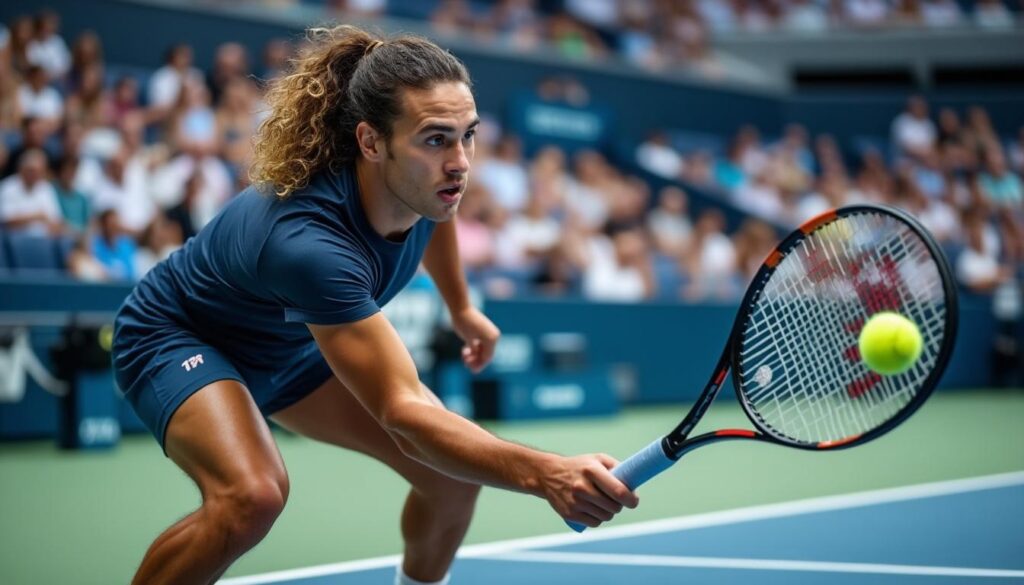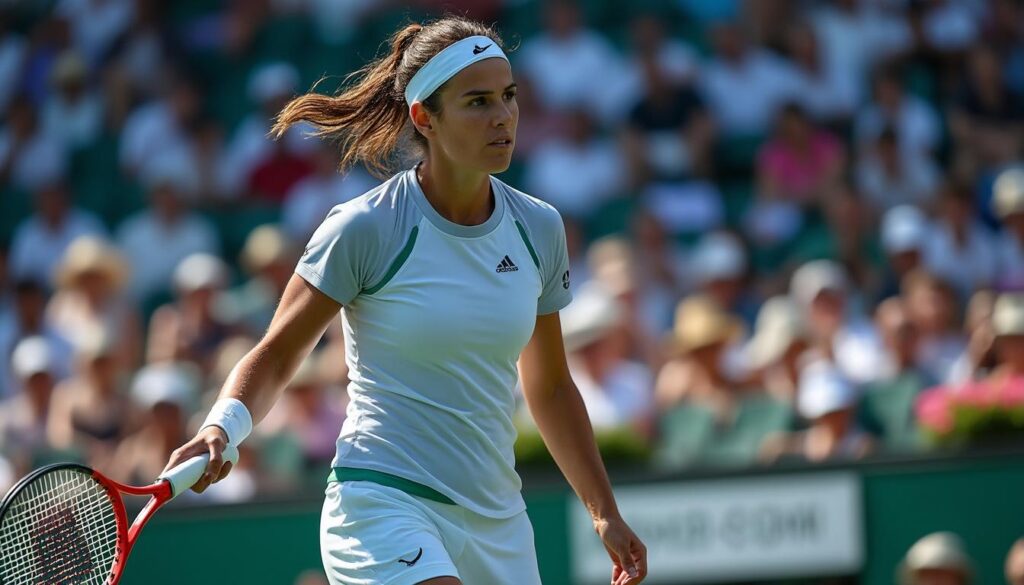
Match day in any sport, particularly tennis and football, demands meticulous preparation beyond just skill and strategy. Athletes looking to dominate their game on November 15th must focus sharply on match day nutrition, pre-match fueling, optimal hydration, and vigilant cramp prevention. These elements function as the unsung heroes of performance, sustaining stamina, mental clarity, and muscle function from warm-up to final whistle. Whether you’re a pro tennis player chasing a spot at the WTA Finals or an enthusiastic beginner gearing up for a local tournament, understanding these critical factors can transform how you perform on the court or pitch.
Oftentimes, the difference between just playing and excelling lies in the fuel that powers the body and mind. Consuming the right balance of carbohydrates, proteins, and fats at precise times, while maintaining electrolyte balance and hydration, becomes a game changer. As fatigue and cramps lurk as common foes, athletes in 2025 are turning to scientifically backed nutrition plans enriched with energy gels and electrolyte drinks alongside traditional meal timing strategies. The confluence of these approaches can minimize muscle injuries and momentary performance lapses due to dehydration or nutrient depletion.
Staying ahead of the curve does not just involve what’s eaten in the hours before but extends into a holistic match day regimen. Insights from sports nutritionists reveal how tailored hydration protocols and meal plans aligned with training cycles enhance endurance fuels and optimize recovery. This piece delves deeply into actionable advice and real game scenarios, promising to equip tennis and football athletes alike with vigorous strategies to enter the match brimming with energy and resilience.
Essential for coaches and players alike: master the art of timing your carbohydrate intake, understand when caffeine can elevate your alertness without repercussions, and refine hydration practices to cater to individual sweat rates. The upcoming sections provide an in-depth breakdown of these facets, sprinkle in practical lists and tables, and showcase expert-approved nutritional blueprints calibrated for a 15:00 kick-off on match day.
Get ready to boost your performance and stamina through smart sports nutrition advice that covers every aspect from the locker room to the heat of competition. Let’s explore how fine-tuning your diet and drink choices on November 15 can ensure you stay sharp, hydrated, and free of cramps while maintaining that fierce competitive edge.
In brief:
- Match day nutrition balances carbohydrate loading with moderate protein and fat for energy and muscle support.
- Hydration before and during the game is vital; lose as little as 2% of body weight to avoid impaired focus and cramps.
- Energy gels and electrolyte drinks provide quick, effective fueling and rehydration tailored to athlete needs.
- Pre-match meals should be easy to digest, timing is crucial, typically 2-3 hours before kickoff.
- Avoid sugary sodas and carbonated drinks that risk gastrointestinal upset and energy crashes.
- Caffeine may enhance alertness but should be trialed during training to prevent match day issues.
- Consistent hydration and electrolyte balance prevent cramps and sustain peak performance.
- Personalized nutrition plans optimized with expert advice best support individual energy demands and recovery.
Pre-Match Fueling Essentials: What to Eat Before a Match for Peak Performance
Achieving optimal match day performance begins far before the first serve or kickoff. The foundation lies in pre match fueling, focusing on nutrient timing and balanced intake that sustains endurance, sharpness, and muscle function throughout the game. On a typical November 15 match day with a 15:00 start, the pre-match meal consumed around noon is a critical safeguard against fatigue and poor concentration.
The optimum macronutrient breakdown centers on 55-65% carbohydrates, 10-15% protein, and 20-30% fat. Carbohydrates remain paramount as a rapid energy source, replenishing glycogen stores that fuel high-intensity bursts and quick recovery between points or plays. Lean proteins assist in muscle repair without causing sluggish digestion, while fats provide longer-lasting satiety and slow digestion just enough to maintain energy balance.
Examples of superior match day meals include grilled chicken breast paired with brown rice and mixed vegetables, or whole grain pasta topped with a lean turkey meatball sauce. Vegetarian or vegan athletes can opt for tofu stir-fries with quinoa and a variety of fresh vegetables. These meals prioritize assimilation speed, nutrient density, and palatability to ensure they sit well and provide sustained energy.
Supporting this are snacks like Greek yoghurt with berries or a granola mix eaten a few hours before match time to top off energy levels without discomfort. This approach, backed by sports nutrition experts, precisely aligns with the rigorous demands faced by footballers and tennis players alike. They benefit greatly from not only the physical energy but also the cognitive sharpness that balanced pre-match nutrition delivers.
- Plan carbohydrate-focused meals 2-3 hours pre-match for glycogen peak.
- Incorporate lean proteins to aid muscle readiness.
- Limit fiber-heavy foods to avoid digestive distress.
- Include hydration as part of meal timing, consuming 500-600 ml fluids with meals.
- Test different meals and timing during training for personal optimization.
| Meal Components | Purpose | Examples |
|---|---|---|
| Carbohydrates (55-65%) | Energy replenishment | Brown rice, whole grain pasta, sweet potatoes |
| Protein (10-15%) | Muscle repair and satiety | Chicken breast, tofu, turkey meatballs |
| Fats (20-30%) | Long-lasting energy and satiation | Avocado, olive oil, nuts |
| Hydration | Maintain fluid balance | Water, electrolyte drinks |
Employing this strategic pre-match fueling plan ensures athletes have ample endurance fuels and the mental clarity demanded by high-stakes matches. For more on carbohydrate timing and muscle support, refer to insights on match day fueling and carb timing.

Hydration Strategies for Athletes: Maximizing Athlete Hydration Before and During Matches
Hydration is arguably the most critical, yet often overlooked, element of match day nutrition. Even a mild 2% reduction in body weight through dehydration can significantly impair cognitive functions like focus, reaction time, and ultimately endurance. This is especially important in high-pressure tennis or football matches, where split-second decisions and physical bursts define the outcome.
A robust hydration strategy begins well before the game, with athletes encouraged to consume approximately 17-20 ounces (500-600 ml) of fluids two to three hours prior to kickoff. This period allows for adequate absorption while minimizing bathroom disruptions during the match. An additional 8 ounces (about 250 ml) should be ingested 20-30 minutes before play to top off fluid levels, aiming for pale yellow urine as a simple hydration indicator.
Proper hydration also demands replenishment of electrolytes—sodium, potassium, magnesium—that regulate nerve impulses and muscle contractions. Sports drinks with a 6-8% carbohydrate concentration combined with essential electrolytes provide an ideal balance for rapid absorption and sustained performance. Coconut water, rich in natural potassium but lower in sodium, serves as an excellent natural alternative for lighter exertions but may require sodium supplementation for heavier sweating.
- Begin fluid intake early, spread evenly throughout the day.
- Use electrolyte enhanced drinks close to match time to maintain balance.
- Monitor fluid loss by checking body weight before and after training.
- Avoid caffeine or sugary drinks immediately before matches to prevent dehydration.
- Practice hydration strategy during training sessions, not on game day.
| Hydration Component | Role | Recommended Sources |
|---|---|---|
| Water | Primary hydration | Plain water, filtered water |
| Electrolytes (Sodium, Potassium) | Maintain fluid balance and muscle function | Sports drinks, coconut water, electrolyte tabs |
| Carbohydrates | Fuel hydration process and energy | Glucose, fructose in sports drinks |
| Caffeine (if tolerated) | Enhances alertness | Black coffee, green tea |
For deeper understanding of how to customize hydration for individual sweat rates and environmental conditions, check the detailed analysis on tennis nutrition and hydration optimization.
Preventing Muscle Cramps: Essential Tips for Game Day Cramp Prevention
Muscle cramps can be a devastating interruption during intense competition. They often stem from dehydration, electrolyte imbalances, and fatigue. As simple as it sounds, prioritizing cramp prevention through nutrition and hydration is fundamental for maintaining uninterrupted performance.
One effective method is ensuring optimal levels of key electrolytes like sodium and potassium before and during the match. Foods rich in potassium—bananas, sweet potatoes, and spinach—should be part of the meal plan leading up to match day. Sodium replacements, typically available via electrolyte drinks or added table salt, prevent excessive sodium loss through sweat which is a common cramp trigger.
Additionally, gradual muscle conditioning and regular stretching adapted for tennis or football athletes help stave off cramping events. Being attentive to signs of fatigue is critical: players who push past their energy limits without replenishing electrolytes and water run a higher risk of cramps and prolonged muscle stiffness.
- Integrate potassium-rich foods in pre-match nutrition.
- Consume electrolyte drinks during breaks for instant replenishment.
- Monitor early symptoms of cramping and act swiftly.
- Incorporate dynamic stretching routines into your warm-up.
- Adopt recovery techniques like post-match foam rolling and ice baths.
| Cramp Prevention Factor | Benefit | Sources or Methods |
|---|---|---|
| Potassium | Muscle nerve function and contraction regulation | Bananas, potatoes, spinach |
| Sodium | Maintains electrolyte balance lost through sweat | Electrolyte drinks, table salt |
| Hydration | Prevents dehydration-related cramping | Water, sports drinks |
| Muscle Conditioning | Reduces fatigue-related cramps | Stretching, warm-up exercises |
| Recovery Techniques | Facilitates muscle relaxation and repair | Foam rolling, ice bath therapy |
Exploring various recovery tactics beyond nutrition, such as post tournament recovery tips, can further equip athletes to combat cramping and sustain energy levels over demanding match schedules.
Choosing the Right Performance Supplements and Energy Gels for Match Day Success
The sports nutrition market in 2025 places significant emphasis on performance supplements and energy gels as effective tools to supplement traditional nutrition, especially for athletes with high energy demands. These allow a rapid, convenient energy and nutrient top-up during matches, critical during breaks or halftime when appetite or time is limited.
Energy gels are formulated with simple carbohydrates for quick absorption. Many also contain added electrolytes to simultaneously aid hydration. For matches lasting over 90 minutes, consuming a gel 15 to 30 minutes before fatigue sets in can markedly reduce performance dips. However, athletes should trial these supplements rigorously in training to avoid gastrointestinal discomfort during competition.
Other supplements gaining traction include beetroot juice for improved oxygen utilization, branched-chain amino acids (BCAAs) for muscle fatigue delay, and caffeine-based products for alertness. However, more is not always better; strategic, timed use ensures optimal benefit while preventing overstimulation or digestive issues.
- Use energy gels for rapid carbohydrate and electrolyte replenishment.
- Trial supplements during training to test tolerance and effects.
- Consider beetroot juice to enhance endurance in long matches.
- Monitor caffeine intake to avoid jitters or digestive problems.
- Consult with a nutritionist to tailor supplements to individual needs.
| Supplement Type | Primary Benefit | Recommended Usage |
|---|---|---|
| Energy Gels | Quick carbohydrate and electrolyte boost | 15-30 minutes before fatigue during matches |
| Beetroot Juice | Improves blood flow and endurance | 1-3 hours pre-match |
| BCAAs | Supports muscle energy and recovery | During and post-match |
| Caffeine Supplements | Enhances concentration and reduces fatigue perception | Pre-match or early match phase |
For further reading on practical supplement integration in your match day routine and training, see expert advice at tennis nutrition for peak performance and related sports nutrition articles.
A Sample Match Day Meal and Hydration Schedule for a 15:00 Kickoff
To synthesize these concepts into practical application, here is a model schedule that incorporates balanced nutrition, hydration, and supplementation aimed at a 15:00 match start. This timeline ensures delivery of energy, electrolyte balance, and digestive ease tailored for peak game readiness.
- 08:00 – Breakfast: Scrambled eggs on whole grain toast with avocado and a fresh fruit salad. Accompany with 300-400 ml water.
- 10:00 – Morning Snack: Greek yoghurt mixed with berries and granola, hydrate with a glass of water.
- 12:00 – Pre-Match Meal: Grilled chicken with brown rice, mixed vegetables, and a whole grain roll. Drink 500-600 ml of water or an electrolyte drink.
- 14:00 – Pre-Kickoff Snack: Energy gel or sports drink to top up quick carbs and electrolytes.
- 15:00 – Match Start: Maintain hydration with water or dilute electrolyte drink during breaks.
- Halftime – Snack: Whole grain pasta with tomato sauce and grilled shrimp, side green salad with vinaigrette. Hydrate.
- Post-Match – Recovery Meal: Similar to halftime meal focusing on carbs and protein to replenish glycogen and repair muscles.
| Time | Meal/Snack | Purpose | Hydration |
|---|---|---|---|
| 08:00 | Scrambled eggs on whole grain toast with avocado; fruit salad | Protein and complex carbs to start the day | Water (300-400ml) |
| 10:00 | Greek yoghurt with berries and granola | Energy boost, simple carbs and protein | Water |
| 12:00 | Grilled chicken breast, brown rice, mixed vegetables | Main energy fueling meal | Water or electrolyte drink (500-600ml) |
| 14:00 | Energy gel or sports beverage | Quick carb top-up | Sports drink or water |
| Halftime | Whole grain pasta with tomato sauce and grilled shrimp; salad | Carb and protein replenishment | Water |
| Post-Match | Similar to halftime meal | Aids recovery and muscle repair | Water |
Integrating knowledge from shot placement drills and fitness routines from match ready fitness training with nutrition strategies completes the holistic preparation athletes strive for in France’s 2025 tennis and football arenas.
What is the ideal carbohydrate intake before a match?
Athletes should aim to consume 55-65% of their pre-match meal calories from carbohydrates to ensure glycogen stores are topped up for sustained energy.
When should I hydrate before a match?
Hydrating should begin several hours before the match, with 500-600 ml of fluid consumed 2-3 hours prior and a further 200-250 ml about 20-30 minutes before starting.
How do energy gels help during a match?
Energy gels provide rapid carbohydrate and electrolyte replenishment, ideal for quick boosts during matches lasting more than 90 minutes.
Can caffeine improve match day performance?
Caffeine can enhance alertness and reduce fatigue perception but should be tested during training to avoid negative side effects like jitters or digestive upset.
What are effective ways to prevent muscle cramps?
Consuming electrolyte-rich fluids, including potassium and sodium, staying hydrated, and performing adequate muscle warm-up and conditioning helps prevent cramps during matches.