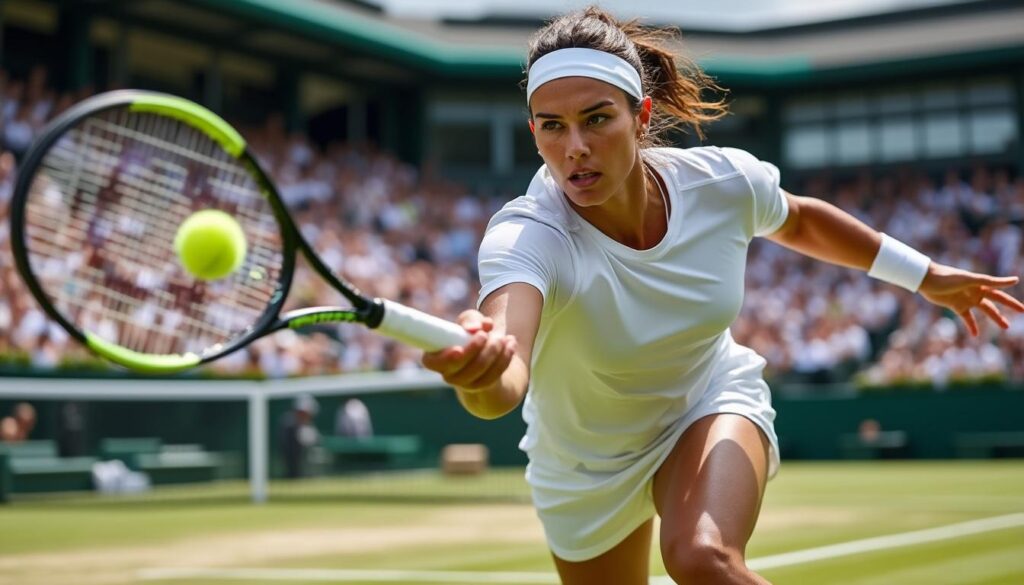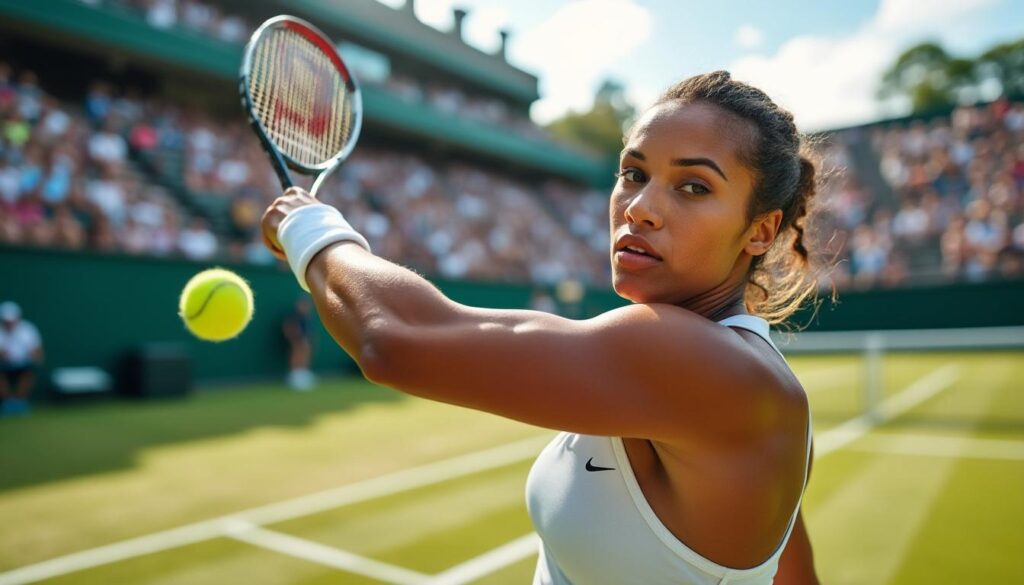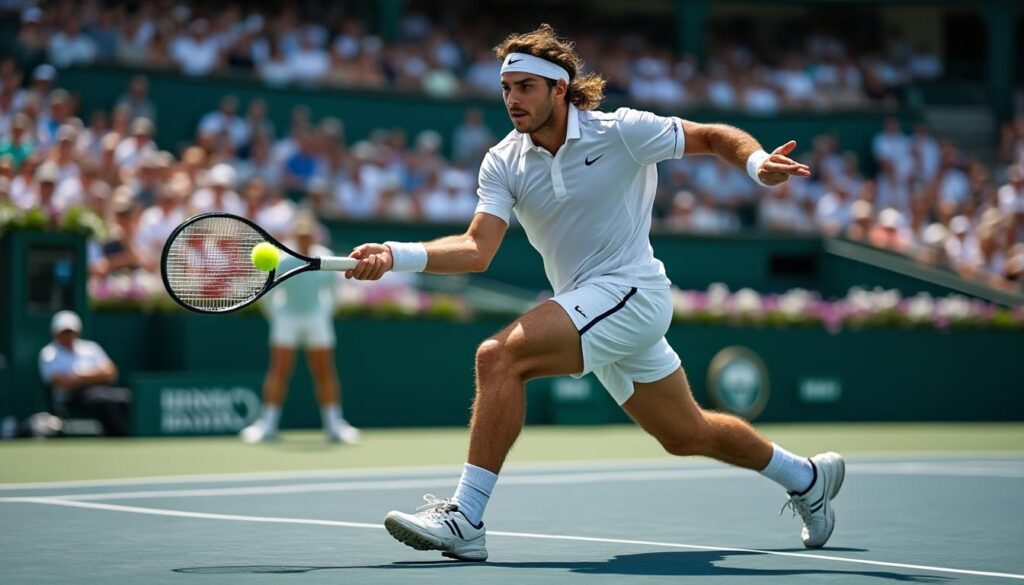
As winter tightens its grip, players worldwide dive deep into a critical phase of their tennis journey: refining the serve. December is no ordinary month of rest; it’s when tennis warriors meticulously enhance serve speed, sharpen toss technique, and master the subtle art of spin control. This period shapes the foundations of dominance on the court, infusing every stroke with precision and power. It is here that foot positioning, body alignment, and racket grip merge seamlessly, creating serves that not only strike but intimidate and unsettle opponents. The upcoming season’s fire ignites in these winter workouts, where follow-through drills blend with mental focus exercises to craft serves that win matches.
Serve improvement isn’t just about brute force or random hitting; it’s a complex fusion of biomechanics, psychology, and strategy. Sharp shooting accuracy is cultivated alongside explosive serve speed, while consistency in delivery becomes a player’s best ally. Athletes incorporate detailed serve-focused practice routines that challenge their limits and elevate their game readiness. December’s training pushes players through high-intensity conditioning, biomechanical analysis, and intricate placement drills, all nestled within a passionate quest for mastery. These efforts, honed through countless repetitions and mental rehearsals, ensure players hit the court in peak form, ready to wield their serve as both sword and shield.
Key technical components such as toss technique, body alignment, and follow-through are dissected and refined, turning a good serve into a devastating weapon. With the season’s first tournaments looming, players’ December devotion to honing these elements becomes a crucial catalyst for competitive success.
Decoding Serve Speed Enhancement: Core Training Elements in December
Boosting serve speed commands more than raw strength—it demands a scientific and deliberate approach that merges physical conditioning, technical precision, and mental clarity. Central to this process are targeted drills and biomechanics that optimize power transfer from the lower body through the trunk to the arm. The human kinetic chain culminates in the racket’s explosive acceleration, a nuance painstakingly sculpted over intense December training sessions.
Players embrace rotational strength exercises such as cable woodchoppers and medicine ball throws, focusing on activating core muscles that generate vital torque. Paired with plyometric movements—like explosive lateral jumps and overhead medicine ball slams—these drills amplify fast-twitch muscle function, crucial for the rapid acceleration phase of a serve.
This physical arsenal is integrated with refined foot positioning techniques, ensuring optimal stability and weight transfer. A forward step into the court triggers momentum that propels the serve with greater velocity. Misaligned feet or a poorly timed weight shift can diminish energy flow, costing precious milliseconds and speed. Serve speed drills increasingly leverage video and motion capture analysis to perfect each nuance, helping players understand how seemingly minor modifications can produce measurable speed gains.
December’s regimen also emphasizes endurance training, ensuring players sustain explosive serve speeds deep into demanding matches. Cross-training methods inspired by marathon endurance workouts fortify cardiovascular capacity, and interval sprints build recovery efficiency between points. Physical conditioning thus intertwines with serve mechanics to produce powerful, consistent deliveries without premature fatigue.
A glimpse into a month’s typical serve workout might include high-repetition serve speed drills intertwined with resistance band swings, time-targeted sprints, and precision focus tasks to sharpen mental clarity and reaction. This comprehensive approach, often documented in elite serve improvement guides, transforms serve speed from a raw attribute into a tactical weapon poised to dominate early rallies.

Mastering Toss Technique and Body Alignment for Serve Consistency
The art of a deadly tennis serve begins well before the racket strikes the ball. Toss technique and impeccable body alignment are foundational pillars for serve consistency, two elements relentlessly refined throughout December sessions. A flawless toss establishes the rhythm and timing, dictating the entire serve’s efficacy and shooting accuracy.
Top players focus intently on releasing the ball at the exact height and trajectory to optimize contact. An errant toss—even slightly off-center—forces compensations that degrade serve consistency and invite costly errors. Serves demand precision in releasing the ball just slightly ahead and above, especially for a flat or slice serve, allowing the racket to accelerate fully into the ball and maximize spin control.
Body alignment is equally critical. December drills concentrate on shoulder rotatory alignment and hip positioning, ensuring the player’s torso coils and uncoils in harmony with their toss. Maintaining the non-dominant arm vertically to stabilize balance and track toss trajectory is a common emphasis, aiding in fluid body rotation and reducing mechanical leaks.
Serve consistency drills often incorporate multi-target serving exercises, training players to place serves deep to the T, wide corners, or body serves with relentless precision. Repeated practice nurtures muscle memory and mental focus, enabling players to execute under pressure with near flawless regularity. Players also experiment with adjusting foot positioning subtly to tailor alignment for different serve variations, marrying tactical placement with biomechanical efficiency.
The marriage of toss proficiency and body alignment culminates in accelerated racquet head speed and sustained control—a combination essential for winning critical points. These intricate December refinements move beyond rote repetition; they are strategic calibrations tailored to each player’s physical and psychological profile, as detailed in serve consistency drills resources.
Strategic Follow-Through and Racket Grip Adjustments Impact Serve Efficiency
A perfect serve doesn’t end with contact; the follow-through encapsulates the energy transfer and preserves balance for subsequent shots. December training routines often dissect serve mechanics with acute attention to follow-through phases and racket grip nuances to enhance racket acceleration and spin generation.
Players learn to sustain momentum through their swings, allowing natural arm and wrist movement to guide the racket face safely through the ball’s path. In particular, serve speed and shot effectiveness depend heavily on minimizing abrupt stops or awkward twists post-impact. A smooth follow-through ensures a consistent trajectory and reduces injury risk by lowering joint strain.
Meanwhile, small modifications to grip type—a continental grip being the foundational choice—can transform serve styles from aggressive flat strikes to spin-oriented kick serves. December Clinics often combine grip drills with serve variation practices that reinforce how subtle tactile changes profoundly affect spin control and serve shot variety. Players work through sequences of flat, slice, and kick serves, feeling the distinctions in ball movement and bounce inflicted by each grip style.
Serving drills emphasizing serve plus one tactics showcase how rapid recovery and controlled follow-through boost readiness for aggressive net play or immediate baseline offense. These comprehensive exercises blend physical skill with tactical awareness, fostering serve efficiency that harmonizes power and control, key for turning the serve into a genuine weapon.
Resources like serve plus one ATP strategies highlight how players leverage follow-through control to seize quick initiative in points, underlining the importance of this overlooked technical element.
Incorporating Mental Focus and Pressure Simulation in Serve Refinement
Technical prowess is vital, yet the mental arena often decides a serve’s fate. December training integrates deliberate mental focus exercises to reinforce resilience under pressure while delivering high-speed serves with impeccable shooting accuracy. The bridge between practice and match intensity is built on mental discipline.
Mental toughness routines include visualization, controlled breathing, and scenario-based serve simulations that mimic match-day nerves. Players practice maintaining their toss technique and serve speed despite escalating distractions or score pressure. Mental focus checkpoints guide athletes to reset and recalibrate after errant serves, minimizing performance dips during critical moments.
Competitive pressure drills commonly incorporate score-mimicking setups where players serve for simulated match points, cultivating nerve control and consistency. This mental grit fortifies serve consistency, allowing players to hit designated zones even when stakes soar.
The intertwining of physical serve drills with mental training consistency modules advances a holistic skill set that’s pivotal for sustained success. Mastery of pressure situations differentiates the good from the great, transforming a technically sound serve into a psychological weapon.
Athletes also explore cognitive training tools that enhance split-second decision-making, vital for adjusting serve selection dynamically during matches—whether to vary spin control or adjust serve placement to counter an opponent’s return style. Such mental techniques blend scientific insight with on-court application, becoming a December training staple for anyone serious about serve innovation.
Structured Serve Practice Regimens: Balancing Power, Precision, and Endurance
December serve improvement follows carefully crafted regimens balancing explosive power, pinpoint precision, and enduring stamina. These structured sessions guide players from foundational mechanics to advanced drills enhancing every serve facet.
A sample weekly program would integrate:
- Core and rotational strength training through medicine ball and plyometric exercises to ignite serve speed.
- Serve placement and consistency drills targeting multiple zones to build tactical unpredictability and hit desired target areas with razor-sharp shooting accuracy.
- Mental resilience sessions emphasizing serve focus, toss technique, and composure in high-pressure scenarios.
- Endurance conditioning including interval sprints and cross-training workouts to sustain serve velocity throughout matches.
- Technique refinement using video feedback and biomechanical analysis to detect and correct inefficiencies in racket grip or body alignment.
Such holistic attention ensures players approach their serves with confidence and adaptability. Data-driven tracking tools help monitor progress in serve speed and consistency, preventing training plateaus and refining focus areas.
| Training Component | Primary Focus | Example Drill |
|---|---|---|
| Rotational Strength & Explosive Power | Core torque and fast-twitch muscle activation | Medicine ball rotational throws, cable woodchoppers |
| Serve Technique & Consistency | Target placement and repeatability | Multi-zone serve drills, serve pattern variations |
| Mental Conditioning | Focus, pressure management, shot selection | Score simulation serves, focus meditation techniques |
| Endurance & Athleticism | Maintain serve speed throughout matches | Interval sprints, cross endurance workouts |
This regimented approach is supported by cutting-edge resources such as serve improvement drills that empower players to systematically elevate their serve game.
How do serve-focused practice routines improve player speed?
These routines enhance biomechanical efficiency and build physical power by combining strength, endurance, and refined technique, resulting in faster, more controlled serves.
What drills are essential to boost serve speed before the season?
Core rotational exercises, plyometric medicine ball drills, precision target serving, and pressure simulation practices are vital to increasing serve velocity and accuracy.
How does mental focus training influence serve performance?
Mental training improves decision-making, concentration, and stress management, enabling players to maintain serve consistency and shooting accuracy even under match pressure.
Can endurance training help maintain serve quality in long matches?
Yes, endurance conditioning bolsters cardiovascular fitness and muscular stamina, allowing players to sustain serve speed and precision deep into extended play.
What role does technology play in serve refinement?
Technological tools like biomechanical analysis and speed radar systems provide detailed feedback on technique and serve speed, helping players make data-informed adjustments for continuous improvement.