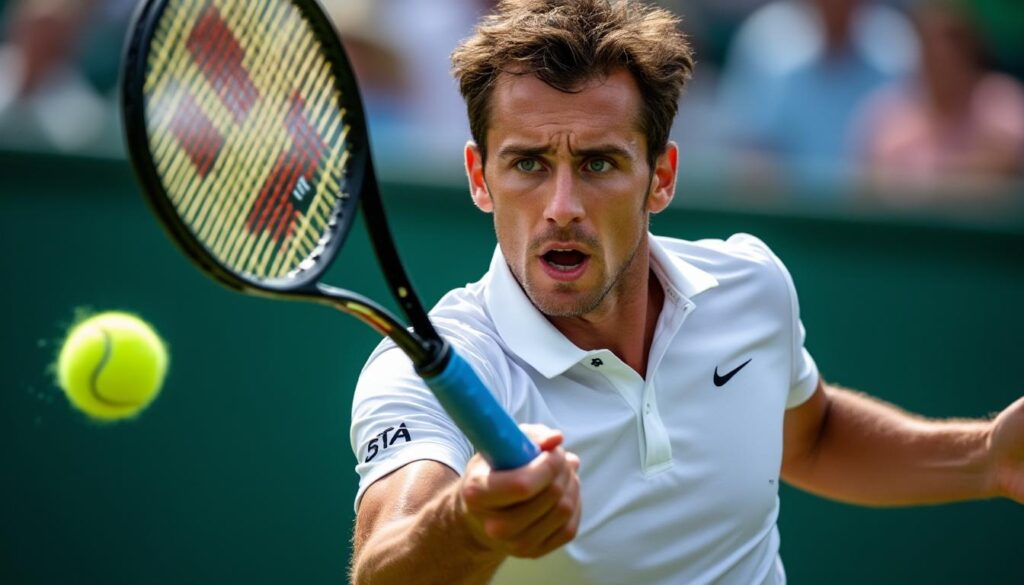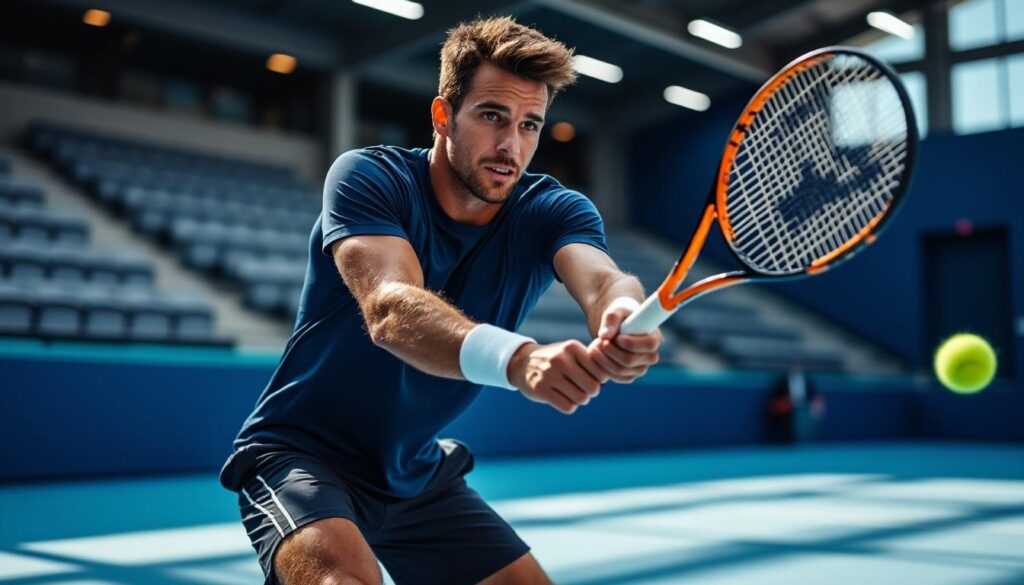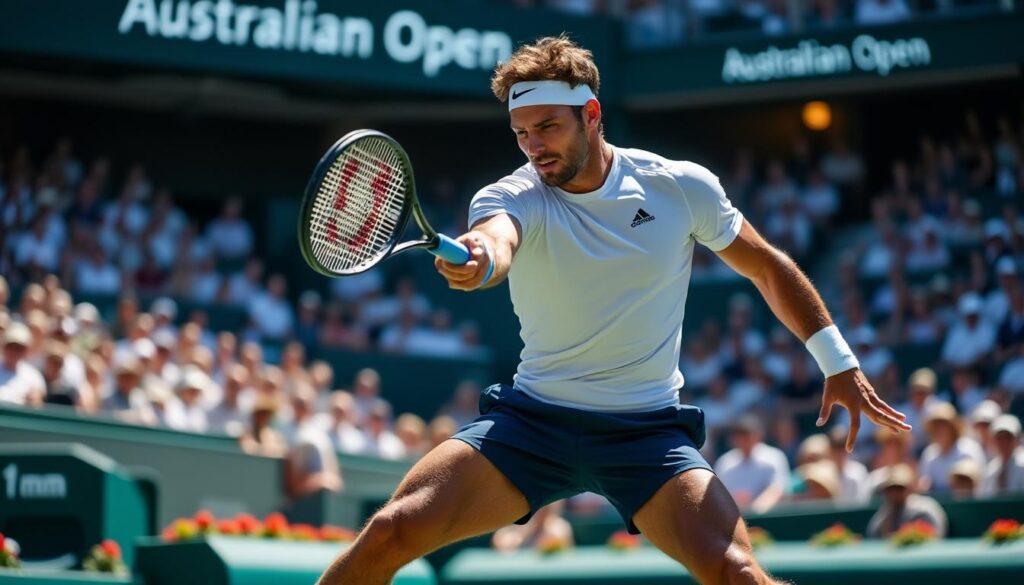
Serving with unwavering precision and reliability forms the backbone of competitive tennis. In 2025, recreating that flawless first strike off the racquet can transform match momentum and intimidate opponents. Yet, mastering serve consistency amalgamates technique, mental fortitude, and fundamentally, the right racquet that harmonizes power with control. A racquet that feels like an extension of the arm can make each serve’s toss, swing, and follow-through fluid and predictable. From Wilson’s time-tested Pro Staff series to the technological finesse in Yonex’s latest VCORE models, choosing the ideal serve partner is both a science and an art. Balancing weight, grip, and maneuverability directly influences not only power generation but how consistently a player can place the ball with intent. While strength and drills sharpen a player’s form, the racquet’s design contours the boundary between a wild let and an ace down the T. The tennis landscape today demands gear that supports relentless practice and still rewards the player with tactile feedback and confidence. Through thoughtful equipment selection grounded in the principles of control, touch, and rhythm, athletes at all levels can elevate their serving game substantially.

Technical Features in Racquets That Enhance Serve Consistency
When examining which tennis racquets genuinely assist in improving serve consistency, a detailed focus on specific technical attributes is essential. Serve consistency is less about raw power and more about control, repeatability, and comfort in execution. Key design elements that influence these factors include racquet balance, head size, string pattern, and frame stiffness.
Balance and Weight Distribution
A racquet’s balance dramatically affects the ease of maneuvering through the serve motion. Head-light racquets, like many from the Wilson and Head lineups, allow faster racquet head speed and better wrist snap, essential for adding spin and precision. Heavier frames, often preferred in pro-level models such as Wilson’s Pro Staff RF97 Autograph, provide stability and a solid “feel” through the contact point, fostering consistent ball striking.
Head Size and String Pattern
Smaller head sizes (95-98 sq. inches), typical of Yonex’s VCORE Pro 97 HD or Head’s Prestige series, offer a smaller sweet spot but deliver exceptional control. Players willing to sacrifice a bit of forgiveness find these rackets perfect for honing serve consistency. Meanwhile, a tighter string pattern (18×19 or 18×20) complements this control by stabilizing the strings against deformation, leading to more precise ball placement.
Frame Stiffness and Material Innovation
A stiffer frame transmits more energy to the ball, reducing string movement upon impact, which favors shot predictability. Modern advancements, like Head’s Graphene 360+ technology, blend stiffness with comfort, mitigating arm fatigue during long serving sessions and allowing players to maintain consistent technique.
These characteristics converge into the essence of precision serving. Players must consider racquets, such as the Wilson Pro Staff RF97 Autograph or Yonex VCORE Pro 97 HD, known for their superior tactile feedback, which when combined with controlled swings, heighten serve reliability.
Components That Contribute to Serve Control
- Grip technology: Enhanced grip materials from brands like Babolat and Dunlop ensure stability in humid or sweat-heavy conditions, reducing slippage that can affect serve placement.
- Racquet length: Standard racquets of 27 inches balance maneuverability and reach, whereas extended length racquets, like some Tecnifibre models, provide extra leverage for generating racquet head speed, though require refined technique to harness consistently.
- String tension and type: Players dedicated to serve precision often opt for multi-filament strings with moderate tension to balance power and control, a factor that collaborators like Prince and Volkl enable well with their pre-strung racquets.
| Racquet Model | Head Size (sq. in.) | Weight Strung (oz) | Balance | String Pattern | Control Rating |
|---|---|---|---|---|---|
| Wilson Pro Staff RF97 Autograph | 97 | 12.6 | Head-light | 16×19 | 9.5/10 |
| Yonex VCORE Pro 97 HD | 97 | 11.9 | Balanced | 16×20 | 9.3/10 |
| Head Graphene 360+ Prestige Midplus | 98 | 11.9 | 7 pts HL | 18×20 | 9.0/10 |
| Babolat Pure Strike 16×19 3rd Gen | 98 | 11.4 | 4 pts HL | 16×19 | 8.8/10 |
| Wilson Blade 98 18×20 v7 | 98 | 11.4 | 4 pts HL | 18×20 | 8.9/10 |
The interplay of these racquet features fosters serve consistency by providing the player confidence and responsiveness, critical for the repetitive, high-stakes action of serving under pressure.
Players’ Experiences and Preferences in Racquets for Consistent Serving
Insights from players in the professional and amateur ranks continuously shed light on which racquets elevate serve consistency. Players consistently praise models that afford high precision and stable feedback during serves, pointing to a racquet’s responsiveness as a mental anchor during high-tension points.
Wilson Pro Staff RF97 Autograph
Accounts from players who favor the Pro Staff series highlight how its heavier yet head-light balance enhances the sensation of “feeling the ball”, essential for refined serve placement. While demanding physical strength, it rewards practice with pinpoint accuracy. This model remains celebrated, forged by legends and updated with technological improvements maintaining relevance in 2025’s competitive scene.
Babolat Pure Strike and Head Graphene Prestige
Meanwhile, players aiming for a balance between baseline play and aggressive serving and volleying find the Babolat Pure Strike 16×19 and Head Graphene 360+ Prestige Midplus indispensable. Their somewhat lighter frames coupled with an open string pattern allow for spin and comfort without sacrificing control during serves. These are increasingly popular among club-level players aspiring to improve serve consistency without compromising stroke variety.
- Mental buy-in: A racket that instills confidence simplifies decision-making and reduces serve anxiety.
- Physical feedback: The tactile sensation on every hit assists players in perfecting their toss-to-contact timing for greater serve reliability.
- Adaptability: Models that are forgiving to slight timing or execution errors help maintain a stable serve during match fatigue.
Players focused on improving their serve performance often rotate through diverse rackets, discovering that models with balanced maneuverability and control, often from Yonex and Wilson, meet their consistency needs best. This adaptable approach, paired with targeted mental training, was underlined last season in professional circuits such as in the detailed coverage of Medvedev vs Tsitsipas Vienna clash, where serve reliability played a pivotal role.
Top Racquet Characteristics for Different Levels of Play
| Player Level | Recommended Racquet Features | Examples |
|---|---|---|
| Beginner/Intermediate | Lighter weight, balanced head, open string pattern for forgiveness | Babolat Pure Strike, Wilson Blade 98 |
| Advanced/Pro | Heavier frames, head-light balance, tighter string patterns for control | Wilson Pro Staff RF97, Head Graphene Prestige |
| Serve & Volley Specialists | High maneuverability, excellent touch, smaller head size | Wilson Pro Staff RF97, Head Prestige, Yonex VCORE Pro 97 HD |
The trick for players is to align racquet choice with their style and physical capabilities. Tennis enthusiasts can find valuable support by learning about the nuanced effects of racquet designs, as detailed in recent practical advises including serve tips for variety and precision that integrate equipment choices as a key layer.
Training Approaches Paired with Racquet Selection to Boost Serve Consistency
Improving serve consistency transcends the racquet itself — it demands calibration across physical conditioning, mental focus, and training techniques. Yet pairing the right racquet with smart practice regimes accelerates progress.
Drills Targeting Serve Precision
Effective drills include serving to a marked target area, focusing on repeatable toss height and ball contact point, essential for consistency. Incorporating rackets that allow clean, reliable ball contact — like those from ProKennex and Tecnifibre — can reinforce muscle memory and confidence.
- Repeated serve sequences aiming for the same service box corner
- Shadow swings with slow motion focusing on arm and wrist mechanics
- Serve and volley practice with maneuverable rackets to develop touch and timing
Combined with physical conditioning, like core and shoulder strengthening exercises (recommendations available at shoulder stability circuits), players can maintain better posture and energy during prolonged serving aids. Strength training programs amplify control and reduce serve variability caused by fatigue.
Mental Strategies and Focus
Serve consistency also hinges on mental training: managing pressure, building routine pre-serve rituals, and developing laser focus. Athletes employing racquets that enhance tactile feedback report superior mental rhythm and confidence, key during match-point serves. Resources offering structured mental preparation, such as focused breathing and visualization found in mental training for serve accuracy, support serving precision when matched with anatomical equipment.
| Training Element | Recommended Focus | Equipment Synergy |
|---|---|---|
| Physical Conditioning | Core, shoulders, legs strengthening | Stable yet maneuverable racquets like Head, Dunlop, and Yonex models |
| Technique Drills | Consistent toss, follow-through, ball contact point | Precise control frames such as Wilson Pro Staff and Prince |
| Mental Focus | Routine, pressure control, visualization | Lightweight, confident feel racquets for positive feedback |
Synergistically integrating these training facets, with an emphasis on appropriate racquet choice, cultivates outstanding serve consistency over time. This multidimensional approach aligns with best practices discussed in tennis training guides from skill development experts.
Comparison of Top Brands in Racquet Technologies Beneficial for Serving
In the quest for serve consistency, different tennis brands offer innovative technologies designed to support precise, reliable serves. Understanding each brand’s hallmark innovations helps players choose the best match for their playing style and physical traits.
Wilson invests heavily in creating balanced racquets like the Pro Staff and Blade lines, emphasizing classic feel with modern material technologies resulting in excellent serve control. Their high-end racquets feature braided graphite, ensuring stability without excess weight.
Babolat is famed for their Pure Strike and Pure Aero models that blend power with spin potential, enabling aggressive serving yet maintaining command over ball placement. Their Cortex Pure Feel technology enhances vibration damping, improving comfort during service games.
Head incorporates Graphene 360+ tech to stabilize impact and optimize energy transfer, reducing arm strain to maintain consistent serve mechanics over long matches. Their Prestige line is exactingly tailored for control-focused players.
Yonex delivers precision with their unique isometric head shape that enlarges the sweet spot while keeping the frame stable. The VCORE Pro series, for instance, allows for deft touch on serves and volleys alike.
Tecnifibre and Prince produce racquets that excel in customization, providing players adjustable string setups and balanced frames for tailored serve consistency preferences.
Other notable brands like Dunlop, ProKennex, Volkl, and Slazenger blend tradition and innovation to help players stay confident on their first strike. Whether beginners or pros, these manufacturers offer gear designed to reduce common serving errors and promote fluid swings.
| Brand | Key Technology | Serve Advantage | Popular Serve-Focused Models |
|---|---|---|---|
| Wilson | Braided Graphite + Countervail | Enhanced feel and control in serves | Pro Staff RF97, Blade 98 |
| Babolat | Cortex Pure Feel + Aero Modular | Powerful yet precise serves with vibration reduction | Pure Strike, Pure Aero |
| Head | Graphene 360+ & 3D Vector Shaft | Increased energy transfer and stability | Prestige Midplus, Radical |
| Yonex | Isometric Head + VDM Vibration Dampening | Expanded sweet spot and control | VCORE Pro, EZONE |
| Prince | Textreme + O3 Technology | Improved frame stability and swing speed | Textreme Tour, Phantom |
Players evaluating which racquets help improve serve consistency should weigh these technological factors alongside personal feel. Recent tournament analyses, such as the detailed Australian Open queries, illustrate how critical racquet choice is under pressure.

Choosing the Right Racquet for Serve Consistency: Practical Guidelines
Beyond purely technical families and brand distinctions, practical criteria must guide the selection of racquets that support serve consistency.
- Test Multiple Models: Trying various racquets on-court can provide invaluable tactile insights into weight distribution, grip comfort, and volley feel. Many tennis shops offer demo programs to assist informed decisions.
- Match Racquet to Physical Ability: Players with less upper body strength might opt for slightly lighter and more forgiving frames from Babolat or Tecnifibre, whereas stronger players benefit from Wilson or Head’s heavier, head-light rackets.
- Consider Play Style: Serve and volley players gravitate toward smaller head sizes and greater racquet maneuverability, while baseline servers may prefer larger head sizes for broad sweet spots.
- Evaluate String Setup: Setting strings at appropriate tension with durable yet responsive materials complements a racquet’s serve consistency potential.
- Seek Expert Advice: Coaches and seasoned players can share insights on racquet technologies suitable for consistent serving mechanics, aiding in tailored equipment choices.
The pursuit of serve consistency continues to evolve with player needs and advancing gear technology. Following this multi-faceted guide allows players, from weekend enthusiasts to aiming-for-professionals, to acquire racquets that transform their service games with newfound dependability.
For more insights into serve mechanics and equipment influences, explore detailed resources such as mastering tennis strokes and cultural highlights from recent tour narratives including Gauff’s US Open chances evaluated on Tennis Guide.