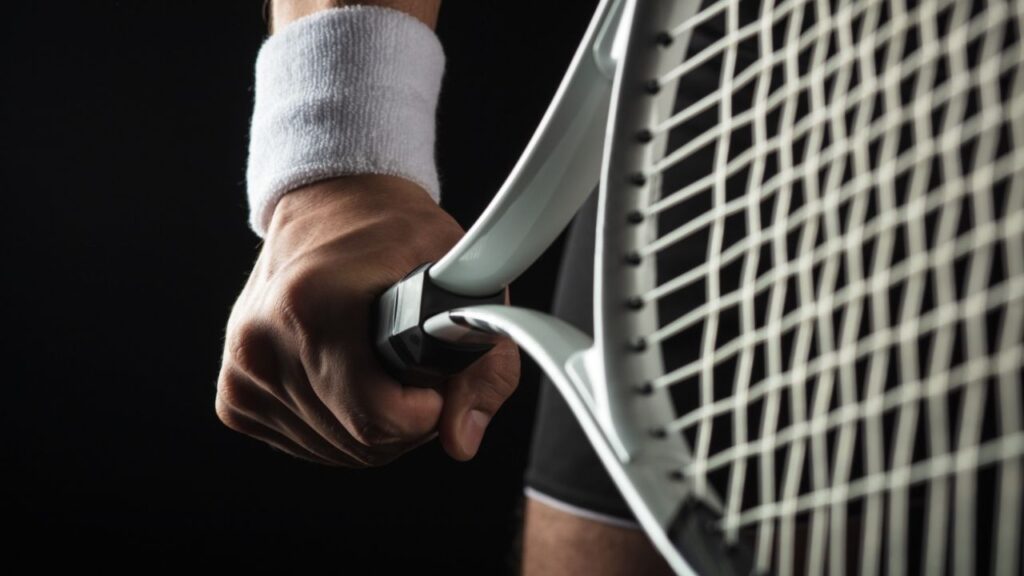
Playing tennis indoors under humid conditions presents a unique set of challenges. The grip between a player’s hand and their racquet becomes critical in maintaining control, precision, and confidence on each swing. Humidity increases perspiration, turning grips slick and hazardous if the wrong overgrip is used. To stay on top of the game, players must navigate a crowded market of overgrips engineered specifically for moisture management, durability, and comfort. Through lab-tested insights and player testimonials, some standout overgrips have emerged for these sweaty, indoor courts where every ounce of traction counts.
This exploration dissects the top-performing options designed to keep hands dry, secure, and energized. With a focus on practical swapping strategies and the science behind materials, players can transform environmental setbacks into competitive advantages. From the slightly tacky absorbents that become friends of sweat to ultrathin, breathable wraps that balance feel and function, the premium overgrip selection of 2025 offers something for novices and pros alike. Here, details and nuances are uncovered to help you confidently select and refresh your grip for every grueling rally inside the humid walls of your favorite indoor tennis venue.
Key Takeaways:
- Humidity severely impacts grip integrity: selecting an overgrip optimized for sweat absorption is vital to prevent slippage and maintain maneuverability.
- Lab-tested overgrips like Tourna Grip, Pacific XTR, and Volkl V-Dry excel: each offers different tactile experiences suitable for varying indoor player needs.
- Regular replacement is essential: even high-quality grips degrade faster indoors where humidity and sweat accelerate wear.
- Material and thickness influence both comfort and durability: thin, breathable overgrips can improve airflow but may require quicker swaps.
- Wrapping techniques and maintenance routines also play a critical role: proper grip installation and mid-match upkeep elevate performance and safety.
Understanding the Effects of Humidity on Tennis Overgrips Indoors
Humidity inside indoor tennis courts creates an environment rich in moisture, which directly affects the interface between hand and racquet—the overgrip. While the overgrip’s primary role is to provide a secure and comfortable hold, excessive moisture from sweat combined with airborne humidity can transform even the best grips into slippery traps, risking errant swings and reduced control.
Overgrip materials vary widely in how they react to moisture. Traditional tacky grips tend to lose grip as sweat saturates them; meanwhile, absorbent materials soak up perspiration but often wear out faster under these moist conditions. Lab tests conducted in controlled humidity environments highlight that:
- Synthetic wraps with silicone and micro-particle textures resist moisture-induced slippage due to their surface design.
- Perforated grips enhance breathability by allowing airflow and sweat evaporation but may not provide the tackiness some players prefer.
- Material thickness plays a delicate role; too thick and the grip traps heat and moisture worsening hand fatigue, too thin and players lose cushioning essential for shock absorption.
For example, Unique Sports’ Tourna Grip is renowned for its absorbent cotton-like weave that actually boasts a slight tackiness which diminishes as sweat accumulates but improves slip resistance thereafter, making it a favorite among pros like Pete Sampras. However, durability suffers and frequent replacing is needed in humid indoor conditions.
Modern options like Pacific XTR and Gamma Pro Wrap build on this premise with synthetic blends designed to dry quickly, resist tearing, and repel moisture — a technological edge for players accustomed to intense indoor play.
| Overgrip Model | Material Texture | Absorbency | Tackiness | Thickness (mm) | Durability in Humid Indoor |
|---|---|---|---|---|---|
| Tourna Grip | Cotton-like, absorbent | High | Slight, diminishes with sweat | 1.0 | Moderate, requires frequent replacement |
| Pacific XTR | Synthetic, smooth | Moderate | Low | 0.8 | High |
| Gamma Pro Wrap | Synthetic, moisture repellent | Low | Low | 0.7 | High |
| Volkl V-Dry | Micro-porous tech finish | High | Moderate | 0.85 | High |
| Babolat Pro Team SP | Silk powder coating | Moderate | Low | 0.55 | Moderate |
The delicate balance between absorbency, tackiness, and durability means that no single overgrip dominates all criteria but instead fills particular preferences and player styles.
Top Lab-Tested Overgrips for Sweaty, Humid Indoor Tennis Play
Analyses of materials tested under lab-simulated humidity reveal several overgrips as perennial favorites that outperform others on the humid indoor court. Each focuses on moisture management with distinct tactile appeals tuned to varied player requirements.
Tourna Grip: The Absorbent Classic
Celebrated for its quick absorption and slight tack, the Tourna Grip remains a dominant player favorite particularly in indoor humidity. It swiftly turns sweat into a drying ally, maintaining a confident hold. Its cotton-like texture embraces moisture, preventing slippage mid-rally. However, high absorbency leads to faster wear, compelling players to maintain frequent replacements to sustain performance.
Pacific XTR: The Resilient Performer
Standing out through its durability, Pacific XTR boasts a smooth synthetic surface engineered for rapid sweat drying and tear resistance. With a soft handfeel and lengthy lifespan even under moist conditions, it appeals to players seeking reliability without sacrificing comfort. Available widely in bulk packs, the XTR proves a cost-efficient choice for those training indoors regularly.
Gamma Pro Wrap: Moisture Repellent Technology
Gamma introduces an advanced surface design for its Pro Wrap overgrip featuring moisture-repellent properties. This innovative approach lowers wet surface adhesion and sustains grip integrity over prolonged sessions. Its color variety and soft feel appeal to aesthetic and functional preferences alike.
Other Contenders: Thin and Breathable Specialists
- Babolat Pro Team SP: Silk powder coated, ultra-thin with minimal size impact, great for players wanting a dry feel without added bulk.
- Tecnifibre PRO DRY: At 0.4mm, this grip offers superb breathability, stretchiness, and ease of installation, ideal for minimalistic grip size changes.
- Volkl V-Dry: Featuring a micro-porous technology finish, this grip thrives in warm humid environments, maintaining moisture absorption with moderate tackiness for better hold.
| Overgrip | Unique Feature | Pack Sizes | Thickness (mm) | Preferred Use |
|---|---|---|---|---|
| Tourna Grip | Sweat-activated absorbency | 3, 10, 30, 50 | 1.0 | High absorbency for humid play, frequent replacements needed |
| Pacific XTR | Durable and quick drying | 3, 12, 30 | 0.8 | Indoor humid courts, high tear resistance |
| Gamma Pro Wrap | Moisture repellent surface | 3, 15, 30 | 0.7 | Confidence in sweaty conditions, colorful style |
| Babolat Pro Team SP | Silk powder coating | 3, 12 | 0.55 | Thin grip for dry feel and precise control |
| Tecnifibre PRO DRY | Ultra-thin breathable | 3-pack | 0.4 | Minimal change, high breathability |
| Volkl V-Dry | Tech finish for moisture control | 3, 12, 30 | 0.85 | Absorbent and tacky for humid warmth |
These leading brands including Wilson, Yonex, and Dunlop have also innovated in different grip forms to fit various player styles. For more details on keeping your equipment in peak condition check out resources such as Tennis Equipment Guide and strategies to maximize overgrip performance in humid conditions available on expert platforms.
When to Swap Your Overgrip for Peak Indoor Play
Humidity accelerates the degradation of overgrips resulting in diminished performance well before the grip’s visual wear. Recognizing the optimal moment to change your overgrip can spell the difference between a secure serve and a potentially disastrous racquet slip during critical points.
Signs to look for include:
- Decreased tackiness or texture smoothness: When the surface becomes slick or hard, the grip fails to channel moisture effectively.
- Visible fraying or peeling edges: Moisture weakens adhesive bonds resulting in loose, damaged areas.
- Odor or discoloration: Signs of bacterial build-up and saturation indicate lost absorbency.
- Reduced cushioning effect: A worn grip can exacerbate hand fatigue and vibration, impairing strokes.
Regular swapping frequencies vary with play intensity and sweat levels but indoor humidity demands shorter replacement cycles. Many experts and pros recommend changing overgrips after every 2-3 matches or even within longer matches if towel breaks allow quick re-gripping. This practice is especially critical when using absorbent cotton-based grips, such as Tourna Grip, which soak up sweat rapidly but saturate quickly.
| Condition | Recommended Overgrip Replacement Interval | Reason |
|---|---|---|
| Recreational indoor player | Every 3-4 matches | Moderate sweat, lower intensity |
| Competitive indoor player | After 1-2 matches | Higher sweat exposure, preserving grip performance |
| Professional or intense sessions | During longer matches, mid-match swap possible | Maximize control and reduce hand fatigue |
Understanding these cues and management routines enhances not only grip performance but also your overall injury prevention and racquet longevity. To further appreciate how overgrip maintenance fits into comprehensive tennis gear upkeep, visit in-depth guides at Tennis Accessories and Grips.
Wrapping Techniques and Grip Installation Tips for Humid Conditions
The method of applying an overgrip can profoundly affect its performance in moisture-heavy indoor courts. Pros adopt specific wrapping styles to maximize friction and prevent water penetration that can degrade the grip’s integrity.
- Double-layer wrapping: Starting with a thin moisture-resistant base layer followed by a second thicker overgrip layer creates extra friction and cushioning; especially useful when battling heavy sweat.
- Waterproof tape reinforcement: Wrapping a thin strip of waterproof tape at the handle’s top acts as a moisture barrier, reducing water from seeping towards the grip’s inner layers.
- Frequent drying and wiping: Keeping a dry cloth nearby during breaks helps remove surface moisture rapidly, prolonging grip life through a match.
- Overlap technique: Ensuring 30-40% overlap between wraps avoids gaps where moisture can accumulate or cause weakened spots.
- Uniform tension: Applying the wrap firmly but evenly to avoid bunching minimizes irregular surfaces that compromise hold.
Each of these techniques, when combined with selecting the right overgrip model, significantly elevates a player’s tactile control and confidence on the court that humid indoors can otherwise erode.
| Wrapping Technique | Purpose | Recommended for |
|---|---|---|
| Double-layer wrapping | Extra cushioning and friction | Players with heavy sweat and high-intensity sessions |
| Waterproof tape reinforcement | Prevents moisture seepage | Matches prone to water exposure or controlled environments |
| Overlap technique | Consistent coverage and moisture resistance | All players seeking longevity and reliability |
| Uniform tension | Prevents bunching, maintains grip shape | Beginner and intermediate players |
For detailed installation procedures and visual demonstrations, consult the comprehensive guides on Essential Tennis Equipment and trusted video tutorials widely available.
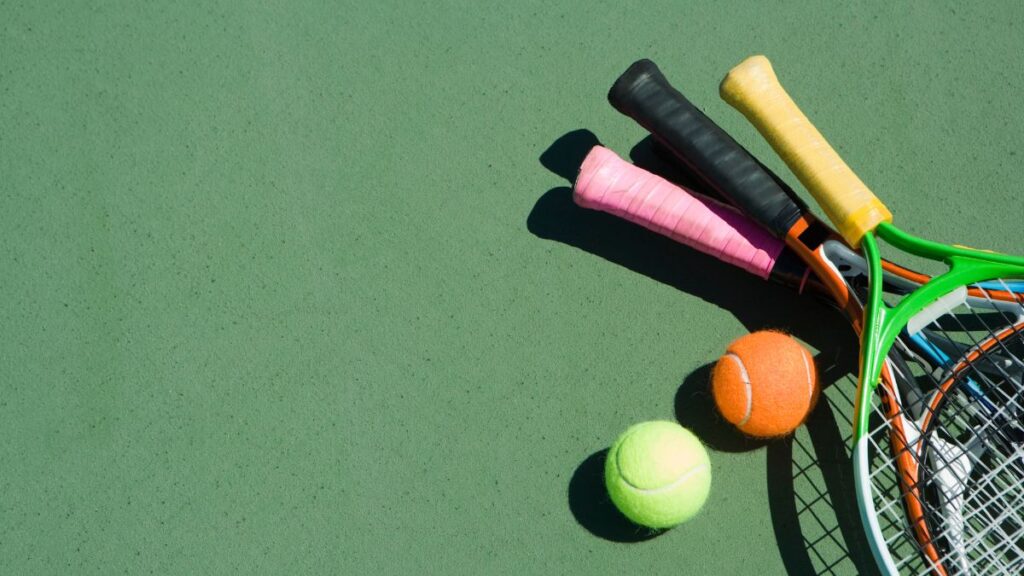
Premium Brand Innovations and Trends in Overgrips for Humid Indoors 2025
The overgrip market in 2025 has witnessed significant strides with brands such as Wilson, Babolat, Yonex, Head, Tourna, Prince, Gamma, Tecnifibre, Dunlop, and Solinco racing to offer players superior material science and ergonomic designs that excel under humid indoor conditions.
Some prominent trends shaping today’s overgrip selection include:
- Advanced synthetic blends: Incorporating microfiber and polymer composites that boost moisture wicking without compromising tactile feel.
- Micro-perforations and vented surface textures: Improving breathability significantly to reduce heat and sweat accumulation.
- Innovative coatings such as silk powder and tech finishes: Providing dry feel with minimal grip size alteration.
- Eco-friendly manufacturing: Emphasizing sustainable materials without sacrificing performance, aligning with environmentally conscious tennis gear trends highlighted in Eco-Friendly Tennis Gear.
- Customization: Allowing players to choose overgrip thickness and texture combinations tailored specifically to their grip style and environmental needs.
For the serious player, these innovations translate to more consistent strokes, reduced hand fatigue, and less frequent gear replacements, fostering a smoother, more focused game. The synergy between grip technology and court conditions has never been more critical as indoor arenas grow in popularity worldwide.
| Brand | Key Innovation | Focus | Popular Models |
|---|---|---|---|
| Wilson | Multi-layer polymer with tacky top coat | Durability and sweat control | Wilson Pro Overgrip |
| Babolat | Silk Powder Coating | Ultra-thin, dry feel | Pro Team SP |
| Yonex | Micro-perforated surface | Breathability, moisture dissipation | Dry Grap |
| Tourna | Cotton absorbent weave | High sweat absorption | Tourna Grip |
| Gamma | Moisture repellent finish | Sweat resistance | Pro Wrap |
| Tecnifibre | Ultra-thin & stretchy material | Minimal size impact with breathability | PRO DRY |
| Prince | Durable polymer blend | Longevity & sweat management | ResiPro Grip |
Exploring the nuanced world of tennis overgrips through current innovations exposes the core of how modern equipment shapes performance even in adverse atmospheric conditions. For a deeper dive into tennis racquet technology and other gear essentials for 2025, visit Racquet Tech 2025 Innovations.