The art of returning a tennis serve is a thrilling blend of anticipation, agility, and strategy, especially at the elite level where fractions of a second determine the outcome of a rally. Among the pantheon of returners, Novak Djokovic stands out as a master tactician and technician, whose blueprint for reading serves, timing his split-step, and launching aggressive second-serve attacks has revolutionized the way tennis players approach this critical shot. This exploration delves into the intricacies of Djokovic’s return game, offering insight into the cues he uses to dissect the serve, the precision timing of his movements, and how he balances patience with aggression to turn defense into instant offense.
Novak Djokovic’s return technique is not merely physical but cerebral. It embodies the essence of tennis as a chess match played at lightning speed, where reading subtle hints in the opponent’s grip, toss, and body positioning can provide the advantage needed to neutralize even the fastest serves. The split-step, that often overlooked hop timed to perfection, acts as the springboard for explosive movement, enabling Djokovic to spring toward the ball with optimal balance and power. Particularly captivating is his method of handling second serves, where he transitions from anticipation to outright attack, exploiting the weaker ball with precision angles and depth to seize control of the rally.
As the tennis world continually advances, Djokovic’s return blueprint serves as a foundational model for players and coaches seeking to elevate their defensive capabilities into offensive opportunities. This comprehensive look breaks down the key components into actionable insights, highlighting examples from Novak’s career and practical drills designed to replicate his return dynamics, supported by insights on equipment choices from leading brands like Wilson, Head, and Babolat that complement modern return games.
Understanding Serve Reading: The Psychological and Physical Cues in Djokovic’s Return Game
Reading an opponent’s serve effectively is a high-stakes skill requiring acute observation and split-second decision-making. Djokovic’s ability to decode serve patterns begins well before the ball is struck, relying on a keen perception of subtle physical and psychological tells. These clues inform positioning, timing, and shot selection, integrating art and science into a fluid response.
Physical cues: Djokovic scrutinizes the server’s toss height, arm acceleration, racket angle, and foot positioning. For example, a higher toss combined with a slightly open stance often signals a slice serve out wide, whereas a lower toss might indicate a kick serve, preparing Djokovic to adjust his stance and racquet face accordingly. This dynamic reading works hand-in-hand with watching the server’s wrist and grip changes, which can reveal intentions to spin or flatten the ball.
Psychological tactics: Djokovic exploits rhythmic tendencies and body language. Many servers exhibit habitual pauses or accelerations in their motion when aiming for specific serve placements. By incorporating these patterns into his anticipation, Djokovic maintains a dynamic mental map of serve probabilities. This insight is supported by match analysis revealing Djokovic’s return win percentages spike drastically on predictable serves.
To enhance serve reading skills, players are encouraged to:
- Film practice serves and matches to identify opponents’ serving habits.
- Practice tracking the ball toss and racket motion in training drills, improving reaction speed.
- Develop mental routines to stay calm and focused, mimicking Djokovic’s composure under pressure.
| Serve Type | Common Physical Cues | Djokovic’s Return Adaptation |
|---|---|---|
| Flat Serve | High toss, fast arm acceleration, closed stance | Position slightly further back to allow for pace, compact racquet preparation |
| Kick Serve | Lower toss, open stance, upward wrist snap | Step in earlier, prepare for high bounce with upward racket angle |
| Slice Serve | Toss slightly to the right (for right-handed server), wrist pronation | Adjust stance towards tramline, stay low for quick lateral movement |
Mastering these cues transforms a reactively defensive return into a proactive tactical shot. The focus shifts from merely getting the ball back into play to dominating the serve game with pinpoint anticipation.
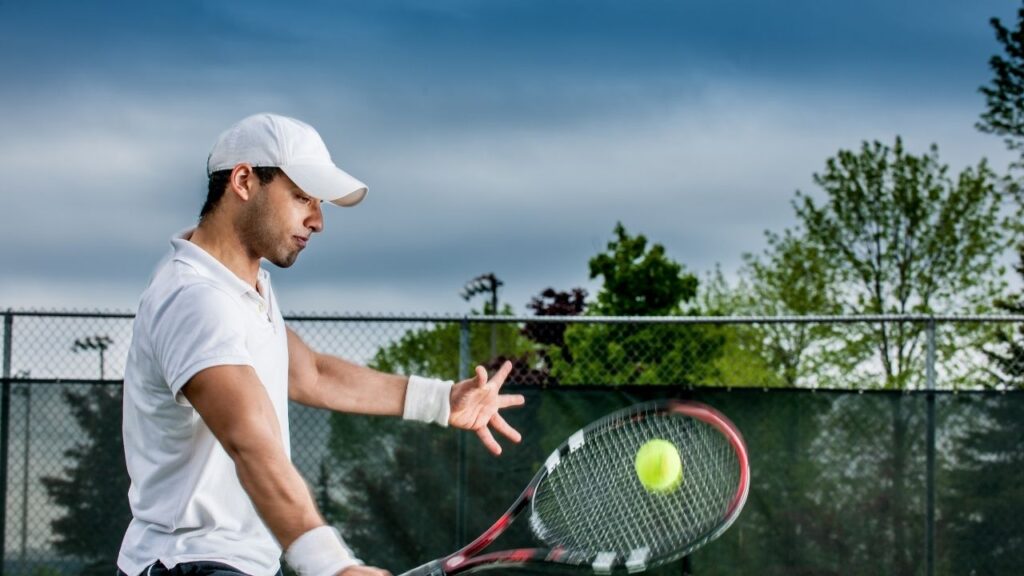
Precision Split-Step Timing: The Hidden Foundation of Djokovic’s Agility and Balance
The split-step is Djokovic’s secret weapon in mobilizing his body instantly at serve reception. Often dismissed as a minor footwork detail, the timing and execution of the split-step can make the difference between a neutral return and a winning shot.
Djokovic times this hop precisely as the opponent tosses the ball during their service motion, not prematurely nor too late. This synchronization allows Djokovic to:
- Absorb the forward momentum and redirect it efficiently.
- Optimize balance with feet slightly wider than shoulder width, ready to push in any direction.
- Lower his center of gravity instantly, enabling explosive first steps.
Such precision demands rigorous training on rhythm and coordination, often overlooked in beginner and intermediate players. Drills focusing on split-step timing, such as those available at coaching programs and resources like these specialized split-step timing exercises, help players internalize this critical movement.
Djokovic’s lower body strength, fueled by endurance routines often spotlighted in his fitness regimen, gives him a resilient foundation for executing split-steps without losing energy. This power is complemented by lightweight, agile tennis shoes from brands like Asics and Nike, enabling quick court coverage and injury prevention during rapid direction changes.
| Split-Step Component | Purpose | Training Focus |
|---|---|---|
| Timing | Ensures readiness as serve is hit | Synchronization drills with ball toss and strike |
| Foot Placement | Balance and directional push-off | Agility ladder and lateral movement drills |
| Body Positioning | Lowered center of gravity for stability | Strength and plyometric training for explosive power |
Without this impeccable split-step, Djokovic’s legendary returns would lose their signature fluidity and speed. Players looking to emulate this should prioritize split-step timing just as much as stroke production.
Second-Serve Attack: Transforming Defense into Dominance with Djokovic’s Strategy
The difference between top-tier returners and the rest often surfaces in how they handle the second serve—typically slower and less aggressive than the first. Djokovic’s aggressive approach to second serves as seen in countless Grand Slam matches transforms defense into instant offense.
- Early racquet preparation: By reading the serve cues, Djokovic commits to an aggressive take-back early, positioning his racquet quickly for a decisive return.
- Footwork precision: Fast, small steps ensure he meets the ball at the optimal strike zone, allowing for sharper angles and deeper penetration.
- Shortened backswing: This prevents late swings on high pace serves and maximizes control and placement, a technique seen in players using rackets from Wilson and Yonex.
Implementing a strategy to attack second serves can turn the momentum in a match. Djokovic’s returns often land deep to corners or occasionally dip short to force the opponent to retreat, enabling him to dictate baseline rallies.
Players aiming to harness this tactic should:
- Practice split-step and early racquet take-back drills tailored for second-serve speeds (equipment optimized for power and control aids this phase).
- Analyze opponents’ second-serve tendencies during match play to anticipate weaker placements.
- Work on foot speed and recovery to handle aggressive shot returns without compromising court coverage.
| Aspect | Djokovic’s Approach | Player Application |
|---|---|---|
| Racquet Preparation | High and early for attack | Practice take-back timing drills |
| Shot Placement | Deep corners or drop shots | Develop directional control through drills |
| Footwork | Explosive and precise | Agility training and sprint exercises |
This blueprint has proved invaluable in high-pressure scenarios, such as the dramatic matches seen in Roland Garros, where aggressive second-serve returns shifted match momentum.
Equipment and Gear Influences on Return of Serve: Djokovic’s Choices and Their Impact
While the technique remains central, no return game can function optimally without the right gear. Novak Djokovic’s choices in rackets, shoes, and apparel reflect a balance of power, precision, and comfort that support his return blueprint.
Rackets: Djokovic famously endorses and uses heady technologies from brands like Head and Babolat, blending lightweight frames with stability to cope with the rapid swings and delicate touch needed for return shots. Players are advised to experiment with models under $200 to find a balance between power and control, as detailed in these best racket recommendations.
Shoes: Returners need footwear with exceptional grip and lateral support. Brands such as Adidas and Nike, along with Asics known for their cushioning and durability, provide players with options tailored for hard and clay courts alike. Consulting specialized guides like best tennis shoes for court types helps players pick the optimal shoe for their style and health.
Strings and Tension: String tension also plays a vital role in controlling the racquet’s response to serve speeds and spins. Djokovic’s choice tends toward balanced tension setups allowing adaptability between defense and offensive returns. Players can explore trending stringing strategies with modern stringing machines evaluated in pro stringing machine reviews.
| Gear Category | Djokovic’s Preference | Player Benefit |
|---|---|---|
| Rackets | Head and Babolat, lightweight and stable | Combine power with precise control to handle fast serves |
| Shoes | Adidas, Nike, Asics for grip and agility | Support quick lateral movements and reduce injury risk |
| Strings | Balanced tension for versatility | Enhance shot control on varying serve speeds |
Equipment synergy with physical skill becomes a major factor in Djokovic’s sustained dominance, influencing how trainers and equipment specialists recommend brands like Yonex, Tecnifibre, Dunlop, and Lacoste to players who aspire to improve their return game.
Developing a Winning Mindset and Tactical Awareness in Return of Serve Following Djokovic’s Example
Beyond physicality and gear, Djokovic’s mental acuity and tactical insight into the return game are key components in his sustained success. His unwavering focus and ability to remain calm under immense pressure exemplify the mindset essential to elite returning.
Effective returners cultivate mental traits such as:
- Patience: Waiting for the right moment to strike rather than succumbing to the temptation of risky, immediate winners.
- Focus: Staying locked in on serve cues and adjusting strategies mid-match as servers alter tactics.
- Confidence: Believing in the ability to neutralize and then exploit serves with calculated aggression.
Strategically, Djokovic often sets up patterns during a match, mixing deep cross-court returns with occasional sharp angles or drop shots to keep servers guessing. This unpredictability, supported by his flawless split-step timing and keen serve reading, levels the playing field against even the most powerful servers.
Players wishing to emulate this mental approach can incorporate:
- Visualization techniques that mimic match scenarios.
- Mindfulness and breathing exercises for performance anxiety management.
- Video analysis of own returning patterns juxtaposed with Djokovic’s highlight reels for tactical inspiration.
| Mental Trait | Djokovic’s Display | Practice Method |
|---|---|---|
| Patience | Consistent rally setup, no rush for winners | Drills emphasizing rally endurance and shot placement |
| Focus | Intense observation of opponent’s serve cues | Mindfulness and concentration exercises |
| Confidence | Aggressive second-serve returns | Match simulation with pressure points |
The mental dimension of returning gives shape and resilience to the physical techniques described above, rounding out the comprehensive blueprint Djokovic exemplifies in his ongoing quest for Tennis dominance.