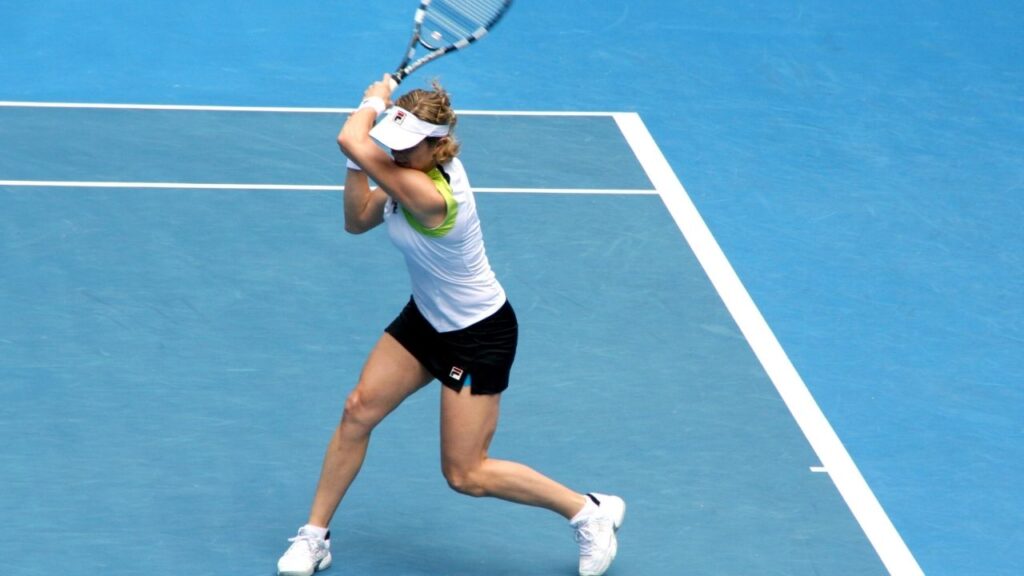
In the high-stakes environment of professional tennis, preparation is everything. The ATP 250 tournament week starting November 8 demands peak physical readiness, where strength and endurance become game-changers far beyond the baseline rallies. This pre-match strength circuit focuses on athletes aiming to hone explosive power, improve on-court agility, and maximize recovery efficiency. Designed to fit seamlessly into the intense schedule of ATP players, the regimen balances sport-specific exercises with strategic rest, underpinning the essential foundation that supports every winning shot. The Week on November 8 is not just another event; it’s an opportunity for contenders to carve their legacy through discipline, precision training, and the relentless pursuit of excellence.
Understanding how each component of fitness translates directly to enhanced performance is critical. From controlled strength drills to agility-focused movements, the circuit helps ATP professionals manage the physical stress of back-to-back matches, while refining their power-to-weight ratio for optimal court coverage. Top brands like Nike, Adidas, Under Armour, and Reebok contribute cutting-edge training gear that further elevates these athletes’ capability during preparatory and recovery phases. This guide unveils the best practices and essential exercises tailored for tennis pros embracing the ATP 250 rhythm, offering insights that resonate for novices and aficionados alike.
- Focused strength training boosts shot power and stability.
- Agility circuits enhance on-court movement and reaction time.
- Incorporation of recovery protocols prevents injury and fatigue.
- Utilization of technical gear from brands like Wilson and Babolat maximizes performance.
- Adaptation of training intensity to tournament scheduling ensures peak readiness.
Designing a Pre-Match Strength Circuit for ATP 250 Players
A meticulously structured strength circuit is the backbone of any competitive tennis player’s preparation, especially during a demanding ATP 250 week. Balancing power training with functional movement is critical to replicate in-match demands. The circuit must focus on compound exercises that develop total-body strength, enhance core stability, and improve explosive muscle engagement.
Key components of the circuit include:
- Lower Body Strength: Squats and lunges performed with moderate to heavy weights stimulate the quadriceps, hamstrings, and glutes—muscle groups vital for quick sprints, rapid court shifts, and jumps. Athletes often integrate variations such as Bulgarian split squats to mimic single-leg explosive moves seen during baseline rallies.
- Core Engagement: A powerful core enables effective serve rotation and controlled stroke execution. Exercises like medicine ball Russian twists, planks with dynamic leg lifts, and dead bugs focus on rotational strength and torso stability.
- Upper Body Conditioning: Controlled presses, rows, and plyometric push-ups develop shoulder endurance and enhance racket control. Incorporating resistance bands from Technogym supports muscle activation without compromising joint integrity.
- Explosive Power: Jump squats and box jumps trigger fast-twitch muscle fibers essential for sudden accelerations, vital during net approaches or counterattack situations.
- Recovery and Mobility: Integrating dynamic foam rolling and stretching sequences with tools from Lululemon ensures increased range of motion and prevents stiffness.
These diverse exercises form a synchronized circuit executed in timed sets with short rests to imitate the high-intensity bursts of tournament play. This approach benefits from modern strength training principles as featured in match-ready fitness training models that optimize court performance while minimizing injury risks.
| Exercise | Target Area | Equipment | Reps/Sets | Benefits |
|---|---|---|---|---|
| Bulgarian Split Squat | Legs, Glutes | Dumbbells | 3 sets of 10-12 | Enhances unilateral leg strength for improved balance and power |
| Medicine Ball Russian Twist | Core | Medicine Ball | 3 sets of 20 twists | Builds rotational core strength, critical for serve and forehand |
| Plyometric Push-ups | Chest, Triceps | Bodyweight | 3 sets of 12 | Develops upper body explosive power for racket speed |
| Box Jumps | Legs, Explosive Power | Box or Platform | 3 sets of 8 | Improves fast-twitch muscle activation for agility |
| Resistance Band Rows | Back, Shoulders | Resistance Bands | 3 sets of 15 | Enhances postural muscles for stroke stability |
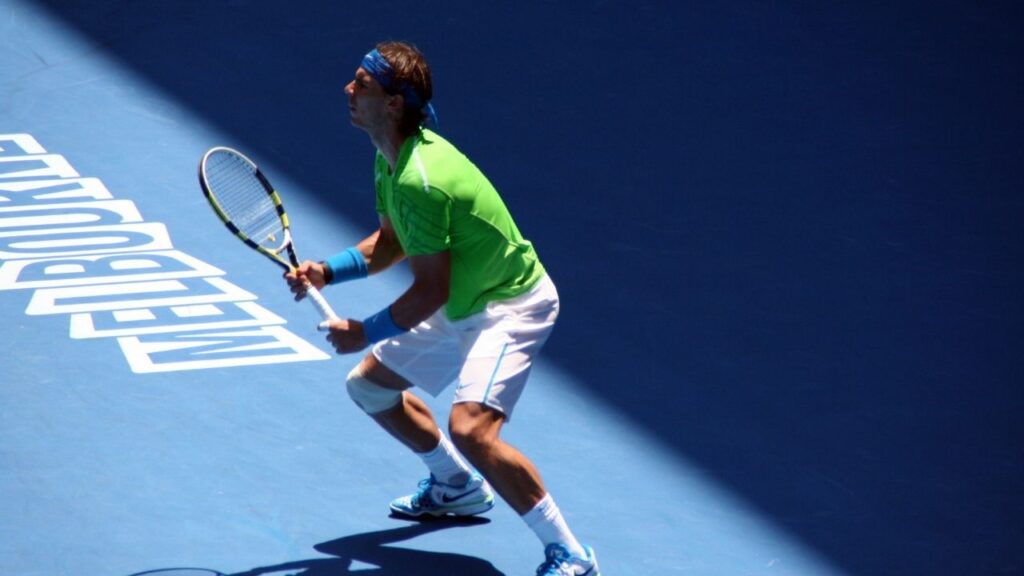
Optimizing Agility and Reaction Time With Tennis-Specific Circuits
Agility and lightning-fast reaction times are what separate ATP 250 competitors from the rest. Tennis demands multi-directional bursts, sharp footwork, and split-second decisions. Pre-match fitness circuits designed to boost these abilities enhance performance under pressure, enabling players to dominate baseline rallies and execute net approaches with confidence.
The agility training segment should incorporate drills utilizing agility ladders, cone drills, and short sprints, layered to simulate match intensity. Brands such as Asics and Nike offer specialized footwear engineered to accommodate rapid stops and quick directional changes, reducing injury risk during training and competition. These footwear innovations supplement natural athletic ability while increasing confidence through support and grip on hard courts.
- Agility Ladder Drills: Rapid foot placement exercises improve coordination and rhythm.
- Pro-Agility Shuttle: Short lateral sprints and pivots sharpen side-to-side movement efficiency.
- Reaction Ball Drills: Trainers toss reaction balls in unpredictable directions, training visual tracking and reflex speed.
- Net Charge Simulations: Sprint drills mimicking approach shots reinforce explosive acceleration skills.
For competitive athletes, these exercises are frequently combined into circuits, progressing from moderate intensity to high intensity to maximize neuromuscular response. The integration of HIIT reaction and speed net drills utilises interval training techniques to enhance stamina while sharpening reflexes, a crucial factor in ATP tournaments where every fraction of a second counts.
| Drill | Description | Focus | Duration/Sets | Expected Outcome |
|---|---|---|---|---|
| Agility Ladder Quick Steps | Rapid step patterns through ladder rungs | Footwork, Coordination | 4 sets of 30 seconds | Faster foot placement and balance |
| Pro-Agility Shuttle | Side-to-side sprint with quick direction change | Lateral Speed, Acceleration | 3 sets of 5 reps | Increase in agility and court coverage |
| Reaction Ball Catch | Catching an erratically bouncing ball | Visual Tracking, Reflexes | 5 minutes | Improved hand-eye coordination |
| Net Charge Sprint | Short explosive sprint towards net | Acceleration, Power | 6 reps with 30-second rest | Enhanced first-step quickness |
Incorporating Brand-Specific Gear to Enhance Circuit Training Efficiency
The influence of premium tennis equipment and athletic wear on training effectiveness during ATP 250 pre-match weeks cannot be overstated. Using technology-driven products from industry leaders like Wilson, Head, Babolat, and Lululemon enables players to push their limits safely and recover efficiently.
Racket selection, for instance, affects swing dynamics and fatigue levels. Modern rackets from Babolat or Wilson offer optimized weight distribution and vibration reduction, permitting players to perform powerful strokes without compromise. Accessory-wise, Lululemon’s compression wear supports muscle oxygenation aiding faster recovery post-training sets. Meanwhile, Technogym fitness equipment ensures precision when tracking progress and maintaining proper form.
- Wilson Blade and Babolat Pure Aero collections: Crafted for control and spin, these rackets assist superior stroke execution during circuit training.
- Lululemon’s compression gear: Enhances blood flow to critical muscle groups, aiding endurance and recovery.
- Head’s tennis balls and strings: Provide consistency in practice, enabling realistic match conditions.
- Adidas and Under Armour training apparel: Engineered for breathability and flexibility, increasing comfort during intense workouts.
- Technogym fitness tools: Offer monitoring and resistance products essential for strength exercises.
Integrating these products into a structured circuit allows athletes to simulate match conditions more authentically while optimizing every minute of their training. More importantly, the brand synergy fuels psychological confidence, an often overlooked but decisive factor. Those interested in the latest racket innovations can also explore trends detailed at fall 2025 racket trends.
| Brand | Product Type | Training Use | Key Benefit | Sample Model |
|---|---|---|---|---|
| Wilson | Racket | Stroke practice and match simulation | Enhanced control and reduced vibration | Wilson Blade 98 |
| Babolat | Racket | Spin development and power drills | Optimized swing weight | Babolat Pure Aero |
| Lululemon | Compression Wear | Recovery and endurance sessions | Improved muscle oxygenation | Align Pant |
| Technogym | Resistance Bands | Strength and warm-up routines | Precision resistance control | Kinesis One |
| Adidas | Training Apparel | Comfort during workouts | Breathable and flexible | Adidas Primegreen Tee |

Recovery Techniques and Injury Prevention During ATP 250 Tournaments
Strength and agility circuits deliver remarkable benefits, but their success hinges on effective recovery strategies. High-tempo ATP 250 tournament weeks demand rapid muscle repair and injury mitigation to maintain competitive edge. Athletes increasingly rely on proven recovery protocols enhanced by trusted sports science and brand technology.
Incorporating structured recovery between circuit sessions improves muscle function and decreases soreness. Techniques regularly recommended include:
- Active Recovery: Low-intensity cycling or swimming sessions maintain blood flow without strain.
- Dynamic Stretching: Increasing joint flexibility reduces injury probability on fast courts.
- Foam Rolling and Myofascial Release: Using specialized rollers to alleviate muscle tightness and improve mobility.
- Compression Therapy: Wearing compression garments from Lululemon or Under Armour to accelerate nutrient delivery and waste removal.
- Hydrotherapy: Contrast baths alternate cold and warm water immersion to boost circulation and reduce inflammation.
Athletes also benefit from neuromuscular control drills and eccentric training to strengthen tendons and ligaments. Emphasizing prehabilitation helps address common tennis injuries such as tennis elbow, shoulder strains, and ankle sprains. Literature on tennis training injury prevention offers valuable tailored advice for players at all levels.
| Recovery Method | Application | Equipment or Gear | Benefit | Recommended Duration |
|---|---|---|---|---|
| Active Recovery | Light aerobic sessions post-match | Stationary bike or pool | Maintains circulation, eases muscle stiffness | 20-30 minutes |
| Dynamic Stretching | Pre and post-training routine | None necesario | Enhances flexibility, reduces injury risk | 10-15 minutes |
| Foam Rolling | Targeted muscle release | Foam roller | Improves muscle recovery and range of motion | 15 minutes |
| Compression Therapy | Post-training support | Compression garments | Speeds nutrient delivery and inflammation reduction | Throughout day, especially post-workout |
| Hydrotherapy | Contrast water immersion | Hot and cold baths | Enhances circulation and decreases soreness | 10-15 minutes |
Adapting Training Strategies to Match Schedules and Tournament Conditions
Flexibility in training routines is paramount during ATP 250 weeks marked by unforgiving match schedules. Athletes must tailor their strength and conditioning circuits to complement match days, warm-ups, and court times while also considering local environmental factors such as indoor or outdoor conditions, altitude, and court surface.
Integrating periodization strategies ensures that players peak at the right moments. This involves adjusting workout intensity and volume from light activation sessions before matches to intensive strength or endurance workouts on rest days. For example, early rounds require energy conservation, so circuits focus on maintaining mobility and core activation rather than maximal load training.
Proper nutrition and hydration, influenced by brands backing the sport, including Asics and Reebok, further enhance adaptability. Hydration strategies during tournaments prevent cramping and improve overall stamina during long rallies.
- Light activation workouts pre-match: Bodyweight exercises and dynamic stretches to prime muscles.
- Intensive circuit days on rest days: Full strength and explosive power drills to build and maintain performance levels.
- Environmental adaptation drills: Practicing on the actual court surface to adjust footwork and bounce anticipation.
- Monitoring fatigue: Using wearable tech to track heart rate variability and recovery metrics.
- Proper gear selection: Choosing court-specific shoes from Adidas or Nike based on surface and weather.
| Day Type | Focus | Training Intensity | Key Activities | Gear Recommendations |
|---|---|---|---|---|
| Pre-Match Day | Activation & Mobility | Low | Dynamic stretches, light footwork drills | Lightweight Asics shoes, breathable apparel |
| Match Day | Maintenance & Recovery | Minimal | Warm-up, stretching, mental focus | Moisture-wicking Nike gear |
| Rest Day | Strength & Conditioning | High | Full circuit, explosive power exercises | Supportive Reebok training shoes |
| Adaptation Training | Environmental Adjustment | Moderate | Practice on match surface, agility drills | Court-specific Adidas shoes |
Adhering to these strategies helps athletes avoid burnout while delivering peak performance during the ATP 250 tournament week beginning November 8. For detailed insights on tournament previews and player conditioning, readers may find valuable information at European Open 2025 preview and Anisimova Beijing conditioning.