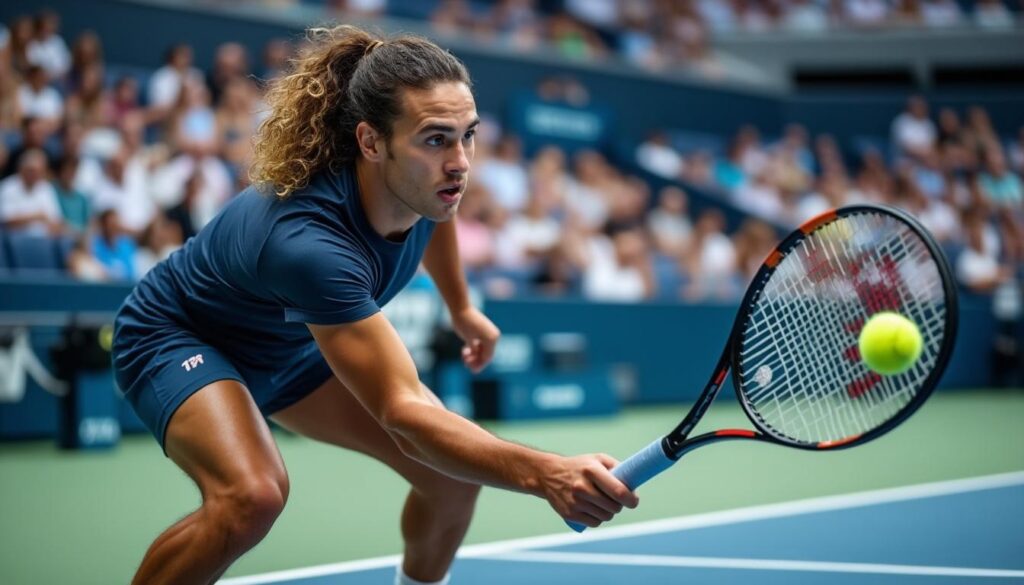
As the tennis world gears up for the intense pace of the 2026 season, the spotlight sharpens on the crucial phase of recovery and injury prevention that precedes the tournaments. November 21, 2025, marks a pivotal stage for athletes aiming to maintain peak player fitness and avoid pitfalls like muscle strains or joint issues that can derail a promising campaign. The fine balance between pushing limits and embracing recovery methods designed to nurture healing has never been more essential. Far beyond just rest, today’s recovery landscape incorporates science-backed rehabilitation, active rest routines, and targeted injury management strategies that allow athletes not just to survive the demanding calendar but to thrive throughout.
In this dynamic context, fitness trainers, therapists, and players collaborate closely to implement recovery protocols that blend physical therapy, nutrition, and psychological strategies, all aimed at pre-tournament conditioning. This anticipatory approach is about more than preventing downtime; it’s a proactive blueprint to enhance resilience and competitive longevity, ensuring the flame of athletic brilliance burns brightly as seasons and tournaments unfold.
Understanding this recovery journey means peering into detailed phases of healing—from the initial care after an injury triggers the process, to progressive strengthening and finally sport-specific training that bridges therapy and competition. By focusing on recovery methods that have been refined through years of sports rehabilitation research, players can sidestep common injuries prevalent during rigorous competitive cycles. Whether it’s hamstring strains or chronic ankle issues, each recovery stage demands precision and commitment.
Simultaneously, integrating advances like evidence-based physical therapy, vascularization exercises, and mental resilience building strategies delivers a multidimensional defense against injury. The blend of technique, technology, and tailored training plans provides a robust framework for athlete wellness. This approach directly impacts outcomes seen on courts, transforming recovery into a strategic advantage, not just medical necessity.
With these powerful routines now embedded in many top preparation programs, players are gaining control over their bodies and careers alike. As the tennis community continues to analyze injury reports and performance data, clear patterns emerge pinpointing the importance of recovery. These insights not only offer hope for reduced injury rates but also exemplify how modern athletes redefine the limits of durability and performance ahead of milestone events like the Australian Open and Wimbledon.
Mastering Injury Prevention Through Advanced Recovery Methods for Pre-2026 Tennis Tournaments
Tennis players stepping onto the 2026 courts carry the weight of countless hours spent in preparation and recovery. Staying injury free hinges on a comprehensive understanding of injury prevention protocols layered into recovery methods, which today include more than just passive rest. Active rest, physical therapy, and tailored rehabilitation exercises form the backbone of a modern player’s recovery regimen.
Experts emphasize injury prevention by analyzing seasonal injury metrics, where overuse injuries tend to spike during pre-season training in summer months. This is the moment when recovery methods pivot from reactive to proactive, employing preventive techniques such as neuromuscular training, proper warm-up routines, and dynamic stretching. By addressing risk factors like poor technique or excessive training loads, players drastically lower their chances of sustaining debilitating injuries.
Examples abound of players leveraging injury prevention strategies to spectacular effect. Consider the success stories emerging from the Wuhan Open, where athlete wellness protocols helped reduce lateral ankle sprains and hamstring strains. Integrating corrective balance training and custom footwear also supports joint stability, critical for quick directional changes inherent in tennis.
- Warm-Up Importance: Gradual elevation of heart rate and dynamic mobility exercises prepare musculature for impact.
- Load Monitoring: Use of wearable tech to control training volumes and prevent overtraining.
- Neuromuscular Control: Drills enhancing proprioception reduce injury risk by refining coordination.
- Proper Equipment: Selecting tennis shoes tailored for surface-specific traction to protect feet and ankles.
- Technique Refinement: Emphasis on biomechanics during strokes to relieve undue stress on joints.
| Common Injury | Prevention Method | Recovery Timeline |
|---|---|---|
| Hamstring Strain | Eccentric Strengthening & Flexibility | 3-12 weeks |
| Lateral Ankle Sprain | Balance Training & Custom Footwear | 2-8 weeks |
| Rotator Cuff Injury | Strength Training & Movement Quality | 6-16 weeks |
| ACL Tear | Neuromuscular Training & Landing Mechanics | 6-12 months |
Players preparing their bodies for the 2026 tournaments also focus on “pre-match strength circuits” designed to prime muscles, avoid fatigue, and optimize muscle recovery after practice sessions. This ensures readiness when the pressure peaks, illustrated clearly in this Paris Masters recovery strategies breakdown, which highlights energy conservation techniques vital to tournament success.

Injury Management and Initial Care: The Cornerstones of Long-Term Athlete Wellness
Effective injury management begins the moment an athlete feels the first twinge or hears that dreaded “pop.” Veteran therapists recognize this phase as critical to prevent injuries from snowballing into career-threatening setbacks. Proper initial assessment, using systematic techniques like the TOTAPS method, drives informed decisions about rest, rehabilitation, or advanced imaging.
Understanding proper injury management goes a long way toward nurturing not just physical repair, but psychological fortitude. Recognizing early warning signs can save weeks or months of treatment, which can correlate directly with the athlete’s confidence and mental game. Professionals stress avoiding the common pitfall of “playing through pain,” a mindset that often leads to repeat injuries and worsened conditions.
- Talk: Obtain detailed descriptions of injury onset and symptoms.
- Observe: Inspect visually for swelling, bruising, or deformity.
- Touch: Assess tenderness and temperature changes around the injury site.
- Active Movement: Evaluate pain and range during voluntary motions.
- Passive Movement: Determine possible range of motion when assisted.
- Skills Test: Assess sport-specific functional ability to ensure safe return-to-play.
| Step | Purpose | Key Considerations |
|---|---|---|
| Protection | Prevent further harm | Avoid aggravating activities, use supportive braces |
| Elevation | Reduce swelling | Keep injured limb above heart level when possible |
| Compression | Limit edema | Apply snug but not overly restrictive wraps |
| Educate | Empower athlete for self-care | Discuss expected healing timelines and symptoms |
In addition to the physical protocols, advanced techniques such as vascularization exercises and gradual loading are critical once the initial inflammatory phase settles. Also noteworthy is the role of insurance in supporting access to quality physical therapy. Players and their support teams are increasingly aware of coverage options, including Medicare and private insurance plans, ensuring rehabilitation is accessible and sustainable.
Tracking healing markers and frequent reassessments tailor the rehabilitation timeline realistically, avoiding the trap of forced early returns. Such careful recovery planning is underlined by data presented in the latest injury report for 2026, which correlates injury severity with delayed tournament performance.
Nutrition and Hydration: Fueling Recovery for Player Fitness and Muscle Recovery
Among the unsung heroes of recovery methods is the role nutrition and hydration play in fueling player fitness and muscle recovery. Beyond the baseline of rest and therapy, the biochemical demands of healing place significant emphasis on what athletes consume during rehabilitation phases.
Correct nutritional intake not only expedites repair but also modulates inflammation and prepares the body to withstand upcoming physical challenges. A diet rich in proteins, vitamins such as C and D, and minerals like calcium creates a foundation for optimal tissue regeneration. Complementing this, anti-inflammatory foods help suppress excessive bodily reactions post-injury and during intense training cycles.
- Proteins: Essential for tissue rebuild; sources include lean meats, fish, eggs, and plant-based options.
- Anti-inflammatory foods: Includes fatty fish high in omega-3s, nuts, seeds, berries, and leafy greens.
- Hydration: Critical for nutrient transport and detoxification; athletes should aim for at least 8-10 cups daily.
- Micronutrients: Vitamins C and E, zinc, and magnesium aid immunity and cellular repair.
- Meal Timing: Consuming nutrients strategically around training sessions supports recovery and energy replenishment.
| Nutrient | Role in Recovery | Sources |
|---|---|---|
| Protein | Tissue repair and muscle synthesis | Chicken, fish, legumes, eggs |
| Omega-3 Fatty Acids | Anti-inflammatory agents to reduce swelling and pain | Salmon, flaxseeds, walnuts |
| Vitamin C | Collagen formation and immune support | Citrus fruits, bell peppers, broccoli |
| Calcium | Bone strength and neuromuscular function | Dairy, fortified plant milks, leafy greens |
Elite athletes incorporate these nutritional principles as part of their offseason fitness and strength programs, understanding that effective recovery begins in the kitchen as much as in the gym or clinic. Hydration strategies also factor heavily into maintaining optimal muscle function and mental acuity throughout the tournament season.
Psychological Strategies in Sports Rehabilitation: Building Mental Fortitude for Injury Recovery
Finally, recovery methods extend beyond the physical to address the psychological hurdles that athletes face during rehabilitation. Mental resilience and a positive mindset have emerged as critical elements in the complex equation of returning from injury stronger and more focused.
Visualization and optimism are powerful allies. Athletes who engage in mental rehearsal of successful movements and positive affirmations tend to experience more rapid and complete recoveries. Goal setting through the SMART framework provides structured motivation and measurable milestones, enhancing adherence to rehabilitation protocols.
- Visualization: Mentally rehearsing successful play can stimulate brain areas involved in physical execution, accelerating neuromuscular priming.
- Optimism and Motivation: Maintaining a positive outlook reduces stress hormones, which can impede healing.
- Goal Setting: SMART goals provide clear, adjustable targets during recovery.
- Stress Management: Incorporating mindfulness, meditation, and breathing exercises to combat isolation and frustration.
- Social Support: Encouragement from coaches, teammates, and family bolsters confidence and emotional well-being.
| Psychological Strategy | Application in Recovery | Benefits |
|---|---|---|
| Visualization | Daily mental practice of sport movements | Enhances motor learning, reduces anxiety |
| Positive Affirmations | Using mantras like “I am the greatest” | Boosts motivation and self-efficacy |
| Goal Setting | Setting SMART recovery targets | Improves focus and progress tracking |
| Mindfulness | Stress reduction techniques during rehab | Lowers cortisol levels, enhances mood |
Rehabilitation programs that integrate mental health support alongside physical therapies reflect the highest standard of athlete wellness in 2025. These approaches can be found in forward-thinking training centers and are increasingly vital in avoiding burnout and emotional setbacks that plague recovery efforts.
The commitment to such holistic recovery underscores the wider vision: preparing athletes not only to return but to reclaim their competitive edge, fortified physically and mentally for the fierce contests awaiting in 2026 tournaments. Dive deeper into novel recovery methods and holistic training in coverage like tennis strength and mobility to elevate your game sustainably.
What are the most effective recovery methods to prevent injury before major tennis tournaments?
Active rest, targeted physical therapy, neuromuscular training, balanced nutrition, and psychological strategies such as visualization and goal setting form the core of effective recovery methods. These approaches work together to optimize muscle recovery and enhance injury prevention.
How soon should an injured player start rehabilitation?
Early intervention within the first 48-72 hours after injury using protocols like PEACE and gradual loading significantly improves recovery outcomes. However, rest during the acute phase is essential before progressing to mobilization and strengthening.
Can nutrition influence recovery speed and injury prevention?
Yes, proper nutrition plays an essential role in accelerating healing, managing inflammation, and supporting muscle recovery. Protein, antioxidants, omega-3 fatty acids, and hydration are particularly important for athletes.
Are psychological strategies really important during injury recovery?
Absolutely, psychological resilience impacts adherence to rehabilitation exercises and overall recovery pace. Techniques like mindfulness, visualization, and setting SMART goals improve mental well-being and motivation.
How does injury prevention link to performance in tournaments?
Injury prevention through recovery methods ensures athletes maintain consistent training and enter tournaments at peak fitness. Avoiding setbacks means better endurance, reduced fatigue, and sustained competitive performance.