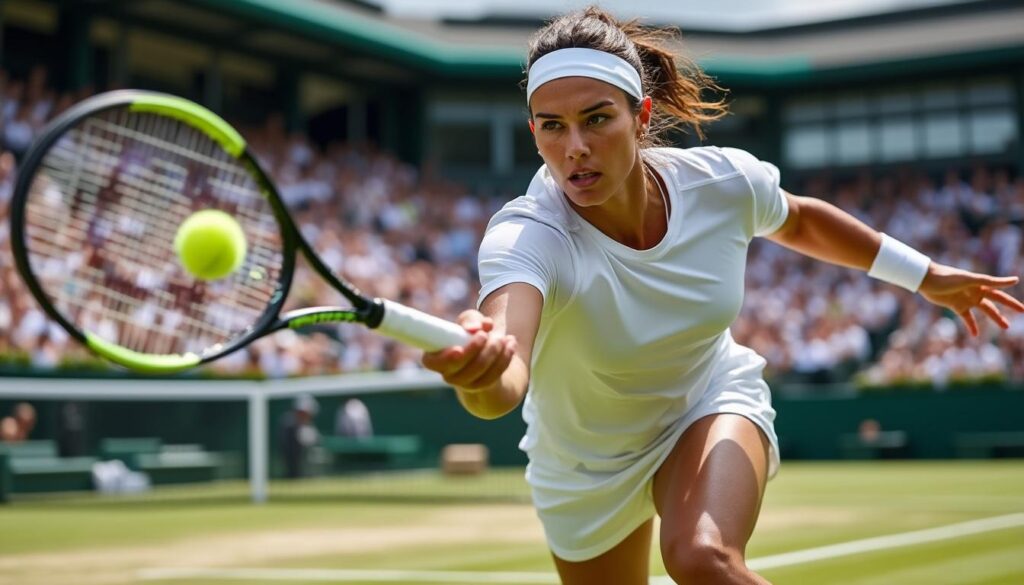
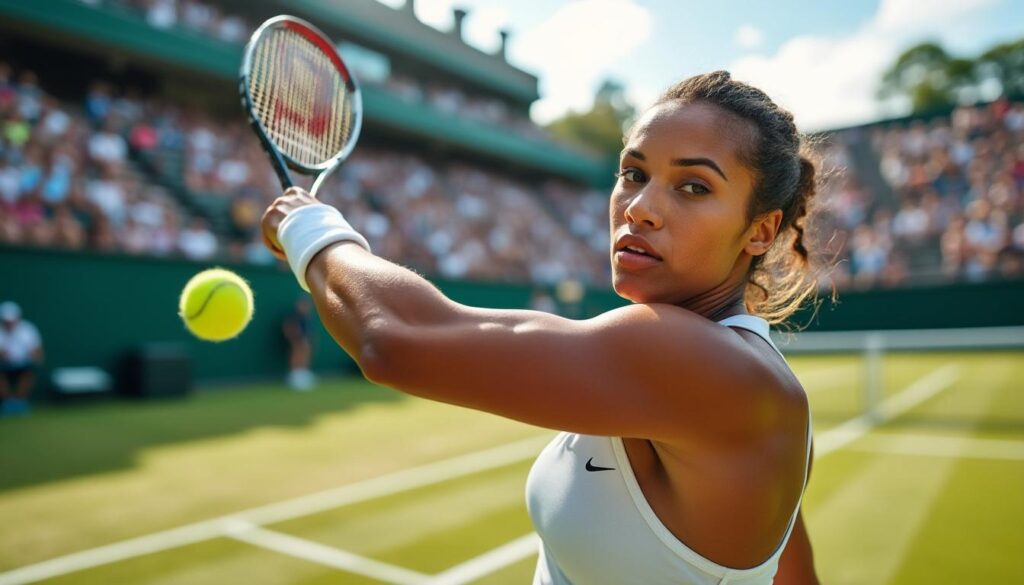
The relentless grind of a long competitive tennis season leaves players drained physically and mentally, demanding a strategic reboot to prepare for what lies ahead. As November 24, 2025 approaches, coaches and athletes face the challenge of reigniting motivation, repairing wear and tear, and sharpening skills after months in the trenches. The transition from the intense pressure of regular tour events to the reflective period of post-season training requires more than rest — it calls for meticulously designed practice routines that reignite the spark of competition while fostering recovery and resilience.
In this delicate phase, managing the competitive season transition is paramount. Players must balance the urgency of maintaining technical sharpness with the necessity of allowing their bodies to heal from fatigue and injury. The right blend of conditioning drills, mental reset techniques, and tactical refinement creates a potent formula for success. It’s about reclaiming the hunger, rejuvenating the muscles, and coming back stronger than ever when the new season blasts off.
What does an effective restart program look like on November 24, 2025? From personalized rehabilitation protocols to skill maintenance sessions, the focus is on creating a flexible framework tailored to each athlete’s state. The most successful players aren’t just recovering; they’re evolving through innovated drills and smarter training habits that emphasize long-term wellness and peak performance. This article dives deep into the intricacies of these routines, offering actionable insights for navigating the crucial post-season phase with purpose and passion.
Key takeaways to jumpstart your post-season restart:
- Understanding the importance of a gradual return, avoiding burnout and injury
- Integrating mental reset strategies alongside physical recovery
- Designing practice drills to maintain and enhance core tennis skills
- Emphasizing flexibility and conditioning to rebuild stamina
- Utilizing analytics and coaching feedback to target areas for improvement
Sommaire
ToggleCrafting Post-Season Training Plans for Effective Player Recovery
After the unyielding barrage of matches, travel, and tournaments, the body and mind demand deliberate downtime paired with smart work to avoid the pitfalls of overexertion. The art of player recovery on November 24, 2025 is no longer about simple rest but a multidimensional approach integrating active recovery, physiotherapy, and targeted conditioning drills that propel healing while maintaining fitness.
A well-structured post-season plan incorporates phases that gradually ramp up intensity. Week one centers on low-impact activities such as swimming, yoga, and light cardio to boost circulation and reduce inflammation. Incorporating modalities like ice baths and contrast therapy supports muscle repair while easing soreness—a method supported decisively by recent sports science showcased in specialized recovery articles.
As players progress, moderate-intensity exercises focus on restoring strength, stability, and mobility. This includes resistance training tailored to improve tendon resilience, crucial in preventing common injuries like tennis elbow or rotator cuff strains. Coaches might integrate exercises from elite programs designed to enhance power generation, which is vital as players prepare to reengage with high-speed serves and groundstrokes.
Physical therapy is a non-negotiable component here. Personalized sessions not only address existing niggles but also emphasize biomechanical alignment and injury prevention techniques. A practical routine might include:
- Joint mobilization drills
- Soft tissue massage and myofascial release
- Neuromuscular control exercises
- Stretching protocols to maintain flexibility
This multi-pronged approach minimizes downtime and maximizes output when transitioning back into full practice. Such methods are well-documented and supported by experts in our featured November 2025 recovery methods resource, offering in-depth tactics for practitioners and players aiming for longevity.
| Recovery Phase | Focus | Activities | Duration |
|---|---|---|---|
| Phase 1 | Active Recovery & Healing | Swimming, Yoga, Ice Baths | 7-10 days |
| Phase 2 | Rebuilding Strength & Stability | Resistance Exercises, Mobility Drills | 10-14 days |
| Phase 3 | Performance Conditioning | Speed & Power Work, Sport-Specific Drills | 2-3 weeks |
Addressing both the physical and psychological toll of the competitive grind, players who embed recovery as a ritual rather than a gap in training are far more prepared to dominate their return.
Maintaining and Enhancing Skills Through Targeted Practice Routines
Restarting practice after a lengthy season isn’t solely about physical rejuvenation; it demands disciplined skill maintenance to keep reflexes sharp and technique flawless. The best players use this time to refine nuances—from optimizing grip tension to perfecting footwork explosiveness—thus knitting resilience into their game plan.
A wise practice session post-season leans into fundamental strokes, focusing on repetition with intent rather than exhaustive volume. Experts advocate drills that simulate match pressure scenarios to improve shot selection and decision-making. This nuanced approach, exemplified in the simulate tie-break pressure drills, injects mental toughness directly into practice, preparing players for clutch moments when the scoreboard tightens.
Equally critical is the balance between serve improvement and return consistency. Alongside power-focused drills, athletes emphasize split-step timing and anticipation on return, foundational to controlling points early—a combination elucidated in our return serve split step analysis. Proper integration of overgrips and string tension, detailed in latest guides, supports optimal racket feel, helping players adjust quickly as they ramp back into competitive intensity.
- Drill to sharpen split-step: practice timed foot launches reacting to serve ball tosses
- Serve speed and accuracy focus: pair powerful serving with control using medicine ball warm-ups
- Shadow tennis to visualize successful shot trajectories and player movement
- Overgrip and string tension adjustments tailored to grip strength and preferred stroke type
Consistent, focused drills during this period do more than preserve skills—they create a competitive edge without risking overuse injuries or psychological burnout. This harmony between mind and body rewrites the narrative of the off-season from downtime into a springboard for dominance.
| Skill Area | Objective | Recommended Drills | Expected Outcome |
|---|---|---|---|
| Serve | Increase power & accuracy | Medicine ball warm-ups, targeted serving drills | Enhanced serve speed & reduced unforced errors |
| Return | Refine anticipation & timing | Split-step timing, reaction drills | Improved point control & faster reactions |
| Footwork | Boost explosiveness & balance | Agility ladders, shadow tennis | Quicker court coverage & stamina |
| Racket Feel | Optimize grip and string tension | Overgrip selection & string tension adjustments | Improved shot precision & comfort |
Incorporating Mental Reset Techniques For Focus and Clarity
The end of a grueling season doesn’t just leave the muscles weary; it exhausts the mind’s capacity to stay razor-sharp under pressure. A mental reset is crucial in rebuilding confidence and ensuring that competitive fire ignites rather than flickers out. Players and coaches increasingly adopt techniques like mindfulness meditation, controlled breathing, and biofeedback to elevate mental stamina on and off the court.
Scientific studies have revealed how stress management directly correlates with consistency and clutch performance. Integrating mental fitness practices within the daily schedule has proven to enhance concentration, reduce anxiety, and elevate players’ ability to “stay in the zone” during crucial points. Visualizing success, a method highlighted effectively in shadow drill guides, reinforces positive neural patterns, preparing players to handle match pressure with poise.
Additional strategies include:
- Journaling to track emotional triggers and responses after practice sessions or matches
- Focused breathing routines pre-practice to calm the nervous system
- Interactive sessions with sports psychologists or counselors to recalibrate goals and expectations
- Use of technology-aided neurofeedback devices to train concentration and bio-rhythms
This relentless effort to cultivate a resilient mindset fosters a holistic approach, harmonizing mind and body as inseparable allies in pursuit of excellence. Read further on mental focus in tennis matches in comprehensive guides.
| Technique | Purpose | Implementation | Benefits |
|---|---|---|---|
| Mindfulness Meditation | Stress reduction & focus | Daily 10-15 min sessions | Improved concentration & calmness |
| Visualization | Build confidence & strategy | Shadow tennis & mental imagery | Better shot execution under pressure |
| Breathing Exercises | Lower anxiety | Pre-practice & match warm-ups | Steadier nerves & response |
| Neurofeedback Training | Enhance concentration | Guided sessions using wearable devices | Heightened game focus & rhythm |
Designing Conditioning Drills That Build Endurance Without Excess Fatigue
Balancing exertion with recovery is the cornerstone of conditioning drills in the period following a long season. Executed wisely, these sessions boost aerobic capacity, muscular endurance, and explosive power, all vital components of match readiness. But push too hard too soon, and it’s a recipe for compromised recovery and injury risk.
Incorporating interval training, HIIT routines adapted for tennis movements, and on-court agility work keeps players sharp without overstressing their bodies. Conditioning programs inspired by top champions often blend:
- Short sprints and lateral movement exercises mimicking baseline rallies
- Core strengthening to provide stability during intense strokes
- Dynamic stretches to enhance flexibility pre- and post-session
- Low-impact cardio days with cycling or swimming to facilitate recovery
It’s also important to monitor workload meticulously. The use of wearable tech to track heart rate variability and fatigue markers is growing, allowing teams to tailor sessions day-by-day. For a detailed understanding of conditioning connected to Grand Slam performance, see professional fitness routines here.
| Drill Type | Focus Area | Duration/Repetitions | Expected Benefits |
|---|---|---|---|
| Interval Sprint Sets | Explosive speed & recovery | 6 sets of 20-30 seconds sprint with 60-second rest intervals | Improved acceleration and stamina |
| Lateral Agility Drills | Quick footwork & balance | 4 sets of lateral shuffles of 15-20 meters | Enhanced court coverage |
| Core Stability Circuits | Postural control | 3 rounds of planks, Russian twists, and leg raises (1 min each) | Better stroke stability and injury prevention |
| Active Recovery Days | Overall recovery & circulation | 30 minutes of swimming or cycling | Reduced soreness and faster healing |
Adapting Practice Routines for the Unique Demands of a Season Restart
November 24, 2025 marks a pivotal juncture: the shift from reflection and recuperation into intense preparation for future battles on the court. This phase requires agility in training plans, carefully tailored to reintroduce competitive tempo without sacrificing the groundwork laid during recovery.
Successful season restart routines feature these key elements:
- Gradual ramp-up: Phased increase in practice intensity—starting with controlled rally drills progressing to match simulations.
- Incorporation of tactical sessions: Renewed focus on shot selection, positioning, and opponent analysis.
- Mental conditioning: Maintaining the mental reset through pressure simulation and confidence-building exercises.
- Regular assessment: Incorporating feedback loops and video analysis to track progress objectively.
- Injury prevention protocols: Warm-ups emphasizing stability and explosive footwork as detailed in advanced warm-up guides, minimizing risk during early high-intensity sessions.
Players must understand this isn’t a race but a marathon. Over-extension can reverse hard-won gains, so blending patience with purposeful intensity is the secret to a powerful comeback.
| Training Focus | Activities | Frequency | Goals |
|---|---|---|---|
| Technical Drills | Controlled rallies, serve routine adjustments | 4-5 times per week | Rebuild stroke consistency and confidence |
| Tactical Work | Video study, situational point play | 2-3 times per week | Enhance decision making and strategy |
| Mental Conditioning | Pressure simulation, meditation | Daily | Sustain mental clarity and focus |
| Physical Conditioning | Agility and endurance drills | 3-4 times per week | Build match stamina and explosiveness |
Schedule adjustments are often necessary depending on player feedback and recovery metrics. One recommended practice is to refer to updated strategies in offseason fitness and strength routines for tennis players, ensuring the restart period sets a foundation that ripples through the entire competitive calendar.
How important is rest during a post-season training routine?
Rest is critical for healing muscles, preventing burnout, and maintaining long-term performance in tennis. Structured rest combined with active recovery techniques allows players to come back stronger.
What are some effective drills to maintain tennis skills during off-season?
Drills that focus on serve accuracy, split-step timing, and simulating match pressure, such as tie-break scenarios, help maintain competitive sharpness without risking overtraining.
Can a player focus on mental conditioning during physical recovery?
Yes, integrating mental reset techniques like meditation, visualization, and breathing exercises complements physical healing and prepares players psychologically for intense competition.
How does conditioning help in a season restart after long competitions?
Conditioning drills rebuild endurance and explosiveness needed for match play, reducing injury risk and enhancing recovery capacity during a season restart.
Are technological tools useful for optimizing post-season practice routines?
Absolutely. Tools such as wearable trackers and video analysis enhance feedback, tailor training sessions, and monitor recovery to optimize practice routines efficiently.