

When the epic drama of a tennis match unfolds, the player who commands the court with swiftfooted agility often claims victory. There’s an electric current buzzing beneath every precise step and explosive change of direction. Whether it’s chasing down a blistering forehand, cutting off a drop shot, or pivoting to unleash a perfect backhand, speed and finesse on your feet spell the difference between winning and watching. In the intense realm of court sports, especially tennis, the secret weapon lies in footwork and agility ladder drills—dynamic tools that forge lightning-fast responsiveness and explosive power. Harnessing these movements means shaping your body to glide, dart, and recover with surgical precision, captivating every rally and flipping the match in your favor.
From the gritty courts of Southern California to metropolitan London clubs, athletes and weekend warriors alike crave that edge. The agility ladder, a deceptively simple string of rungs laid flat on the ground, unleashes a transformative training experience that elevates coordination, balance, and speed. Coaches swear by its impact on reaction time and spatial awareness, as players integrate swift ladder drills into their routines. But those first few attempts? They demand grit and focus, a challenge that transforms hesitation into confidence with each practiced run. As legendary trainers like AJ Artis underscore, ladder drills ignite “quick feet, change of direction, and explosion,” the triad propelling athletes to elite levels.
Adding another layer to this compelling picture, brands like Nike, Adidas, and Under Armour engineer shoes designed to maximize traction and cushioning, optimizing every quick pivot and hop on the ladder. Alongside, innovative equipment from SKLZ and TRX complements these agility workouts with resistance and balance training. This entire matrix—from gear to drills—forms the heartbeat of modern tennis fitness regimens, emphasizing not just movement but precision, mental sharpness, and resilience. The journey doesn’t just sculpt bodies—it sharpens minds, unlocking a tennis player’s full court potential for thrill, domination, and unforgettable moments.

Mastering Footwork Techniques with Agility Ladder Drills for Tennis Players
In tennis, footwork is a language—a code that speaks volumes during each rally. Athletes who master this language become fluent in fluid movement, speed, and balance. Agility ladder drills stand as a cornerstone in decoding that language, training players to coordinate foot placement with split-second decisions. They enhance neuromuscular connections that prime the body to execute the explosive stops, starts, and lateral sprints tennis demands.
Consider the drill sequence popularized by AJ Artis, blending simplicity and challenge. The “Single-leg hop” drill forces players to balance on one foot while hopping through the ladder squares, alternating feet on the return trip. This tests unilateral strength, balance, and focus, critical for adjusting on uneven court surfaces or during awkward shot recovery. The “Double-leg hop” ups the ante, demanding rhythmic jumps on both feet with maximum height and controlled landings in athletic stances, mimicking on-court explosive moves.
Then comes the “Double In & Out Lateral” drill, truly a litmus test for tennis agility. This drill entails stepping inside the ladder rungs then quick footing outside each rung before moving to the next, requiring a combination of tight stepping, balance, and hip mobility. For advanced players, weaving the “Ickey Shuffle” and “Carioca” footwork patterns into ladder exercises sharpens cross-step coordination and rapid directional changes.
- Benefits of Ladder Drills for Tennis:
- Enhance quick foot placement and coordination
- Train explosive lateral movements
- Improve balance during dynamic changes
- Boost cardiovascular endurance in match-like intensity
When implementing ladder drills, it’s crucial to focus on technique before speed—rushing often breeds sloppy mechanics and increases injury risk. Warmups incorporating dynamic and static stretching prepare the muscles and joints for intense movements, setting the stage for success. Brands like ASICS and New Balance are renowned for sport shoes that marry comfort with reliable traction, safeguarding players’ feet through vigorous ladder sessions and prolonged court time.
| Drill | Primary Focus | Key Muscle Groups | Skill Development |
|---|---|---|---|
| Single-leg hop | Balance & Stability | Ankle, Core, Quads | Unilateral strength, proprioception |
| Double-leg hop | Explosiveness & Rhythm | Calves, Quadriceps, Glutes | Plyometric power, coordination |
| Double In & Out Lateral | Lateral agility & Hip mobility | Hip Flexors, Adductors, Core | Advanced foot coordination, quick reactions |
Combining these drills with strength and conditioning routines — found in resources like tennis exercises for strength and agility — fosters a game-ready athlete who moves like a force of nature. Mastering footwork isn’t just a training item—it’s a competitive weapon on any tennis court.
Enhance Tennis Agility and Reaction Speed Through Ladder Training
Agility isn’t just quick feet; it’s the power to change direction with ease and evade your opponent’s traps. Ladder drills sharpen this trait by demanding rapid transitions and acute spatial awareness. When performing the “Single-leg lateral hop” or lateral double-leg hop, players cultivate crisp side-to-side mobility—critical for blazing down wide balls or recovering from tricky net approaches.
What elevates ladder drills beyond traditional footwork is their cognitive toughness. Each pattern pushes players to absorb visual cues, coordinate complex sequences, and maintain rhythm under fatigue—a triad essential for competitive scenarios. AJ Artis stresses the mental edge these drills provide, reinforcing hand-eye-foot coordination and decision timing that carry over to match play.
Incorporating equipment like SKLZ reaction balls and TRX suspension trainers offers cross-training benefits that expand agility’s footprint. Reaction balls hone reflexes, while TRX’s dynamic support strengthens stabilizer muscles, enhancing balance. Combining these tactical tools with ladder drills as part of a holistic tennis training program — accessible guides available at tennis training improvement — turbocharges court movement.
- Agility Ladder Drill Variations Boosting Reaction Speed:
- In & Out pattern sequences
- Zig-zag foot placements
- Crossover steps with varying tempo
- Pivot and shuffle combos
Moreover, brands are innovating constantly to outfit players with tech-savvy gear. Puma and Reebok models feature soles engineered for maximum grip and cushioned landings, supporting those rapid stops and starts demanded by ladder drills. Pair footwear with tailored tennis apparel from Nike or Adidas to ensure agility moves are not hampered by restrictive or ill-fitting kits.
| Drill Type | Focus Area | Training Benefit | Suggested Equipment |
|---|---|---|---|
| Zig-zag ladder run | Foot speed & Direction change | Enhances rapid response and positioning | Agility ladder, Non-slip shoes (Nike, Puma) |
| Crossover step pattern | Coordination & Lateral mobility | Improves balance and cross-body moves | Supportive court shoes, Lightweight apparel |
| Double In & Out | Visio-motor integration | Strengthens cognitive-motor connections | Training ladder, Reaction balls |
To refine these techniques further, studying tennis game analysis tips and integrating video feedback sessions can pinpoint subtle flaws and accelerate advancement. The fusion of physical drills and cerebral tactics creates a formidable competitor capable of fast, precise court coverage and breakneck rallies.
Developing Explosive Power and Endurance with Ladder Drills in Tennis
Endurance on court means more than lasting through a long match; it’s about sustaining peak footwork and agility deep into the final set. Explosive power enables those split-second drives to the ball, while cardiovascular stamina ensures these athletes don’t fade under pressure. Ladder drills forge both through consistently demanding quick, controlled motions that engage fast-twitch muscle fibers.
Sports science backs this up: plyometric exercises embedded in ladder routines trigger neuromuscular adaptations that increase jump height and acceleration. For example, jump squats and box jumps, when alternated with ladder drills, provide a potent training cocktail that mimics tennis’s stop-start intensity. These methods are supported by tennis fitness training protocols, emphasizing comprehensive athletic conditioning.
Footwear technology plays a crucial role here — leading companies like Brooks and ASICS engineer running and court shoes that dissipate impact and propel explosive strides. The synergy between sport science, gear, and drill regimen turns ladder work into a performance engine, syncing endurance with twitch-speed execution.
- Key Training Components to Boost Power and Stamina:
- High-intensity ladder sprint intervals
- Combined plyometric drills: box jumps, hurdle hops
- Progressive overload with increased drill speed
- Integrated core and lower-body strength training
| Exercise | Benefit | Recommended Gear | Frequency |
|---|---|---|---|
| Ladder sprint intervals | Explosive speed and quick recovery | Lightweight, cushioned shoes (Brooks, ASICS) | 2-3 times weekly |
| Box jumps and hurdle hops | Plyometric power development | Stable platform, shock-absorbent sneakers | 3 times weekly |
| Core strengthening | Balance and injury prevention | TRX system, resistance bands | 2 times weekly |
Integrating these ladder drills with a focused mindset and injury prevention awareness — available at tennis injury prevention guides — ensures longevity on the court while igniting explosive capabilities that thrill and intimidate opponents.
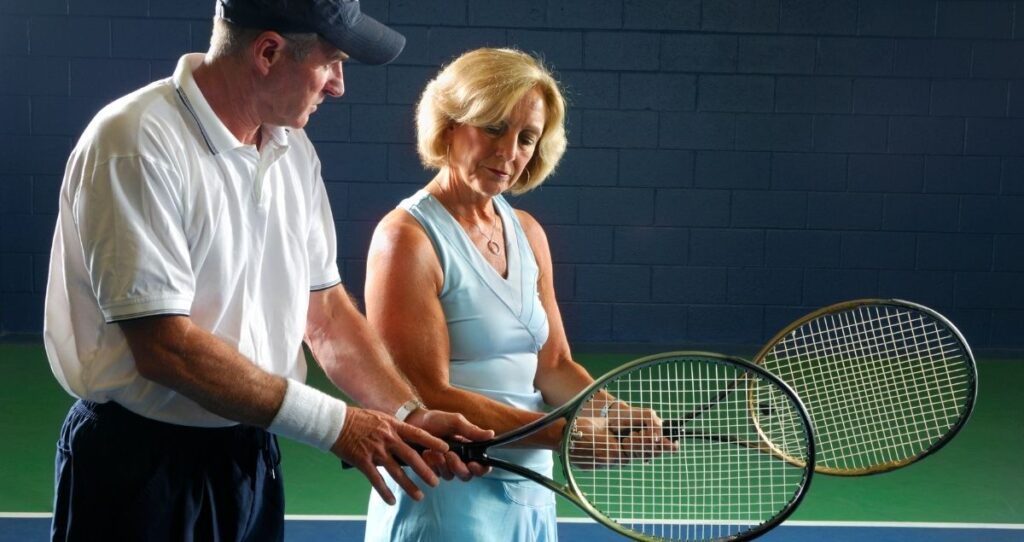
Tailored Footwork and Agility Training for Diverse Skill Levels in Tennis
Footwork mastery isn’t reserved for pros alone — whether beginners grabbing rackets for the first time or seasoned champions tightening their edge, ladder drills adapt to every level. The secret lies in gradual progression, consistent form refinement, and smart recovery strategies.
For novices, simplified drills focusing on rhythm and basic foot placement build the foundation. Exercises like forward runs through the ladder with both feet and basic lateral hops introduce controlled movement without overwhelming complexity. Platforms like beginner footwork drills guides provide stepwise coaching to inspire confidence and prevent early burnout.
Intermediate and advanced players mix in complex sequences emphasizing pace variation and cognitive load, including reaction-based drills that respond to visual or auditory stimuli. Pro packages often feature tools like video analysis and real-time feedback via wearable sensors, tracking stride efficiency and muscle engagement to customize improvement.
- Skill Level Specific Ladder Drill Highlights:
- Beginners: Basic in-and-out stepping, slow lateral hops
- Intermediate: Zig-zag runs, crossover steps, single-leg lateral hops
- Advanced: Double In & Out, Ickey Shuffle, reaction drills
| Skill Level | Focus Areas | Recommended Drills | Additional Tools |
|---|---|---|---|
| Beginner | Coordination & Basic Rhythm | Forward ladder runs, lateral hops | Instructional videos, beginner-friendly gear |
| Intermediate | Agility & Reaction Speed | Zig-zag ladder drills, crossover steps | Wearable sensors, reaction balls |
| Advanced | Complex foot patterns & Explosive power | Double In & Out, Ickey Shuffle | Video analysis, TRX training systems |
Injuries can sabotage progress, yet proper warm-up and adherence to form minimize risk, empowering players to push boundaries. Brands like Puma, Reebok, and New Balance offer specialized footwear supporting these vigorous ladder sessions, combining style with function. Embracing this structured approach, players grow their capabilities steadily, transforming footwork from a challenge into an instinctive weapon on the court.
Meanwhile, for more insights on mastering tennis strokes and strategic foot positioning, consulting trusted resources such as mastering tennis strokes and court positioning fundamentals can round out your complete game development.
FAQ: Footwork & Agility Ladder Drills for Swift Court Movement
- Q: How often should I practice agility ladder drills to see improvement?
A: Consistency is key. Aim for 2-3 sessions per week, focusing on technique before speed. Regular practice over several weeks leads to noticeable gains in footwork and agility. - Q: Can ladder drills help prevent injuries during tennis matches?
A: Absolutely. These drills enhance balance, coordination, and muscle activation patterns, which reduce the risk of sprains and strains common in tennis movements. - Q: Which brand is best for tennis shoes suitable for ladder drills?
A: Brands like Nike, Adidas, ASICS, Puma, Brooks, Reebok, and New Balance offer excellent tennis shoes with the cushioning and grip essential for safe and effective ladder training. - Q: Are agility ladder drills suitable for beginners with no athletic background?
A: Yes, ladder drills can be scaled for all fitness levels. Beginners should start with simple foot patterns and gradually progress to more complex moves as coordination improves. - Q: How do I integrate ladder drills into my overall tennis training program?
A: Ladder drills work well as warm-ups to activate muscles, main agility sessions, or as finishers to challenge endurance. Pair them with strength, plyometric, and reaction exercises for holistic court performance improvement.