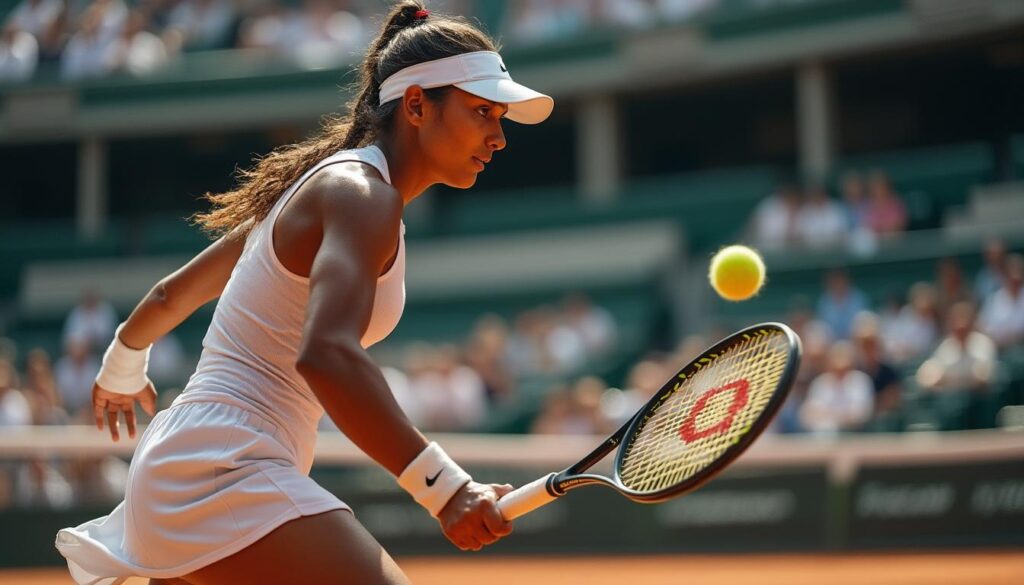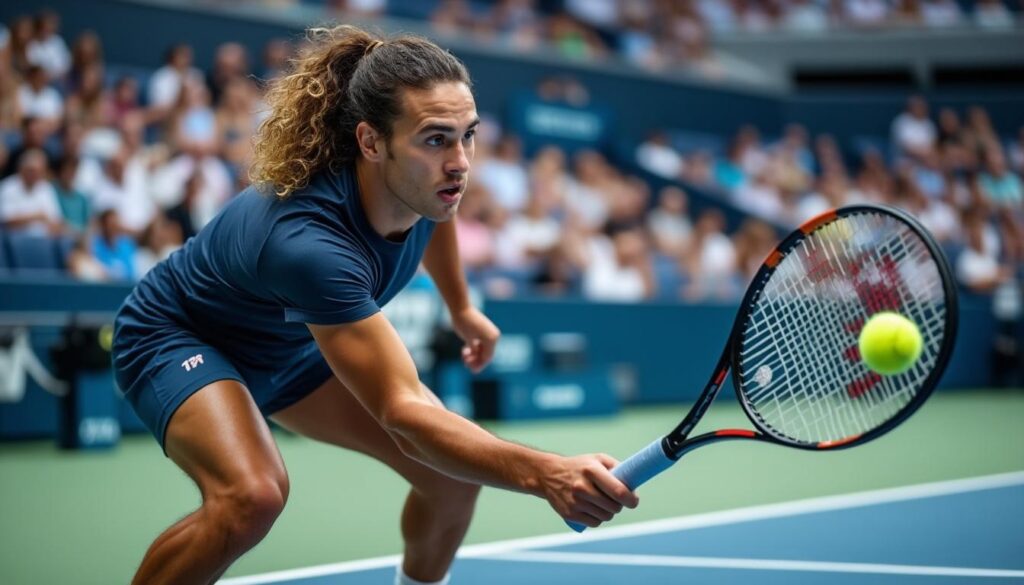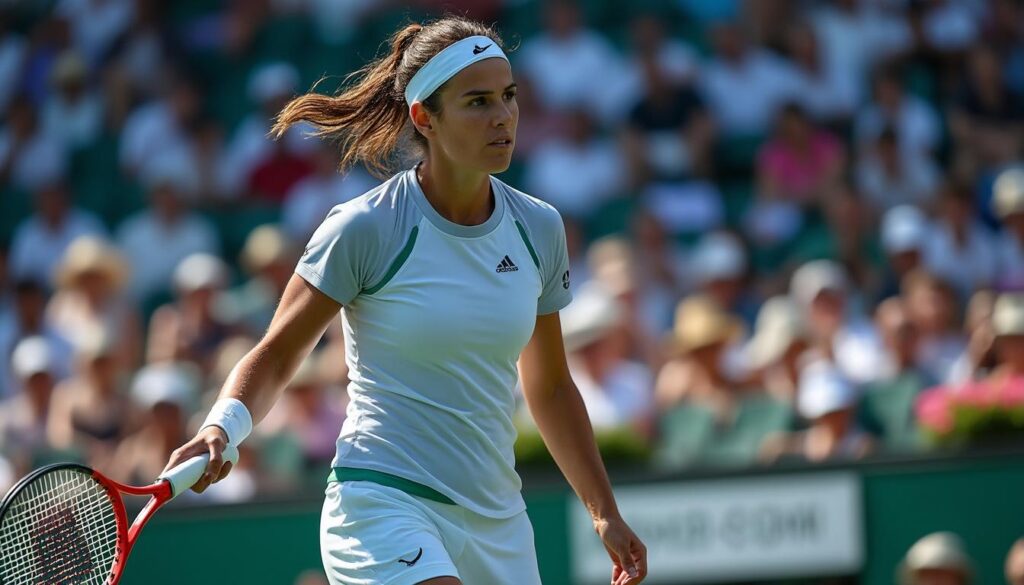
The Asian swing in professional tennis, a high-stakes sequence of tournaments traversing nations from Tokyo to Shanghai, commands not only finesse on the court but also strategic endurance off it. Rising temperatures paired with intense humidity levels create a formidable challenge for players, who must navigate more than just their opponents. Winning here isn’t merely about stroke precision or tactical acumen—it hinges heavily on mastering hydration strategies tailored to these exacting conditions. Whether it’s the networking buzz in the corridors or the on-court battles that test a player’s grit, hydration emerges as a silent yet potent player. From early preparation in hotel rooms to time-sensitive fluid intake during grueling matches, the right hydration plan can tip the scales between triumph and fatigue. This exploration outlines indispensable hydration tactics that empower athletes to sustain peak performance across the stunning yet demanding backdrop of the Asian swing.
Effective Pre-Tournament Hydration: Building a Strong Foundation
Initiating optimal hydration well before the first serve is crucial for enduring the Asian swing tournaments’ climatic strain. Players aiming for a competitive edge start hydrating 24 hours in advance, consuming water consistently throughout the day to saturate their system adequately.
The color and volume of urine serve as natural, simple indicators of hydration status, with a pale yellow tone signaling well-maintained fluid balance. Dark urine reflects dehydration, a perilous state for tennis professionals bound to perform explosive, sustained activity. Nutrition complements hydration at this stage; foods rich in water content—like watermelon, oranges, and cucumbers—contribute significantly to fluid levels, alongside balanced meals that combine carbohydrates for energy, proteins for muscle repair, and fats for sustained fuel.
- Begin early with steady water intake, avoiding last-minute volume spikes that burden the body.
- Monitor natural hydration cues such as urine color to self-regulate fluid consumption.
- Incorporate hydrating foods alongside carefully structured carbohydrate and protein-rich meals.
For tennis enthusiasts eager to refine pre-match preparations through conditioning, specialized drills can increase endurance and complement hydration efforts. These methods, documented comprehensively at Tennis Guide, reinforce physical readiness and fluid retention efficiency.
Table: Pre-Tournament Hydration Indicators
| Urine Color | Hydration Status | Recommended Action |
|---|---|---|
| Clear to Pale Yellow | Optimal Hydration | Maintain current fluid intake |
| Dark Yellow to Amber | Dehydration Risk | Increase water and electrolyte-rich fluids |
| Very Dark or Orange | Severe Dehydration | Seek immediate hydration, possibly medical attention |
Commencing hydration protocols early enables athletes to buffer against the punishing heat and humidity typical during these events, providing a foundation upon which stamina, concentration, and recovery hinge. As the tournament progresses, hydration demands shift dynamically, requiring consistent attention and adaptation.
Smart Hydration Techniques During Matches in High Heat and Humidity
As players battle through rallies laden with heavy footwork and powerful groundstrokes, their hydration approach must adapt to the real-time stresses imposed by the environment and exertion. Small but frequent doses of fluids, approximately 200-300 milliliters every 10-20 minutes, prevent the pitfalls of both dehydration and overhydration.
Electrolyte replacement emerges as an essential feature, replenishing sodium, potassium, and magnesium lost through copious sweating. Drinks like Gatorade, Powerade, and the Asian favorite Pocari Sweat provide scientifically designed electrolyte blends that not only hydrate but also support muscle function and reduce cramping risks.
- Drink strategically: Frequent intake of small amounts aligns better with absorption capabilities than sporadic large gulps.
- Opt for electrolyte-enhanced beverages: Products like Bodyarmor or Celsius can sustain electrolyte levels and energy.
- Avoid overhydration: Balance water with electrolytes to prevent hyponatremia, a dangerous dilution of blood sodium.
Hydration scheduling can take advantage of breaks between points and games, or even warm-up sessions, to maintain fluid balance. For a more scientific approach, players and support teams often calculate sweat rates by measuring weight differences before and after practice, tailoring fluid intake to individual needs—a strategy detailed in reports about athlete hydration during major events, such as those featured at Tennis Guide’s hydration insights.
Aside from beverages, modern hydration tools like Hydro Flask and CamelBak water bottles ensure cooled water availability courtside, vital for managing thermal regulation effectively.
Post-Match Rehydration and Recovery Tactics for Tournament Sustainability
After the fierce exertion of an Asian swing match, immediate and continued rehydration is critical to replenish lost fluids and electrolytes. Drinks containing carbohydrates and electrolytes accelerate glycogen replenishment and restore ion balance, promoting quicker recovery. Products such as Nuun tablets and Ultima Replenisher mixes offer convenience and targeted rehydration for athletes on the road.
Equally important is consuming fruits and vegetables with high water content—cucumbers, strawberries, and oranges—not only aiding rehydration but also providing antioxidants to counter inflammation and oxidative stress from intense physical activity.
During recovery, monitoring hydration markers remains crucial. Persistent dark urine or symptoms like dizziness indicate ongoing dehydration requiring attention. Integrating light stretching routines and gentle cool-down periods aids in muscle recovery, enhancing circulation.
- Rehydrate promptly within 30 minutes post-match with balanced fluids.
- Consume water-rich foods for holistic recovery support.
- Continue hydration over the next 24 hours to solidify rehydration gains and prepare for forthcoming contests.
Players investing in comprehensive recovery protocols, such as those covered in Tennis Guide’s recovery strategies, find themselves better equipped to withstand the grueling tennis schedule typical of this swing.
Environmental Adaptations and Choosing the Right Hydration Gear for the Asian Swing
Acclimatization is indispensable when transitioning across diverse Asian locales where climate can vary significantly. Players fine-tune hydration plans to suit local conditions—whether the muggy subtropical weather of Hong Kong or the soaring temperatures in Bangkok. Adjusting fluid volumes and electrolyte compositions according to humidity and sweat loss rates can prevent unexpected performance drops.
Innovative hydration gear enhances these efforts. The rugged design of CamelBak hydration packs allows for continuous sipping, while insulated bottles like Hydro Flask retain cold temperatures longer, delivering refreshing fluids crucial in oppressive heat.
- Customize fluid strategies by location and environmental conditions.
- Use modern, durable hydration gear for ease and effectiveness.
- Prioritize easy access to fluids during matches and practice sessions.
Leveraging technology, players increasingly incorporate hydration tracking gadgets and apps, linked with their broader tennis analytics tools, to monitor intake and adjust in real-time—a trend gaining attention in 2025 tennis circles, as noted on Tennis Guide. These advances push hydration from reactive to predictive management, enhancing player resilience and readiness.
Integrating Hydration with Nutrition and Mental Preparation for Peak Tournament Performance
Effective hydration interlocks seamlessly with nutritional strategies and psychological readiness. Balanced consumption of carbohydrates, proteins, and fats ensures energy is sustained alongside fluid balance, vital during the long stages of the Asian swing. Avoiding heavy, greasy meals and favoring lighter, nutrient-dense options prevents sluggishness combined with dehydration.
Further complementing physical sustenance, mental preparation techniques—like visualization and positive self-talk—benefit from athletes staying fully hydrated. The clarity and concentration required to perform split-second decision-making on court depend partly on proper fluid levels. Resources on mental toughness and conditioning from Tennis Guide highlight the interconnectedness of mind and body hydration.
- Plan meals providing both energy and hydration, favoring fruits, vegetables, and lean proteins.
- Maintain regular hydration to support cognitive function and focus.
- Combine mental exercises with physical readiness for holistic performance optimization.
Such integrative approaches position players to move beyond just surviving the Asian swing demanding schedule, elevating them toward consistent match-winning performances and career longevity.