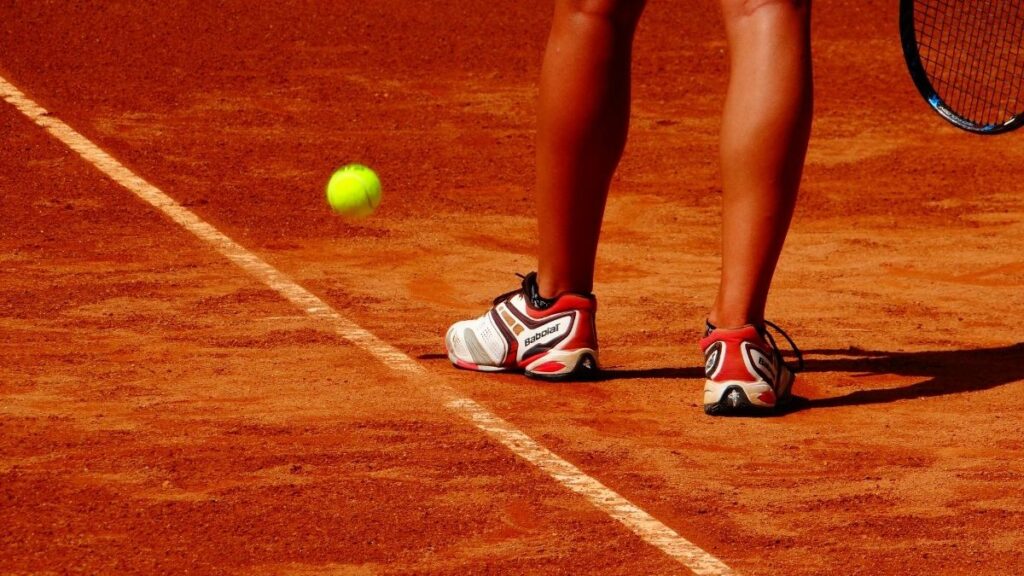
As autumn ushers in a new season of hard court tennis tournaments, the spotlight turns once again to the essential gear that can make or break performance: the right tennis shoes. Hard courts, known for their unforgiving surfaces, demand footwear engineered for durability, support, and exceptional traction. Whether competing in high-stakes tournaments or perfecting your weekend game, selecting the ideal shoe is crucial to maintaining agility and preventing injury as the leaves fall and temperatures dip.
The diversity of players—from weekend warriors to seasoned pros—means that the market is flush with options, each boasting technologies tailored to handle the specific challenges of hard courts. Brands like Nike, Adidas, Asics, and New Balance continually push the boundaries of innovation, crafting shoes that fuse performance with comfort. This guide dives deep into the latest advancements and top picks for hard court tennis shoes, focusing on what truly matters during autumn competition: grip on the slick surface, cushioning for impact absorption, and lateral stability to conquer those rapid sideways movements.
Beyond technology and design, the autumn conditions add another layer of complexity. Cooler temperatures might alter shoe flexibility, while the potential for damp courts calls for models with reliable water resistance or quick-dry materials. Players must balance these factors when investing in their footwear. The right shoes not only elevate on-court performance but also shield athletes from common strains and stress injuries linked to the harsh nature of hard courts.
- Understanding the essential features of hard court tennis shoes for autumn
- Breakdown of top shoe models: pros, cons, and real-world performance
- Step-by-step guide to fitting and maintenance for autumn tournament play
- Addressing common misconceptions and mistakes when choosing tennis shoes
- Expert insights on maximizing shoe longevity and injury prevention through seasonal wear
Mastering Hard Court Performance: Critical Features of Tennis Shoes for Autumn Tournaments
The unforgiving nature of hard courts requires shoes that balance multifaceted demands: durability, grip, cushioning, and support. Each autumn tournament adds its nuances — cooler air temperature can stiffen materials, reducing flexibility, while leaf debris and early morning moisture necessitate superior traction and water management. In this context, understanding the core shoe features tailored for hard courts becomes essential.
Prime among these features is the outsole material and tread design. Hard courts grind down shoe soles faster than any other surface, with abrasiveness leading to rapid wear. Brands like K-Swiss implement advanced rubber compounds — such as the AOSTA 7.0 outsole — renowned for their abrasion resistance and traction. Similarly, New Balance’s FuelCell series employs specialized rubber optimized for hard surfaces, ensuring grip during quick lateral moves and abrupt stops.
Lateral stability ranks next in importance. The rapid side-to-side movements intrinsic to tennis can strain joints and muscles without adequate foot support. Reinforced midsoles equipped with TPU shanks or torsion-resistant technologies prevent twisting, reducing injury risk. Asics Gel-Dedicate 8 and ASICS Gel-Game 9 models excel here, offering gel cushioning systems paired with firm structural support to absorb shock and enhance balance.
Cushioning must also accommodate the powerful footfalls that hard courts impose. Excessive shock transmission can lead to joint stress and impact injuries. Modern shoes integrate multiple layers of foam or gel, ortholite insoles, and honeycomb cushioning to reduce pain and fatigue. Adidas Men’s Gamecourt 2.0 and Fila’s Speedserve Energized shoes stand out for their effective energy return and responsive padding.
Fit and comfort, while universal priorities, demand special attention in autumn tournaments. Cooler temperatures can make common flexible materials more rigid, so players often benefit from shoes that maintain consistent cushioning regardless of weather shifts. Wide toe boxes, such as those found in FitVille’s line designed specifically for hard courts, prevent cramping during long rallies while accommodating foot swelling common after an active day on court.
- Outsole durability with abrasion-resistant high-density rubber like AOSTA or TPU
- Lateral support structures including torsion-resistant shanks and reinforced midsoles
- Advanced cushioning systems: gel inserts, ortholite foam, and honeycomb midsoles
- Climate-adaptive materials ensuring flexibility and moisture management during autumn play
- Ergonomic fit with room in the toe box and arch support tailored to individual needs
| Feature | Benefit on Hard Courts | Example Technology/Model |
|---|---|---|
| High-Density Outsole Rubber | Resists abrasive surface wear, enhances traction | K-Swiss Hypercourt Express AOSTA 7.0 Outsole |
| Lateral Stability Support | Prevents ankle rolling and knee stress | Asics Gel-Game 9 with TPU shank |
| Cushioning Systems (Gel, Foam/Insoles) | Absorbs shock, reduces joint fatigue | Adidas Gamecourt 2.0 with Boost cushioning |
| Wide Toe Box Design | Allows foot expansion and comfort during prolonged play | FitVille Wide Pickleball/Tennis Sneaker |
| Moisture-Resistant Upper | Keeps feet dry, maintains comfort in damp autumn conditions | New Balance FuelCell 796 V4 |
Top Tennis Shoe Models for Hard Courts: Autumn 2025 Edition
As autumn tournaments signal the peak of the hard court season, numerous shoe models vie for the spotlight—each promising unique strengths suited to different player needs and court conditions. Real-world testing by specialists confirms that some brands consistently outperform others in durability, comfort, and grip during this demanding season.
The Nike Air Zoom Cage 4 HC remains a dominant contender due to its blend of robust outsole durability and superior cushioning designed for aggressive play. Known for housing athletes like Rafael Nadal, this shoe offers unmatched lateral stability and a snug fit that withstands intense matches. For players seeking agility with a lighter frame, the Adidas Gamecourt 2.0 offers excellent mobility combined with plush cushioning, making it an ideal choice for autumn tournaments with fluctuating temperatures and court conditions.
New Balance fuels innovation with the FuelCell 796 V4 Hard Court Tennis Shoe, distinguished by its energy-returning midsole and high-traction outsole specifically calibrated for hard courts. Players requiring expansive toe room and extra cushioning often turn to FitVille’s Wide Pickleball/Tennis Sneaker, prioritizing comfort for long sessions while maintaining grip.
Among other noteworthy models, the ASICS Gel-Dedicate 8 delivers solid gel cushioning paired with a stable build, offering affordability without sacrificing performance. The K-Swiss SpeedEx captivates with lightweight design and responsive support, perfect for those who rely on rapid footwork and intense lateral motion. The women’s Fila Speedserve Energized combines stylish aesthetics with performance, leveraging a lightweight frame that reassures in long rallies.
Choosing between these models involves evaluating preferred play styles, foot dimensions, and the specific demands of autumn hard courts. A versatile player who embraces quick cuts may prioritize lightweight agility, while a power-baseline player might seek reinforced support and maximum cushioning. Understanding these nuances ensures a perfect match between shoe technology and on-court demands.
- Nike Air Zoom Cage 4 HC – durability and lateral stability for aggressive players
- Adidas Gamecourt 2.0 – lightweight mobility with plush cushioning
- New Balance FuelCell 796 V4 – energy return and traction for swift moves
- FitVille Wide Pickleball/Tennis Sneaker – spacious fit for comfort during long play
- ASICS Gel-Dedicate 8 – gel cushioning and value-driven performance
- K-Swiss SpeedEx – stylish, lightweight, designed for speed and responsiveness
- Fila Speedserve Energized – combines support and graceful design for women athletes
| Shoe Model | Primary Feature | Best For | Price Range |
|---|---|---|---|
| Nike Air Zoom Cage 4 HC | Maximum lateral support, durable outsole | Aggressive baseline players | High ($120+) |
| Adidas Gamecourt 2.0 | Lightweight, cushioned comfort | Quick movers, all-around players | Mid ($80-$130) |
| New Balance FuelCell 796 V4 | Responsive energy return, top traction | Speed-focused competitors | High ($120+) |
| FitVille Wide Sneaker | Wide fit, comfort cushioning | Players needing room and comfort | Budget (<$80) |
| ASICS Gel-Dedicate 8 | Gel cushioning, stability | Value-conscious players | Budget to Mid ($70-$100) |
| K-Swiss SpeedEx | Lightweight, stylish agility | Speed and quickness emphasis | Mid to High |
| Fila Speedserve Energized | Lightweight with energy boost | Female competitors seeking style | Mid |

Finding the Ideal Fit: A Guide to Tennis Shoe Sizing and Comfort for Autumn Play
Beyond inherent shoe technology, achieving the perfect fit is paramount, especially in autumn tournaments where performance and injury prevention hinge on how well shoes conform to the foot. Understanding sizing nuances, recognizing swelling patterns after prolonged play, and prioritizing arch support can substantially improve comfort and stability.
Tennis players are advised to try on shoes later in the day or after light activity, when feet naturally swell. This approach helps select shoes that won’t become constrictive during matches. Indeed, a shoe that fits well straight off the shelf often tightens after warming up, so considering a half-size up or seeking models with wider toe boxes—commonly featured in FitVille and certain New Balance designs—is advantageous.
Cushioning and support are also critical aspects. Tennis shoes designed with Ortholite insoles or honeycomb structured footbeds like those in ASICS and Adidas models offer enhanced shock absorption. For players with foot conditions like plantar fasciitis or bunions, removable insoles provide an avenue to customize arch support and cushioning further.
Materials must balance snugness with breathability. Cooler autumn days do not mean neglecting airflow, as feet still generate heat during rallies. Mesh panels incorporated into modern shoes such as Nike’s and Yonex lines ensure sufficient ventilation without compromising structure.
Proper lacing technique adds another layer of fit adjustment, preventing the heel from slipping and securing the midfoot for sharp directional changes. Players are encouraged to use tailored lace patterns and consider occasional re-tying during warm-ups to maintain optimal fit throughout the match.
- Try shoes late in the day or after warm-up to account for foot swelling
- Opt for wide toe box models if experiencing foot cramping or bunions
- Leverage Ortholite or honeycomb insoles for enhanced cushioning and support
- Seek shoes with mesh ventilation to balance warmth and airflow
- Customize lacing techniques to prevent heel slippage and improve midfoot stability
| Fit Factor | Recommended Approach | Suggested Shoe Features or Brands |
|---|---|---|
| Foot Swelling Adaptation | Try shoes in afternoon/evening; consider half size up | FitVille wide models, New Balance wide options |
| Arch Support | Opt for shoes with Ortholite insoles or removable arch pads | Asics Gel-Dedicate 8, Adidas Gamecourt 2.0 |
| Breathability | Choose shoes with mesh uppers or ventilation zones | Nike, Yonex tennis shoes with engineered mesh |
| Heel Fit | Use specialized lacing techniques, heel counters | New Balance FuelCell 796 V4, K-Swiss SpeedEx |
For those exploring detailed techniques on footwork and court movement to complement their footwear choice, resources such as split-step timing drills offer valuable training to enhance responsiveness on hard courts. Furthermore, understanding the distinction between recovery shoes and match shoes helps players plan their usage and care effectively (read more here).
Video reviews like the above provide visual demonstrations and deeper insights into shoe performance, cushioning, and durability during competitive play on hard courts in diverse weather conditions.
Common Pitfalls in Selecting Tennis Shoes for Hard Courts and How to Avoid Them
Choosing tennis shoes may seem straightforward, but common mistakes can severely limit both comfort and competitive edge. One of the most frequent errors is focusing solely on price. While affordable options have their place, low-cost shoes often compromise on outsole durability and support, leading to rapid wear especially on abrasive hard courts.
Another pitfall is trusting marketing claims at face value. Buzzwords like “ultra-flexible” or “advanced cushioning” can mislead consumers without real-world proof. Scrutinizing verified player reviews and seeking hard court-specific performance feedback—such as those featured in expert-tested lists—will better inform choices.
Neglecting the long-term costs is also a persistent issue. Continuously replacing shoes every few weeks due to poor durability actually inflates expenses compared to investing in mid-range or premium models that last through an entire tournament season and beyond.
Lastly, ignoring individual play style and foot anatomy can lead to injuries. Shoes ideal for lightweight baseline players might fail lateral stability tests for aggressive net players. Rigid shoes without proper cushioning can worsen joint strain, especially in autumn when muscles and ligaments might be less warm.
- Avoid purchasing cheapest options without durability assurance
- Research genuine user feedback rather than relying on advertising
- Calculate cost over usage lifespan, not just initial price
- Match shoe features with specific play style and foot condition
- Consult trusted tennis equipment guides for detailed recommendations
| Common Mistake | Impact | How to Avoid |
|---|---|---|
| Choosing Solely Based on Price | Rapid wear, decreased support, injury risk | Balance price with durability and support features |
| Believing Marketing Claims Blindly | Misaligned performance expectations | Read verified player reviews and material specs |
| Ignoring Usage-Based Cost Analysis | Higher spend over time due to replacement frequency | Invest in quality models with proven longevity |
| Neglecting Play Style and Fit | Increased injury risk and discomfort | Choose shoes according to personal foot dynamics |
For players interested in reducing injuries associated with improper footwear, expert guides such as injury prevention strategies can be vital additions to their tennis knowledge base.
This visual content offers actionable advice to avoid common footwear errors and maintain peak physical condition throughout the demanding autumn tournament circuit.
Maximizing Shoe Longevity and Tournament Readiness: Maintenance and Care Tips for Autumn Hard Court Footwear
To protect shoe investment and maintain peak performance throughout autumn’s rigid tournament schedule, diligent shoe maintenance is indispensable. Hard courts’ abrasive nature can accelerate sole wear and degrade cushioning, but a few targeted actions can extend lifespan significantly.
First, cleaning the outsole after every match removes debris and grit that erode traction patches. Gentle brushing combined with mild soap and water maintains rubber integrity without damaging materials. Avoid washing machines as they can deform shoes and break down adhesives.
Shoe drying techniques also impact longevity. Rather than placing shoes near direct heat, which compromises flexibility, using air drying in well-ventilated areas protects cushioning layers. Replacing insoles periodically preserves comfort and shock absorption.
For players competing intensively, rotating between two pairs of shoes ensures that moisture and impact stresses are distributed, allowing each pair to recover and retain performance levels. Additionally, monitoring tread depth is crucial; once tread patterns flatten noticeably, switching to a new pair reduces slip risk on damp autumn courts.
Storage best practices include using shoe trees or stuffing shoes with newspaper to maintain shape and absorb residual moisture post-play. Special attention to laces and eyelets avoids mid-match failures that can disrupt focus.
- Clean outsoles after each use to preserve traction
- Air dry shoes away from direct heat sources
- Rotate pairs to allow material recovery
- Replace insoles periodically for cushioning effectiveness
- Monitor tread wear and replace shoes promptly
- Use shoe trees or stuffing to maintain shape between uses
| Maintenance Tip | Benefit | Recommended Practice |
|---|---|---|
| Cleaning Outsoles | Prevents traction loss and material wear | Brush off dirt after every match |
| Air Drying | Preserves cushioning and flexibility | Dry shoes in shaded ventilated area |
| Rotation of Pairs | Improves durability by spreading wear | Alternate between two pairs for tournaments |
| Periodic Insole Replacement | Maintains shock absorption and comfort | Replace after 6-8 months of heavy use |
| Use of Shoe Trees | Retains shoe shape and absorbs moisture | Insert shoe trees after every use |
For a comprehensive overview on maintaining footwear suited for hard courts, consult specialized guidelines such as the advice in our durability and maintenance article.
Practical tutorials like this video empower players with step-by-step instructions for preserving their tennis shoe’s performance during demanding tournament seasons.