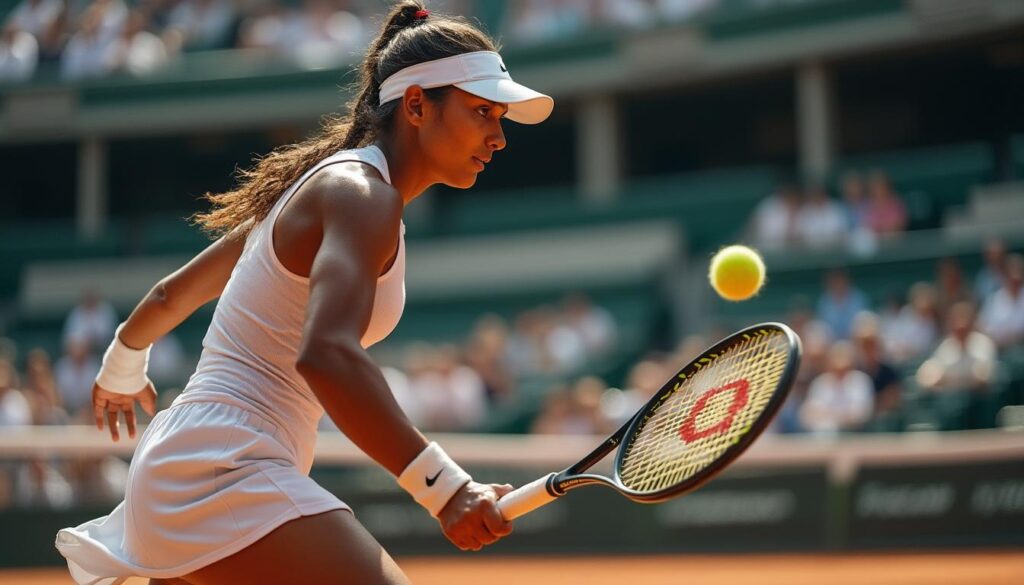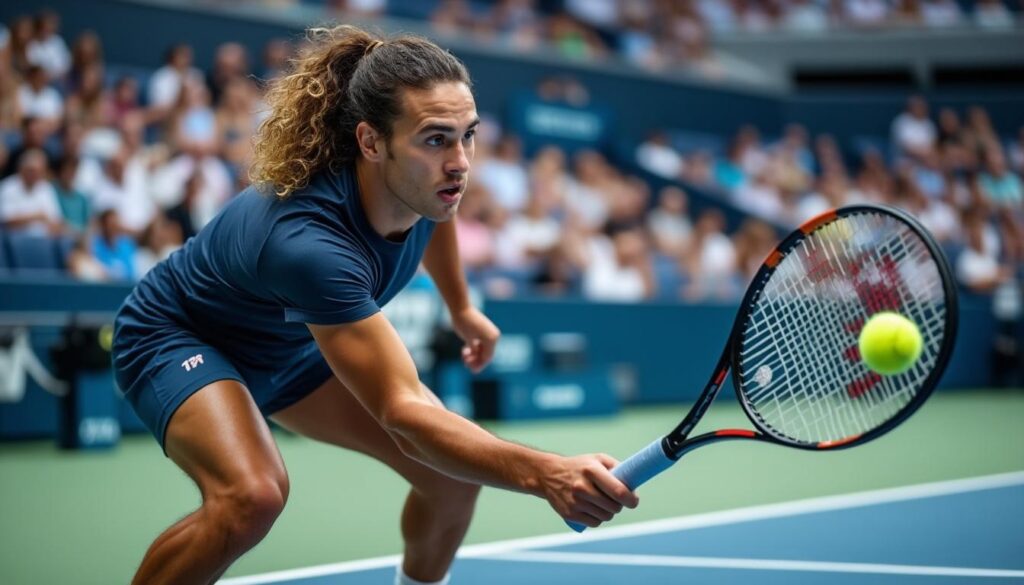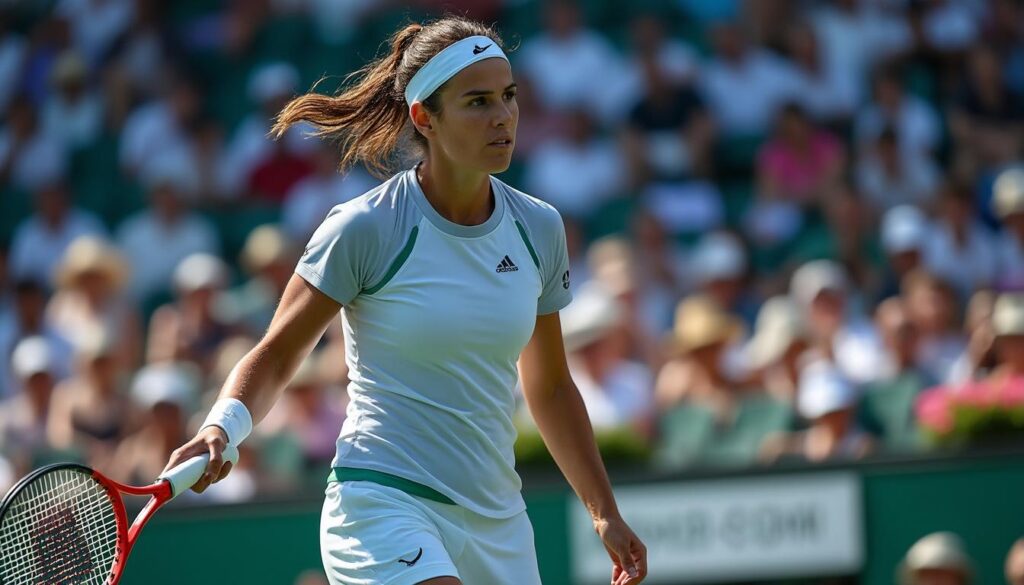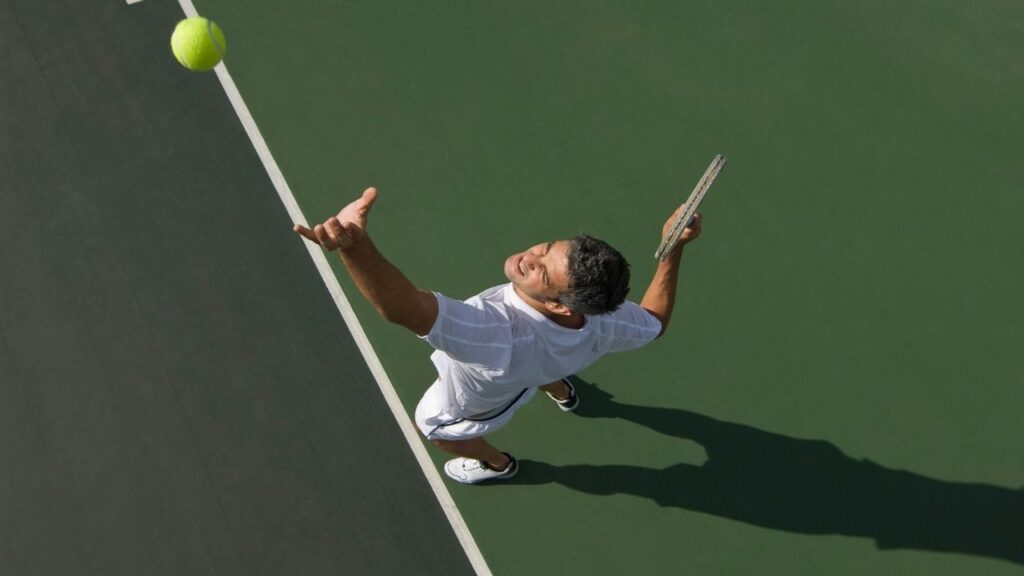
The Moselle Open, staged on fast indoor hard courts in Metz, France, demands peak physical condition and tactical agility from its competitors heading into November 4th. As the ATP 250 tournament fits snugly into the European indoor hard-court swing, players and coaches are honing training regimens tailored to optimize performance on this unforgiving surface. The pace and reduced friction indoors create a different rhythm and intensity, challenging athletes both physically and mentally. Conditioning plans crafted to mirror the dynamic energy and rapid movements intrinsic to indoor hard-court tennis become vital to rising above the competition.
Indoor hard courts accelerate ball speed, pushing players to sharpen footwork, reaction times, and endurance. Precision and speed combine with brute strength and explosive power. Players come off high-speed backhands, sudden stops, and quick directional changes. Conditioning programs that replicate these demands focus on anaerobic bursts complemented by aerobic stamina, ensuring energy reserves don’t run dry during key match moments. Awareness of hydration, nutrition timing, and recovery protocols also converge to sustain peak fitness levels throughout this intense segment of the tennis calendar.
As the Moselle Open heralds the European indoor season onset, the elite line-up contends with tight match schedules and the challenge of maintaining resilience against a star-studded field. Conditioning must encompass the full spectrum: strength, speed, agility, mental toughness, and effective recovery strategies. Slowly but surely, the layers of physical readiness build through disciplined court drills, gym strength regimens, and sport-specific endurance training. Incorporating the latest innovations by brands such as Nike, Adidas, and Under Armour, athletes are primed for success, blending science and grit to command each hard-court battle.
Exploring conditioning plans from progressive tennis academies to professional camps reveals a pattern: a high emphasis on tailored workouts that echo match day movement and intensity. The training blueprint integrates equipment from Wilson and Technogym, combining strength machines, core stabilizers, and agility setups. Nutritional insight, often supplemented by Gatorade hydration protocols, primes players like clockwork. This holistic approach helps flatten injury risks that could disrupt tournament momentum—a lifeline explored deeply in other major competitions like the Wuhan Open. The Moselle Open’s conditioning framework is more than just preseason; it is a finely tuned quest for endurance mastery.
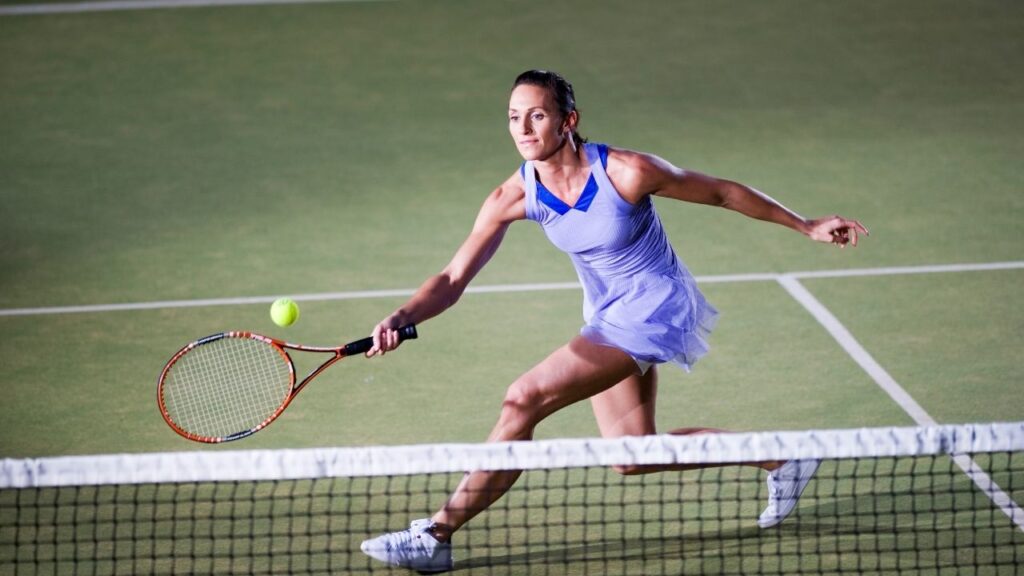
Strategic indoor hard-court conditioning: adapting training for Moselle Open demands
Indoor hard-court surfaces differ drastically from clay or grass, requiring athletes to recalibrate their conditioning focus, specifically on speed, acceleration, and lateral quickness. The quicker court speed intensifies rallies, demanding fierce, explosive movements while minimizing energy leaks during recovery intervals. Training involves interval-style drills often inspired by programs such as the match-ready fitness training seen in recent ATP events.
Conditioning strategies here revolve around three core components:
- Explosive power and acceleration: Short sprints, bounding drills, and plyometrics mimic court bursts.
- Lateral agility and change of direction: Cone drills and slide control exercises adapt footwork to the slick indoor surface.
- Muscular endurance and recovery: Resistance training combined with smart interval aerobics build stamina for long rallies.
The challenge is balancing these elements without overtraining. Many players incorporate advanced tools from Technogym to monitor fatigue and recovery. These devices provide immediate feedback, linking physical output with optimal rest periods. Moreover, strength training with branded gear from Under Armour or Reebok supports muscular fortification vital for injury prevention on hard courts. The indoor context also demands adaptation to a controlled climate, which can affect hydration and muscle responsiveness.
Nutrition plans align closely with this conditioning scheme. Carbohydrate timing and electrolytes intake, typical of Gatorade protocols, are essential to sustaining energy turnover during high-intensity intervals. The training regimen encourages hydration strategies endorsed by sports scientists to manage heat and muscle cramps effectively. Conditioning experts recommend tracking nutritional markers as diligently as physical performance, a lesson strengthened by insights shared in the match day fueling studies.
For junior players and those new to indoor competition, conditioning programs gradually increase intensity, incorporating flexibility and balance drills to accommodate surface-specific challenges. This foundation underpins success on faster venues, helping emerging talent thrive alongside seasoned pros.
| Conditioning Focus | Drill Examples | Equipment | Benefits |
|---|---|---|---|
| Explosive Power | Short sprints, box jumps, plyometric push-ups | Technogym plyometric boxes, resistance bands | Enhances quick starts, improves shot preparation speed |
| Lateral Agility | Cone drills, side shuffles, slide control | Poles, agility ladders | Boosts court coverage and rapid directional changes |
| Muscular Endurance | Resistance circuits, interval running | Reebok kettlebells, Under Armour resistance bands | Improves long rally resilience and reduces fatigue |
Mental endurance and resilience: crucial conditioning layers for the Moselle Open
Tennis indoors is not just a physical chess match but a subtle mental war. The confined spaces, consistent lighting, and crowd noise shape a different psychological arena than outdoor events. Players develop mental toughness routines rooted in breathing exercises, cue-word plans, and short resets prevalent in indoor hard-court circuits such as the Paris Masters.
Mental conditioning programs often work hand-in-hand with physical training to sharpen focus under pressure. Techniques include:
- Breath ladders: Controlled breathing exercises to activate relaxation and composure.
- Cue-word strategies: Personalized mantras or cues to maintain focus during crucial points.
- Visualization and rehearsals: Mental rehearsal of match scenarios to prepare responses to momentum swings.
The mental game frequently separates the winner from the rest in tournament settings marked by compressed scheduling and intense competition. A well-conditioned mind optimizes recovery between points and matches, maintaining poise that can make all the difference in tight rallies or tiebreaks. Integrating these tactics into the routine enhances not only performance but athlete longevity.
Sports psychologists and trainers collaborate closely with players, tailoring mental plans alongside physical rehearsals. The synergy between both is evident in the rise of tennis stars successfully adapting to the demands of the European indoor season. Techniques promoted by leading athletic wear companies like Lululemon emphasize mindfulness and holistic wellness, uniting physical readiness with mental strength.
For more insight into developing match day mental fitness, experts recommend detailed studies found on platforms covering tennis tech and gadgets that assist in mental training.
| Technique | Description | Purpose | Implementation Examples |
|---|---|---|---|
| Breath Ladders | Sequential breathing exercises | Control heart rate and reduce anxiety | Pre-match breathing, during changeovers |
| Cue Words | Key motivational triggers | Maintain focus and confidence | “Reset”, “Focus”, “Attack” during critical points |
| Visualization | Mental rehearsal of scenarios | Prepare for pressure moments | Imagining effective serve returns and baseline rallies |
Integrating technology and equipment in indoor conditioning for peak Moselle Open form
Advances in sports equipment and training technology help players target weaknesses and enhance strengths with precision. Leading brands such as Wilson and Asics contribute state-of-the-art footwear, rackets, and apparel designed for the needs of indoor hard courts, emphasizing durability and performance balance to offset tough court impacts.
Training facilities increasingly rely on Technogym machines to tailor cardiovascular and strength sessions specifically for tennis. These machines provide measurable data points allowing coaches to individualize sessions, increasing efficiency and reducing injury risk. Strengthening the core, a vital area emphasized in programs like tennis core strength trends, is facilitated by targeted equipment favored in premium gyms.
Footwear created by Adidas and Puma provides superior grip and ankle support needed for sudden direction changes and stop-start demands indoors. This specialized design helps players reduce slippage and maximize push-off power. Meanwhile, apparel from Lululemon offers breathable yet compressive fabrics, aiding muscle recovery and reducing fatigue.
When it comes to hydration and replenishment, Gatorade remains a staple sponsor, delivering scientifically developed products that maintain electrolyte balance during intense indoor drills and matches. Accessibility to high-tech recovery suites featuring hyperice compression and cryo-therapy facilities, such as those found in EōS Fitness centers, prepare athletes for sustained high performance throughout the tournament.
Regularly updated tennis tech gadgets, from smart wearables to posture monitoring sensors, track player movement and biomechanics. These tools create actionable data to refine technique and adjust fitness plans in real-time, ensuring the Moselle Open hopefuls are always at their best.
| Equipment Type | Brands | Functions | Benefits |
|---|---|---|---|
| Court Footwear | Adidas, Puma, Asics | Grip, support, agility | Reduces injury risk and improves court movement |
| Strength & Conditioning Machines | Technogym | Targeted muscle training, data tracking | Optimizes training efficiency and injury prevention |
| Recovery Gear | Hyperice, CryoLounge | Compression therapy, cryotherapy | Speeds up muscle recovery and reduces inflammation |
Mastering energy systems for indoor hard-court endurance and match readiness
Success at the Moselle Open hinges on mastering energy system conditioning that complements the short, explosive bursts with periods of active recovery typical of indoor hard-court tennis. Understanding and training aerobic and anaerobic pathways enhance match readiness and help athletes maintain intensity deep into third sets.
High-intensity interval training (HIIT) is a cornerstone method, combining fast sprints with recovery intervals designed to replicate match stress. Research supports that efficient energy system training translates directly to improved shot selection and rally sustainability as seen in elite tournaments near Paris (shot selection insights).
Players often cycle through training zones, focusing on:
- Phosphagen system development: For explosive power and quick reactive movement used in serve and volley.
- Glycolytic system boosting: To endure longer rallies and maintain aggressive baseline play.
- Aerobic conditioning: To aid recovery during changeovers and between matches in a packed tournament schedule.
Periodized training plans integrate strength, speed, and recovery phases with scientific fueling. Proper carbohydrate timing and hydration sustain blood glucose levels, delaying fatigue. Nutrition strategies researched in tennis circles, including approaches during the post-tournament recovery, influence conditioning outcomes. This holistic energy management underpins effective on-court performance and injury prevention.
Fitness professionals increasingly turn to customizable programs available through digital platforms, including structured HIIT tennis conditioning guides tailored for indoor hard courts (comprehensive HIIT protocols), ensuring players align physical progress directly with competitive demands.
| Energy System | Training Focus | Typical Exercises | Competitive Benefits |
|---|---|---|---|
| Phosphagen | Explosive power bursts | Short sprints, plyometrics | Improved serve speed, rapid court coverage |
| Glycolytic | Anaerobic endurance | 400m runs, shuttle sprints | Enhanced rally durability and shot consistency |
| Aerobic | Recovery and stamina | Steady-state jogging, cycling | Faster recovery and sustained energy across matches |