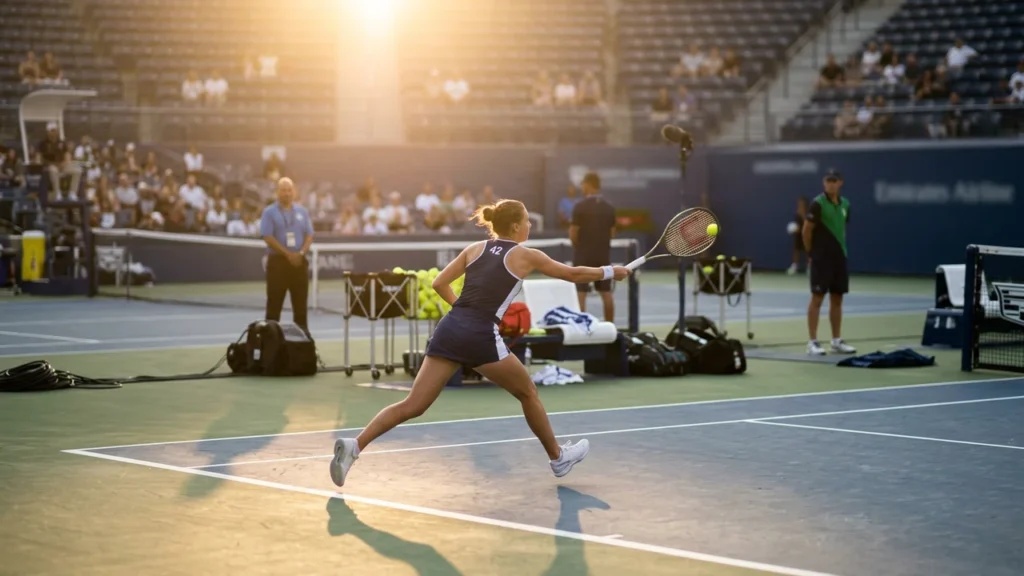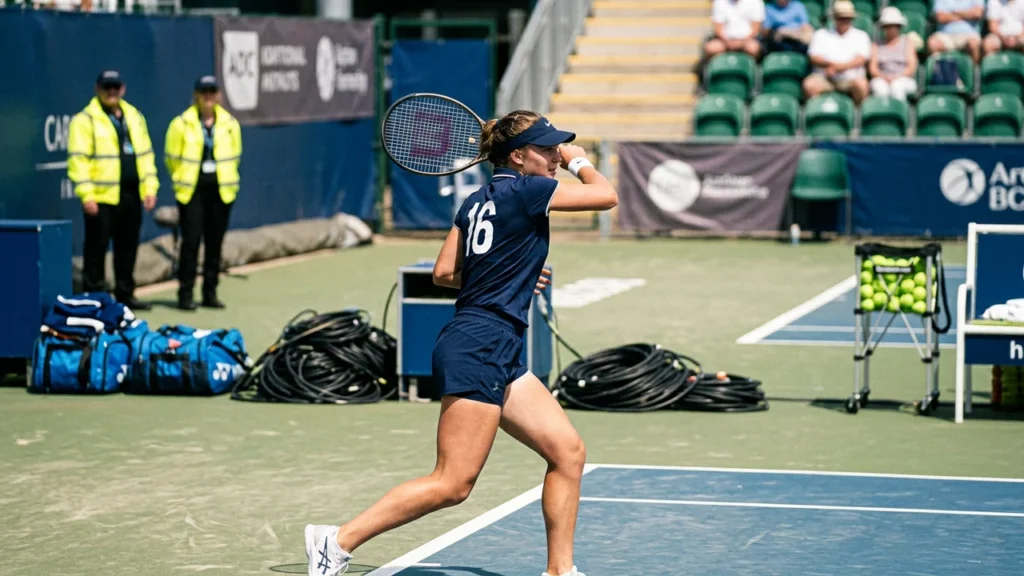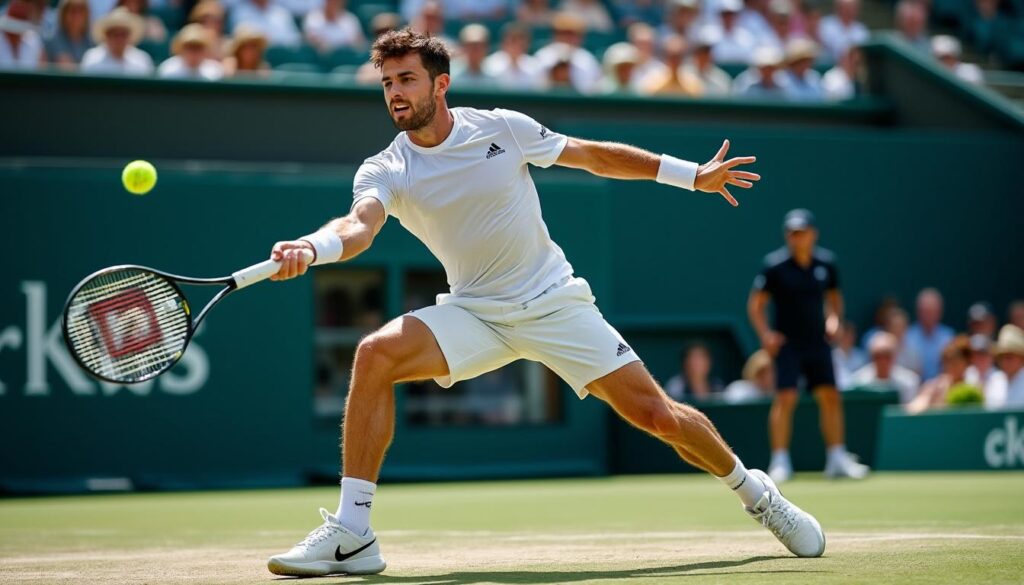
The 2025 Australian Open Asia Pacific wildcard playoff on November 26th showcased an electrifying matchup between Yosuke Watanuki and Jie Cui — a clash that transcended the usual baseline battle, delivering a masterclass in aggressive baseline tennis training. Both players brought their A-game to the court, turning strategy into spectacle and pushing the limits of what raw power and tactical footwork can achieve. This encounter offered more than just a nail-biting result; it unveiled vital lessons for players and coaches aiming to dominate from the baseline with relentless aggression and precision. As Watanuki edged out Cui with a 7-6, 6-3 victory, the duel illuminated the nuances of fitness, technique, and mental grit required in high-stakes playoff tennis within the Asia Pacific region.
In the high-octane atmosphere of the wildcard playoff — a gateway into the grand slam spotlight — Watanuki and Cui’s battle was more than just a test of skills; it was an education in tennis strategy at its rawest. This match cemented aggressive baseline play as a dominant force shaping modern tennis success, underscored by searing groundstrokes, blistering serves, and explosive footwork. For players eyeing the Australian Open main draw, their performance carved a blueprint for harnessing the baseline’s full potential. From serve placement to groundstroke consistency, every shot was a statement in control and calculated risk. This analysis delves deep into how this performance refines the principles of baseline training and what the broader tennis strategy community can extract from this thrilling player matchup.
Understanding the lessons etched in this playoff clincher is essential not only for Asia Pacific contenders but for tennis enthusiasts worldwide eager to elevate their game to professional standards. The intensity witnessed here inspires a new generation to embrace rigorous baseline conditioning, focused drills, and tactical agility — all indispensable for thriving in the cutthroat environment of 2025’s global tennis circuits.
Key takeaways include:
- The importance of combining shot aggression with refined footwork for baseline dominance.
- How serve and return statistics impact match flow and player confidence.
- Practical elements that define robust baseline training programs post-2025.
- Understanding mental toughness strategies under playoff pressure.
- The critical role of game analysis in evolving competitive tennis approaches.
Watanuki vs Cui: An Intense Showcase of Aggressive Baseline Tactics at the Wildcard Playoff
The intense Round of 16 battle at the Australian Open Asia Pacific wildcard playoff was a pure embodiment of aggressive baseline tennis. Yosuke Watanuki, seeded fourth, faced off against Jie Cui from China, delivering fireworks from the baseline with gagging, relentless shot-taking and tactical depth. This match was not just about who won — it was about how the players leveraged aggressive baseline training techniques honed over years to press their advantage relentlessly.
Watanuki’s 73.8% pre-match predicted chance to win was justified by his superior stats and on-court control:
| Statistic | Yosuke Watanuki | Jie Cui |
|---|---|---|
| Aces | 7 | 2 |
| Double Faults | 6 | 3 |
| 1st Serve Points Won | 37/48 (77%) | 32/52 (62%) |
| 2nd Serve Points Won | 9/16 (56%) | 7/11 (64%) |
| Break Points Saved | 3/5 | 2/5 |
| Service Games Won | 7/7 (100%) | 5/7 (71%) |
| Return Games Won | 1/5 (20%) | 4/11 (36%) |
The numbers reveal Watanuki’s dominance in serving, translating aggressive baseline play into sustainable pressure on Cyl’s game. The match demonstrated how power combined with precision footwork and shot execution disrupts opponents’ rhythm effectively. Cui, despite fewer aces and more double faults, showcased remarkable tenacity, illustrating the crucial balance between offense and resilience.
This duel underscores how a high-powered aggressive baseline approach, when paired with reliable serve stats, can set the pace and command court control during intense playoff scenarios like the Australian Open wildcards. It’s a reminder that baseline trainers must emphasize serve consistency and explosive footwork simultaneously, a synergy that keeps opponents on the back foot while minimizing errors under pressure.
Footwork and Shot Execution: The Twin Pillars of Baseline Dominance
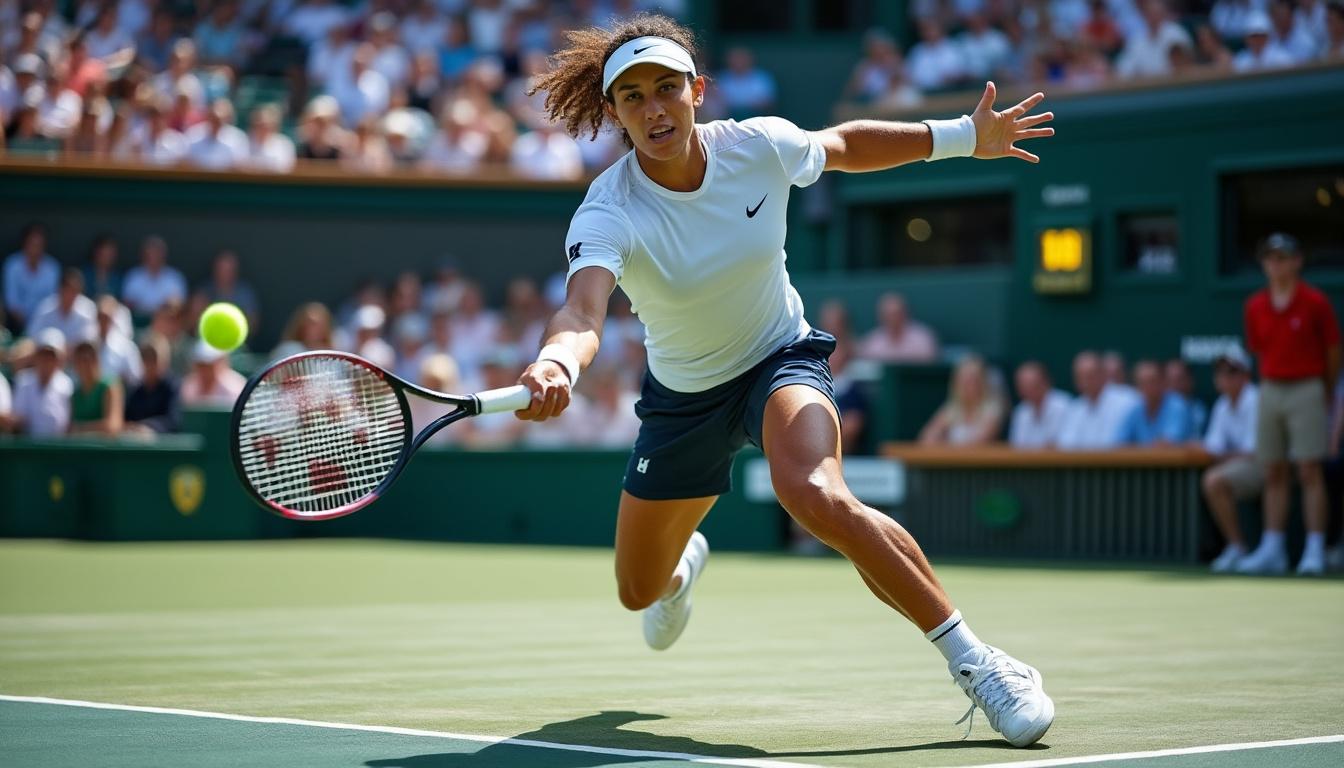
Watanuki’s ability to execute deep and accurate groundstrokes repeatedly stems from an arsenal rooted in aggressive baseline conditioning. His explosive footwork, which allowed him to set up for shots perfectly, reflects the latest insights shared in footwork and explosiveness training. Agile foot placement enables players to move freely while maintaining stroke power, a fundamental of aggressive baseline play.
- Quick transition between offense and recovery phases protects against counterattacks.
- Engaging key muscle groups ensures energy-efficient movements and shot potency.
- Training drills that integrate lateral sprints and shadow tennis build muscle memory for quick response.
Cui’s posture and counterpunching style highlighted the dangers of underestimating defensive baseline mechanics, especially against high-caliber offenses. This match teaches that a successful baseline player must not only attack but possess the agility and mental discipline to absorb and redirect pressure.
Shaping Tennis Strategy Through Serve and Return Dynamics in Asia Pacific Wildcard Matches
The intensity of serve and return games in this playoff revealed subtle strategic chess matches beneath the baseline fireworks. Watanuki’s precise forehand placement often dictated return positioning, forcing Cui into defensive stances. The winning formula? Anticipation paired with aggressive serve placement.
Key components of serve and return strategy demonstrated:
- 1st Serve Precision: Watanuki’s 77% first serve points won exerted formidable pressure immediately, a tactical weapon for aggressive baseline players.
- Reading the Opponent: Baseline players must adjust their return positioning dynamically to neutralize powerful serves—a tactic Cui tried but struggled under consistent pressure.
- Changing Serve Speeds & Angles: Mixing flat, slice, and kick serves breaks the receiver’s rhythm, keeping them constantly guessing.
- Return split-step timing: Cui’s timing occasionally faltered, highlighting the necessity to master the split step for effective returns.
- Follow-up Baseline Engagement: Controlling the rally after a successful return sets the tone for aggressive baseline dominance.
Here’s how serve and return stats shaped match momentum:
| Aspect | Watanuki | Cui |
|---|---|---|
| Total First Serves In | 48 | 52 |
| Winners on 1st Serve | 28 | 18 |
| Break Points Converted | 1/5 | 5/14 |
| Return Points Won | 20/66 (30%) | 71/130 (55%) |
Advanced aggressive baseline training must integrate serve and return drills to reflect these high-level dynamics seen in playoff encounters. Combining pressure serve placement with patient but explosive return readiness is crucial for Asia Pacific hopefuls preparing for Australian Open wildcard opportunities.
Training Drills to Enhance Serve and Return in Aggressive Baseline Play
- Serve placement drills: Targeting corners and varying serve speed to keep returns off-balance.
- Split-step timing exercises: Utilizing shadow tennis to reinforce anticipation and fast response.
- Return drills combining foot speed and racket positioning: Emphasizing early preparation and quick recovery.
- Simulated baseline rallies incorporating serve follow-up: To train endurance and shot selection under pressure.
How Watanuki vs Cui Illuminates Mental Toughness in High-Stakes Tennis Playoff Battles
Beyond physical technique and aggressive baseline prowess, the Watanuki versus Cui fixture spotlighted the invisible battlefield of mental fortitude. Contests like these in the wildcard playoff create intense psychological stress, demanding unwavering concentration and resilience.
Throughout the match, both players faced critical moments requiring clutch performance:
- Saving break points under pressure required a calm mindset combined with tactical shot choice.
- Maintaining confidence despite errors and fluctuations in momentum was vital.
- Reading and anticipating opponent shot patterns to stay a step ahead mentally.
- Managing fatigue and emotions in long baseline exchanges, crucial for sustained aggression.
Watanuki’s steadiness during tiebreaks and Cui’s persistence in fightbacks provide vivid examples of how mental and physical training dovetail on the court. Baseline training regimes in the post-2025 era now increasingly integrate sports psychology components to prepare players for high-stakes moments effectively.
- Visualization techniques to mentally rehearse baseline rallies.
- Breathing and focus drills to manage on-court anxiety.
- Scenario play to simulate pressure points mimicking wildcard playoff atmospheres.
- Increased emphasis on recovery protocols to sustain mental sharpness.
Designing Effective Training Programs Inspired by the Wildcard Playoff’s Aggressive Baseline Themes
The thrilling contest between Watanuki and Cui at the Australian Open Asia Pacific wildcard playoff serves as a clarion call for modern tennis trainers to refine their baseline training agendas. Embracing an aggressive baseline ethos means developing physical and tactical competence to control rallies and dictate play tempo.
Key elements for training development include:
- Focused footwork drills combining lateral speed, explosive starts, and directional agility, keyed into findings from footwork and explosiveness baseline research.
- Shot precision enhancement routines that include varied spin and pace to unsettle opponents.
- Serve-and-volley drills indoors to complement baseline play, enhancing net approach versatility (serve-volley drills).
- Stamina and endurance conditioning to sustain aggressive baselining across marathon matches (endurance drills).
- Integrating mental toughness practices as part of the training matrix (mental toughness circuit).
A robust training template inspired by this playoff match helps emerging Asia Pacific players tailor their approach towards aggressive baseline mastery, crucial for the Australian Open and beyond. This multidimensional strategy blends physical conditioning, tactical finesse, and psychological preparedness into one cohesive system.
| Training Focus | Drill/Exercise | Desired Outcome |
|---|---|---|
| Footwork | Lateral sprints, shadow tennis | Improve court coverage and explosive movements |
| Shot Execution | Spin and pace variation drills | Unsettle opponent’s rhythm and create openings |
| Serve & Return | Serve placement, split step timing | Maximize pressure and anticipation |
| Endurance | Interval stamina training, simulated rallies | Sustain high-level baseline aggression |
| Mental Toughness | Visualization, breathing drills | Maintain focus during critical points |
What does aggressive baseline training emphasize in tennis?
Aggressive baseline training focuses on developing powerful groundstrokes, explosive footwork, precise shot placement, and endurance to dominate rallies from the baseline while maintaining control and strategic advantage throughout the match.
How can players improve their serve and return game for baseline dominance?
Players can enhance their serve and return by practicing targeted serve placement drills, mastering split-step timing for quick reactions, and combining foot speed with racket positioning to handle aggressive baseline opponents effectively.
Why is mental toughness crucial in wildcard playoff scenarios?
Mental toughness allows players to stay focused under pressure, manage momentum swings, and execute crucial shots when stakes are high, which can determine the outcome in high-stress playoff matches.
What role does footwork play in aggressive baseline tennis strategy?
Footwork is foundational; it enables quick court coverage, sets up balanced positions for powerful shots, and allows players to transition smoothly between defense and offense, which is essential for maintaining baseline control.
How can coaches create training programs that reflect the demands of modern baseline tennis?
Coaches should integrate drills that build explosiveness, shot consistency, endurance, and mental resilience, combining physical and psychological exercises to build a comprehensive aggressive baseline tennis skillset.