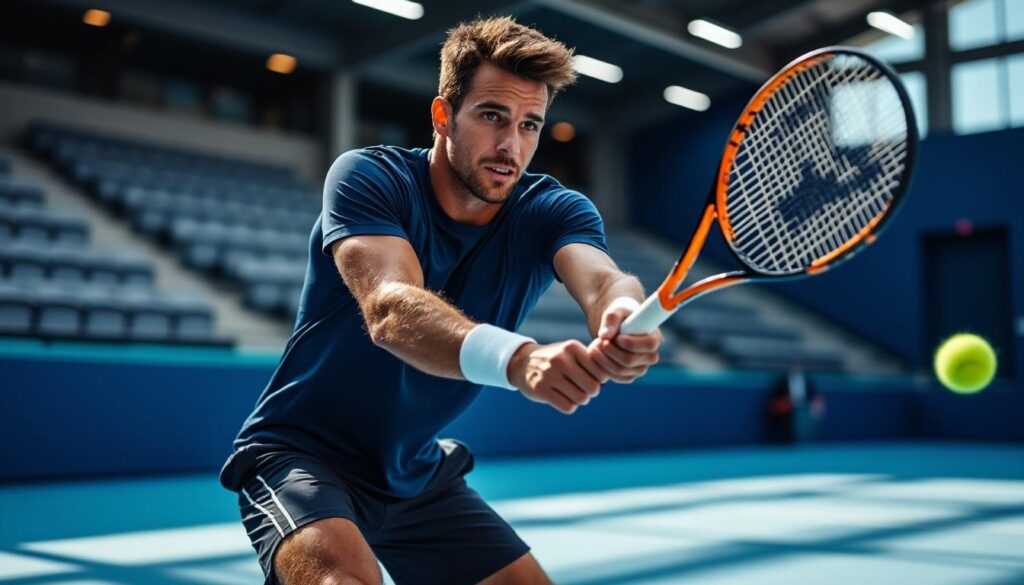
As the chill of late November 2025 sets in, tennis players face the critical challenge of adapting their gear to vastly different court environments: the fast-paced, unforgiving indoor hard courts and the sweltering, gritty hot clay surfaces. This seasonal transition demands more than just a change in attire; it transforms the essentials tucked carefully inside a tennis bag. Packing the right tennis gear has become an art form where climate adaptation meets strategic preparation, directly influencing performance and resilience on the court. Understanding what distinguishes player packing for these two contrasting surfaces can unlock advantages that often go unnoticed. From specialized footwear to match-specific accessories, the thoughtful tennis bag contents reveal a nuanced preparation hidden from the casual observer’s eye.
Many players still maintain the classic staples — rackets, balls, water bottles — but seasoned competitors go beyond to include niche essentials tailored for the quirks of each court surface and seasonal climate. This isn’t about mere convenience; it’s about sustaining physical health, maximizing on-court efficiency, and maneuvering through the unique demands of indoor and clay court tennis. For instance, the humid conditions indoors increase the need for specific overgrips and moisture management tools, while the dusty, abrasive nature of hot clay courts calls for extra care in clothing and shoes. The mental aspect of preparedness is no less critical; the ritual of packing itself sets the tone for focus and confidence heading into any match or training session.
In recent years, as tour players and tennis communities worldwide have intensified their focus on comprehensive preparation, experts have uncovered fascinating differences in what finds a spot inside the bags for indoor hard versus hot clay play. These variations not only include equipment upgrades but also extend to nutrition, injury prevention tools, and recovery aids. This insight will illuminate how every item carried — even those seemingly trivial — can pivot the balance between triumph and defeat during the high-stakes matches typical of late autumn tournaments.
To unlock the best of this strategic packing, diving deeper into these tennis bag essentials reveals the thoughtful layering of gear, personalized packing methods, and subtleties tied directly to the playing surface and weather conditions. Whether it’s a local club player prepping for an indoor league or a traveling competitor braving the heat and dust of a clay event, this detailed look at the tennis bag contents offers invaluable guidance for staying sharp and resilient in late November tournaments and beyond.
Enthusiasts and newcomers alike are invited into this world of savvy preparation, where each match-time item is more than just gear — it’s a strategic piece in the game of performance under pressure, molded by the contrasts in indoor and hot clay environments.
Key Takeaways:
- Seasonal duality: Tennis essentials must reflect the distinct needs of indoor hard courts versus hot clay courts in late November.
- Specialized gear: Footwear, grips, and apparel differ considerably to support optimal traction, comfort, and durability.
- Beyond basics: Serious players include unexpected items like resistance bands, super glue, and energy gels that aid endurance and injury prevention.
- Mental edge: Packing rituals and surface-specific accessories provide psychological readiness alongside physical preparation.
- Hydration and nutrition: Tailored strategies mitigate indoor humidity and outdoor clay heat effects on player stamina.
Essential tennis bag items tailored for late November 2025 indoor hard court conditions
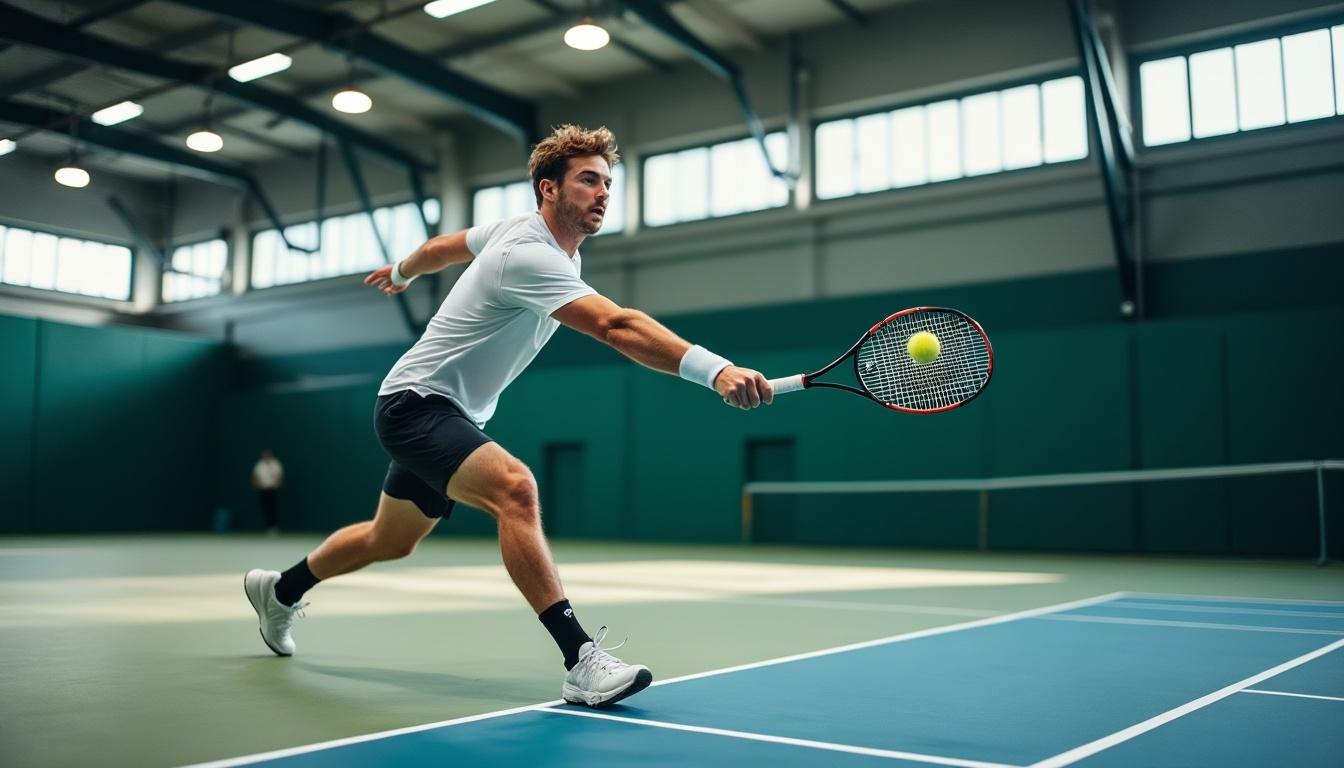
When stepping onto an indoor hard court in late November 2025, players must confront a unique blend of climate and surface challenges that shape what goes into their tennis bags. The indoor environment, insulated from weather extremes but prone to higher humidity and temperature consistency, affects both physical performance and equipment longevity. Consequently, the packing strategy shifts to address these factors thoughtfully.
Indoor Hard Court Tennis Gear List:
- Rackets and Balls: A couple of rackets strung with durable, low-stretch strings hold up well against hard court impacts. Balls designed for indoor use, typically with a slightly faster felt, help maintain crisp rally pace.
- Overgrips and Sweat Management: The controlled climate indoors often leads to increased hand perspiration. Players prioritize humid indoor overgrips designed to maintain tackiness and absorb moisture — a detail well documented in recent analyses of sports equipment adaptation here.
- Footwear: Indoors demands tennis shoes with non-marking soles optimized for firm traction on smooth surfaces. Cushioning handles repetitive impact stress, often intensified in fast hard court exchanges. Choosing shoes ranked among the best indoor hard court shoes is a key decision.
- Clothing: Breathable, moisture-wicking fabrics help regulate body temperature in slightly elevated humidity. Tank tops and shorts with antimicrobial properties prevent discomfort during extended play.
- Hydration Essentials: Since indoor conditions limit sweat evaporation, players focus on electrolyte mixes rather than water alone, ensuring efficient fluid absorption to combat subtle dehydration. Nutrition guides emphasize the importance of tailored hydration strategies in such climates.
- Recovery and Injury Prevention: Lightweight resistance bands for pre-match warm-ups prepare muscles for explosive hard court play. Portable massage balls ease any concentrated tightness before and during matches.
These essentials not only prepare players physically but also align with psychological readiness. Players who adopt a surface-specific packing ritual report increased focus and confidence as they adapt their gear to suit indoor challenges carefully. They avoid mid-match distractions that arise from equipment failures—be it a slipping grip or underperforming footwear—which can derail performance momentum.
| Tennis Gear Category | Key Considerations for Indoor Hard Courts | Recommended Items |
|---|---|---|
| Rackets | String tension optimized for faster ball response and durability | 2 rackets with durable synthetic gut strings |
| Balls | Slightly faster indoor-specific tennis balls | 3-4 cans of indoor balls |
| Footwear | Non-marking soles with excellent traction and cushioning | Top-rated indoor hard court tennis shoes |
| Grip & Sweat Management | Humidity-absorbing overgrips to maintain racket control | Multiple humid indoor overgrips |
| Clothing | Moisture-wicking, antimicrobial clothes to regulate temperature | Lightweight tank tops, shorts with mesh panels |
| Hydration | Electrolyte supplementation for efficient hydration | Electrolyte packets, insulated water bottle |
| Injury Prevention | Pre-match warm-up with resistance bands and massage tools | Resistance bands, portable massage ball |
Critical tennis bag customization for competing on hot clay courts in late November 2025
Playing on hot clay courts presents a contrasting set of conditions that necessitate a distinctly different approach to packing a tennis bag. In late November, this surface often combines residual heat with dusty, uneven terrain that complicates traction and ball behavior. Success here comes from adapting tennis gear to absorb the abrasive punishment of clay dust, temperature fluctuations, and surface-specific wear.
Hot Clay Court Tennis Bag Must-Haves:
- Specialized Footwear: Clay court shoes with deep herringbone tread patterns provide crucial lateral stability and prevent slippage. These shoes also resist clay fines embedding in soles, ensuring grip throughout intense rallies.
- Extra Clothing Layers: The late fall sun over clay courts can produce sweat-inducing heat despite cooler ambient temperature. Moisture-wicking long sleeves and dust-resistant gear protect skin while managing sweat evaporation effectively.
- Extra Shoelaces and Insoles: The uneven clay surface can emerge harsh on shoes and feet, elevating the need for backups like extra laces and cushioned insoles, critical for both fit and foot health during extended matches.
- Clay-Specific Tennis Balls: These balls often feature slightly heavier felt to accommodate slower bounce dynamics on clay, affecting shot timing and strategy.
- Protective and Cleaning Supplies: Items like mini court brooms or small towels to brush off excess clay dust from shoes and balls between points keep gear efficient and comfortable.
- Hydration Focus: The dry heat of late November clay can dehydrate aggressively. Players pack larger water bottles and multiple electrolyte supplements to fend off cramping and maintain peak stamina, as outlined in comprehensive nutrition resources.
- Recovery Tools: Compact foam rollers, massage balls, and kinesiology tapes provide critical support to joints stressed by the twisting, sliding forces unique to clay.
Clay court specialists emphasize the psychological importance of condition-specific preparation, viewing their tennis bag as an extension of their competitive mindset. The routine of picking out clay-adapted gear contributes to mental priming, helping players visualize success and feel prepared for the meticulous physical demands of the surface. These tailored tennis bag essentials demonstrate that adapting to a hot clay environment is as much about precision in preparation as it is about raw skill execution.
| Category | Clay Court Packing Challenges | Recommended Solutions |
|---|---|---|
| Shoes | Slide control & durability on uneven clay | Clay-specific shoes with herringbone soles |
| Clothing | Heat management & dust protection | Moisture-wicking long sleeves, dust-resistant fabrics |
| Backup Gear | Laces & insoles prone to wear | Spare laces, cushioned insoles |
| Balls | Slower ball bounce requires heavier felt | Clay court specific balls |
| Cleanliness | Clay and dust accumulation on gear | Small towels, court brooms, brushes |
| Hydration | Aggressive dehydration risk | Large water bottles, electrolyte supplements |
| Injury Prevention | Joint stress from sliding | Foam rollers, massage balls, kinesiology tape |
The psychological and performance impact of tailored tennis bag preparation for different court surfaces
The act of packing a tennis bag transcends mere logistics — it embodies a mental ritual vital to performance and stress control. Athletes competing on indoor hard vs hot clay surfaces in late November 2025 frequently describe their packing process as a cornerstone for mental readiness, providing a sense of control in the unpredictable ebb and flow of match play.
Research and player testimonials reveal that the ritual of packing specific items, such as resistance bands for indoor warm-ups or clay-specific cleaning tools, bridges the physical preparation and mental focus required for competitive success. This ritualization generates a psychological anchor, reducing anxiety and sharpening concentration by fortifying the player’s confidence in their readiness to tackle surface-induced challenges.
Elements of the psychological advantage through packing include:
- Routine Consistency: Repeating a defined packing routine helps build a pre-match mindset that minimizes distraction, bolstering a player’s ability to stay in the rhythm of the game.
- Surface-Specific Adaptation: Choosing gear that directly meets the demands of the playing surface reinforces a player’s belief in their tactical preparation, which enhances reaction times and strategic decision-making.
- Control Over Variables: Having solutions at hand for typical issues — such as damp grips indoors or sliding problems on clay — mitigates on-court frustrations, sustaining mental toughness.
Consider the case of mid-level competitive players who attribute growth in their tournament results to fine-tuned packing habits aligned with court surface nuances. Their deliberate approach to incorporating tennis bag essentials relevant for specific conditions, supported by insights from resources like professional packing guides, has resulted in smoother transitions, fewer equipment mishaps, and sustained confidence.
| Packing Factor | Psychological Benefit | Performance Outcome |
|---|---|---|
| Consistent Gear Selection | Routine reduces pre-game anxiety | Sharper focus, enhanced match readiness |
| Surface-Appropriate Equipment | Builds belief in preparation | Improved tactical decision making |
| Ready Solutions for Potential Problems | Minimizes frustration during play | Maintains mental toughness and competitive edge |
Advanced accessories and non-traditional tennis bag essentials for late November 2025
While “standard” tennis bag items like rackets, balls, and hydration are well-known, serious players increasingly rely on an arsenal of advanced accessories that elevate their game in late November’s varied conditions. These items often fly under the radar but can spell the difference between enduring grueling match conditions or succumbing midway.
7 Advanced tennis bag items favored by serious recreational players:
- Resistance Bands: For dynamic warm-ups helping muscles activate, crucial for indoor fast-hard court matches.
- Portable Massage Balls or Mini Foam Rollers: Quick relief to muscle tightness during long tournaments, especially useful for hot clay recovery.
- Super Glue or String Savers: Temporary string repairs stave off the frustration of broken strings mid-match.
- Energy Gels or Electrolyte Packets: Compact, fast-absorbing nutrition to combat energy dips and dehydration on any surface.
- Extra Shoelaces and Insoles: Preparedness for shoe wear and tear on abrasive clay surfaces or hard indoor floors.
- Nail Clippers or Small Scissors: Addressing blisters, grooming, and tape repairs on court without delay.
- Match Log or Small Notebook: Tracking tactical successes and failures fosters tactical growth and self-analysis after matches.
These items represent a strategic approach to player packing that recognizes tennis as a multi-dimensional sport demanding physical endurance, mental toughness, and adaptability to climate and surface variations. This holistic preparation can be decisive when battling fatigue or handling unforeseen equipment issues.
| Accessory | Purpose | Surface-Specific Benefits |
|---|---|---|
| Resistance Bands | Pre-match warm-up | Ensures muscle readiness for hard court explosive movements |
| Massage Balls / Foam Rollers | Recovery aid | Loosens tight muscles after clay court sliding and long rallies |
| Super Glue / String Savers | Emergency racket repair | Keeps play going despite string breakage |
| Energy Gels / Electrolyte Packets | Boosts endurance and hydration | Combats fatigue in indoor humidity or clay heat |
| Shoelaces / Insoles | Backup footwear supplies | Essential for clay court grip and hard court comfort |
| Nail Clippers / Scissors | On-the-spot grooming and repairs | Prevents discomfort that could disrupt focus |
| Match Log / Notebook | Tactical tracking and reflection | Supports mental sharpness and game improvement |
For a deeper dive into modern tennis packing essentials and pro recommendations, readers may also explore detailed breakdowns such as at professional player bag essentials to further refine their preparation routines.
Maximizing tennis bag packing efficiency for late November 2025 tournaments: tips and tricks
Efficient tennis bag packing is more than just shoving gear into a compartment; it’s a strategic exercise balancing organization, accessibility, and surface-specific needs. Players competing in late November tournaments on indoor hard or hot clay courts find that packing smartly can save valuable time and mental energy, crucial for maintaining competitive sharpness.
Top tips for optimized tennis bag packing:
- Section your bag: Use compartments to separate items by category — racquets, hydration, apparel, and accessories — to ensure fast access during matches.
- Pack duplicates: Always carry at least two rackets and extra balls, anticipating equipment failure or changes in game tempo.
- Surface-specific kits: Maintain separate small pouches for indoor hard court essentials like humid overgrips and electrolyte mixes, and clay-specific kits including clay court balls and cleaning brushes.
- Weight distribution: Balance heavy items evenly to avoid strain, especially when walking across outdoor clay courts under a hot sun.
- Pre-check gear condition: Inspect strings, grips, and shoes before packing to avoid surprises mid-match.
- Portable nutrition: Stash energy gels and electrolyte packets in easy-access pockets for quick consumption between sets.
- Climate awareness: Adjust what goes in based on the court’s microclimate — swap layers or hydration blends accordingly for indoor humidity or outdoor clay heat.
Implementing these techniques contributes significantly to maintaining a player’s flow from warm-up to final point. Players who fine-tune their packing strategies report fewer disruptions, better focus, and ultimately superior performance in late November competitions. For more detailed strategic advice on packing, explore tournament packing gear guides focused on seasonal transitions.
| Packing Strategy | Benefit | Example |
|---|---|---|
| Compartmentalizing gear | Quick retrieval and organization | Separate pouches for grips, balls, hydration |
| Carrying duplicates | Mitigates equipment failure risk | Two rackets, extra tennis balls |
| Surface-specific kits | Optimized gear for conditions | Clay brushes, indoor overgrips |
| Balancing load | Reduces physical strain | Distributing shoes and equipment evenly |
| Pre-match inspection | Avoids mid-match surprises | Checking strings and grips ahead |
| Accessible nutrition | Maintains energy and focus | Energy gels in easy access pocket |
| Adjusting for climate | Maintains comfort and hydration | Switching hydration supplements based on humidity/heat |
From the local gym to the tournament stage, how a player packs encapsulates their approach to the game — meticulous, adaptive, and always prepared to face the demanding conditions of late November tennis.
What are the must-have shoes for playing on indoor hard courts?
The best shoes for indoor hard courts in 2025 feature non-marking soles with excellent traction and cushioning to handle fast-paced play and reduce repetitive impact stress, improving comfort and injury prevention.
How should tennis players adjust their hydration strategies for indoor vs hot clay conditions?
Indoor hard courts often have higher humidity, requiring electrolyte supplements to manage subtle dehydration, while hot clay courts cause higher sweat loss demanding larger water intake and more frequent replenishment with electrolytes.
Why do serious tennis players carry unusual items like resistance bands and super glue in their bags?
Resistance bands help with dynamic warm-ups to reduce injury risk and prepare muscles for explosive movements, especially indoors, while super glue or string savers provide quick fixes for broken racket strings, allowing players to continue matches without interruption.
What makes packing tennis gear for hot clay courts different from indoor hard courts?
Packing for hot clay courts involves specialized shoes with herringbone tread, dust-resistant clothing, extra laces and insoles for shoe wear, and additional cleaning tools to remove clay dust from gear, while indoor packing focuses more on moisture management and cushioned footwear.
How does a structured packing routine impact player performance?
A consistent packing routine builds mental readiness, reduces pre-match anxiety, and strengthens confidence, which helps players stay focused and adapt strategies effectively during matches on varying surfaces.