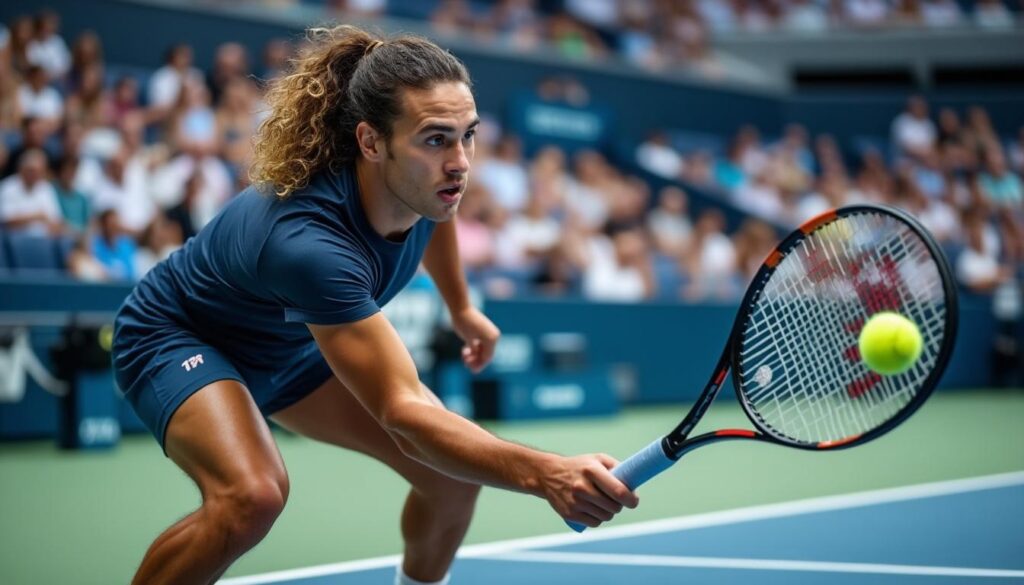
December 2025 reveals a pulse-racing panorama of elite athletic conditioning, as top players push boundaries with innovation and grit. Fitness Insights from this week spotlight a fusion of cutting-edge technology and time-tested training techniques that are reshaping sports performance. From wearable tech delivering instant physiological readouts to traditionally grounded strength regimens tailored for precision power, the conditioning trends captivate eyes across courts and stadiums worldwide. Layered with stories of resilience and breakthrough, this week’s analysis uncovers how athlete conditioning is evolving, delivering fresh strategies designed for peak form and explosive speed. Whether seasoned pros or aspiring novices, the convergence of science and sweat is setting the standard for weekly fitness revolutions as the season nears its climax.
In brief:
- Wearable technology emerges as the definitive game-changer, offering immediate feedback and deep data analytics for performance optimization and injury prevention.
- Mobile exercise applications climb rapidly, turning smartphones into personalized trainers that bridge gaps between gym, home, and court.
- Strength training remains pivotal, especially traditional methods boosted by progressive overload, affirming its place in boosting power among youth and elite athletes alike.
- Programs tailored for older adults continue to grow, highlighting the increasing dedication within the fitness community to enhance longevity and quality of life.
- Data-driven training approaches enable individualized adjustments, enhancing safety and maximizing the effectiveness of every training session, critical for modern sports conditioning.
- The integration of mental health awareness within fitness routines underscores a total athlete development beyond the physical, with functional training expanding its footprint.
Wearable Technology and Mobile Apps: The Duo Revolutionizing Athlete Conditioning This December 2025
The ascendancy of wearable technology as the premier fitness trend remains unchallenged heading into December. These smart devices, worn like second skins, provide a torrent of metrics—heart rate variability, sleep quality, real-time exertion levels—that equip athletes and coaches with an arsenal of insights forming the backbone of modern conditioning strategies. The immediacy of these analytics is reshaping training techniques, allowing for data-driven decisions that amplify performance without sacrificing safety.
This week, the pulse of athlete conditioning echoed the increasing reliance on mobile exercise applications as strategic complements. Once creeping quietly in the sidelines, these apps now storm into prominence, ranked second among fitness trends with a meteoric rise since 2023. Empowering athletes to access tailored workout plans, recovery routines, and performance feedback on demand, they form an indispensable pocket coach that merges seamlessly with wearable tech data streams.
Key transformations fueled by these technologies this week include:
- Tailored conditioning adjustments in real-time, shifting session intensity based on live biofeedback to prevent overtraining.
- Enhanced remote coaching, where athletes in different continents share data and communicate progress via synchronized platforms.
- Increased autonomy for athletes, enabling them to self-regulate training loads more intelligently, reducing burnout.
- Privacy and data protection emerged as critical discussion points among experts, ensuring that athlete information security keeps pace with technological advances.
As technology continues to knit itself into the fabric of weekly fitness narratives, the collaboration between wearable devices and mobile apps stands as an inspiring testament to innovation in sports performance in 2025.
| Aspect | Wearable Technology | Mobile Exercise Apps |
|---|---|---|
| Main Feature | Real-time biometrics and feedback | Personalized workout plans on demand |
| Primary Benefit | Immediate training load adjustments and injury prevention | Increased accessibility and flexibility |
| Adoption Rate | High among elite and amateur athletes | Rapid growth from #20 in 2023 to #2 in 2025 |
| Challenges | Data validity and privacy concerns | Risk of reduced professional oversight |

Strength Training’s Critical Role in Youth and Elite Athlete Conditioning
Strength training continues to dominate as a non-negotiable cornerstone in the conditioning programs of top-tier athletes and promising youth. A striking study this week cast light on strength training interventions among elite youth footballers aged 12 to 15 years, delivering compelling evidence of lasting performance enhancements after a year-long regimen.
The approach was methodical: players divided into two groups, both engaging in regular football practice, but one augmented their routine with bi-weekly strength sessions lasting 30 minutes each. The dividends were clear—this group outperformed their peers significantly in maximum strength, explosive power, and sprint velocity across varying distances. These gains exemplify how targeted strength conditioning is crucial in long-term athletic development, setting young talents on a trajectory toward elite performance.
Top benefits highlighted by this research include:
- Enhanced neuromuscular efficiency and motor unit recruitment, translating to faster, more powerful movements on court and field.
- Improved injury resilience through muscle robustness and joint stabilization.
- Greater metabolic adaptability supporting sustained energy output during high-intensity bouts.
The findings affirm that proper integration of traditional strength training dovetails seamlessly with sport-specific skills training, refining athlete capability and physical literacy. Coaches and exercise specialists are called to prioritize these elements, especially in youth development protocols, to fuel future champions.
| Training Variable | Strength Training Group Results | Control Group Results |
|---|---|---|
| 1RM Front and Back Squat | Significant improvement | Minimal or no change |
| Lower Body Power (Jump Tests) | Notable enhancement | Static or slight decrease |
| Linear Sprint Speed (5, 10, 30m) | Marked faster times | Unchanged performance |
Strength Training’s Place in Elite Tennis Conditioning
Not just football, but top tennis players adapt the same principles. Traditional strength training methods, including progressive overload and resistance exercises, play a pivotal role in amplifying serve velocity, groundstroke intensity, and explosive court coverage. Check out how these principles align with core strength trends dominating tennis conditioning in 2025.
Exercise Programming for Older Adults: Fitness Tailored for Longevity and Vitality
The importance of specialized conditioning for older adults has become a hallmark this season, cementing its place among the top fitness trends. In 2025, as life expectancy climbs and awareness about active aging spreads, the demand for fitness programs that enhance function while accommodating physiological changes has surged considerably.
Rigorous scientific evidence underscores how well-crafted exercise regimens improve muscle mass retention, balance, cardiovascular capacity, and cognitive health for this demographic. This week’s Fitness Insights reveal that many top players incorporate carefully titrated work to promote longevity and sustained competitive edge, reflecting a deeper appreciation of holistic athlete conditioning.
Key components often included in these targeted programs are:
- Strength and resistance training to combat sarcopenia and bone density loss.
- Balance and stability exercises to reduce fall risk and enhance proprioception.
- Cardiovascular workouts scaled to individual ability, preserving heart health without overstrain.
- Integration of mental and mindfulness activities that support psychological resilience and focus.
For sports performance professionals, expanding expertise in this arena is essential. Adapting quality training techniques to meet the aging athlete’s needs ensures a productive career extension and a better quality of life post-retirement. This approach also aligns with broader health and wellness coaching trends emphasizing whole-person care.
| Program Element | Benefits for Older Adults |
|---|---|
| Resistance Training | Preserves muscle mass and strength, enhances metabolic health |
| Balance Exercises | Improves stability, reduces falls |
| Cardiovascular Training | Maintains heart and lung function |
| Mental Health Integration | Supports cognitive function and emotional well-being |
Fitness professionals aiming to stay ahead must continue to refine their strategies, incorporating these evidence-based practices to serve older athletes and clients faithfully.
Data-Driven Training Technology and Mental Health: The Cutting-Edge Conditioning Frontier
The relentless surge of technology in exercise science culminates this week in the increased adoption of data-driven training tools that inject precision into athlete conditioning. Real-time biofeedback mechanisms allow coaches to adapt training loads instantly, minimizing injury risk and maximizing physiological gains. The rise of quantitative monitoring tools—tracking sleep quality, heart rate variability, and muscle readiness—permits individualized sessions crafted uniquely for each athlete’s daily status.
Concurrently, mental health integration within exercise programming is asserting itself as a vital trend. Recognizing that peak sports performance transcends mere physical output, more routines now embed mindfulness, resilience training, and stress management. This collective approach elevates overall sports conditioning, accounting for athlete wellbeing holistically.
Current implementations advancing the field include:
- Use of wearable sensors to gauge stress and recovery, informing training modifications across weekly fitness cycles.
- Combining functional fitness training with mind-body exercises to improve mental clarity and physical dynamism.
- Biofeedback-guided recovery protocols that balance ice baths with active recovery to optimize healing processes—see insights at Ice Bath vs Active Recovery.
These innovations echo strongly through tennis and broader sport landscapes, where emotional composure and physical readiness increasingly define the fine line between victory and defeat.
| Innovation | Description | Impact on Athlete Conditioning |
|---|---|---|
| Real-time Biofeedback | Instant monitoring of physiological and psychological markers | Allows adaptive training to enhance performance and reduce injury |
| Mindfulness Integration | Embedding mental health routines within physical training | Improves focus, resilience, and stress management |
| Data-Driven Recovery | Combining technology with active and passive recovery methods | Optimizes athlete readiness and longevity |
Weekly Fitness Spotlight: How Elite Players Translate Conditioning Trends into Tournament Wins
This week’s exploration into the conditioning secrets of top players underscores the razor-thin margins crafted by meticulous fitness regimens. Competitive schedules demand an exquisite balance of exertion, recovery, and strategic training innovation. Players who embrace the latest trends—wearable technology insights, strategic strength training cycles, and mental health integration—reportedly carve out decisive advantages in tight match scenarios.
Consider how the indoor conditioning routines at the Moselle Open resonate with these trends, blending traditional strength sessions with data-guided efforts to stay “match ready”—a quality dissected in match-ready fitness training.
This week’s conditioning formula includes:
- Monitoring training loads via smart wearables to avoid overtraining during intense tournament stretches.
- Incorporating quick strength circuits before matches, inspired by pre-match strength circuits shared on Fitness Insights.
- Focusing on recovery strategies—both passive and active—to maintain peak explosiveness through consecutive rounds.
- Deploying mental conditioning sessions that bolster competitive poise and tactical awareness under pressure.
Such meticulous fitness acumen not only supports immediate sports performance but also cultivates longevity on the pro tour, making it a must-watch approach as 2025 rounds to its thrilling finale.
| Conditioning Component | Role in Tournament Success |
|---|---|
| Wearable Technology | Optimizes training and recovery in real-time during tournaments |
| Strength Circuits | Boosts power and readiness immediately pre-match |
| Recovery Protocols | Maintains muscular explosiveness and endurance |
| Mental Resilience Training | Sharpens focus and tactical decision-making |
Read more on adapting tournament conditioning with insights like those at Tournament Spotlight December and ATP Finals Fallout 2025.
What makes wearable technology the top fitness trend in 2025?
Wearable technology offers real-time data on athletes’ physiological states, allowing for immediate adjustments to training loads, enhancing performance and reducing injury risk.
Why is strength training essential for youth athletes?
Strength training builds foundational power, motor control, and injury resilience, critical for long-term athletic development and performance enhancement.
How are older adults benefiting from tailored fitness programs?
Specialized exercise improves muscle mass, balance, cardiovascular health, and cognitive function, promoting independence and quality of life.
Can sports scientists be effective without playing the sport professionally?
Yes, many sports scientists develop a deep understanding of physiological demands through research and clinical experience, contributing essential insights without professional playing background.
How does mental health integration impact athletic performance?
Incorporating mental resilience and stress management into training supports emotional stability and focus, elevating overall sports performance under pressure.