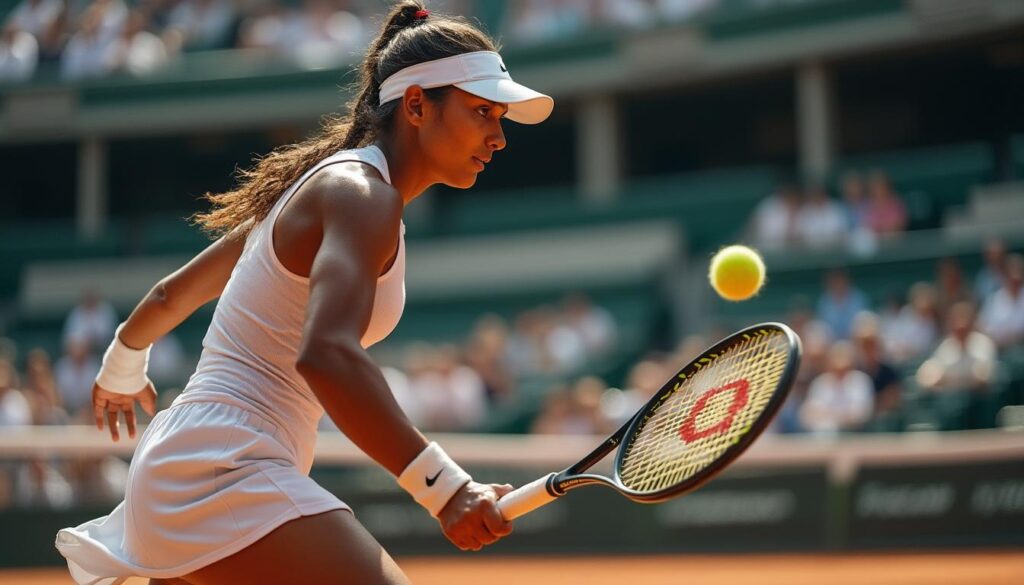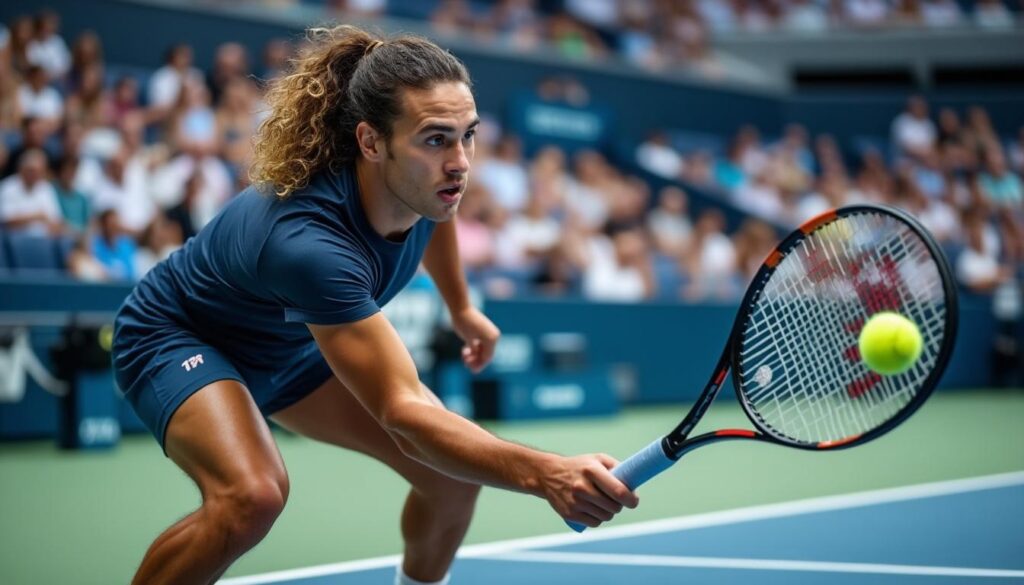
The off season represents more than a break—it’s an electric period charged with transformation and preparation. As athletes gear up for the grueling 2026 tennis schedule, contemporary conditioning trends are shaping how players develop raw power, resilience, and peak performance capability. These off season training methods don’t just maintain fitness; they revolutionize an athlete’s ability to wield power with finesse. From innovative strength conditioning techniques to cutting-edge power building exercises, players today are rewriting the playbook on how to harness force in every swing, sprint, and serve.
Gone are the days when players simply recuperated during the off season. Now, the focus pivots to strategic conditioning trends designed to maximize player power development. Conditioning programs are no longer one-size-fits-all but tailored to the unique demands of each athlete’s style and physical baseline. This customization fuels the precision and explosive energy players require for schedule preparation later in the calendar year. Moreover, the integration of sports training innovations—ranging from plyometrics to advanced recovery protocols—offers a blueprint for athletes striving to outpace their competition before the first ball even flies.
Such evolution in off season workouts resonates across all levels of players, from rising stars to seasoned pros. What unites them is the recognition that strength conditioning fused with intelligent periodization sparks the power that decides matches. Exploring how these off season training methodologies are transforming athlete performance reveals a powerful narrative of discipline, innovation, and the pursuit of tennis glory that will dominate the 2026 tours.
Key takeaways:
- Off season training is evolving beyond basic fitness—now focused on targeted power building exercises.
- Conditioning trends emphasize individualized programs aligned with player power development goals.
- Integrating sports training innovations optimizes recovery and maximizes strength conditioning outcomes.
- Strategic schedule preparation during off season enhances sustained athlete performance throughout 2026.
- Understanding and adopting cutting-edge conditioning techniques can give players a competitive edge on court.
Off Season Training Paradigms: Crafting Power Through Intelligent Conditioning
Off season training no longer simply means staying in shape—it demands a meticulous plan focusing on harnessing explosive strength while protecting athlete longevity. As we approach the 2026 schedule, conditioning trends have pivoted to emphasize the delicate balance between volume, intensity, and recovery.
Most professional players and coaches now divide the off season into distinct phases, each bringing progressive adaptations to power development. The initial phase focuses on rebuilding a general fitness base with moderate-intensity exercises that promote joint stability and muscular balance. This phase often incorporates functional strength movements, unilateral exercises, and core stabilization routines designed to correct asymmetries and prepare tendons for load.
Moving forward, the middle phase shifts towards targeted strength conditioning. Here, the focus heightens on multi-joint movements such as deadlifts, squats, and presses that recruit maximal muscle groups to build foundational force. The programming becomes increasingly specialized, often employing upper-lower body split routines with alternating heavy and light days to optimize recovery while driving progress. Conditioning techniques also expand to include controlled plyometrics, enhancing neuromuscular efficiency—a critical factor in developing rapid, powerful strokes and sprints on the court.
As the off season progresses, athletes gradually transition to power building exercises that fuse strength gains with speed and agility. Sprint intervals, complex training blends, and explosive jumping drills make their way into the regimen, sculpting an athlete’s ability to convert strength into usable power during match play. The fine art of balancing these elements, often refined by consulting strength coaches and sport scientists, mitigates injury risks and primes players for the sport-specific demands of the upcoming 2026 matches.
This phased approach not only maximizes physiological gains but empowers players to embrace recovery as a strategic tool, recognizing that resilience is integral to sustained player power development. The dynamic interplay of progression and rest ensures peak athlete performance remains an achievable target rather than an elusive ideal.

Personalized Conditioning: Tailoring Strength Programs to Individual Player Profiles
Off season conditioning trends have matured into a player-centric art form—one that demands meticulous tailoring to individual needs. This approach transcends generic off season workouts to embrace data-driven, customizable training that aligns with each player’s physical condition, playing style, and injury history.
Elite athletes undergo comprehensive assessments that evaluate muscle imbalances, range of motion restrictions, and metabolic conditioning levels. From there, coaches design programs incorporating specific strength conditioning exercises that address weaknesses while enhancing power capabilities. For example, a player renowned for aggressive baseline play but struggling with quick net closures may emphasize lateral agility drills combined with plyometric circuits. Conversely, a service-and-volley specialist might prioritize upper body explosive power and shoulder stability.
The advent of wearable technology and motion capture analytics fuels this customization, helping coaches track progress and dynamically adjust training loads. This real-time feedback loop ensures players avoid overtraining while continuously pushing their power thresholds. Nutrition, too, is entwined with physical preparation—nutrient timing and macro balances are optimized to fuel muscle repair and energy replenishment, supporting the athlete’s conditioning journey.
One vivid example lies in how some top players have transformed their conditioning during the off season. Inspired by programs highlighted in Nadal’s strength secrets, many athletes now integrate periodized resistance training that targets sport-specific muscles and movement patterns. The goal is crystal clear: to translate raw strength into the power needed for dominant serves, explosive groundstrokes, and rapid court coverage during the packed 2026 schedule.
These tailored conditioning strategies embody how off season training today is a sophisticated mosaic of science, intuition, and relentless ambition—equipping athletes with the precise tools needed for peak power building in competition.
Integrating Sports Training Innovations: Revolutionizing Off Season Conditioning Techniques
The 2026 tennis season demands players who blend power with endurance, speed, and resilience. Conditioning trends have responded with an influx of cutting-edge sports training innovations, enhancing the quality and efficiency of off season workouts. These advancements bolster volumetric strength while refining the fine motor skills intrinsic to fluid tennis performance.
One hallmark innovation is the incorporation of complex training methods that alternate between heavy strength moves and explosive plyometric drills in the same session. This “contrast training” amplifies neuromuscular activation, sharpening the athlete’s ability to unleash force suddenly and precisely. For tennis players, this translates into serves with added velocity and court sprints with accelerated quickness.
Recovery technologies also play a starring role. Players now utilize cryotherapy, compression gear, and advanced vibration therapy to accelerate muscular repair between grueling training days. This approach not only optimizes conditioning outcomes but also extends career longevity, ensuring athletes remain battle-ready throughout the hectic 2026 schedule.
Moreover, virtual reality and visual training tools are emerging off the court to complement physical workouts. Techniques such as shadow tennis and visualization practices combine mental rehearsal with physical conditioning, reinforcing fast decision-making and spatial awareness—critical facets of power deployment in match situations.
By embracing these innovations, players convert the off season from a mere preparation window to a transformational laboratory that fuels unmatched power and precision on match day.
Position-Specific Conditioning: Translating Strength into Effective Court Performance
Effective off season conditioning transcends generic training; it focuses on translating strength into tennis-specific movement and tactical prowess. Players and coaches increasingly design position-specific conditioning regimes that mirror the unique physiological and technical demands faced during match play.
For baseline grinders, conditioning emphasizes stamina, leg strength, and explosive lateral movement. This includes high-volume agility ladder drills and extensive plyometric sessions that bolster quickness and reaction time. Incorporating strength conditioning focused on the glutes, hamstrings, and calves guards against common injuries while boosting sprint speed across the baseline.
Net players and serve-and-volley experts prioritize upper body and core power development. Exercises such as medicine ball throws, resistance band work targeting the shoulders, and rotational core exercises strengthen muscles pivotal to powerful serves and crisp volleys. Agility work that improves rapid directional changes and split-step responsiveness complements this strength, ensuring players dominate the net with both finesse and power.
The table below lays out a simplified breakdown of conditioning priorities based on player styles:
| Player Style | Primary Conditioning Focus | Typical Off Season Exercises |
|---|---|---|
| Baseline Grinder | Endurance, Lateral Agility, Lower Body Strength | Agility ladders, plyometrics, squats, lunges, sprints |
| Serve-and-Volleyer | Upper Body Power, Core Stability, Quick Reflexes | Medicine ball throws, rotational core moves, band resistance work |
| All-Court Player | Balanced Strength, Speed, and Mobility | Hybrid training including circuit workouts, complex training, interval sprints |
The effectiveness of these targeted programs comes through when players hit the 2026 courts with explosive strokes and swift movement, calibrated to their individual tactical roles. This bespoke conditioning approach has become an indispensable aspect of modern athlete performance management.
Schedule Preparation and the Role of Off Season Conditioning in Sustaining Athlete Performance
As the calendar marches towards the rigorous 2026 tennis schedule, players and their teams face the immense task of managing performance endurance and peak power across multiple tournaments worldwide. Off season conditioning strategies have evolved to directly support schedule preparation, helping athletes sustain high performance without burnout.
The long and congested tennis calendar demands smart periodization, where training load, intensity, and rest are carefully cycled. This planning reduces risk of overuse injuries while enabling power to be consistently delivered through countless matches. Players employ off season workouts focusing on developing a versatile fitness base that supports quick recoveries and sustained explosive effort throughout the season.
The trick lies in integrating strength conditioning with skill-specific work early in the preparation cycle, gradually stepping up intensity as players approach their opening matches. Athletes also sharpen mental conditioning to endure the physical and psychological grind of back-to-back tournaments. This holistic approach, spotlighted in rankings race analyses such as coaching changes 2026 rankings, underscores how off season power building forms the backbone of enduring success.
Alongside tailored fitness programs, nutrition and recovery protocols weave into this schedule preparation fabric. Customized meal timing, anti-inflammatory diet components, and hydration strategies fortify muscle recovery and energy levels, directly impacting an athlete’s ability to perform powerfully and sustainably.
More than ever, off season training encompasses the full spectrum of athlete needs. The continuous refinement of conditioning techniques reflects a profound commitment to keeping tennis power play equal parts physically explosive and strategically sustainable for the demanding 2026 calendar ahead.
For players eager to deepen their off season routines, resources such as offseason fitness strength tennis and tennis offseason exercises provide essential guidance on integrating power building into conditioning workflows effectively.
Why is off season training crucial for power development?
Off season training allows players to rebuild and enhance their strength and endurance away from the pressures of competition. This period is ideal for integrating new conditioning techniques to build explosive power essential for competitive performance.
How do conditioning trends impact injury prevention?
Modern conditioning trends emphasize balanced strength, flexibility, and appropriate recovery, reducing overuse injuries by preparing muscles, tendons, and joints to better withstand the stresses of tennis competition.
What role do personalized training programs play in off season conditioning?
Personalized programs tailor exercises to a player’s specific physical needs, correcting weaknesses and enhancing strengths, ensuring optimal power building tailored to individual play styles and injury history.
How does schedule preparation benefit player performance in 2026?
Effective schedule preparation through periodized training and recovery enables players to deliver peak power consistently through long seasons, minimizing fatigue and maximizing match readiness.
What innovations are driving changes in off season workouts?
Technologies like virtual reality training, contrast plyometrics, and advanced recovery methods revolutionize off season workouts by improving conditioning outcomes and mental readiness simultaneously.