Hard courts are the battlegrounds where tennis players demand footwear that can go the distance — shoes that marry durability with exceptional support. In 2025, the quest for the perfect tennis shoes for hard courts culminates in designs crafted to endure the unforgiving nature of concrete and asphalt surfaces, translate power into precise movements, and protect players’ feet through grueling rallies. Whether you’re chasing down baseline drives or charging the net for a volley, your choice in footwear isn’t just about style — it’s about building an unshakable foundation for performance and injury prevention. As the sport evolves, so do the shoes, with innovations aimed at absorbing impact, enhancing traction, and locking in support for every change of direction. This exploration dissects the essential features of tennis shoes tailored for hard courts, showcases standout models dominating 2025, and unpacks insider tips on fit, durability, and maintenance to keep you moving confidently and comfortably.
Key Points at a Glance
- Tennis shoes for hard courts prioritize durability to handle abrasive surfaces and prevent rapid wear.
- Superior cushioning and impact protection are crucial to reduce joint stress on unforgiving hard courts.
- Outsoles designed with modified herringbone or multi-directional patterns improve traction and allow subtle sliding.
- Supportive midsoles and secure fit configurations stabilize aggressive lateral cuts and sudden stops.
- Rotating multiple pairs of shoes extends durability and preserves cushioning performance over time.
- Top-performing footwear in 2025 comes from brands like Nike, Adidas, Asics, Wilson, and New Balance, each delivering unique strengths.
- Regular maintenance practices and sizing precision are essential for prolonging shoe life and optimizing on-court comfort.
Understanding the Demands of Hard Court Tennis Shoes: Durability, Support, and Performance
Hard courts impose a relentless toll on tennis footwear, thanks to their concrete or asphalt surfaces that amplify impact and accelerate wear. The necessity for durability in tennis shoes designed for hard courts cannot be overstated. Manufacturers engineer these shoes to withstand constant abrasion while delivering optimal support and traction for quick transitions and lateral movements.
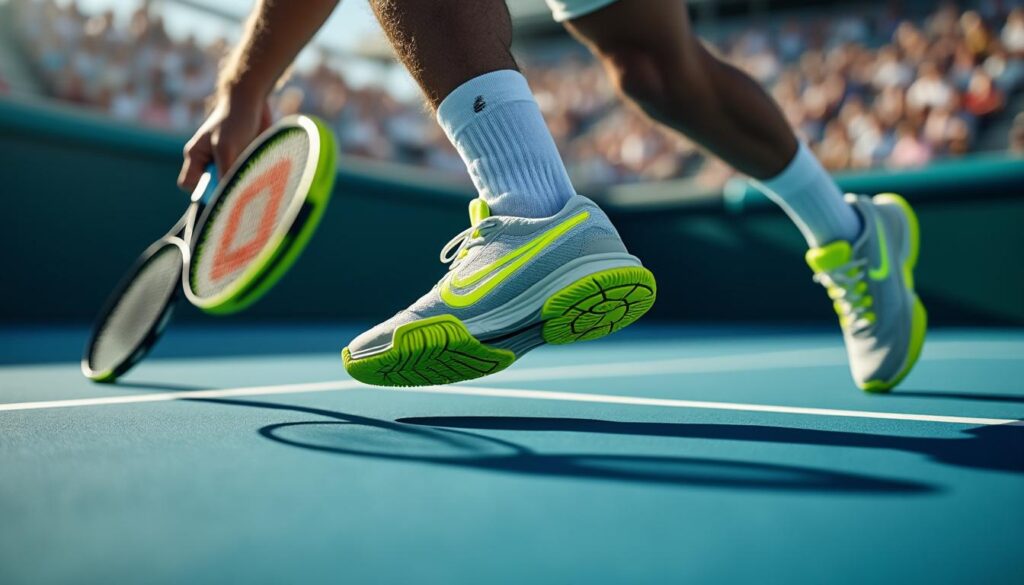
Durability often begins with the outsole, constructed from dense rubber compounds resistant to the abrasive texture of hard courts. A reinforced toe cap and medial drag protection guard against repetitive impacts encountered during serves and volley approaches. These features prevent premature wear, safeguarding the integrity of your shoes over countless matches.
But it’s not just about tough materials. Performance hinges on a delicate balance of cushioning and stability. Hard courts transmit shock directly into the feet and joints, making effective impact absorption a priority. Modern midsoles incorporate advanced foam blends—like EVA composites or proprietary foams—that provide a cushioning system responsive enough to protect without compromising court feel.
Furthermore, the shoe’s upper construction plays an instrumental role in maintaining a secure fit that resists slipping during aggressive cuts and sprints. Breathable mesh with strategic overlays locks the foot in place, preventing hot spots and blisters during extended play. This design focus merges comfort and containment, ensuring players maintain control as the pace intensifies.
Choosing the right pair of tennis shoes means recognizing how these factors integrate to amplify your performance while minimizing injury risks. The sport’s demands on footwear have propelled ongoing innovation, with players on tour and amateurs alike benefiting from shoes fine-tuned for the unique challenges of hard courts. For those keen to delve deeper into how shoe technology impacts game dynamics, reviewing the latest insights on the importance of tennis shoes offers valuable perspectives.
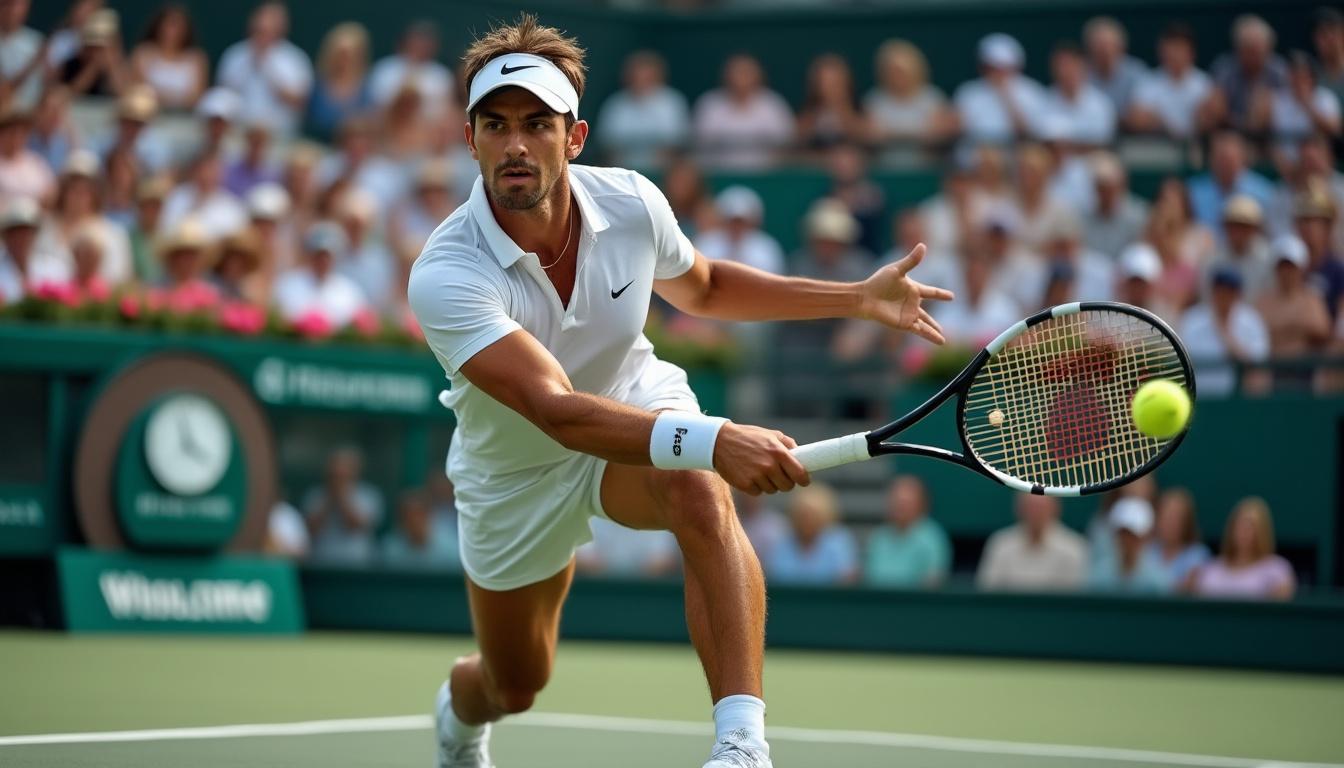
Top Contenders: Tennis Shoes Offering Unmatched Support on Hard Courts in 2025
As the baseline is pounded relentlessly or quick net approaches accelerate adrenaline, the footwear carrying the player’s weight must deliver above and beyond. Several models have emerged in 2025 as leaders in supporting athletes on hard courts, blending longevity with critical performance features. Each caters to slightly different playing styles and preferences, but all stand tall on the pillars of durability, traction, cushioning, stability, and comfort.
Nike Court Air Zoom Vapor X
A staple for many competitive athletes, the Nike Court Air Zoom Vapor X excels in support and agility. Its lightweight frame doesn’t compromise on the solid lockdown afforded by the dynamic fit system. The responsive Zoom Air heel unit cushions impact with impressive energy return, turning landing shocks into explosive movement. Durable rubber outsoles with a grippy pattern maintain traction on abrasive surfaces, giving players the confidence to attack the ball.
Adidas Adizero Ubersonic 3
Tailored for speed demons, the Adidas Adizero Ubersonic 3 emphasizes lightweight agility without sacrificing stability. Its mesh upper balances breathability with secure foot containment. The outsole incorporates Adidas’s Adituff technology to prevent wear during toe drags and serves, while responsive cushioning saves knees and ankles from harsh impacts. This model suits players who favor rapid cuts and sustained intensity.
Asics Gel Resolution 8
The Asics Gel Resolution 8 builds on a legacy of hard court performance with robust lateral support and exceptional shock absorption. The Flexion Fit upper hugs the foot, and the AHAR outsole stands up to abrasive play. Dynawall technology offers reinforced side support, crucial for players who grind through long baseline battles. While it leans toward a structured and stable ride, it remains comfortable with the patented Gel cushioning system damping cumulative impacts.
Wilson Rush Pro 3.0
Known for its fusion of light design and solid stability, the Wilson Rush Pro 3.0 is a favorite for players demanding quick reactions on their feet. This shoe embraces a responsive cushioning system that absorbs ground reaction forces, while its durable outsole boasts toe protection that stands resilient against drag-induced wear. The breathable upper and stable heel counter round out a package tailored for hard court warriors.
New Balance Fresh Foam Lav
For those who value comfort in daily training and casual wear alongside competitive resilience, the New Balance Fresh Foam Lav offers plush cushioning with reliable arch support. Its lightweight build doesn’t falter on durability, and the breathable mesh upper keeps feet fresh during exhaustive play. Though it leans more lifestyle-friendly, it delivers a solid foundation for players looking to blend performance with everyday wearability.
Each of these models exemplifies critical aspects required for hard courts: traction, support, cushioning, and, above all, durability. For players seeking comprehensive choices and detailed insights, the recent best tennis shoes ranking of 2025 and hard court shoe updates complement this overview perfectly.
Critical Features of Hard Court Tennis Shoes: What to Prioritize for Optimal Support
Performance on hard courts stems from a symbiotic relationship between shoe components engineered for the surface’s harsh demands. Highlighting core features guides players in making informed choices that optimize comfort and reduce injury risks.
- Outsole and Traction: Durable rubber compounds paired with a modified herringbone or multi-directional tread pattern deliver the balance between confident grip and sliding ability. A reinforced toe bumper and medial protection safeguard against wear during serves and toe drags.
- Midsole Cushioning: Responsive yet protective foams absorb shock from repetitive impacts. A combination of softer heel zones with responsive forefoot sections ensures comfort without compromising stability or energy transmission.
- Lateral Stability and Lockdown: Stability components like outriggers or carbon shanks prevent foot roll during side-to-side cuts. Secure lacing systems and structured uppers increase foot containment.
- Fit and Length: A snug midfoot and heel lock combined with a toe box offering room for natural toe splay create a secure yet comfortable fit. Sizing must consider swelling during play, ideally tried on with tennis socks for accuracy.
- Durability Factors: Reinforced eyelets, dense outsoles, and abrasion-resistant uppers extend shoe life despite regular hard court pounding.
Choosing footwear with these features primes players to push boundaries on hard courts while protecting their bodies. Ignoring any of these elements risks reduced performance and greater injury likelihood. This balanced approach to tennis shoes is paramount, as detailed in authoritative sources like tennis shoe stability guides and durability articles.
Durability and Support in Numbers
| Feature | Ideal Characteristic | Benefit on Hard Courts |
|---|---|---|
| Outsole Material | Abrasion-resistant dense rubber | Endures rough surfaces, prolongs shoe life |
| Midsole Foam | Responsive EVA/TPU-based foam | Shock absorption, comfort, energy return |
| Upper Material | Breathable mesh with overlays | Foot stability, ventilation, durability |
| Toe Protection | Reinforced toe cap and drag guard | Prevents premature wear, safeguards toes |
| Lockdown System | Dynamic fit with secure lacing | Prevents heel slip, enhances control |
Proper Maintenance and Fit: Extending the Life and Boosting the Comfort of Your Tennis Shoes
Optimal support and longevity from tennis shoes come not only from selection but from diligent care and getting the right fit from the start. Hard court players benefit greatly from rotating between two or more pairs of shoes — this allows midsoles to rebound fully, averts excessive wear, and sustains performance across sessions.
Regular cleaning to remove abrasive grit and air drying keeps materials intact. Avoidance of extreme heat and machine washing prevents damage to foams and adhesives. Examining shoes frequently for wear patterns enables early intervention, such as applying protective films on drag areas or stitching up minor tears before they worsen.
When fitting shoes, experts recommend measuring feet at the end of the day when swelling peaks, and trying shoes with the same socks worn during play. Adequate space (a thumb’s width in front of toes) ensures comfort during dynamic stops and starts, while a snug heel prevents slippage.
Consulting resources like how to find the right tennis shoe fit enriches players’ understanding of sizing nuances. Combining fit with ongoing maintenance like rotation strategies mentioned earlier maximizes both performance and durability.
Video tutorials exploring sizing, design features, and real-world performance evaluations provide critical insights for players refining their shoe choices this season.
Maintenance guides underscore practical routines to preserve cushioning and traction, explaining why caring for shoes directly translates to ongoing support and comfort during play.
What features make tennis shoes ideal for hard courts?
Key features include durable outsoles with abrasion-resistant rubber, cushioned midsoles to absorb shock, supportive uppers to prevent foot slippage, reinforced toe protection for durability, and a snug but comfortable fit to enable quick lateral movements.
How often should I replace my tennis shoes when playing on hard courts?
Experts recommend replacing shoes after approximately 45 to 60 hours of play, or sooner if you notice visible outsole wear, reduced cushioning, slipping during cuts, or new foot and knee discomfort. Rotating between shoe pairs extends their usable lifespan.
Can rotating between multiple tennis shoes improve performance on hard courts?
Absolutely. Rotation allows cushioning and midsoles to recover between sessions, reduces wear concentration on one pair, and maintains consistent support, resulting in sustained performance and injury prevention over time.
Is fit more important than cushioning in hard court tennis shoes?
Both are essential and work in tandem. Cushioning absorbs impact, protecting joints, while fit ensures stability during rapid, directional changes. A poor fit can lead to blisters and instability, offsetting cushioning benefits.
Which brands are most trusted for durable hard court tennis shoes in 2025?
Leading brands include Nike, Adidas, Asics, Wilson, and New Balance. Each offers shoe lines with proven durability, traction, and support optimized for hard courts, favored by professionals and serious amateurs alike.