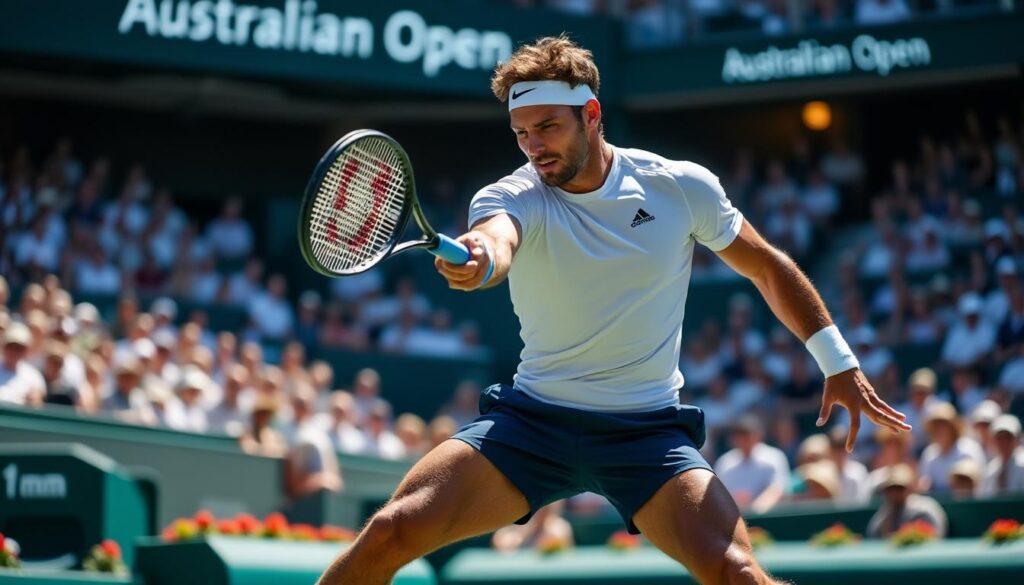
In the electrifying arena of professional tennis, string tension stands as a silent game-changer. Tour players are increasingly opting for setups that defy conventional wisdom, tailoring racquet tension to unlock unprecedented levels of performance. This shift is not merely about raw power or razor-sharp control; it’s a subtle dance between comfort, spin potential, and strategic finesse that shapes every rally, every match point. As the 2025 tennis season unfolds, string tension trends among the world’s elite reveal a landscape rich with personalization and bold experimentation.
Across ATP and WTA tours, players are adopting diverse string tension configurations that reflect their unique playing styles, court conditions, and evolving strategies. The classic belief that higher tension always equals tighter control or that lower tension means less accuracy has been challenged by recent performance data. Instead, a more nuanced approach has emerged, one that considers the interplay between string type, tension, and grip size to optimize not just shot execution but overall player durability in the demanding tour schedule.
Tour players are now documenting their tennis stringing preferences meticulously, analyzing match outcomes alongside equipment tweaks to identify their sweet spot. This trend towards data-driven customization echoes throughout training programs worldwide, from elite academies to independent coaching camps. The result? String tension is no longer a fixed parameter but a dynamic tool tuned for each surface, opponent, and climatic condition, influencing every facet of competitive tennis.
In this dynamic landscape, knowing the ins and outs of racquet tension becomes essential for aspiring players and fans aiming to understand the game beyond the baseline. The following exploration reveals how string tension trends are reshaping tennis setups among tour players in 2025, highlighting key examples, technological advancements, and actionable insights that define the cutting edge of performance optimization.
- Lower string tension is gaining traction on faster surfaces like grass, enhancing power and touch for controlled slicing and serving nuances.
- Hybrid string setups combining natural gut and polyester strings are preferred for balancing control and comfort, especially by top pros like Novak Djokovic and Roger Federer.
- Individualized setups dominate player preferences, with tension varied widely even among players competing on identical surfaces.
- Older racquet models remain favored for consistency and feel, despite newer technological advances being available on the market.
- Grip size choices, like Carlos Alcaraz’s unusual preference for grip size 4, influence string tension decisions and overall shot execution.
How String Tension Influences Performance Optimization in Competitive Tennis
Understanding the role of string tension in tennis setups is akin to unlocking a secret code that athletes and coaches have studied for decades. String tension directly affects the racquet’s response to ball strikes, impacting power, control, spin, and comfort—elements critical in competitive tennis. The delicate balance is imperative: too tight, and the strings lose power but gain pinpoint accuracy; too loose, and the player gains explosive shot potential but risks erratic ball placement.
For tour players, this tradeoff is a constant consideration. Players like Alexander Zverev and Daniil Medvedev showcase how lower tension setups can amplify power and reduce strain, especially during marathon baseline exchanges. Their stringing approaches, hovering near 23-24 kg, foster a blend of comfort and penetrating shot-making ability tailored to their aggressive, flat-hitting styles. Such choices underscore the strategic nuance behind string tension beyond the surface stereotypes.
Conversely, athletes such as Novak Djokovic employ hybrid string setups with asymmetric tension—higher tension on vertical strings and slightly looser cross strings—to optimize control without sacrificing flexibility. This hybrid approach, combining natural gut’s responsiveness and polyester’s durability, creates a stable yet lively string bed that adapts to varying ball strikes and court speeds. By fine-tuning tension within a narrow band (26-28 kg), Djokovic achieves exceptional shot precision and spin control indispensable for modern tour play.
Even surface conditions influence tension preferences significantly. On grass, a court renowned for speed and low bounce, players trend toward lower string tension to add a softer feel and amplify power, facilitating effective slices and fast serves—a strategic adaptation that goes against the grain of traditional high-tension theory. This nuanced understanding of turf dynamics is critical for tour players aiming to maintain peak performance.
Informed by scientific principles and empirical evidence, string tension curves in tennis have transitioned from fixed preferences to flexible strategies thoroughly incorporated into training regimens. For players seeking to emulate tour-level performance or optimize their own game, grasping these string tension impacts can unlock the next level of their tennis setup and technique.
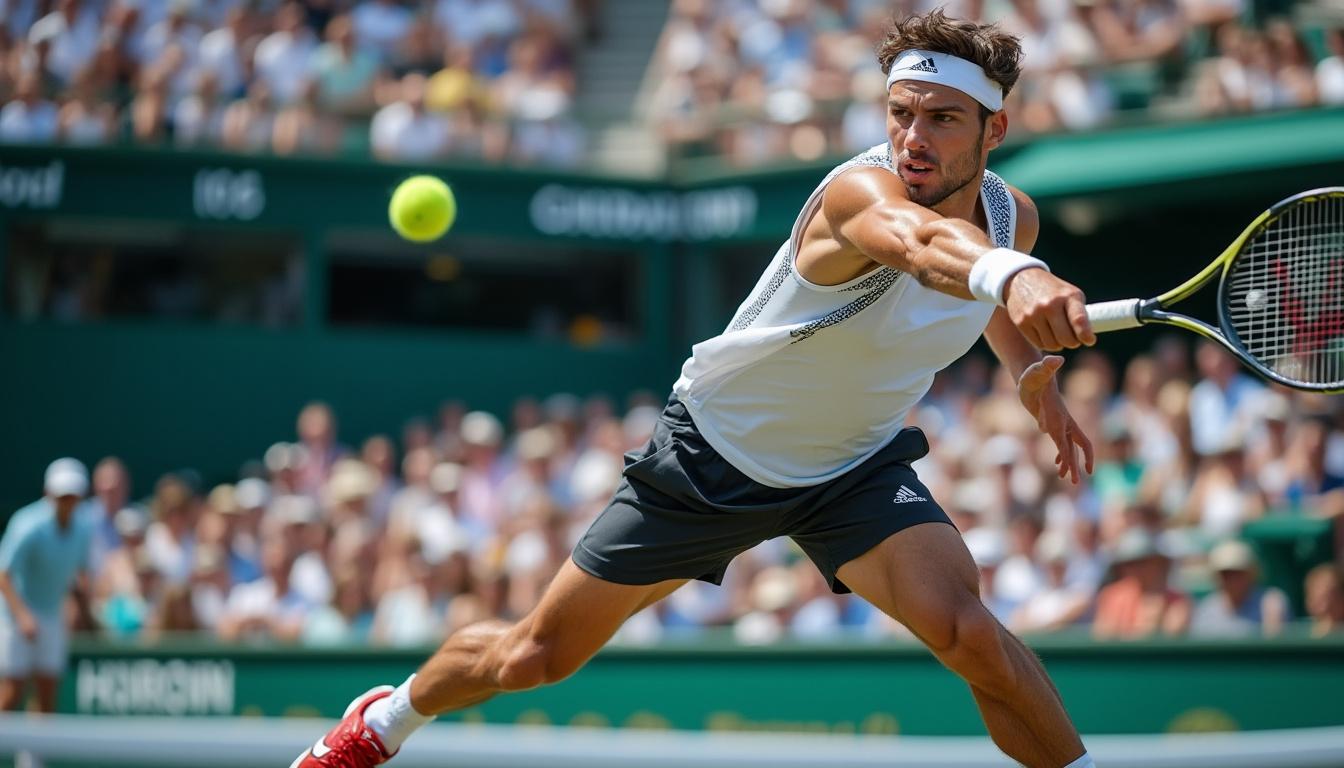
Tour Players’ Personalized String Tension Trends and Popular Setups in 2025
Professional tennis players remain distinctly individualistic when it comes to their choice of racquet tension, string material, and grip size. In 2025, these preferences reflect a blend of tradition, innovation, and personal comfort, all aiming at performance optimization. Detailed analysis reveals a broad spectrum of tension configurations even among the top-ranked contenders.
Carlos Alcaraz, for instance, favors a moderate tension range between 24 and 25 kg with his signature Babolat RPM Blast monofilament strings. This balance between power and control supports his aggressive baseline dominance and heavy topspin arsenal. Alcaraz’s unique grip size 4 on his Pure Aero 98 also aligns with his style, demonstrating how grip dimensions interact closely with string tension choices to influence shot precision and player comfort.
Rafael Nadal, synonymous with relentless energy on clay courts, utilizes the same Babolat RPM Blast but strings his racquet around 25 kg—a tension fostering exceptional topspin and control demanded by slower surfaces. His stringing exemplifies how specific surface demands shape tension preferences, with a clear link to playing style and shot execution.
Meanwhile, Novak Djokovic’s tension setup teeters between 26 and 28 kg on a hybrid string bed combining Babolat VS Team Natural Gut with Luxilon Big Banger Alu Power Rough. This configuration grants him exquisite control and flexibility, vital for his all-court adaptability and defensive resilience. Similarly, Roger Federer’s hybrid combination of Wilson Natural Gut and Luxilon Alu Power Rough strings at about 26.5 and 25 kg respectively showcases his emphasis on comfort and precision, particularly when volleying and attacking on faster surfaces.
Less traditional setups also populate the tour. Matteo Berrettini opts for a notably lower tension of roughly 22 kg using Signum Pro Poly Plasma strings to maximize power, particularly useful in his heavy serve-dominated game. Jannik Sinner prefers about 24 kg tension with Head Hawk Touch strings, striking a middle ground to support his tactical baseline play needing both control and touch.
This detailed diversity demonstrates that popular setups on tour are far from uniform; rather, they are customized to player preferences, strategic needs, and changing court conditions, reinforcing a culture of experimentation and personalization in elite tennis.
Detailed String Tension Data Among Top ATP Players
| Player | String Type | Tension Range (kg) | Playing Style Influence |
|---|---|---|---|
| Carlos Alcaraz | Babolat RPM Blast (monofilament) | 24 – 25 | Balanced power and control for topspin-heavy baseline play |
| Rafael Nadal | Babolat RPM Blast (monofilament) | ~25 | Topspin optimization on clay |
| Novak Djokovic | Babolat VS Team Natural Gut / Luxilon Big Banger Alu Power Rough (hybrid) | 26 – 28 | Control and flexibility for all-court play |
| Roger Federer | Wilson Natural Gut / Luxilon Big Banger Alu Power Rough (hybrid) | 25 – 26.5 | Comfort and precision in attacking and net play |
| Alexander Zverev | Luxilon Big Banger Alu Power | ~24 | Power and comfort for baseline dominance |
| Daniil Medvedev | Tecnifibre Razor Code / Tecnifibre Ice Code (monofilament) | ~23 | Power and comfort for flat baseline shots |
This data equips players and coaches with practical insights into the multifaceted relationship between string tension and on-court effectiveness, supporting the tailored approach to equipment seen across the professional landscape. For those looking to refine their gear, resources like tennis stringing trends offer comprehensive guidance on matching tension to playing styles.
Grip Size and Its Intersection With String Tension in Player Preferences
Grip size remains a subtle yet powerful factor in how string tension affects performance. The choice of grip not only influences comfort but fundamentally changes racquet handling and shot control. This interplay is vividly illustrated by Carlos Alcaraz’s adoption of a grip size 4, which is relatively uncommon among elite players with smaller hands.
Grip size affects how players generate racquet head speed and manage vibration. A larger grip can reduce wrist motion, stabilizing shots but potentially limiting maneuverability. This shift in racket dynamics impacts the desired string tension. For example, Alcaraz’s grip size likely allows him to experiment with moderate tension, finding that sweet spot that balances power with his deft touch, especially on forehands and high-spin backhands.
Grip size variations contribute to why no single string tension trend can dominate across the tour. Each player must consider not only their swing but also ergonomic factors that influence muscle fatigue and injury prevention. Customized setups involving both grip and string tension represent a holistic approach to performance optimization embraced by tour players.
Emerging research, coupled with insights from top coaches, suggests players might benefit from periodically reassessing grip size in conjunction with string tension adjustments as their game and physical condition evolve. For those committed to fine-tuning their racquet setup, the interaction between string tension and grip size is a critical area of exploration.
Why Older Racquet Models and Tried-and-True Setups Remain Popular Among Tour Players
Despite the push for innovation in tennis gear, many tour professionals cling to racquet models that have proven their worth over years of competition. The Wilson Blade, for instance, enjoys widespread popularity across the WTA circuit despite the availability of newer models. Some players even continue to use older racquets with updated paint jobs to maintain the feel and performance they trust.
This tendency underscores a fundamental principle in tennis equipment: consistency breeds confidence. Players like Mirra Andreeva illustrate this perfectly by sticking with the Wilson Steam 100 BLX. The stability in racquet specifications helps players avoid the unsettling adjustments that come with new gear, ensuring their string tension setups deliver predictable performance match after match.
The consistency factor is crucial when string tension itself is a variable. Changing racquet models implies altering frame stiffness and vibration characteristics, which affect the player’s string tension experience. Players optimize this equilibrium with their trusted racquets before tweaking tension, grip, or string type to eke out marginal gains essential at the highest competition levels.
For players exploring their firsthand tennis stringing preferences or seeking to understand racket stringing trends more deeply, acknowledging the role of familiar racquet models offers valuable perspective. The interplay between tradition and innovation continues to define tennis setups on tour, marking 2025 as a year where personalized equipment reigns supreme.
Mastering Your Own Tennis Stringing Setup: Lessons from Tour Player Preferences
For any player aiming to improve their game, learning from tour-level string tension trends can be transformative. The recurring theme across the professional circuit is the art of personalization—optimizing tension to suit playing style, physicality, and surface conditions while considering grip comfort.
Effective string tension tweaks can drastically influence shot selection and match outcomes. Here are essential pointers distilled from the pro tour:
- Power and spin generation: Lower tensions between 20-24 kg with monofilament strings elevate ball lift and spin potential. Ideal for aggressive baseline players seeking to dominate with heavy topspin.
- Control and precision: Higher tensions, often 25-28 kg, especially with hybrid setups, grant pinpoint accuracy for players focused on tactical baseline exchanges and precise shot placement.
- Comfort and injury prevention: Low tension combined with multifilament or natural gut strings help dampen vibrations, reducing arm fatigue—a boon for players managing chronic conditions or long match durations.
- Surface adaptation: Adapt tension based on court type; for example, reduce tension on grass to enhance power and touch, while using higher tension on slower clay courts for control.
- Grip size congruity: Reevaluate grip size alongside string tension adjustments to maintain ergonomic balance and prevent muscle strain.
Embracing these insights can empower players to experiment confidently, tracking performance metrics post-stringing to identify their best personal setup. Understanding string tension as a dynamic component that evolves with each player’s game is the key to unlocking peak performance, much like the adaptable choices displayed by tour players in 2025.
For detailed advice and strings recommendations tailored to various styles and surfaces, tennis equipment guides and current racket control-power evaluations provide invaluable support in the quest for perfecting your tennis stringing.
What string tension range is best for beginner tennis players?
Beginners typically benefit from moderate to low string tension (approximately 22-25 kg) as it offers a balance of power and control without sacrificing comfort, helping develop consistent strokes while reducing the risk of arm strain.
How do professional players adjust string tension for different court surfaces?
Players tend to lower string tension on faster surfaces like grass to gain more power and a softer feel, while increasing tension on slower courts like clay for enhanced control and spin. These adjustments reflect the required shot characteristics and surface ball behavior.
Why do some pros prefer hybrid string setups?
Hybrid setups combine different string types (natural gut and polyester) to merge the benefits of both, offering enhanced control, comfort, durability, and the ability to tailor string tension across the string bed for specific shot requirements.
Can changing grip size affect my string tension performance?
Yes, grip size influences racquet handling and shot control, which relates directly to how string tension translates into on-court performance. Adjusting grip size can require corresponding changes in string tension to maintain optimal comfort and effectiveness.