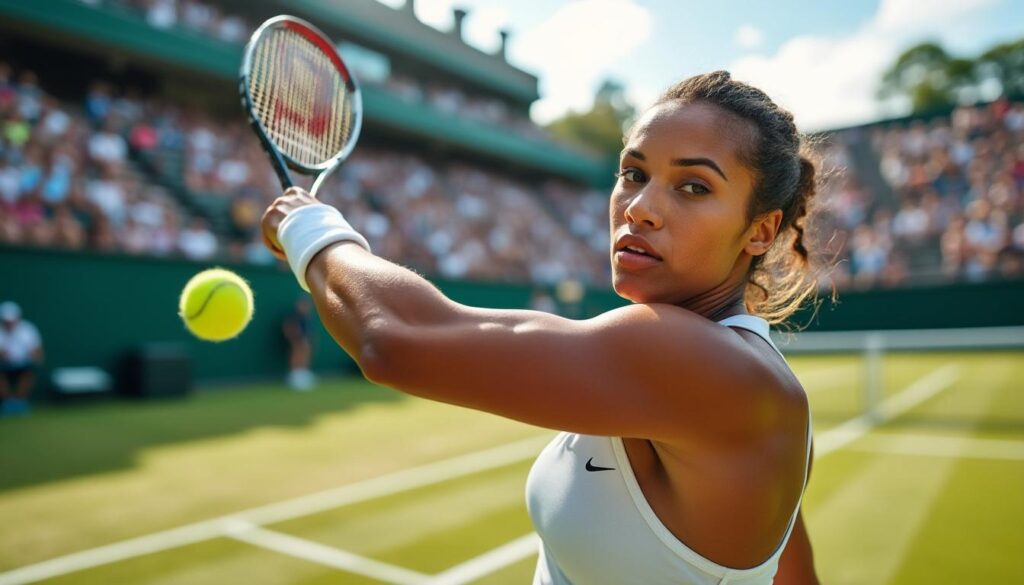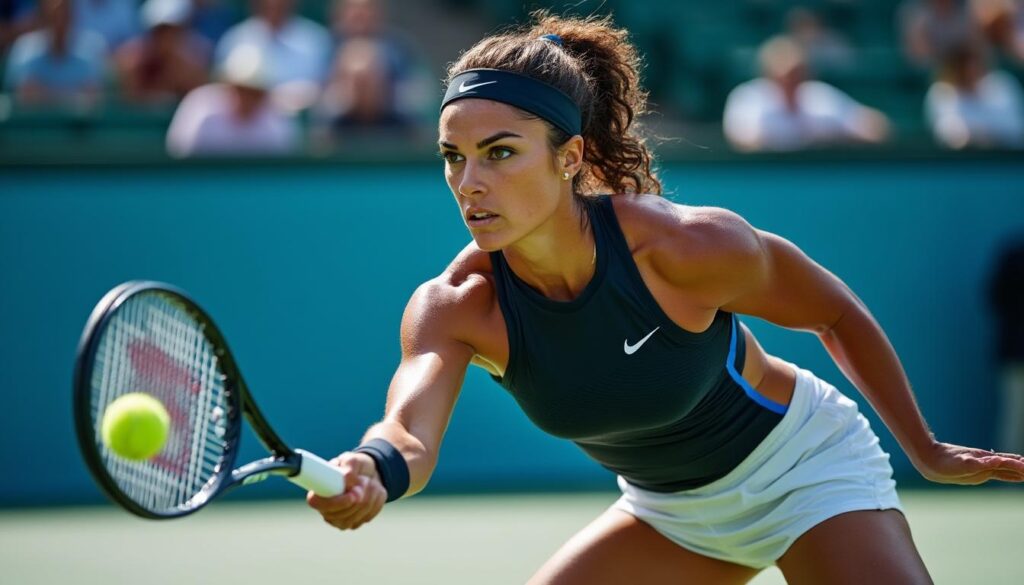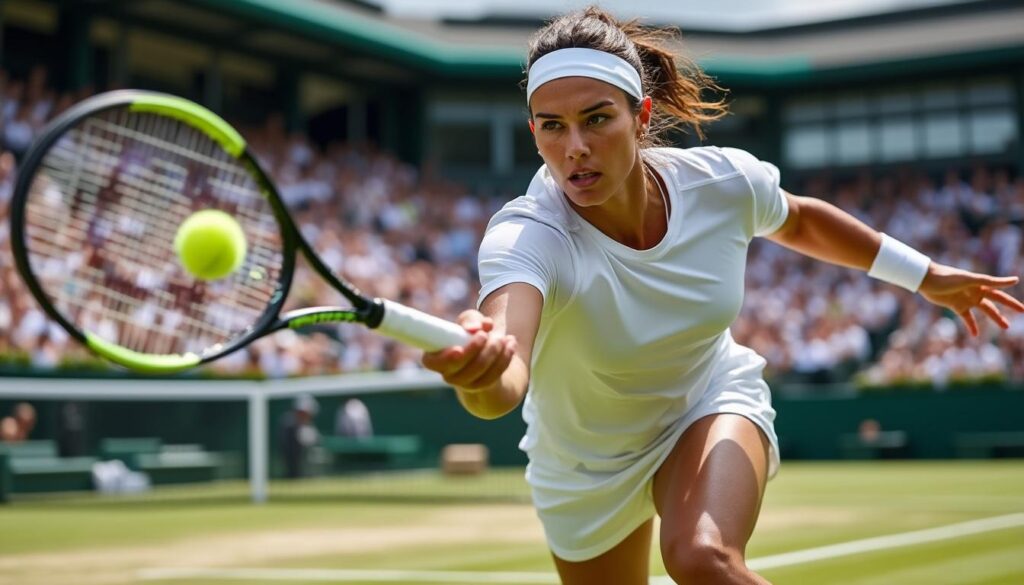
In tennis, the subtle art of returning serve can transform a match from a mere volley to a high-stakes duel filled with suspense and strategy. Mastering the return of serve requires an intricate blend of quick reflexes, precise positioning, and an instinctive feel for timing. This dynamic moment—when the receiver anticipates the server’s shot—can dictate the flow and outcome of a game, weaving tension and excitement that captivates players and fans alike. Understanding the critical techniques behind positioning cues, the split-step, timing, and first-ball patterns offers an invaluable window into the heart of competitive tennis.
Every serve sets the stage. The defender’s readiness affects not only their capacity to neutralize the pace and spin of the ball but also the psychological battle unfolding during serve reception. Anticipation becomes a weapon, footwork the backbone, and tactical thinking the difference between an aggressive return and a lost point. Observing how top players manage these elements ignites a deeper appreciation for the complexity beneath what appears as swift, instinctive play.
This masterclass delves deep into the mechanisms that separate competent returners from elite champions. By dissecting the precise positioning cues that hint at the serve’s direction, perfecting the split-step timing as a launchpad for explosive movement, and decoding first-ball patterns that reveal how pros control the rally’s opening, players can elevate their tennis return proficiency to new heights. The intersection of physical preparation and mental sharpness creates an electrifying narrative every time the ball is served.
In brief:
- The art of the return of serve blends precise positioning, split-step timing, and strategic first-ball patterns to seize control early in the rally.
- Reading subtle positioning cues from the server offers clues to anticipate serve direction and spin effectively.
- The split-step acts as a cornerstone of dynamic footwork, balancing readiness with burst movement vital for fast serves.
- Mastering timing, especially the split-step, means transitioning smoothly from preparation to attack.
- First-ball patterns are tactical blueprints that shape how players dictate the rally after the serve reception.
- Top players use these techniques to convert serve reception into offensive opportunities, influencing match momentum dramatically.
Unlocking Positioning Cues to Enhance Serve Return
Positioning cues are subtle signals from the server that give away key information about the serve direction, pace, and spin before the ball even leaves the racket. Expert returners watch closely for these silent language signs, interpreting body alignment, grip changes, and toss placement to predict the trajectory of the serve. An astute understanding of these cues allows the returner to position themselves optimally and react faster.
For example, a server’s body angle often provides the first hint. Players who open their shoulders early typically favor wide serves, stretching the court horizontally. Conversely, serving with a closed or square stance may indicate a body serve directed toward the returner’s body, aiming to jam or deflect them. Observing hand and wrist positioning near impact is equally revealing; a flick of the wrist could signal a slice serve, demanding quicker lateral movement from the receiver.
Optimizing court positioning based on these observations helps reduce reaction time drastically. Those ready to shift earlier find themselves racing to the optimal contact point rather than scrambling. Take, for instance, the staggered stance some of the world’s best use to help adjust positioning instantly according to the server’s motion. With enhanced footwork grounded in reading these cues, players reinforce their anticipation skills, making the initial return more effective and less rushed.
Wiring these visual signals into muscle memory isn’t immediate but requires consistent practice. Drills focusing on observing and responding to serve variance build incremental improvements. Many competitive players study video breakdowns to spot tendencies and body language quirks before matches, arming themselves with mental game plans.
One specific resource dedicated to analyzing the intersection of positioning and serve reception details how to integrate these cues into holistic footwork strategies, proving indispensable in competitive environments serve improvement drills.
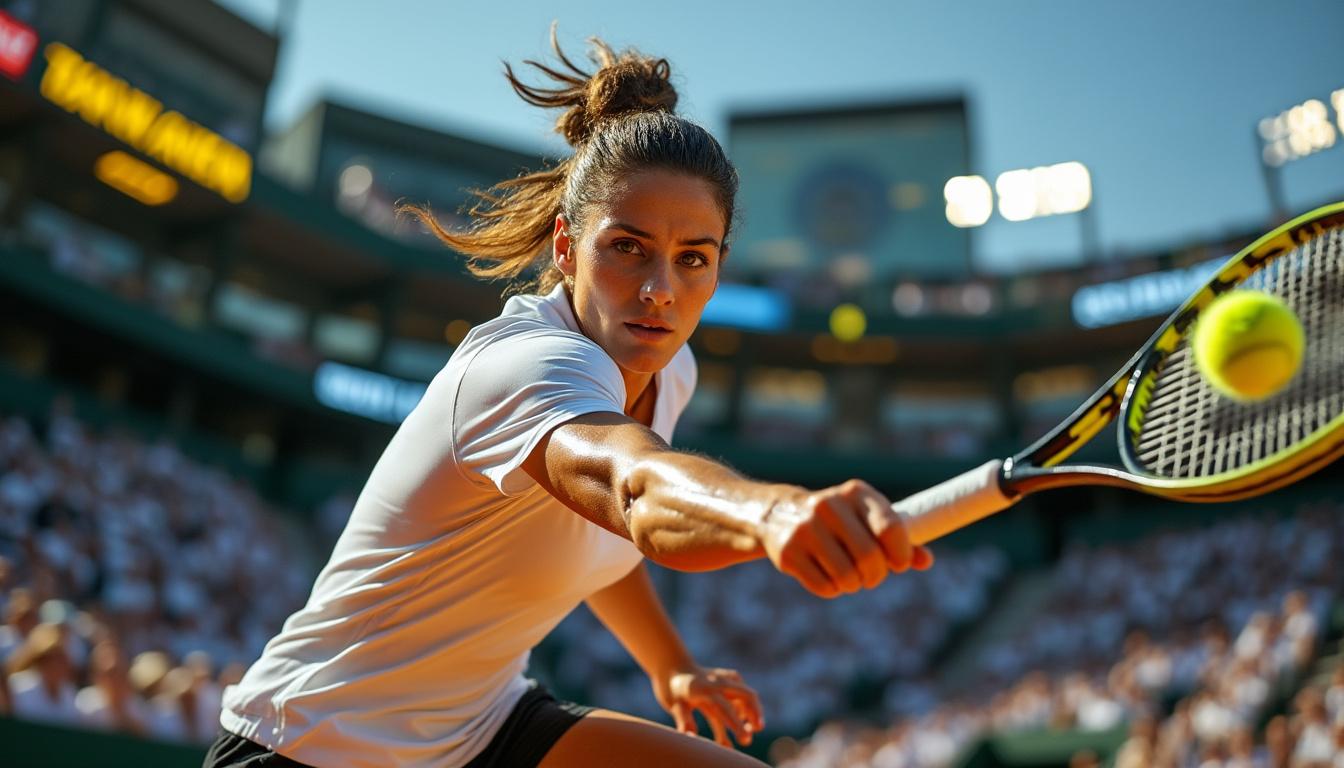
Mastering the Split-Step: Timing Is Everything in Serve Reception
The split-step is the heartbeat of an effective tennis return, a subtle yet decisive movement underpinning the receiver’s readiness. This brief hop executed just before the server contacts the ball acts as a springboard, enabling rapid directional shifts and explosive acceleration. Without precise timing and balance in the split-step, footwork loses efficiency and responsiveness, inviting errors or slow reactions.
The trick lies in syncing the split-step exactly with the server’s ball toss or racket impact. If premature, the player forces unnecessary tension and loses the rebound effect; if delayed, they fall behind the ball’s velocity. Achieving this balance demands heightened anticipation focused on the smallest visual triggers—like the toss height or server’s knee bend.
Practicing split-step timing involves drills where players respond to random or simulated serves, reinforcing the neural pathways tied to latency and explosive muscular response. Elite returners often describe the split-step as the “gateway” between passive waiting and active engagement, providing a mechanical edge that separates aggressive returners from the rest. Studies comparing split-step timing among ATP players highlight how millisecond advantages here correlate with higher first-ball success rates and enhanced rally control return serve split-step.
Footwork after the split-step is equally vital. The receiver must remain light on their feet, keeping their center of gravity low while carving out the ability to cover wide angles or approach the net swiftly after a short return. Chain-linking the split-step with quick lateral pushes and balanced stride transitions transforms good defense into opportunistic offense. The continuous dialogue between mental timing and physical footwork strengthens.
Integrating split-step awareness improves overall serve reception and amplifies an athlete’s capacity to adapt to high-speed serve variations, forming the foundation for precision and consistency necessary in high-level competition.
Deconstructing First-Ball Patterns: Tactical Avenues to Dominate the Rally
Return of serve goes beyond mere reaction; it involves shaping the rally’s narrative through calculated first-ball patterns. These patterns represent the strategic plays executed immediately after the return, setting the tone for the ensuing points. Proper knowledge of first-ball patterns enables players to anticipate opponents, create openings, and stay one step ahead in the mental chess game on court.
There are several standard categories of first-ball patterns, each with distinct tactical implications. For example:
- Deep Crosscourt Return: Delivers a powerful and well-placed shot deep into the opponent’s backhand corner, pushing them off balance early.
- Chip-and-Charge: A shorter, sliced return that allows the player to rush the net and pressure the server’s passing shots.
- Directional Early Drive: An aggressive return targeting the server’s forehand side, aimed at seizing control early.
- Body Return: Designed to jam the server, forcing weak control or error.
Choosing the right first-ball pattern depends on several conditions: the server’s tendencies, the receiver’s strengths, court surface, and match situation. Mixing patterns keeps opponents guessing, disrupting their rhythm and momentum. For instance, Novak Djokovic’s renowned return game famously blends deep crosscourt shots with occasional chip-and-charge plays, exemplifying tactical versatility rooted in first-ball pattern mastery Djokovic return blueprint.
Players who master these patterns convert mere returns into offensive statements, shifting from defense to attack within moments. Coaches often build specific drills focusing on pattern repetition to cultivate automatic instincts, ensuring players can instinctively execute the best option under pressure. Coupled with insightful positioning and impeccable timing, first-ball patterns form a framework for sustained dominance in serve reception.
The Integral Role of Footwork and Anticipation in Serve Reception Excellence
Reactive footwork combined with keen anticipation lies at the heart of a potent tennis return. Footwork is the vehicle that carries the player from neutral stance to aggressive positioning following the server’s shot. However, without anticipation, even the quickest feet lag behind. Thus, serve reception hinges on coupling flawless footwork mechanics with predictive insights.
Anticipation starts with studying the server’s habits, rhythm, and physical cues—factors that cue the likely serve type and direction. This cognitive edge enhances the decision-making speed, enabling the returner to commit to movement earlier with confidence. Concurrently, footwork drills emphasize balance, agility, and explosive pushes, training muscles to respond instantly at the split-step and beyond.
Common footwork patterns post-split-step include lateral shuffles, crossover steps, and small drop steps, engineered to cover ground efficiently without sacrificing recovery. Practicing these in various return scenarios helps embed muscle memory that replicates under match pressure, increasing stability and reducing injury risk.
A balanced training regime incorporating serve and return combo routines develops this intricate synergy, weaving anticipation with flawless footwork. Players can transform serve reception from a moment of risk into a potent weapon, dictating play rhythm and unsettling opponents.
| Footwork Drill | Purpose | Key Focus |
|---|---|---|
| Lateral Shuffle Drill | Enhances quick side-to-side movement | Balance, low center of gravity |
| Split-Step Timing Drill | Improves synchronization with serve impact | Reaction speed, timing precision |
| Crossover Step Drill | Increases coverage of wide serves | Foot placement, recovery speed |
| Anticipation Visualization | Refines serve reading skills | Focus, mental imagery |
Adapting Return Strategies to Match Conditions and Player Styles
Every tennis serve unfolds uniquely depending on conditions such as surface type, weather, and player style. Adapting return strategies accordingly can tip the balance between being outpaced or taking initiative. For instance, returns on fast grass courts prioritize quick reflexes and compact strokes, while clay courts reward deeper positioning and strategic lobs or heavy topspin returns.
Player tendencies also shape return tactics. An aggressive baseline player might rely on early attacking returns to prevent powerful serve-and-volley players from dictating points. Conversely, defensive returners may emphasize consistent, deep returns forcing errors or low-percentage shots.
Professional players constantly adjust their positioning cues recognition, split-step timing, and first-ball patterns as matches evolve. This adaptability enables taking advantage of opponents’ fatigue, predictable serve tendencies, or changing momentum. For example, an ATP study covering return successes in Davis Cup matches reveals that dynamic adjustments in positioning and timing correlate directly with winning return statistics return serve Davis Cup.
Implementing this adaptive mindset requires both technical training and mental acuity. Visualization exercises and in-match situational drills boost responsiveness, helping players anticipate and counteract diverse serving strategies with confidence. When returners weave together these elements, the serve reception becomes a launchpad for relentless offense rather than passive defense.
Incorporating these finely tuned return tactics enhances shot selection, reduces unforced errors, and maximizes point-winning opportunities, making the return of serve a decisive weapon across all court surfaces and match types.
What is the ideal timing for the split-step during a serve return?
The split-step should be executed just as the server is making contact with the ball, often coinciding with the ball toss reaching its apex. This timing allows the returner to react instantly and explosively towards the ball after the serve.
How can positioning cues improve anticipation on serve return?
By reading the server’s body angle, toss location, and racket preparation, the returner gains critical insight into where the serve is likely directed. This improves anticipation and enables quicker, more accurate footwork adjustments.
What are common first-ball return patterns to master?
Common patterns include deep crosscourt returns, chip-and-charge, body-targeted returns, and directional early drives. Mastering these allows the player to control the rally from the very first shot after the serve.
How important is footwork in the return of serve?
Footwork is essential as it underpins the player’s ability to move quickly and adjust position post split-step. Efficient footwork ensures balance, speed, and readiness to execute precise returns, directly impacting return quality.
Can return strategies be adapted for different court surfaces?
Absolutely. For instance, faster surfaces like grass require quicker reaction and compact returns, whereas slower surfaces like clay allow deeper court positioning and more strategic shot selection. Adapting strategies for surface type is crucial to return success.