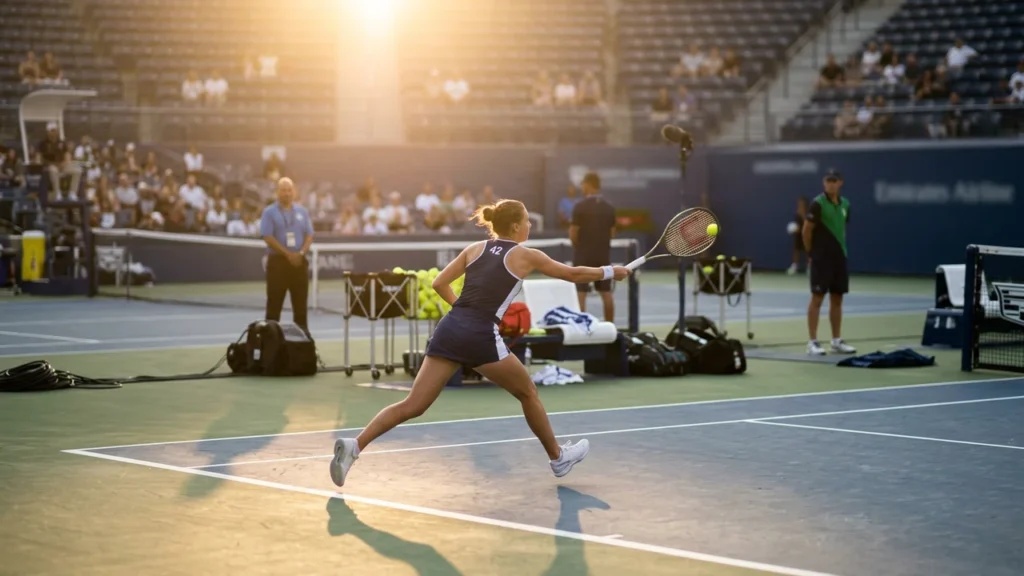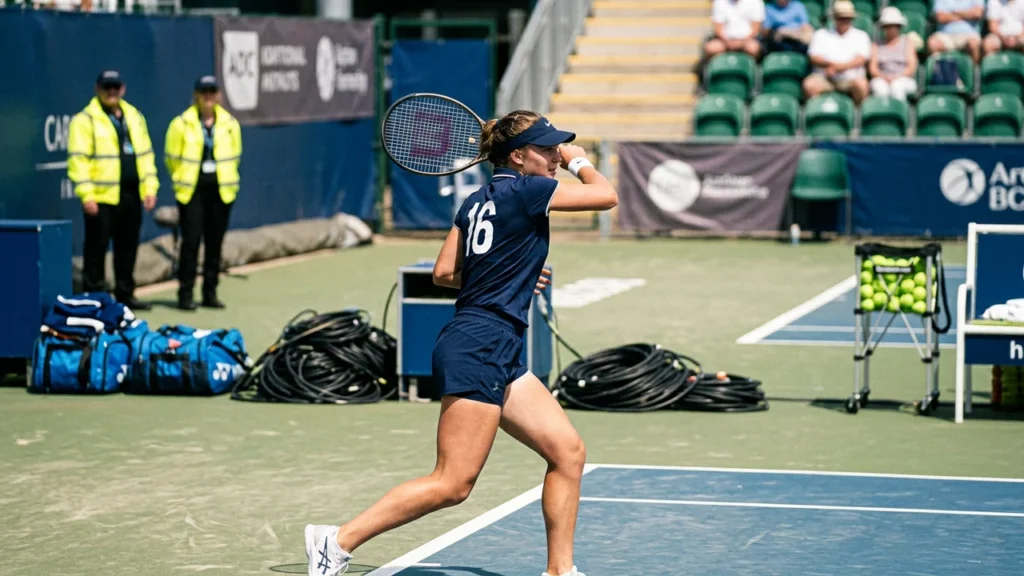
The WTA indoor swing lights up the flickering lights of the late-season calendar, transforming courts in Abu Dhabi, Cluj-Napoca, and Ostrava into battlefields where grit meets grace. As players shift gears from outdoor summer battles to the unforgiving, climate-controlled environments, the indoor swing offers a unique theatre of speed, precision, and tactical warfare. This phase of the season is always brimming with intrigue—where rising talents clash with seasoned veterans, and where every point carries the scent of battle and breakthrough.
Abu Dhabi’s desert glare, Cluj-Napoca’s Eastern European fervour, and Ostrava’s storied Czech arena together compose a symphony of fast-paced women’s tennis that demands attention. Each event, standing as a pillar of the WTA calendar, offers a melting pot of styles and narratives ready to unfold. The indoor surfaces here tighten the margin for error, heightening intensity and rewarding players who exploit every nuanced angle and volley. For fans tracking the WTA events and avid followers of the indoor swing, the stakes couldn’t be higher.
Beyond just rankings and prize money, these tournaments provide a pulse check on form and fitness heading into the season’s climax. The unique challenges of high-velocity indoor courts—where serve dominance and aggressive baseline play often dictate fate—create palpable tension in each rally. The tennis schedule thus demands a close watch as players’ strategies adapt, showcasing resilience and flair in equal doses.
Breaking Down the WTA Indoor Swing: Abu Dhabi’s Strategic Showdown
Abu Dhabi’s tournament is much more than just a desert spectacle; it is a distinguished chapter in the WTA indoor swing saga, attracting a formidable mix of star power and hungry challengers. The arena here amplifies every serve and rally, where the tightly controlled conditions mean players face fewer external variables—no wind, rain, or sun glare—turning focus squarely inward to technical proficiency and mental fortitude.
Players entering Abu Dhabi are acutely aware that indoor conditions magnify the impact of their strokes. Serving precision becomes paramount, with many matches hinging on razor-thin margins. For example, aggressive servers can harness the speed of the hard courts for quick points, but this also means consistent returns and rapid transitions to the net can pay dividends. The combination of sleek footwork and strategic shot placement demands a high-octane blend of offense and defense.
Consider the journey of a comeback star who adapts to these conditions with tenacity. Emerging from the qualifiers, leveraging sharp angles and quick reflex volleys, she maneuvers through the draw to challenge top seeds accustomed to outdoor grind. This part of the indoor swing frequently becomes a crucible for such breakthrough performances.
Abu Dhabi also serves as a testing ground for players working on their tactical evolutions. Expect to see variations in shot selection and court positioning, as players attempt to dissect opponents in this no-margin environment. Data from past iterations show a growing trend of players fine-tuning their baseline consistency and enhancing net play to capitalize on the swifter courts. WTA indoor events like these ruthlessly reward adaptability.
It’s no surprise that the Abu Dhabi tournament often sets the tone for the indoor season’s narrative arcs. With its potent mix of tactical chess and sheer athleticism, this event is a must-follow for those scouting emerging contenders and established stars tuning their game for the final push of the year.

Cluj-Napoca’s Fierce Battles and Rising Stars in Women’s Tennis
Cluj-Napoca, nested in Romania’s vibrantly passionate tennis heartland, offers a rich tapestry of indoor tennis drama. Here, the tug-of-war between experienced campaigners and fresh-faced talents writes some of the WTA indoor swing’s most compelling chapters. The hardcourt surface in Cluj sharpens every contest, demanding unrelenting intensity and pinpoint execution.
This city’s tournament acts almost like a melting pot where diverse playing styles meet and clash, from aggressive power baseliners to crafty counter-punchers. The indoor conditions neutralize weather-induced variability, spotlighting motor skills, anticipation, and mental quickness. This focus on pure tennis fundamentals often results in matches layered with suspense and tactical depth.
One standout trend is the rapid rise of youthful players seizing the opportunity in Cluj to announce their presence on the big stage. These rising stars capitalize on precision striking and fearless aggression, turning the fast courts into their personal launchpads. Meanwhile, local crowd fervor injects energy into these contests, adding an emotional edge that elevates the stakes.
In-depth analysis of the Cluj-Napoca tournament reveals the key strategies crafting winners: aggressive first serves, tactical use of drop shots to break rhythm, and the evolution of relentless baseline consistency. The WTA indoor swing here is not just about power but about the symbiosis of heart and technique. Coaches and players alike emphasize strategic footwork drills and string tension optimization to perfect strokes for these conditions, a trend highlighted in recent reports on indoor hardcourt string tension.
For anyone tracking women’s tennis development, Cluj-Napoca offers a front-row seat to emerging talents and tactical innovations that could redefine how players approach fast indoor surfaces going forward. From tactical nuances to stamina demands, this tournament is a profound lesson in the evolving art of indoor tennis.
Ostrava’s Electric Atmosphere and Tactical Precision in the Indoor Swing
Ostrava stands out as a powerhouse arena where the WTA indoor swing reaches another peak of intensity. This Czech city has become synonymous with electric atmospheres, punching crowds, and matches that unfold like high-stakes chess games. The indoor hardcourt surface demands strategic precision—every rally is a test of patience, timing, and razor-sharp execution.
The Ostrava tournament has witnessed several iconic clashes in recent years, where veteran savvy faced off with youthful zeal. The confined indoor setting amplifies the speed of play, making reaction time, explosive movement, and anticipation vital components of success. Players often find themselves pushed to physical and psychological limits.
Highlighting the tournament’s impact, many competitors have fine-tuned their baseline footwork and backhand consistency, as outlined in detailed analyses such as those on backhand reliability and footwork in tennis. Such technical refinements are crucial in Ostrava’s setting, where defensive skills often morph into offensive opportunities mid-rally.
Ostrava’s place on the tennis schedule also makes it an essential staging post for players eyeing top qualifications and crucial ranking points heading towards the WTA Finals. The intensity here, amplified by the crowd’s fervent support, makes it a battleground where mental toughness often separates champions from contenders.
Expect all the hallmarks of a top-tier WTA indoor swing event: powerful serves, tactical net approaches, and dominant baseline rallies, but woven with an added layer of psychological warfare. Profiles of returning champions reveal how grit and relentless preparation were decisive, transforming Ostrava into a crucible of elite women’s tennis tactical mastery.
Key Players to Watch During the WTA Indoor Swing
The WTA indoor swing acts as a transformative stage for players’ trajectories—both established stars sharpening their edge and emerging talents breaking through. The unique demands of the indoor game highlight specific skill sets that can pivot the outcome of matches and tournaments.
To understand what unfolds in Abu Dhabi, Cluj-Napoca, and Ostrava, focusing on players blending aggressive serving with baseline control is crucial. Power hitters who can harness the hardcourt’s speed, combined with athleticism and mental resilience, often rise above the pack. Players known for their adaptability and clever crafting of point construction hold a radar-worthy status here.
Emerging stars are another category worth noting. Many have exploded into the scene during these WTA events, using the indoor swing to showcase superior footwork and refined shot selection. Their fearless approach—taking calculated risks, mixing drop shots with strong groundstrokes—has turned heads and altered expectations.
List of skills that matter most during the indoor swing:
- Explosive and accurate serves that produce outright winners
- Consistent, powerful baseline rallies with strategic shot variation
- Impeccable footwork and anticipation for fast-paced response
- Confident net approaches and volleying skills
- Strong mental resilience to withstand pressure and shift momentum
| Player | Strengths | Recent Performance in Indoor WTA Events 2026 | Potential Impact |
|---|---|---|---|
| Maria Petrova | Power serve, aggressive baseline strokes | Finalist in Abu Dhabi, semifinalist in Ostrava | Top contender for WTA Finals qualification |
| Elena Radic | Footwork, defensive counter-punching | Quarterfinalist in Cluj-Napoca, upset specialist | Emerging talent with high ceiling |
| Sofia Munteanu | Net play, tactical variety | Winner in Cluj-Napoca, strong Ostrava showing | Rising star threatening established leaders |
This tournament update is invaluable for tracking key players as they adapt to indoor nuances and position themselves for end-of-season opportunities. The upcoming weeks will further distill who has the game and grit to thrive as the indoor swing reaches its crescendo.
Trends and Tactical Evolutions Shaping the WTA Indoor Circuit
The indoor swing has continually evolved as players and coaches innovate to beat the clock and conditions. Recent patterns reveal a surge in string tension adjustments, more aggressive baseline tactics blended with timely net plays, and renewed emphasis on recovery protocols to sustain peak performance across consecutive fast-paced tournaments.
One striking shift is the prioritization of the serve as a weapon, with players focusing on precision placement over pure speed to disarm returners quickly. This tactical refinement, observed across Abu Dhabi, Cluj-Napoca, and Ostrava, signals a subtle but potent evolution in how top women’s tennis pros approach indoor hardcourts.
Additionally, the mental game’s spotlight comes into sharper focus during the indoor swing. The pressure-cooker environment—where points are rapid, margins slim, and atmosphere intense—demands resilience and emotional control. Players who master this edge often emerge victorious, as witnessed in numerous recent matches chronicled in detailed tournament highlights available on weekend tennis highlights.
Furthermore, injury prevention and swift recovery are non-negotiables in this demanding stretch of WTA events. Strategies such as tailored warm-ups, post-match nutrition, and optimized rest cycles are universal among today’s successful contenders, reflecting a professionalization of off-court routines as critical competitive advantages. For anyone curious about the best approaches to sustain performance after hard-fought matches, resources on post-tournament recovery tips offer valuable guidance.
The ongoing dance of innovation, physical demand, and mental toughness keeps the WTA indoor swing dynamic, compelling, and impossible to take your eyes off. These tournaments are not mere waypoints but battlegrounds redefining women’s tennis strategies and elevating the standard of competition.
What makes WTA indoor swing events unique compared to outdoor tournaments?
Indoor swing tennis events feature controlled environments free from weather factors, which amplify players’ focus on technical precision, serve dominance, and tactical footwork. The fast indoor hardcourt surfaces create a high-speed, intense style of play that rewards adaptability and mental toughness.
Which players excel during the indoor swing and why?
Players who combine aggressive serving, baseline power, meticulous footwork, and mental resilience typically excel during the indoor swing. Their ability to control rallies in tight conditions and adjust tactics on the fly sets them apart in tournaments like Abu Dhabi, Cluj-Napoca, and Ostrava.
How do the tournaments in Abu Dhabi, Cluj-Napoca, and Ostrava impact the WTA rankings?
These tournaments offer significant ranking points that influence players’ end-season positioning, crucial for qualifying for prestigious events like the WTA Finals. Strong performances here can catapult emerging talents into the spotlight and help established stars maintain or enhance their ranking status.
What tactical trends are emerging from the 2026 WTA indoor swing?
Recent trends include refined serve placement over speed, increased use of aggressive baseline play combined with net approaches, and enhanced recovery protocols between matches. These elements shape how players compete on indoor hardcourts, influencing match outcomes and season trajectories.
Where can fans watch highlights and stay updated on the indoor swing?
Fans can follow dynamic coverage and exciting highlights through specialist tennis websites featuring WTA indoor events updates, as well as curated video highlights and expert analyses after each tournament.