Rafael Nadal’s return to the Swiss Indoors in Basel is more than just a routine comeback — it’s a test of resilience shadowed by ongoing health challenges and the relentless march of time. After more than a decade away, the indomitable Spaniard prepares to battle the indoor courts against rising Italian qualifier Simone Bolelli, a match that symbolizes both a new chapter and a daunting challenge. The backdrop features whispers of impending appendix surgery, a recent disruption during his Asian tour, and the familiar nag of a wrist injury that sidelined him throughout much of last season. Yet, Nadal’s determination remains unshaken, poised to translate his hard-fought triumphs and relentless training into a renewed presence on the ATP stage. This week in Basel offers the chance to rekindle his indoor game, sharpen his competitive edge, and possibly carve through a draw that features some of the tour’s finest, including world number nine Hubert Hurkacz waiting in the wings should Nadal advance in Italy. With a career marked by both astounding victories and battling formidable setbacks, Nadal’s 2025 campaign could prove a fascinating study of grit, strategy, and adaptation amidst a fiercely evolving tennis landscape.
Nadal’s Physical Challenge and Mental Fortitude in the Swiss Indoors Basel
Nadal’s return to Basel comes at a critical moment in his career, marked by the volatile health condition of a troublesome appendix, which has forced him onto a rigorous antibiotic regimen in hopes of delaying an imminent surgery. This medical uncertainty adds an extra layer of risk and complexity to his performance expectations at the Swiss Indoors tournament, a place he has not competed at since 2004 and where the shadow of local legend Roger Federer looms, with Nadal historically holding an 0-2 record in his rival’s hometown.
Competing with Physical Constraints
Nadal candidly expressed his reservations about the toll the medication has taken on his body, including muscle fatigue and a lack of rhythm—all detrimental when combined with the intense pressure adrenaline injects during high-stakes matches. Being “scared” in the best possible way, Nadal shows remarkable self-awareness in recognizing the fragile balance between recovery and overexertion. This situation is particularly challenging when considering his style, which relies heavily on physical endurance, explosive speed, and relentless pressure from the baseline.
- Antibiotic regimen effects leading to underestimated weariness during practice sessions.
- Injury history including a persistent wrist issue that curtailed his previous season.
- Adrenaline’s double-edged sword during match play, masking pain but risking further injury.
- Psychological hurdles inherent in battling a body that cannot always keep pace with mental intent.
Such concerns echo the themes discussed in recent analyses of how injuries impact tennis champions, reaffirming the vital importance of balance in high-level athletic competition. Nadal’s commitment to staying competitive while respecting his physical limits speaks volumes of his maturity and strategic planning, acknowledging the impermanence of peak physical condition but the sustainability of elite mental preparation.
| Factor | Impact on Nadal’s Play | Mitigation Strategy |
|---|---|---|
| Appendix inflammation | Potential disruption via pain and reduced stamina | Antibiotic treatment and medical monitoring |
| Wrist injury | Impaired stroke consistency and power | Gradual return to full training, cautious match play |
| Adrenaline variability | Unpredictable energy spikes and fatigue | Focus on mental conditioning and pacing |
This holistic approach underscores a larger narrative in tennis today, where athletes blend physical care with mental toughness, supported by advances in sports medicine, nutrition, and coaching techniques. Brands such as Nike and Adidas provide cutting-edge gear designed to optimize comfort and performance, while equipment choices from Wilson, Yonex, and Babolat increasingly cater to individual player needs, factoring into rehabilitation and performance continuity.
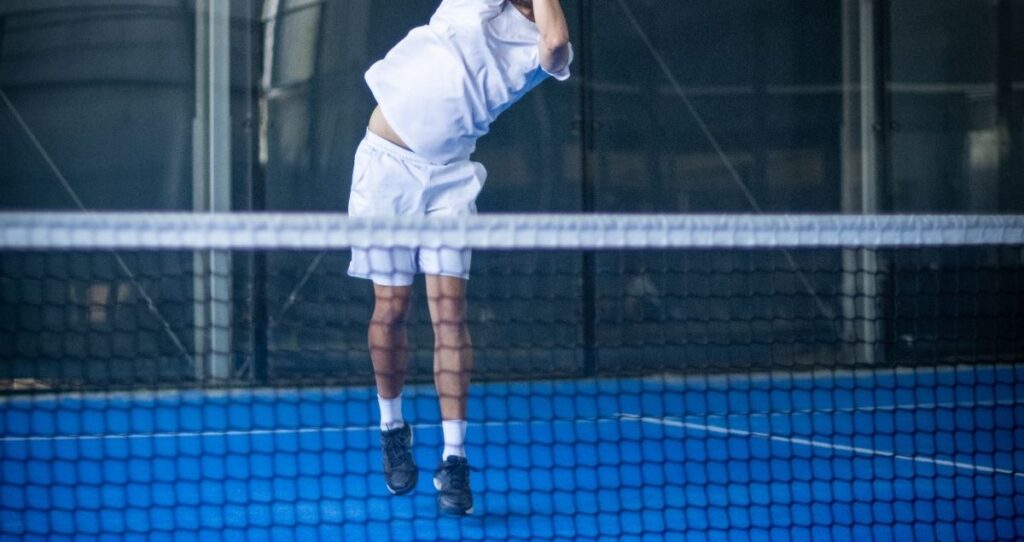
Emergence of Italian Talent and the Tactical Battle Ahead
The opponent Nadal faces, Italian qualifier Simone Bolelli, symbolizes the influx of promising young talent reshaping the ATP circuit. At 28, Bolelli embodies both the vigor and unpredictability of the new guard, representing a significant challenge despite his lower ranking and qualifier status. This clash pairs veteran experience against youthful ambition — a classic narrative in tennis’s ongoing generational duel.
Tactical Dynamics at Play
Bolelli’s game thrives on aggressive shot-making and proficient net play, contrasting sharply with Nadal’s signature baseline endurance and heavy topspin. The indoor surface at Basel, known for its controlled bounce and faster pace compared to clay courts, tends to favor players with a trusty serve-and-volley skill set, favoring agility and sharp reflexes. This environment tests Nadal’s adaptability and strategic versatility, demanding precise shot selection and physical stamina under pressure.
- Serve-and-volley proficiency as a tactical advantage for Bolelli indoors.
- Topspin-heavy baseline play as Nadal’s persistent weapon to control rally pace.
- Short, aggressive points contrasted with extended rallies demanding supreme conditioning.
- Adapting to indoor court surface, bridging the learning gap since last Basel participation in 2004.
For tennis enthusiasts seeking insights into performance on specific surfaces, exploring the details in the tennis clay and surface tips guide can elucidate the nuanced adjustments players must make transitioning between clay, hard, and indoor courts. Nadal, while famed for his clay-court mastery shaped with his trusted Babolat racquets, now faces an opportunity to refine his hard court and indoor repertoire, spotlighting his versatility and commitment.
| Player | Strengths | Weaknesses | Surface Preference |
|---|---|---|---|
| Rafael Nadal | Baseline endurance, heavy topspin, strong defense | Wrist injury, fatigue management | Clay, improving indoors |
| Simone Bolelli | Aggressive net play, accurate serve, indoor experience | Consistency, pressure handling | Hard courts, indoors |
As the match unfolds, fans should keenly observe how Nadal’s mental acuity and physical tactics meet the aggressive style of Bolelli, who carries the motivation of making a breakthrough on a prestigious ATP 500 stage. This duel also serves as a case study in the evolution of tennis equipment technology and player conditioning, topics well-documented in resources such as the comprehensive tennis training improvement guide. Optimized gear by companies like Head, Asics, Lacoste, and Puma contribute increasingly to endurance and injury prevention, critical in matches demanding swift adaptability.
Reflection on Nadal’s Season and Career Path in 2025
Rafael Nadal’s 2025 season to date sketches a portrait of a warrior navigating the twilight of an epic career. After missing the Northern summer’s Grand Slam defence due to wrist recovery, his campaign has been a careful balance of ambition and prudence. Early losses mixed with remarkable comebacks — such as the recent hard-won three-set victory over Zizou Bergs in Rome — illuminate his ongoing struggle to blend recovery with competitiveness.
Season Highlights and Setbacks
Notable moments include a quarter-final showing in Beijing and early exits in Shanghai and Barcelona. The suspense of when he might finally hang up his racquet adds emotional weight to each match he contends with — especially on the fast-approaching clay courts of Roland Garros, where expectations remain towering given his record 14 French Open titles.
- Interrupted season due to wrist injury and ongoing physical constraints.
- French Open as a potential farewell battleground depending on physical readiness.
- Challenges of maintaining ranking and seed positions amidst extended absences.
- Legacy weighing alongside relentless young contenders, including Alcaraz and Sinner.
Amidst this landscape, Nadal’s career evolution is an embodiment of perseverance transcending trophies — an athlete continuously redefining competitive longevity, mental toughness, and strategic evolution. Fans and analysts alike pore over discussions on ranking systems and rating models to assess how Nadal stands amid the elite and emerging ATP talent. His choice of racquet brands continues to influence the market, with the likes of Babolat and Wilson delivering custom tools that assist his offensive and defensive play styles, highlighting the crucial relationship between athlete and technology in modern tennis.
Preparations for Roland Garros and Transition to Clay Season Challenges
Looking ahead, Nadal’s preparations pivot firmly toward the clay season, where his historical dominance is unrivalled. Transitioning from indoor hard court matches in Basel and Italy to the slow, grinding rallies on Parisian clay requires tailored conditioning, equipment adjustment, and mental recalibration.
Key Elements in Clay Season Readiness
Nadal’s approach includes a comprehensive focus on footwork, endurance training, and tactical patience, elements extensively explored in conditioning programs for Grand Slam success. This season, fine-tuning these aspects is crucial to offset the physical toll incurred throughout 2025.
- Enhanced footwork drills adapted for the unpredictable clay surface.
- Specialized racquets and string tension configurations from trusted brands like Yonex, Head, and Babolat to suit slower pace and top-spin orientation.
- Increased focus on nutrition and recovery, supported by insights on pro player diets in 2025 ensuring sustained energy levels.
- Mental strategies bolstering patience and tactical variation during long rallies, supported by advanced mental training techniques.
The forthcoming clay court season beckons as a challenging but fitting arena for Nadal to potentially script his farewell masterpiece. Fans and players alike anticipate the interplay of seasoned skill versus youthful vigor — in a sport where every point can turn the tide and every set tests both body and spirit.
| Preparation Area | Focus | Nadal’s Approach | Supporting Equipment |
|---|---|---|---|
| Footwork | Movement efficiency on clay | Intensive drills improving slide control and agility | Asics court shoes designed for clay surface grip |
| Equipment | Racquet and strings adaptation | Optimal string tension for heavy topspin shots | Babolat, Yonex racquets with customized strings |
| Nutrition | Energy management and recovery | Balanced diet focusing on protein and hydration | Sports nutrition customized plans |
| Mental Conditioning | Focus and tactical patience | Visualization and mindfulness exercises | Professional coaching and psychology support |
Future Outlook: Navigating the ATP Tour Amid Rising Stars and Competitive Depth
As Nadal aims to navigate the ATP Tour with superb tenacity despite physical limits, the broader tour demonstrates a surge of young talent ready to seize the spotlight. This transition period underscores the importance of strategic scheduling, recovery emphasis, and tactical innovation. With fitness regimes often involving advanced gear from brands like Under Armour and Lacoste, players optimize every possible edge.
Strategic Tournament Participation
Tailoring tournament choices becomes key. Nadal’s appearances in ATP 500 events like Basel and his plans for the Italian Open and Roland Garros highlight a nuanced approach balancing competitive exposure and physical sustainability. Fans tracking the calendar can explore upcoming tennis tournaments for the latest on who’s playing where and when.
- Selective event entries to maximize recovery and peak performance.
- Focus on clay and indoor hard court events aligning with current fitness levels.
- Adoption of advanced recovery technologies to counterbalance the wear of competition.
- Monitoring rising stars like Sinner and Hurkacz to adjust tactical planning.
This calculated approach, when juxtaposed with Nadal’s wealth of experience, may offer a blueprint for extending elite career longevity amidst evolving tour demands. The ongoing development of technology informs tactics as well — from racquet innovations to wearables monitoring physiological status in real time.
| Aspect | Current Trend | Impact on Nadal’s Strategy |
|---|---|---|
| Technology | Advanced gear improving recovery and training data analysis | Informs precise load management and injury prevention |
| Tournament Selection | Prioritizing events with favorable surfaces and manageable schedules | Optimizes physical readiness and competitive chances |
| Emerging Player Styles | Dynamic, aggressive players with diverse skill sets | Necessitates tactical adaptability and innovation |
For passionate tennis fans, keeping pace with such developments feeds into the thrill of the sport, making resources like live streaming of ATP and WTA matches essential for real-time engagement. Nadal’s ongoing journey epitomizes tennis’s timeless drama—a narrative of glory and grit as old legends and fresh contenders collide on the court.