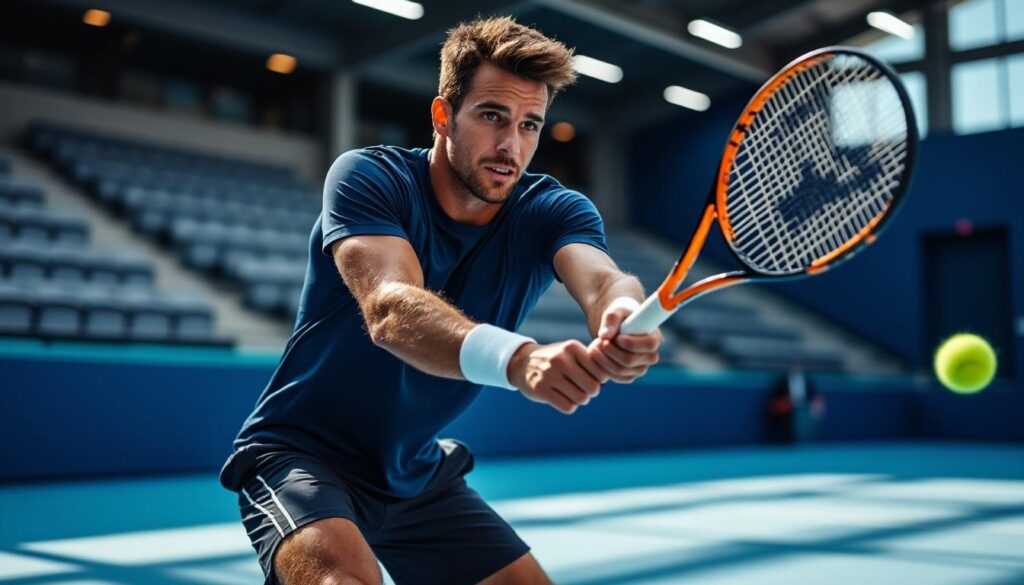
The 2025 tennis season has not only brought thrilling matches and new champions but has also revolutionized the equipment players trust with each swing. The latest tennis gear speaks volumes about how innovation, player feedback, and cutting-edge technology converge for performance gains on every surface. Whether it’s the precision-crafted racquets designed to match the diverse playing styles, or tennis shoes engineered for unmatched stability and comfort, this season’s lineup commands attention.
Every inch of the court feels different when equipped with the newest generation of tennis gear. For professionals and weekend warriors alike, the advancements in racquet technology and sports footwear are reshaping how the game is played. From durable, spin-friendly strings to shock-absorbing soles that protect joints during intense rallies, 2025 is a year defined by player empowerment on the court. As tennis continues to marry athleticism with technical finesse, so too does its gear offer tools tailored to those ambitions. This gear review highlights the essential innovations that are setting courts ablaze this year.
In Brief:
- Top racquets of 2025 offer a blend of power, control, and arm-friendly design, with the Wilson Clash 100 V3 and Tecnifibre TFight series leading the way.
- Advancements in tennis shoes focus on durability and stability, catering specifically to hard and clay court players seeking performance and injury prevention.
- Spin technology and vibration dampening have been fine-tuned to enhance control without sacrificing comfort, ideal for aggressive baseliners and finesse players alike.
- Player-centric design is at the heart of the latest gear, with brands listening closely to court feedback to refine every frame and sole.
- Equipment packing and accessories receive as much attention as racquets and shoes, with practical design evolving to meet the needs of traveling pros and recreational players.
The Best Tennis Racquets of 2025 Designed for Every Playing Style
The tennis court is a chessboard of strategy and skill, and the racquet is each player’s most crucial instrument. The 2025 crop of tennis racquets reflects a remarkable trend of refinement rather than radical redesign, with brands honing in on what players truly need to elevate their game. From seasoned pros to ambitious juniors, these rackets strike the perfect balance of power, precision, and comfort.
- Wilson Clash 100 V3: Renowned for its groundbreaking FreeFlex technology, this racket delivers an unrivaled combination of flexibility and stability. The latest Roland-Garros edition blends gorgeous clay-court aesthetics with performance tweaks that enhance serve punch and volley control. Weighing in at 295g (unstrung) with a 16×19 string pattern, it is the go-to for players seeking arm-friendly power backed by impressive maneuverability.
- Tecnifibre TFight 305S: An underdog turned cult favorite, the TFight 305S focuses on precision, control, and responsive feedback. Its 18×19 string pattern and robust frame provide exceptional plow-through and shot shaping for those who thrive on dictating baseline rallies. The racket’s foam injection significantly dampens vibrations, making it a compelling choice for advanced players attuned to touch.
- Yonex EZONE 100 (2025): Defined by balanced mass and an expansive sweet spot via its isometric head shape, the new EZONE 100 offers plush comfort and adaptability across playing styles. Enhanced dampening innovations help filter out harsh vibrations, pleasing baseliners and all-court strategists alike.
- Babolat Pure Drive (2025): Still the iconic power hitter, Babolat’s refinements to String dwell time and frame stiffness present a softer, arm-friendly feel without compromising its lightning-fast response. Aggressive players benefit from explosive serves and heavy spins, while novices find a manageable learning curve with this powerhouse.
- HEAD Gravity Tour 98: This player’s racket is about dialed-in control paired with enough pop to challenge high-speed exchanges. HEAD’s 16×19 string pattern tweaks and stabilized headlight balance ensure clean feedback on volleys, slices, and flat drives, catering to focused and confident shotmakers.
Below is a comparative table highlighting key specifications of these standout rackets:
| Model | Weight (Unstrung) | Balance | String Pattern | Flexibility (RA) | Ideal Player Level |
|---|---|---|---|---|---|
| Wilson Clash 100 V3 | 295g | 310mm HL | 16×19 | 55 RA | Intermediate – Advanced |
| Tecnifibre TFight 305S | 305g | 320mm HL | 18×19 | 64 RA | Advanced |
| Yonex EZONE 100 | 300g | 315mm HL | 16×19 | 60 RA | Intermediate – Advanced |
| Babolat Pure Drive | 300g | 320mm HL | 16×19 | 62 RA | Intermediate – Advanced |
| HEAD Gravity Tour 98 | 305g | 320mm HL | 16×19 | 63 RA | Advanced |
Exploring the burgeoning variety of racquets in 2025 reveals the industry’s response to detailed player input and the sport’s evolving demands. Those curious about control and power dynamics in tennis rackets can deepen their understanding through expert insights on balancing racquet features.
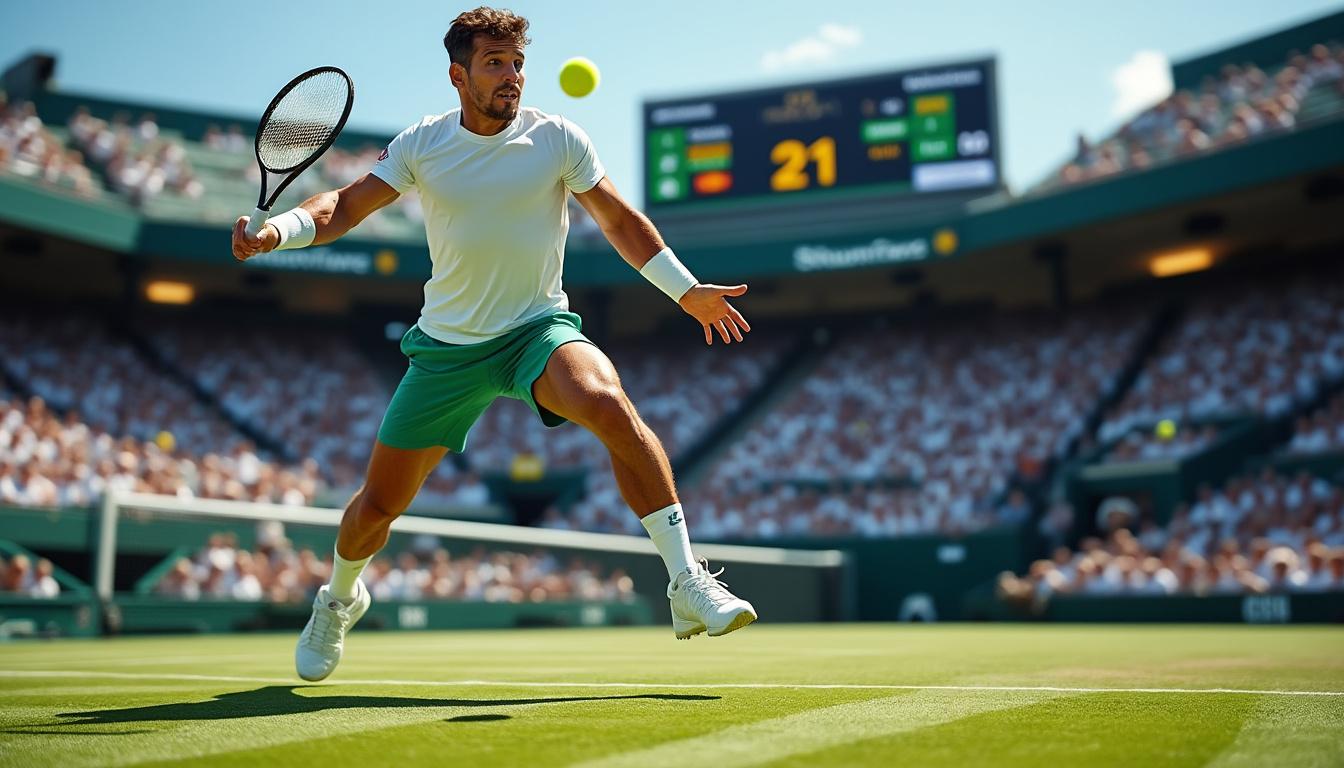
Innovations in Tennis Shoes for Enhanced Court Performance and Injury Prevention
Tennis shoes in 2025 have crossed the threshold beyond mere court accessories to become pivotal performance tools. Innovations emphasize shock absorption, stability, and durability tailored specifically for surface types — hard courts and clay courts seeing the most activity in recent months. For players determined to outrun their opponents or make explosive lateral moves, the latest shoes blend cutting-edge materials with biomechanics to optimize safety and speed.
- Hard court performance: Shoes designed for hard courts maximize sole durability and midsole cushioning to absorb impact without sacrificing court feel or traction. The latest releases integrate carbon-infused midsoles and aggressive tread patterns that promise superior grip and energy return.
- Clay court agility: Specialized clay-court models incorporate softer, fine-grained outsoles that minimize clay adherence while enhancing quick directional changes. Materials are lighter, with reinforced upper support to handle the unique abrasion challenges of clay play.
- Arm and joint health: Recent studies spotlight the role of footwear in injury prevention, promoting shoes with enhanced medial and lateral stability to reduce torque and unnatural foot rolls during intense play. Select models now feature supportive ankle collars and engineered torsion systems.
- Eco-conscious manufacturing: The demand for sustainability influences shoe construction, seeing a rise in bio-based materials and recycled rubber outsoles without compromising performance.
An informative comparison below outlines the critical features for tennis shoes popular in 2025 by court type and performance parameter:
| Feature | Hard Court Shoes | Clay Court Shoes |
|---|---|---|
| Sole Material | Carbon-infused rubber, wear-resistant | Soft rubber with fine-grained herringbone tread |
| Cushioning System | Enhanced EVA foam midsole | Lightweight cushioned midsoles with reinforced lateral support |
| Lateral Support | High-stability TPU and ankle collars | Flexible, yet reinforced with synthetic overlays |
| Weight | Approx. 310-350g | Approx. 280-320g |
| Eco Features | Partial recycled rubber | Biodegradable and recycled materials |
Those hunting for top-tier footwear adapted to hard courts can find detailed evaluations and performance breakdowns in specialized reviews of the best shoes for hard surfaces. Moreover, players interested in combining training and injury prevention should explore comprehensive resources on injury prevention.
Advanced Stringing Techniques and Vibration Dampening in Tennis Racquets
Strings have always been the unsung heroes of tennis gear, dictating spin, control, and overall feel. The 2025 stringing landscape features refined trends that enhance the synergy between racquet frame and string bed, elevating player performance without adding complexity.
- Hybrid Stringing: Combining multifilament and polyester strings, this approach balances power and control, tailoring tension and gauge to player preferences. It offers a forgiving sweet spot with heightened spin potential.
- Variable tension and pattern designs: Advances allow for selective string tension zones, delivering enhanced ball pocketing and reduced string movement. Precision stringers use patterns relevant to the specific racquet models used this year.
- Vibration dampening technology: New materials and built-in dampers integrate directly into racquet handles or throat zones to mute harsh vibrations while preserving ball feel, addressing player demands for arm health without performance loss.
- Temperature resistance: Innovations include thermally stable strings that retain tension in varied climates, critical for players competing globally throughout the year.
Understanding the nuanced stringing options and technology is vital, especially for players aiming to fine-tune racquet behavior. For a deep dive into current stringing trends, one can consult this thorough breakdown of 2025’s string innovations.
How Tennis Gear Influences Player Performance and Injury Prevention
Tennis gear choice goes beyond style—it’s inextricably linked to athlete health and court efficiency. The right equipment optimizes movement mechanics and power transfer while dampening fatigue triggers and injury risks. For instance, the integration of vibration dampening in racquets and improved sole design in shoes actively reduces overuse injuries common in the elbow, shoulder, knees, and ankles.
- Core strength and gear synergy: Strengthening the core has a direct impact on how the body handles forces during play, amplifying the benefits of balanced rackets and supportive shoes. Recent discussions highlight this deep connection between physical conditioning and gear selection.
- Load management through gear: Players strategically select equipment that minimizes unnecessary strain; shoes with enhanced lateral support cut down on ankle twists, while rackets with optimized flex reduce elbow shock.
- Customizable elements: Grip sizes, string tension, and insole types allow players to adapt gear precisely to their biomechanics, ensuring both comfort and peak performance.
- Technology assisting recovery: Some footwear models now incorporate design aimed at post-match recovery, with shock absorption and foot wrapping materials that support swollen or fatigued muscles.
Those interested to understand the interplay of physical fitness and gear essentials can find compelling articles at tennis core strength trends and explore recommended recovery workouts in tennis recovery and mobility programs.
The Must-Have Accessories and Packing Tips for Traveling Tennis Players in 2025
As competition circuits grow more global, so does the need for streamlined gear management. Modern tennis bags and accessories are rising to the challenge, blending practical design with tech-savvy features that maintain organized and ready-to-go setups during tours or weekend tournaments.
- Ergonomic, spacious bags: Designs incorporate compartments tailored for racquets, shoes, electronics, and hydration, with padded straps to ease carrying stress.
- Smart storage solutions: Moisture-wicking pockets and ventilated shoe compartments improve freshness, while GPS-enabled trackers assist in gear location management.
- Essential add-ons: Grip tapes, dampeners, string savers, portable stringing tools, and multilayer wristbands have all received special mentions for enhancing readiness and convenience.
- Efficient packing strategies: Players are advised to segregate clean and used items with proper folding methods that reduce creases and damage to clothing.
A complete guide to tournament gear packing and essentials for the travel pros and dedicated amateurs can be found in this detailed overview and tennis bag essentials.
What are the key features to look for in a 2025 tennis racquet?
The best 2025 racquets balance power, control, and arm-friendly flexibility. Features like weight, string pattern, and vibration dampening are crucial for matching your playing style and comfort needs.
How do tennis shoes differ for hard courts versus clay courts?
Hard court shoes focus on durability and impact absorption with carbon-infused soles and cushioning systems. Clay court shoes offer softer outsoles designed to minimize clay buildup and improve agility with lightweight, reinforced uppers.
Can string tension customization improve my game?
Absolutely. Adjusting string tension affects control and power. Lower tensions boost power and comfort, while higher tensions enhance control. Advanced stringing patterns also allow players to optimize spin and sweet spot size.
Why is vibration dampening important in tennis equipment?
Vibration dampening reduces the harsh shock transmitted to the arm and shoulder, preventing injuries such as tennis elbow. It also ensures better feel and comfort during extended playing sessions.
What are the essential accessories every traveling tennis player should pack?
Key accessories include extra grips, vibration dampeners, string savers, dry towels, hydration bottles, and spare shoelaces. Organizing these efficiently in a well-designed tennis bag ensures readiness for match day.