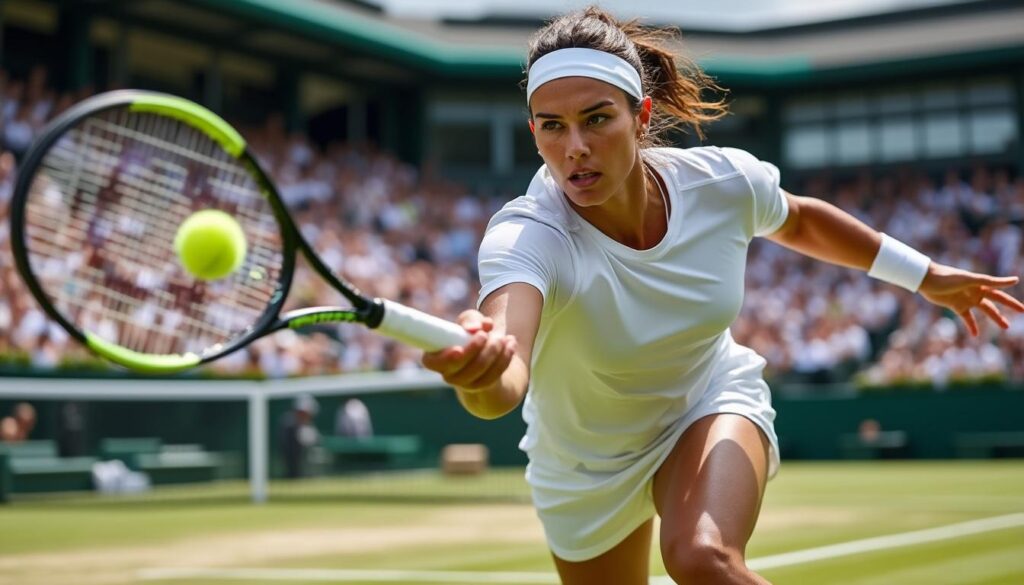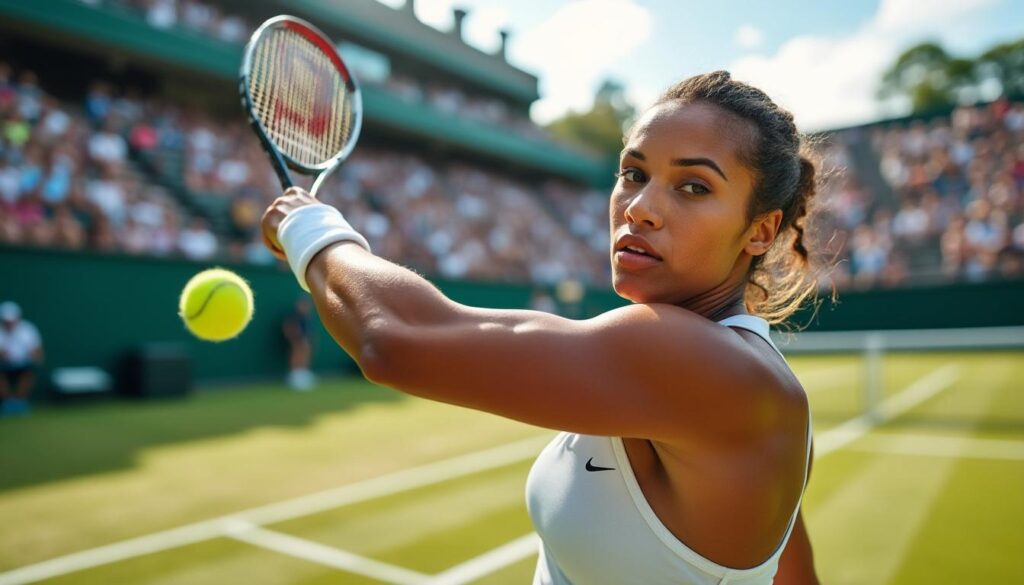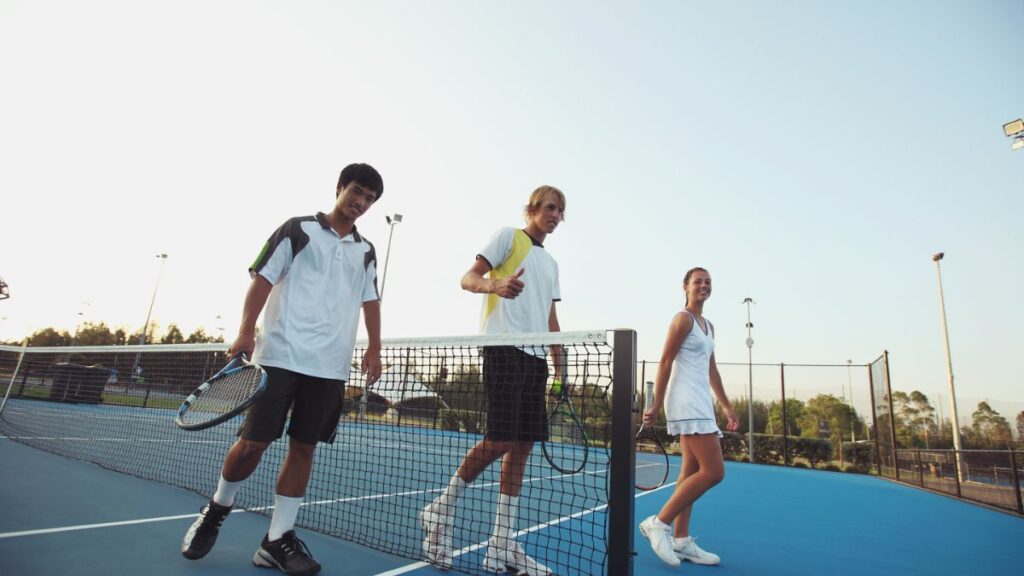
The world of doubles tennis requires an elevated level of strategic thinking, teamwork, and precise shot execution. On November 7, a mid-week tactical session specifically designed for doubles teams offers a golden opportunity to master these essentials, ensuring players of all skills—from 3.0 to 4.0 levels—can elevate their gameplay. This session digs deep into foundational tactics like serve and return strategies, court positioning, and patterns unique to doubles play, all tailored to the demands seen in club-level competitions and beyond.
Unlike singles, doubles tennis thrives on synchronization and anticipation. The dynamic between partners can make or break a match, so understanding how to disguise weaknesses, exploit opponents’ vulnerabilities, and communicate effectively is at the heart of winning doubles matches. This interactive session not only presents tactical guidelines but also engages participants through direct Q&A, scenario walkthroughs, and video breakdowns to provide a rich, immersive learning experience.
- Serve and Return Tactics: Learn how to maximize serve effectiveness and disrupt opponents’ rhythm on returns.
- Team Positioning: Understand roles for net and baseline players to dominate court coverage.
- Movement Strategies: Develop fluid court movement patterns to anticipate and intercept shots.
- Communication Techniques: Foster unbreakable partner coordination and signal comprehension.
- Common Doubles Scenarios: Address challenges like “lob wars” and covering the middle in high-pressure situations.
Mid-week Tactical Session: Foundations of Smart Doubles Play
One of the key pillars explored during the November 7 session is the principle of “smart doubles” tennis—playing with a blend of cunning strategy and tactical finesse rather than relying solely on power or baseline rallies. By embedding these principles, players learn to challenge opponents by amplifying their own strengths and tactically targeting opposing weaknesses.
Understanding and Refining Serve Strategy
The serve in doubles tennis has a multi-layered purpose, from initiating the point assertively to setting your partner up for an advantageous volley or poach. The training emphasizes tactical serve placement, which involves selecting specific targets on the service box to destabilize the receivers.
For example, a well-placed serve to the weaker backhand side of an opponent or angled wide to pull them off the court can force a weak return. This creates opportunities for aggressive net play—something strongly encouraged for doubles players to adopt. Modern rackets from Wilson and Babolat enhance serve power and spin, giving players an edge when practicing these targeted serves.
Return Strategy: Turning Defense into Offense
Effective returns form the backbone of doubles point construction. The session covers how to choose return sides dynamically based on opponent tendencies and serve styles—whether aiming down the middle to jam both servers or targeting the weaker server for control.
One key takeaway is how to deal with weak second serves to defend points successfully and seize attack opportunities. The tactic involves aggressive positioning and selecting between aggressive drives or softly angled returns. Brands like Head and Yonex provide rackets and strings that aid in enhancing control and reactive spin for varied returns.
| Tactical Element | Key Focus | Outcome |
|---|---|---|
| Serve Placement | Target weaker shots; Use wide angles | Earn weak returns, enable poach opportunities |
| Return Positioning | Adjust for serve strength; Attack weak servers | Gain offensive advantage early in point |
| Communication Signals | Pre-point discussion; hand signals | Anticipate poach and switches; avoid confusion |
Additional resources on optimizing serve consistency can be found in specialized guides exploring advanced drills for 2025, such as those focusing on maximizing serve precision under pressure.
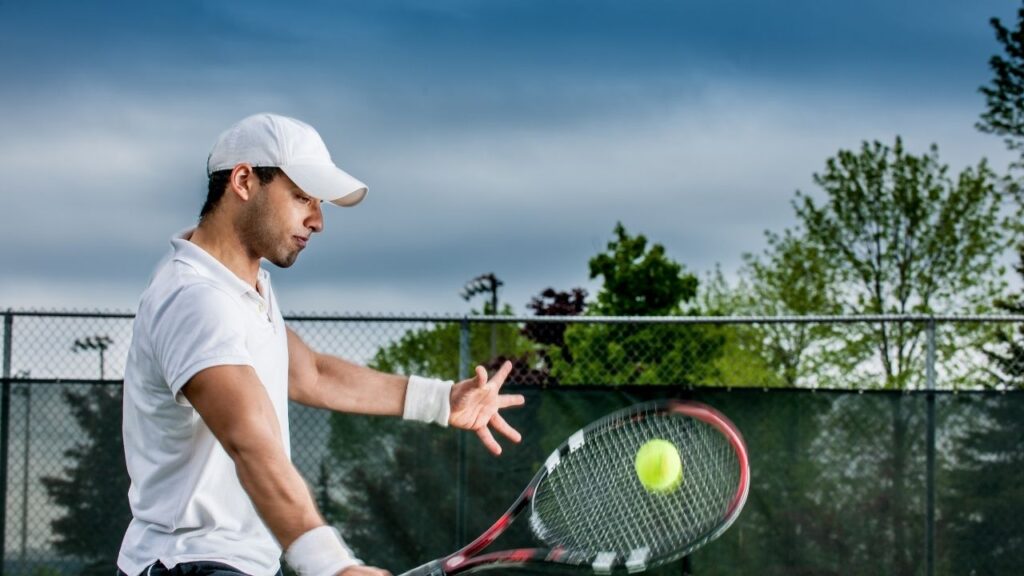
Advanced Tactical Techniques for Doubles Teams
The session advances into complex in-match situations that frequently unfold at the 3.0 to 4.0 levels—those moments that challenge a doubles team’s tactical awareness and execution under pressure. Bringing clarity and solutions to these scenarios is crucial for any team seeking consistent success.
Winning and Avoiding Lob Wars
Lob rallies are often a double-edged sword, exciting and potentially match-changing, but also disorienting if not managed well. Players learn how to decide when to engage in lob exchanges and when to reposition proactively to cut off opponents’ lobs. By anticipating the lob shot’s trajectory early, net players can avoid unnecessary defensive scramble and turn point momentum.
Strategies for Covering the Middle
Deciding which partner guards the middle of the court is one of the most debated topics in doubles. The session provides criteria to assign the middle coverage dynamically based on player strengths and handedness—for example, the forehand player usually handles the middle to maximize reactive volleying ability.
How and When to Let Overhead Shots Bounce
Although classic tennis wisdom often recommends taking overhead smashes on the volley, the reality in doubles sometimes calls for letting the overhead bounce to improve shot setup or avoid defensive overreach. Knowing the right moment to employ this is a subtle skill taught in depth, offering players measured control during extended rallies.
| Scenario | Tactical Consideration | Recommended Action |
|---|---|---|
| Lob Wars | Opponent’s lob frequency; court positioning | Cut off lobs early or reset baseline positioning |
| Middle Coverage | Handedness; partner reflex speed | Forehand covers middle; communicate roles clearly |
| Overhead Bounce | Racket size; player agility | Let bounce for better balance; avoid risky volleys |
For those eager to deepen their versatility, incorporating drills from technical training aids and integrating feedback from video analysis offers a next-level approach to mastering these tactical nuances.
Building Cohesion through Teamwork and Communication
Success in doubles tennis extends beyond individual skills—real impact comes from the chemistry between partners and their ability to communicate effectively. Mid-week tactical sessions typically emphasize team building and communication protocols essential to maintaining a fluid and adaptive partnership on court.
Pre-point and In-play Signaling
Before every serve or return, teams benefit from clearly defined signals that indicate the intended play action—whether a poach, a planned lob, or who covers the alley. Establishing consistent pre-point routines eliminates guesswork and strengthens confidence on every ball.
Modern players often use subtle non-verbal cues to adapt in real time, coordinating movements invisibly to their opponents. This level of sophistication can make the difference in tight sets and tie-break situations, with parallels seen in elite doubles contests worldwide. For club players, this transforms semi-competitive matches into thrilling tactical duels grounded in trust and precision.
Emotion and Energy Management
Effective communication also helps manage momentum shifts and emotional highs or lows during matches. Calling out encouragement, calmly resolving disagreements over missed balls, or quickly adapting to changes in opponents’ tactics are vital team behaviors taught extensively.
| Communication Aspect | Technique | Benefit |
|---|---|---|
| Pre-point Signals | Hand gestures; verbal code words | Prevents confusion; aligns partnership strategy |
| In-play Cues | Eye contact; body language | Coordinates dynamic moves; anticipates opponent plays |
| Emotional Support | Positive verbal feedback; calm tone | Maintains composure; boosts partnership resilience |
Players attracted to upgrading their doubles game are encouraged to adopt fitness routines that complement tactical development—brands such as Asics and Nike offer shoes and apparel designed for peak agility and endurance during fast-paced doubles encounters.

Practice Drills and Match Preparation for Doubles Success
Real progress in doubles strategy emerges from deliberate, structured practice and match preparation. The mid-week session features drills that hone specific doubles skills—serve and volley patterns, poach timing, and lateral court movement—to create instinctive reactions in match conditions.
Effective Warm-ups and Court Use
Warm-up routines tailored for doubles emphasize dynamic stretches, communication activation exercises, and progressive volley drills without a court. Through these, teams prime their coordination and reduce injury risks, a smart practice especially beneficial as competitive seasons peak.
Situational Drills: Responding to Common Match Scenarios
Drills simulating pressure moments such as tie-break scenarios and switching from defense to offense foster resilience and sharpen decision-making. These exercises incorporate feedback loops, video reviews, and partner role rotations to build a well-rounded doubles repertoire.
| Drill Focus | Objective | Benefit |
|---|---|---|
| Serve and Volley Patterns | Instill aggressive net play habits | Increase point-winning chances |
| Poach Timing | Enhance partner coordination | Disrupt opposing rhythm |
| Tie-break Simulations | Practice high-pressure shot choices | Boost mental toughness |
Those interested in detailed drills and strategic insights can explore resources around how to simulate tie-break pressure effectively, enhancing mental game performance in clutch moments.
Current Trends and Equipment for Doubles Players in 2025
Keeping pace with evolving strategies and innovations in tennis gear can profoundly influence doubles performance. In 2025, the popularity of brands like Prince, Tecnifibre, and Wilson remains strong, as they incorporate cutting-edge materials to boost racket control, power, and comfort.
Innovations in Racket Technology
Modern rackets now feature improved string technology, enhanced tension stability, and increased sweet-spot size, all aimed at promoting control under the rapid volley exchanges that doubles demands. Such technological gains empower players to execute precise volley placements and rapid cross-court angles with ease.
Apparel and Footwear Designed for Doubles Dynamics
Footwork and quick lateral movements dominate doubles play, so footwear brands like Adidas and Nike highlight lightweight shoes with advanced grip technology and energy return. Apparel lines increasingly emphasize breathability and freedom of movement to match the vigorous bursts typical of doubles rallies.
| Equipment Type | Latest Features | Benefit for Doubles Players |
|---|---|---|
| Rackets | Enhanced sweet-spot, spin-friendly string tech | Better control and powerful volleys |
| Footwear | Lightweight materials, improved grip | Faster lateral movement, injury prevention |
| Apparel | Moisture-wicking fabrics, flexible cuts | Comfort during intense rallies; improved mobility |
Engaging regularly with emerging trends ensures doubles players remain competitive and agile, capable of adapting swiftly to the evolving pace of the game. Readers interested in the latest tournament insights can follow updates such as the 2025 Wuhan Open predictions or learn about advanced fitness training supporting peak doubles performance through targeted match-ready regimens.