The 2025 Davis Cup final between Italy and Spain in Bologna was a high-stakes clash that not only crowned Italy’s third consecutive title but also presented an epic battle of endurance, resilience, and peak athletic fitness. With star players like Italy’s Matteo Berrettini and Flavio Cobolli stepping up amid absences of key figures such as Jannik Sinner and Carlos Alcaraz, the showdown demanded extraordinary physical and mental durability. Fascinatingly, the post-final period has become a critical chapter in the lives of these athletes, highlighting the strategic and scientific approaches both Italy and Spain employ to recover, rejuvenate, and prep for the upcoming tennis seasons. This recovery guide dives deep into the comprehensive frameworks, cutting-edge methods, and lessons the Italian and Spanish squads reveal about sustaining top-level performance after the grueling Bologna battle.
Key points at a glance:
- Italy’s consistent Davis Cup success owes much to smart fitness management and recovery tactics after intense tournaments.
- Spain’s recovery strategy focuses on injury prevention and customized rehab to maintain elite condition despite the physical toll of competition.
- Post-final fitness recovery blends nutrition, physical therapy, and mental conditioning for sustainable athletic longevity.
- Both teams leverage technology and expertise to optimize readiness for subsequent seasons and tournaments.
- Lessons from the Bologna final provide a blueprint for players and coaches aiming to master sports recovery after pinnacle events.
Italy Tennis Recovery: Building Back Power After the Bologna Davis Cup Final
Italy’s triumph at the 2025 Davis Cup, secured on home soil in Bologna, was not just a testament to raw talent but a masterclass in post-match fitness recovery and conditioning. With key players like Jannik Sinner opting out to prepare for the next season, the physical strain on the squad’s second line — chiefly Matteo Berrettini and Flavio Cobolli — was immense. Managing post-final fitness therefore became a sophisticated operation blending science, targeted rehab, and strategic rest.
Recovery for Italian players emphasizes several pillars:
- Active recovery protocols: Light training sessions designed to enhance blood flow and reduce muscle stiffness without adding undue strain. This helped players like Berrettini bounce back faster, avoiding the common pitfalls of complete inactivity.
- Precision nutrition: Dieticians tailored recovery meals enriched with antioxidants, proteins, and electrolytes, essential for muscle repair and immune system efficiency.
- Physiotherapy and manual therapies: Routine massages, myofascial release, and mobility drills were scheduled meticulously to enhance flexibility and counteract muscle tightness from prolonged intense play.
- Technological aids: Use of cryotherapy chambers and compression gear to accelerate healing and reduce inflammation, making a tangible difference in players’ comfort and readiness.
- Mental and emotional recalibration: Psychological support helped players transition mentally from the high adrenaline of the Davis Cup final to a calm yet focused state prepping for future challenges.
| Recovery Element | Purpose | Application Example |
|---|---|---|
| Active Recovery | Reduce muscle soreness and promote circulation | Low-impact cardio and mobility drills post-match |
| Precision Nutrition | Support muscle repair and immune function | Modified meals including antioxidant-rich fruits and lean protein |
| Physiotherapy Treatments | Restore range of motion and reduce tightness | Myofascial release sessions and therapeutic massages |
| Cryotherapy and Compression | Lower inflammation and speed muscle recovery | Regular cryo chamber sessions and use of compression sleeves |
| Mental Coaching | Enhance psychological resilience and focus | Guided meditation and sports psychology consultations |
Learning from Italy’s approach post-Bologna, tennis players can better understand the importance of blending physical and mental recovery for sustained excellence. For an in-depth dive into offseason fitness tailored to Davis Cup demands, check out offseason fitness for Davis Cup athletes. These techniques are not just for champions; they offer a proven roadmap for any player looking to elevate recovery game plans.
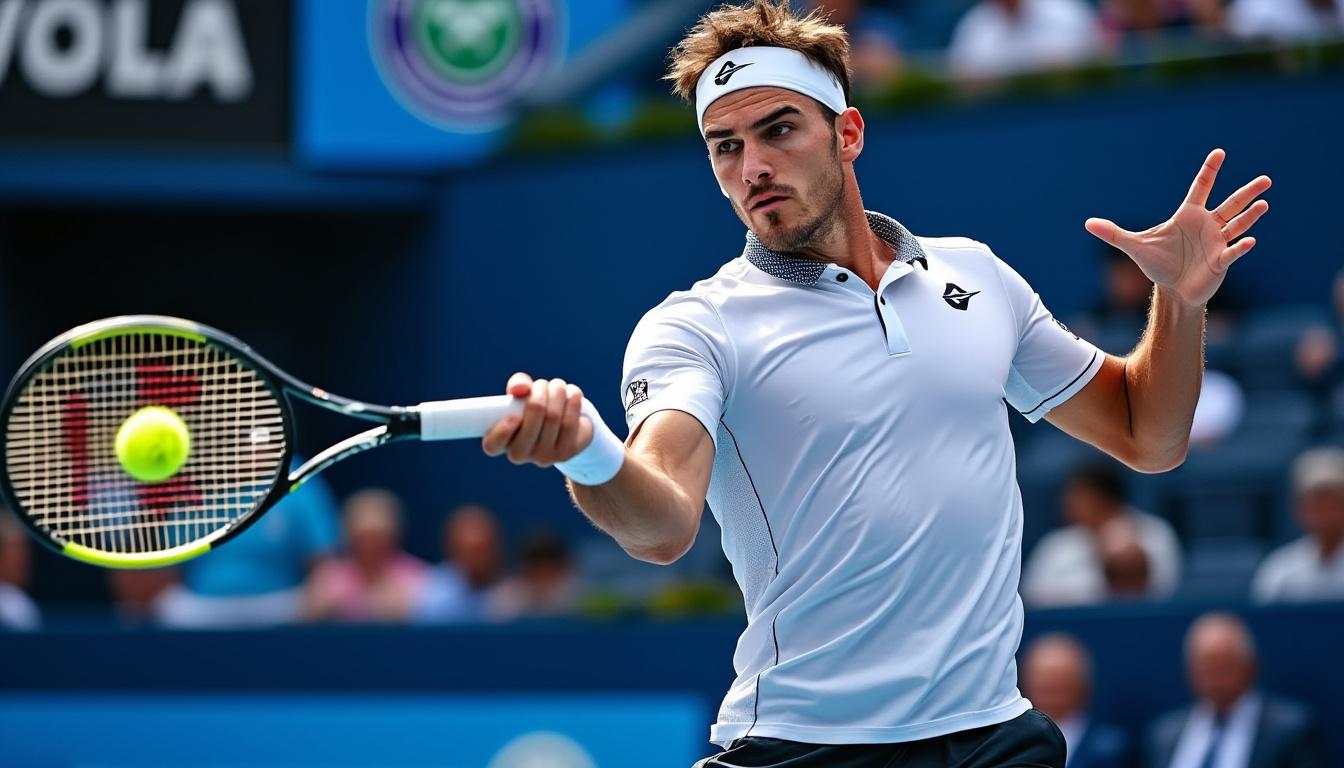
Spain Tennis Recovery: Injury Prevention and Rehab After the Davis Cup Final
Spain’s journey to the 2025 Davis Cup final came with its own share of physical challenges, not least being without their top-ranked titan Carlos Alcaraz. Despite this, players such as Pablo Carreno Busta and Jaume Munar displayed remarkable stamina and grit, spotlighting Spain’s focused commitment to injury prevention and recovery. Their approach post Bologna final showcases the fine balance between pushing competitive limits and safeguarding athlete longevity.
Core components of Spain’s post-final fitness regime include:
- Comprehensive injury screening: Early identification of inflammation or micro-injuries through advanced imaging before they evolve into bigger issues.
- Rehabilitation protocols: Customized physio programs targeting specific strains and joint care, essential not only for recovery but also for preventing re-injury.
- Load management strategies: Carefully modulated training loads that adjust intensity and volume based on player feedback and performance analytics.
- Integration of functional recovery techniques: Use of foam rolling, stretching routines, and hydrotherapy to optimize muscular balance and joint health.
- Mind-body wellness: Incorporation of mindfulness and breathing exercises aimed at reducing stress hormones that can impede physical healing.
| Recovery Strategy | Objective | Practice in Spain’s Setup |
|---|---|---|
| Injury Screening | Detect early signs of overuse or injury | Regular MRI scans and physical assessments |
| Rehabilitation | Speed healing of affected areas | Targeted physio tailored per injury specifics |
| Load Management | Prevent overtraining and fatigue | Use of analytics and player self-reports to adjust training |
| Functional Recovery | Improve flexibility and relieve tension | Foam rolling, stretching, hydrotherapy sessions |
| Mind-Body Practices | Promote psychological recovery and reduce stress | Guided mindfulness and breathing sessions |
Spain demonstrates that managing post match rehabilitation goes beyond muscle care — it’s an orchestration of physical and mental health. To explore techniques aimed at injury prevention in tennis, this guide on Davis Cup injury prevention offers granular insights that resonate with high-intensity sport scenarios like the Bologna final.
Post Final Fitness: Key Components in Sports Recovery After a High-Pressure Tournament
After battling through a heated championship like the Davis Cup 2025 final, elite tennis players confront intense physical and mental demands. The window immediately following the tournament shapes athletes’ ability to rebound stronger or risk burnout. Post final fitness revolves around strategic interventions focusing on rehabilitation, regeneration, and preparation for future rigors.
Essential elements defining post-final sports recovery include:
- Decompression phase: Initial rest combined with low-impact activities to ease the body out of peak competition mode.
- Inflammation control: Using ice baths, cryotherapy, and anti-inflammatory nutrition to reduce cellular distress.
- Muscle repair and rebuilding: Incorporation of protein-rich diets and supplementation enhancing tissue regeneration.
- Cardiorespiratory recovery: Gradual re-engagement with aerobic exercises to rebuild stamina without overtaxing recovering muscles.
- Psychological decompression: Techniques such as mindfulness, visualization, and light mental training to reset focus and motivation.
| Recovery Phase | Goal | Common Methods |
|---|---|---|
| Decompression | Facilitate transition from competition | Active rest days, yoga, swimming |
| Inflammation Control | Reduce swelling and muscle soreness | Cryotherapy, ice baths, anti-inflammatory foods |
| Muscle Repair | Promote tissue healing and strength rebuilding | High-protein diet, supplements like BCAAs |
| Cardio Recovery | Rebuild endurance effectively | Light jogging, cycling, pool exercises |
| Mental Recovery | Restore mental freshness and confidence | Guided imagery, meditation, routine reflection |
Every player’s path through recovery is unique, but courtside science guides these phases to maximize long-term performance. For those aspiring to understand or improve how athletes bounce back from tournaments like the Davis Cup, exploring tennis offseason exercises can provide vital clues on maintaining post-match athleticism.
Fitness Management Strategies by Italy and Spain: A Comparative Analysis
What separates Italy’s reigning Davis Cup champions from a seasoned Spanish squad isn’t just match prowess — it’s the meticulous orchestration of fitness management post-tournament. Comparing approaches reveals striking contrasts as well as overlaps, giving a fuller picture of elite-level sports recovery amid championship pressure.
| Category | Italy’s Approach | Spain’s Approach |
|---|---|---|
| Recovery Emphasis | Blend of active recovery and tech-driven therapy | Focused injury prevention and gradual rehab |
| Physical Therapy | Routine massages and cryotherapy sessions | Targeted physio treatments based on injury screening |
| Mental Conditioning | Meditation and psychological recalibration | Mind-body wellness including mindfulness routines |
| Nutrition | Customized antioxidant and protein-rich diets | Balanced load management with nutrition focused on inflammation reduction |
| Load Management | Precision training with carefully modulated intensity | Data-driven monitoring to avoid overtraining |
This side-by-side highlights the nuanced yet powerful recovery formulas each nation delivers. Their hard-fought journey through the Bologna final extends beyond the scoreboard: it’s a lesson in fitness management that future tennis stars should study for sustainable careers. For more on boosting reaction and recovery capabilities, click reaction speed drills for partners that complement fitness goals brilliantly.
Injury Prevention and Post Match Rehab: Lessons from the Davis Cup 2025 Champions
Every intense tournament such as the Davis Cup overheats the risk of injury. The 2025 edition underscored how Italy and Spain prioritize injury prevention and post match rehab to keep their top talent performing at peak level without succumbing to wear and tear.
Key takeaways for injury prevention and rehabilitation include:
- Early detection: Both teams employ sophisticated diagnostic tools to identify risk zones before players feel pain, allowing intervention before injuries bloom.
- Smart scheduling: Rest days and paced training avoid overload, while allowing tissue repair and avoiding chronic fatigue.
- Therapeutic modalities: Regular use of ice baths, electrotherapy, and manual interventions to speed recovery phases.
- Strength and conditioning: Programs focusing on core strength, joint stability, and muscular balance key to preventing common tennis injuries.
- Education and player awareness: Teaching athletes about body signals, stress management, and proper biomechanics to self-manage risks.
| Prevention Area | Recommended Practice | Benefit |
|---|---|---|
| Early Detection | Regular medical screening and physiotherapy checks | Minimizes injury escalation, speeds intervention |
| Training Scheduling | Strategic rest and workload balance | Reduces fatigue, improves long-term readiness |
| Therapeutics | Ice and electrotherapy treatments | Accelerates healing, decreases inflammation |
| Strength Conditioning | Focus on muscular and joint stability exercises | Prevents common overuse injuries |
| Player Education | Workshops and monitoring for biomechanics and fatigue | Empowers athletes to self-manage health |
The post-Bologna recovery frameworks serve as an actionable model not only for professionals but also juniors and weekend warriors aiming to blend competitive tennis with injury-free longevity. To deepen knowledge on this fundamental aspect, visit Nadal’s strength secrets, a compelling resource showcasing elite injury prevention and conditioning principles.
How crucial is nutrition for recovery after a tournament like the Davis Cup final?
Nutrition plays an essential role in muscle repair, inflammation reduction, and overall immune support. Consuming antioxidant-rich and protein-packed meals accelerates recovery phases and readies players for upcoming challenges.
Why do some players skip Davis Cup to focus on recovery?
Players like Jannik Sinner, who opted out in 2025, often prioritize long-term career management. Skipping high-intensity events allows optimized preparation and reduces risk of burnout or injury.
What role does mental recovery have post-final?
Mental decompression techniques such as mindfulness and guided meditation help athletes regain focus, manage stress, and rebuild competitive confidence critical for future tournaments.
How do technology and sports science impact post-match fitness?
Innovations like cryotherapy, compression gear, and detailed performance analytics gather actionable data that improve recovery speeds, tailor training loads, and prevent overtraining.
Can amateur players adopt these recovery strategies?
Absolutely. While tailored for pros, elements like active recovery, precise nutrition, and mindful rest can benefit players at all levels aiming for injury-free progress.