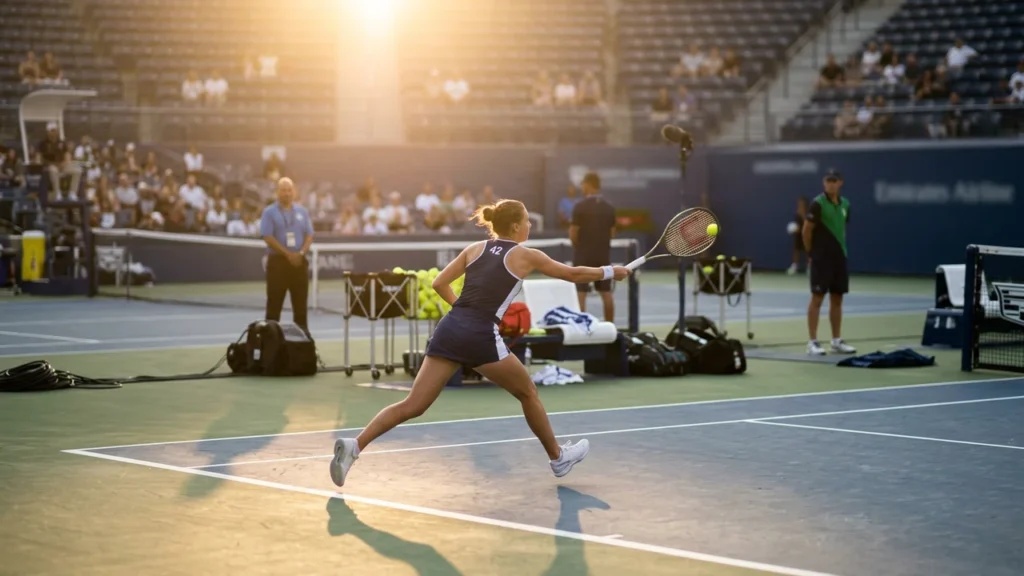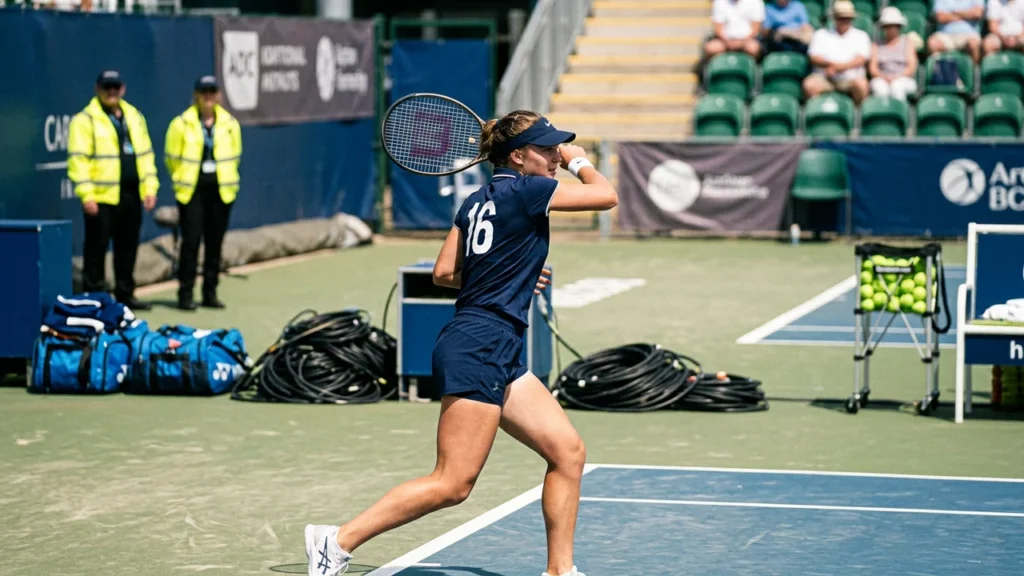
As 2025 winds down, the sporting world is abuzz with anticipation for 2026, a year set to feature some of the biggest and most electrifying events on the global calendar. Yet, beyond the excitement over tournaments and spectacles lies a more subtle but critical narrative: injury developments that will shape predictions and outcomes for these major events. From unforeseen athlete withdrawals to rehabilitation breakthroughs, the delicate balance between physical resilience and elite performance is creating ripples across sports communities worldwide. Understanding these injury developments is not just about on-court line judges or sideline medical tents; it’s about forecasting the very fabric of competition, athlete health, and recovery timelines that will ultimately define the narratives of 2026’s premier contests.
Injury trends have become a game-changer for fans and analysts alike, provoking fresh lenses on athlete readiness and strategic preparation. These dynamics influence coaching decisions, impact athlete longevity, and even affect how tournaments are structured and promoted. The ensuing sections dig deep, offering an impact analysis that stitches together medical insights, player-specific recovery updates, and broader implications for sports ecosystems. As the calendar turns, grasping these intricacies will be essential for anyone tracking not only results but the unfolding drama of 2026’s sporting battlegrounds.
In brief:
- Injury developments are increasingly pivotal in shaping sports event predictions and athlete performance forecasts for 2026.
- Innovations in orthopedic care and AI-assisted medical evaluations are transforming recovery timelines and treatment strategies.
- Major events like the 2026 FIFA World Cup and Winter Olympics will see athlete rosters influenced by evolving injury and fitness profiles.
- Economic and policy shifts in healthcare provision, including reimbursement cuts, affect access to treatment critical for athlete resilience.
- Stakeholders are adjusting expectations, emphasizing transparency, and demanding data-driven insights into recovery and injury risks.
Shaping Predictions Through Athlete Injury Developments and Recovery Insights
Injury developments have become a cornerstone in the forecasting of key 2026 sports events, intimately tied to both athlete performance and event outcomes. Player health and recovery schedules hold sway over predictions, forcing coaches, analysts, and fans to reconsider who will truly be at peak form.
The evolution of sports medicine has delivered remarkable advances in recovery work, focusing on mobility and injury prevention. Techniques detailed in resources like tennis recovery mobility workouts demonstrate how specific strengthening regimens are helping athletes rebound faster from muscle strains and joint injuries. These strategies, increasingly tailored by AI-driven assessments, optimize rehabilitation and minimize downtime.
Consider the case of top players whose recent injury reports have shaken up tournament forecasts. With transparent communication about fitness coming to the forefront—echoing insights found in recent injury updates—stakeholders can better anticipate shifts in competition dynamics. This has already stirred conversations about seed changes, potential matchups, and tactical adjustments, especially in sports with dense competition calendars.
Moreover, the incorporation of data analytics and real-time health tracking enables a new dimension of impact analysis. For example, AI models now predict how previous injuries might flare up under stress or how recovery protocols impact future resilience, allowing teams to strategize more effectively. The upcoming 2026 tournaments will therefore not only test physical prowess but also underline the critical importance of medical expertise, athlete health management, and recovery science.
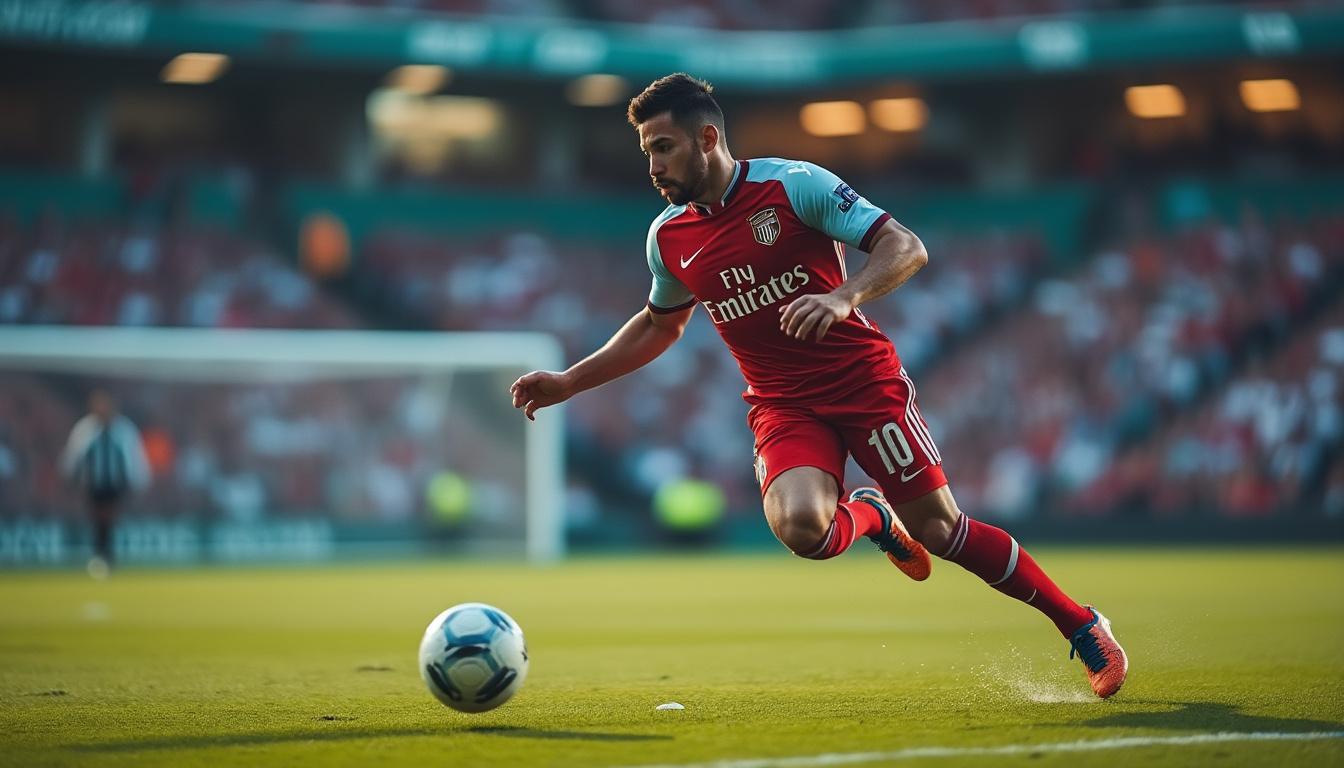
Orthopedics and Economic Shifts: The Backbone of Athlete Health and Event Forecasting
The year 2026 is on course to reveal significant changes in orthopedic practices that directly influence athlete recovery and readiness for major sports events. Leading orthopedic surgeons have highlighted critical economic and policy trends reshaping care delivery. Take, for example, the insights from Brian Blackwood, whose perspective reveals that sustained reimbursement cuts threaten surgeon autonomy and may force consolidation in the field. Such structural shifts have a domino effect on treatment timing and accessibility—factors essential for managing high-performance athlete health.
A more positive development lies in the “One Big Beautiful Bill,” which facilitates full first-year depreciation of capital investments. This fiscal policy opens doors for practices to upgrade facilities with cutting-edge imaging and ambulatory surgical center equipment. Better diagnostics and surgical technology expedite recovery and reduce uncertainty surrounding injury prognosis.
Challenges remain, particularly around prior authorization procedures that delay patient care, as highlighted by Dr. David Kalainov. These bureaucratic hurdles complicate swift treatment, which can critically strain athlete performance timelines during crucial event preparations. Fortunately, emerging AI-based preauthorization tools set to launch in 2026 promise potential streamlining—although their efficacy in practice remains to be tested.
Surgeons also anticipate increased pressure to demonstrate value through outcomes, education, and stewardship, responding to transparent implant pricing and private equity consolidations. These dynamics underline that economic forces are no longer background factors but active players in shaping athlete recovery and event readiness going into 2026.
| Trend | Impact on Athlete Health | Implications for Event Predictions |
|---|---|---|
| Reimbursement Cuts | Reduced access to specialists, delayed care | Higher injury risk, unpredictable athlete availability |
| Capital Expense Depreciation | Upgraded facilities and equipment | Faster diagnostics, shorter recovery |
| Prior Authorization Delays | Lengthier treatment timelines | Potential withdrawal of players from events |
| AI-Assisted Medical Reviews | Improved pre-surgical planning | Enhanced predictive accuracy for athlete readiness |
How Injury Updates Influence Forecasts for the 2026 FIFA World Cup and Winter Olympics
The looming 2026 FIFA World Cup and Winter Olympics represent ultimate tests where injury developments intersect heavily with public and professional predictions. The expansion of the World Cup—a 48-team format spanning three countries—introduces greater player pools but also more injury variables. Players’ health status directly influences tactical decisions and squad announcements, with up-to-date injury reports acting as crucial forecasting tools.
Winter sports athletes also face intense physical demands on icy terrains and uneven courses, driving a heightened risk of injury. Organizers have embraced sustainability and athlete care, including advanced medical support at venues in Milan and Cortina d’Ampezzo to ensure optimal recovery support. Lessons gleaned from recent injury occurrences on diverse playing surfaces parallel how snow and ice conditions can exacerbate physical strain, requiring meticulous athlete monitoring.
Enhanced transparency around injury developments is reshaping expectations—affecting betting markets, fan engagement, and coaching strategies alike. The increasingly meticulous coverage echoes how tournament spotlights emphasize athlete condition as much as skill, reminding all that recovery is a central pillar in any event forecast. Indeed, injury reports now move beyond sidelining headlines to become integral to strategic planning.
Strategic Adaptation: Coaching, Training, and Match Preparation Amid Injury Concerns
Coaching staff are now navigating a minefield where injuries factor heavily into final lineups and tactical formations. Understanding injury developments allows teams to flexibly adapt training and match preparation plans, employing best-in-class recovery techniques alongside evolving player conditions.
Emphasizing recovery-focused workouts and harnessing expert insights into injury management enhances player durability. For those seeking a deeper dive, match preparation tips provide actionable strategies that incorporate injury prevention alongside skill building. These preparations become critical in the grueling run-up to events, where conserving athlete health can differentiate champions from the pack.
Additionally, many successful programs prioritize cross-disciplinary approaches—including nutrition, physiotherapy, and psychological resilience—to create a comprehensive framework for recovery. As key players recover from setbacks, their return timelines factor prominently into predictions, shifting betting odds and fan expectations alike.
Innovation and Transparency Revolutionizing Athlete Health and Sports Narratives
Injury developments and recovery advancements are quickly becoming transparent components of sports narratives, thanks to technology and shifting cultural demands. Fans and stakeholders now expect timely information on athlete health—not just vague injury reports but detailed updates that inform public anticipation and strategic betting.
Emerging technologies, including AI-powered diagnostics and digital health tracking, empower teams to make data-backed decisions about player condition and readiness—components highlighted in recent trends toward smart racket technology and equipment adjustments, as explored in coverage of tennis tech gadgets.
Furthermore, economic factors pushing for cost-effectiveness and accountability have led to unprecedented implant price transparency and realignment of care standards. These shifts obligate athletes, coaches, and doctors to justify medical choices with measurable outcomes, making athlete health a shared responsibility rather than a hidden backstory.
- Real-time injury data improves coaching decision-making and tactical planning.
- Enhanced recovery protocols contribute to reduced event withdrawals.
- Accessibility to advanced orthopedic care shortens healing times.
- Transparent communication increases fan engagement and trust.
- Technological integration fosters precision medicine in performance sports.
How do injury developments affect predictions for major events?
Injury updates offer critical insights into athlete availability and condition, shaping forecasts for team lineups and competitive outcomes.
What role does technology play in athlete recovery?
Advances in AI diagnostics, mobility workouts, and digital health tracking enable tailored rehabilitation and accurate timelines for return to play.
Are there economic factors influencing athlete treatment in 2026?
Yes, changes in reimbursement policies and investment in medical equipment impact the speed and quality of care athletes receive, affecting recovery.
How do major sporting events manage injury risks among participants?
Events implement enhanced medical support, injury monitoring, and adaptive scheduling to reduce injury impact and safeguard athlete health.