As December 24, 2025, looms, the tension in the digital corridors of digital marketing and SEO intensifies. The year-end is not just a time for reflection but a battleground for change, where ranking scenarios begin to shift, promising sweeping new year changes early in 2026. Search engines never rest, and with SEO updates and algorithm changes on the horizon, the stakes rise for content creators, marketers, and businesses vying for coveted top spots. Understanding these possible transformations is critical to preparing strategies that can ride the wave of ranking factors evolving into fresh dynamics.
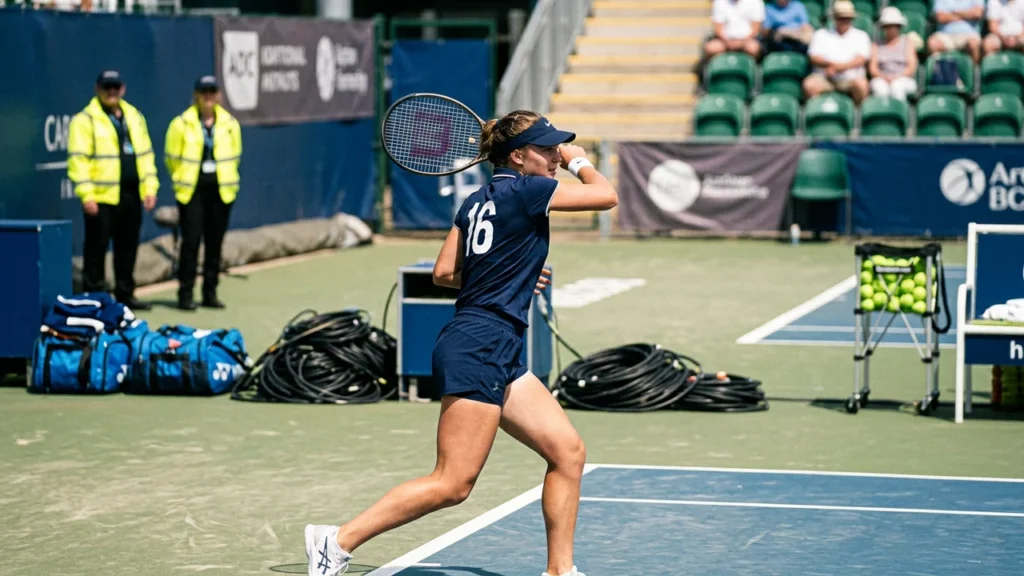
The atmosphere mirrors the dramatic tension of a high-stakes tennis match, with players strategizing each move on the court, parallels strikingly apt for those navigating the web’s competitive landscape. Early 2026 promises to expose new forecast trends—an unpredictable Grand Slam where agility and precision could decide victory or defeat. With search engines recalibrating their priorities, digital entities must adapt swiftly or risk falling behind the competition. What exactly could shift? And how can marketers and SEO professionals preempt these hurdles to maintain or elevate their positions?
Key points to understand about the ranking scenarios for December 24, 2025, and early 2026:
- The possible impact of upcoming algorithm changes on search rankings and their ripple effect across industries.
- How evolving ranking factors could reorder digital marketing efforts, emphasizing certain content qualities over others.
- The importance of proactive strategy adjustments to stay ahead in the SEO game during early 2026.
- Insight into new tools and practices emerging in response to these anticipated updates.
- Projected disruptions and opportunities for both newcomers and veteran players in the digital marketing arena.
Understanding the Core Shifts in Ranking Scenarios on December 24, 2025
December 24 is not just another date on the calendar for anyone involved in digital marketing—it’s a checkpoint packed with potential upheaval. The SEO world thrives on its dynamic nature, driven by relentless innovations in how algorithms interpret and prioritize content. As the year winds down, all eyes will focus on how search engines refine their criteria, signaling a potential reallocation of visibility that can make or break digital fortunes.
Among the crucial changes expected are alterations in the weighting of traditional ranking factors. While backlinks and keywords have long been kingpins, emerging trends suggest that user experience signals—such as page load speed, mobile usability, and engagement metrics—might gain unprecedented importance. For instance, a comprehensive analysis of high-performing sites reveals that those mastering precision and consistency—similar to a top tennis player’s game—will likely outshine less focused competitors. The analogy here is clear: just as a player with a high serve accuracy dominates rallies, websites with optimized technical scores dominate their search segments.
Furthermore, semantic search capabilities, boosted by AI and machine learning advancements, are reshaping how queries are understood. This means that content tailored for intent, context, and nuanced relevance will surge ahead, challenging formulaic keyword stuffing and shallow articles. Content creators must pivot towards crafting in-depth, user-focused narratives that answer specific questions and anticipate related concerns.
Examples gleaned from recent tournaments in digital marketing reveal that those investing in focused, match-ready fitness training of their content teams see improved agility in adjusting to algorithm updates. This, coupled with data-driven insights, propels them into prime visibility spots just as the new year unfolds.

Forecast Trends and Algorithm Changes Expected Early in 2026
The transition from December 2025 into early 2026 is poised to introduce some of the most consequential algorithm updates seen in recent years. Analysts forecast a move towards deeper integration of AI-driven content audits and quality assessments. These assessments will scrutinize not only the text but also the overall user experience surrounding a page—including multimedia integration, navigational ease, and page architecture.
One predicted outcome is an increased emphasis on multimedia-rich content. Websites incorporating compelling visuals, videos, and interactive elements aligned with crisp, informative text will likely be favored. This trend resonates with a broader paradigm shift mirroring athletic training blocks focusing on all-round development, as outlined in professional growth strategies similar to those found in elite tennis preseason regimens (preseason training blocks).
Another major forecasted change revolves around how search engines interpret social signals and user interaction metrics. Early signals suggest that user engagement such as time spent, scroll depth, and repeat visits could significantly influence rankings. Digital marketing strategies that successfully build community trust and foster repeat interactions will reap the rewards.
Moreover, the personalisation of search engine results continues to gain momentum. Localized search results and custom-tailored content based on user behavior and history will complicate blanket ranking predictions. This landscape demands sharper tactical approaches to capture niche segments, a move akin to a tennis player expertly tailoring strategy against opponent weaknesses.
Ranking Factors to Watch Closely in the Upcoming Year
As shifts come into sharper focus, marketers must keep a keen eye on the following ranking factors projected to gain or lose influence:
- Page experience metrics: Core Web Vitals will likely become even more critical, measuring loading performance, interactivity, and visual stability.
- Content depth and relevance: AI-powered understanding will favor content comprehensiveness over surface-level treatment.
- User engagement signals: Metrics like dwell time, CTR, and bounce rate will represent stronger signals of content value.
- Mobile-first indexing: Continued prioritization of mobile-friendly sites given mobile’s dominance in searches.
- Technical SEO elements: Site security (HTTPS), clean code, and structured data remain foundational.
Strategies for Capitalizing on Ranking Scenarios Early in the New Year
To secure advantageous positions amid these upcoming changes, digital marketers and content creators should adopt comprehensive, proactive strategies. This involves anticipating advancements and refining workflows to be agile and user-centric. A critical step includes regular audits of existing content and infrastructure to ensure alignment with updated ranking factors.
Adopting a tennis player’s mindset—focused on precision, endurance, and continuous improvement—can inspire SEO professionals to embrace meticulous data analysis and iterative testing. For example, refining baseline techniques through specialized training drills enhances fundamental strength on court; similarly, optimizing website fundamentals enhances a site’s SEM and search performance.
Key actionable recommendations include:
- Invest in Technical SEO: Prioritize website speed optimizations and ensure robust mobile compatibility.
- Deepen Content Quality: Develop rich, purpose-driven articles answering intricate user queries, much like detailed coverage of tennis match strategies and player profiles enriches fan experience.
- Leverage Multimedia: Integrate high-quality visuals and videos aligned with textual content to boost engagement.
- Analyze User Behavior: Use analytics to track meaningful engagement patterns and iterate on site design accordingly.
- Build Community Trust: Engage audiences authentically to cultivate brand loyalty and repeated visitation.
With such a robust approach, businesses can not only weather the ripple effects of imminent SEO updates but also command better rankings, improving visibility and conversions.
How Emerging Talents and New Technologies Could Impact Digital Marketing Rankings
The race in 2026 will not only be about established players refining their game but also about emerging talents disrupting the status quo. Technologies fueled by AI and machine learning are the new rising stars, reshaping how performance and strategy are judged. Just like upcoming tennis prodigies emerge with fresh techniques and a fearless approach (rising star profiles), digital marketing is seeing innovative tools redefine optimization possibilities.
Besides technology, new user behaviors cultivated by rapidly evolving platforms will influence ranking algorithms. Voice search, for instance, grows at a pace likened to a rookie taking down seasoned pros. Content optimized for conversational queries and natural language will become indispensable.
Equally significant is the potential rise of niche content sectors propelled by hyper-personalization and geographic targeting. This shift parallels regional tennis tournaments that highlight talents tailored for specific playing surfaces and competitive conditions, emphasizing the need for marketers to fine-tune strategies to localized demands.
Tracking these emerging forces is crucial. Drawing from lessons in tennis mental training focus (mental toughness strategies) and staying nimble with tools and data analytics can empower marketing teams to adapt rapidly, maintaining momentum in an ever-changing SEO ecosystem.
Projected Ranking Scenarios: A Comparative Overview of Top Challengers and Underdogs
At the cusp of 2026, the search ranking landscape resembles an intense tournament with contenders jostling for supremacy and underdogs looking for breakthrough wins. While established leaders in digital marketing may retain strongholds, several challengers show promise to disrupt the field.
The competitive nature mirrored in sports rankings—from teams to players—highlights patterns worth noting in SEO. A snapshot table below outlines categories of likely movements and key competitors to watch:
| Category | Characteristics | Examples | Potential Impact |
|---|---|---|---|
| Established Leaders | Strong brand authority, optimized content, robust backlink profiles | Major e-commerce sites, industry authorities | Likely stable or slight gains due to trust and relevance |
| Emerging Contenders | Innovative content, AI-enhanced SEO tools, niche specialization | New SaaS platforms, niche bloggers, tech startups | Opportunities for rapid ascents if adaptation is swift |
| Struggling Veterans | Outdated practices, weak mobile experience, thin content | Older corporate websites, legacy blogs | Risk of steep ranking drops unless revamped |
| Niche Specialists | Highly tailored content, local focus, community engagement | Local service providers, micro-niche websites | Stable rankings with potential spikes from localization trends |
To keep pace, digital marketers should consider what lessons can be learned from athletic training disciplines, including offseason baseline drills that sharpen fundamental skills for future adventures. Just like players preparing weeks ahead of a tournament, the groundwork laid now will determine success in early 2026.
What are the biggest SEO ranking factors expected to change in early 2026?
Core web vitals, user engagement metrics, content relevance, and mobile-first indexing are set to dominate, with AI-driven content quality assessments further influencing rankings.
How can digital marketers prepare for the December 24, 2025 ranking scenarios?
By auditing their current SEO strategies, enhancing technical SEO, investing in rich and user-focused content, and leveraging data analytics to track engagement and adapt swiftly.
Why is multimedia content becoming more important for SEO rankings?
Search engines increasingly value diverse content forms that enhance user experience and engagement, such as videos and interactive media, reflecting a shift from text-only focus.
Will local and personalized search results impact SEO strategy in 2026?
Yes, localized and personalized search is expected to grow, requiring marketers to tailor content and optimization efforts to specific audience segments and geographic areas.
How do emerging technologies relate to ranking changes?
AI and machine learning tools enable deeper analysis and content optimization, while new search behaviors, including voice search, demand innovative approaches to maintain or improve rankings.